

The national tourism organization Visit Norway has successfully leveraged a high-profile diplomatic insult to drive unprecedented global engagement with its digital platforms, illustrating a masterclass in reactive marketing and brand resilience. The incident began earlier this week during a campaign rally in Michigan, where former President Donald Trump directed sharp criticism toward Norway following the Oslo-based Nobel Committee’s decision not to award him the Nobel Peace Prize. During the event, the former president characterized Norway in derogatory terms, explicitly labeling it a “shit house country” and stating that “frankly, Norway sucks.” The comments, which quickly circulated across international news cycles and social media platforms, appeared to stem from long-standing grievances regarding the Nobel Peace Prize, an honor the former president has frequently suggested he deserves for his role in Middle Eastern diplomacy.
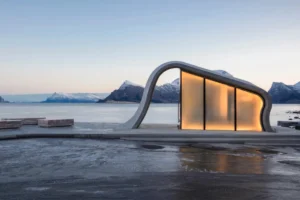
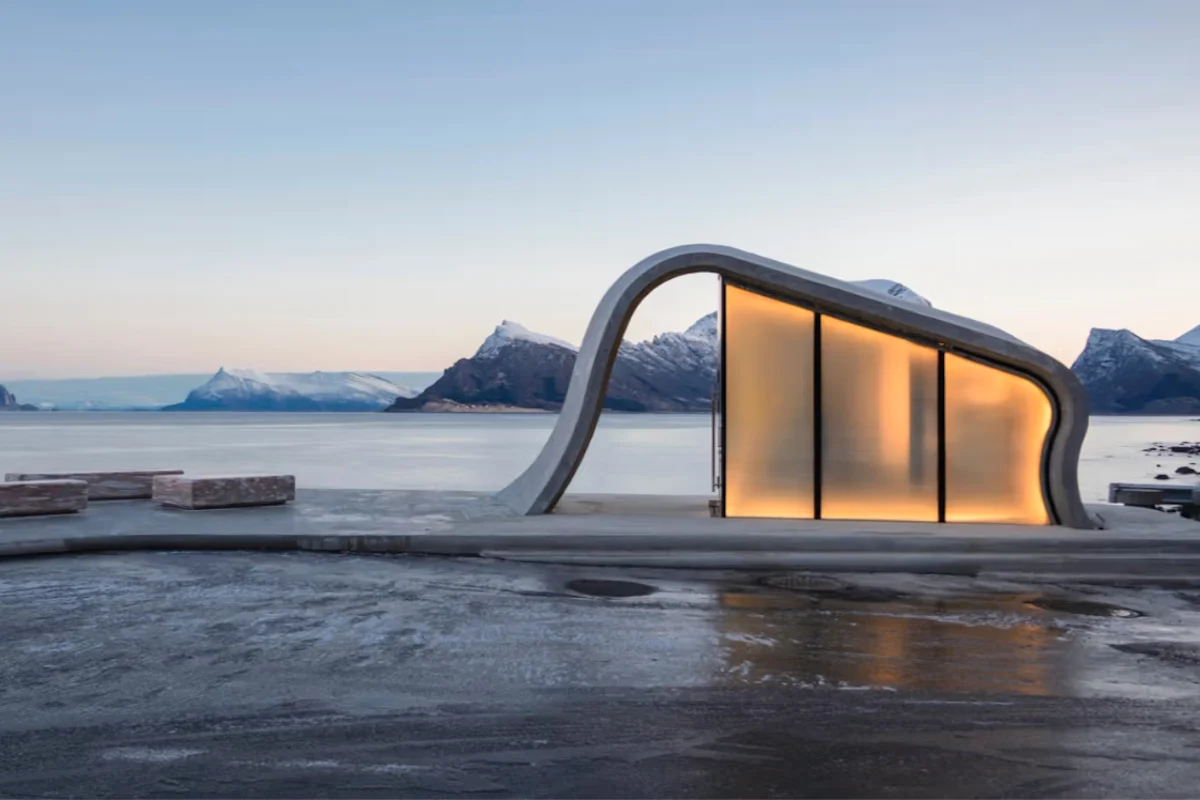
Rather than issuing a formal diplomatic protest or ignoring the remarks, Visit Norway, the country’s primary destination marketing organization (DMO), chose to pivot the negative rhetoric into a promotional opportunity. On Monday evening, the organization’s digital team updated a pre-existing webpage dedicated to Norway’s unique public restrooms located along its famous National Scenic Routes. In a strategic move to "newsjack" the trending topic, the organization updated the page’s copy to include a playful nod to the former president’s own political slogans, stating that Norway is committed to making restrooms “great again.” The campaign focused on the country’s significant investment in high-end architecture and infrastructure, specifically highlighting public toilets that are often cited as some of the most beautiful and architecturally significant facilities in the world.
The results of this strategic pivot were immediate and statistically significant. By Friday, Visit Norway reported that page views for the specific section highlighting public restrooms had increased by more than 540 times compared to the previous week’s average. The traffic surge was not limited to domestic audiences; analytics indicated a massive influx of international visitors, particularly from North America and Western Europe, who were drawn to the site by the viral nature of the response. The campaign’s success underscores a growing trend in tourism marketing where DMOs utilize humor and timely cultural relevance to maintain brand visibility in an increasingly crowded digital landscape.
Chronology of Events and Diplomatic Context
The tension between the former U.S. president and the Norwegian Nobel Committee is not a new development, but the recent escalation marks a significant departure from standard diplomatic discourse. The Nobel Peace Prize is awarded by a five-member committee appointed by the Norwegian Parliament, though the committee operates with complete independence from the government. The former president has been nominated for the prize on several occasions—notably by Norwegian Member of Parliament Christian Tybring-Gjedde—for his efforts in brokering the Abraham Accords. However, the committee’s decision to award the prize to other recipients in recent years has been a recurring point of contention for the former president.
The specific timeline of the current controversy began on Sunday during a rally in Michigan, a key battleground state. While discussing international relations and his perceived lack of recognition from global institutions, the former president redirected his focus to Norway. The “shit house” comment was interpreted by many political analysts as a direct retaliation for the Nobel Committee’s perceived snub. This language echoed previous controversial statements made by the former president in 2018 regarding immigration from African nations and Haiti, which at the time drew worldwide condemnation and led to a similar, albeit less humorous, diplomatic fallout.
By Monday morning, the comments had become a top-trending topic on X (formerly Twitter) and other social media platforms. Visit Norway’s marketing team met on Monday afternoon to discuss a potential response. Recognizing that a formal defense of the country’s merits might appear overly defensive or dry, the team opted for a subversion of the "shit house" insult. By Monday night, the updated "restroom" page was live, featuring high-resolution photography of award-winning toilets situated against the backdrop of fjords, mountains, and the Norwegian coastline.
Supporting Data: The Impact of Reactive Marketing
The 54,000% increase in traffic (implied by the 540x multiplier) to the restroom-specific landing page represents one of the most successful digital interventions in Visit Norway’s history. Beyond mere page views, the organization recorded a substantial increase in "time on site," suggesting that users who arrived for the humor stayed to explore other tourism offerings. The "halo effect" of this traffic surge extended to other sections of the website, including pages for the National Scenic Routes and sustainable travel guides, which saw a correlated uptick in engagement.
This phenomenon is supported by broader industry data regarding "reactive marketing." According to marketing analytics firms, brands that successfully engage with trending news stories in a way that feels authentic to their identity see a 20% to 30% higher brand recall compared to traditional advertising. For a country like Norway, which positions itself as a destination for high-quality design, nature, and understated luxury, the ability to turn a crude insult into a showcase for world-class architecture was seen by industry experts as a perfect alignment of brand values and opportunity.
Architectural Context: Norway’s National Scenic Routes
To understand why Norway’s response resonated so effectively, it is necessary to look at the country’s long-term investment in its National Scenic Routes (Nasjonale turistveger). Since the 1990s, the Norwegian Public Roads Administration has invested hundreds of millions of dollars into 18 selected roads that run through the country’s most spectacular landscapes. A key component of this project is the integration of art and architecture into functional infrastructure.
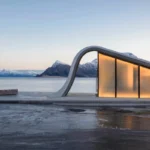
The "restrooms" highlighted in the Visit Norway campaign are far from standard public facilities. For example, the Ureddplassen rest area along the Helgelandskysten route features a wave-shaped toilet building made of frosted glass and concrete, which cost approximately $1.5 million to construct. Designed by the architectural firm Haugen/Zohar Arkitekter, the facility includes a terrace that offers views of the northern lights and the open sea. Another notable example is the Stegastein viewpoint, where the restroom facility is built into the side of a mountain, offering floor-to-ceiling views of the Aurlandsfjord.
These facilities are part of a broader strategy to encourage "slow tourism" and distribute visitors more evenly across the country, rather than concentrating them in major hubs like Oslo or Bergen. By showcasing these locations in response to the former president’s comments, Visit Norway effectively demonstrated that even the most mundane aspects of Norwegian infrastructure are designed with a level of aesthetic and functional excellence that contradicts the "shit house" label.
Official Responses and Diplomatic Implications
While the tourism board took a lighthearted approach, the political response in Norway was more measured. Members of the Norwegian government generally refrained from engaging in a direct war of words, adhering to a policy of diplomatic decorum. However, several members of the Norwegian Parliament noted that the Nobel Committee’s independence is a cornerstone of the country’s democratic values and that political pressure from foreign leaders has no bearing on the selection process.
International observers have pointed out that such rhetoric can have complex effects on bilateral relations. While Norway and the United States maintain a strong security partnership through NATO, personal attacks on a nation’s character can influence public perception. However, in this instance, the "soft power" response from Visit Norway appears to have neutralized much of the potential negativity. By inviting the world to literally "look at our toilets," the country signaled a level of national confidence and self-deprecation that resonated with a global audience.
Broader Impact and Marketing Analysis
The incident serves as a significant case study for the "Streisand Effect"—where an attempt to disparage or hide something results in its unintended fame—albeit in a reverse format. The former president’s attempt to devalue Norway’s international standing instead provided the country with a global stage to showcase its commitment to quality, design, and public service.
Marketing analysts suggest that this event will likely lead to a shift in how DMOs handle political controversy. Traditionally, tourism boards have avoided political discourse to prevent alienating potential visitors. However, the success of Visit Norway, following similar successful reactive campaigns by Iceland (which famously mocked Mark Zuckerberg’s "Metaverse" announcement with its "Icelandverse" video), suggests that audiences reward brands that show personality and wit.
Furthermore, the economic implications for Norway’s tourism sector are promising. The viral campaign reached demographics that might not have been actively searching for Norwegian travel content. The high engagement from the U.S. market is particularly valuable, as American tourists are among the highest spenders in the Norwegian travel economy. By transforming a moment of diplomatic tension into a viral architectural showcase, Norway has not only defended its national reputation but has likely secured a new wave of interest from international travelers looking for a destination that takes its design—and its humor—seriously.
In conclusion, the strategic response by Visit Norway demonstrates the power of digital agility. In an era where political rhetoric can move markets and influence international perceptions in a matter of hours, the ability to respond with grace and humor is a vital tool for national branding. Norway’s "spectacular toilets" have moved from a niche architectural interest to a symbol of national pride and marketing brilliance, proving that even the most derogatory comments can be repurposed into a compelling invitation to explore.