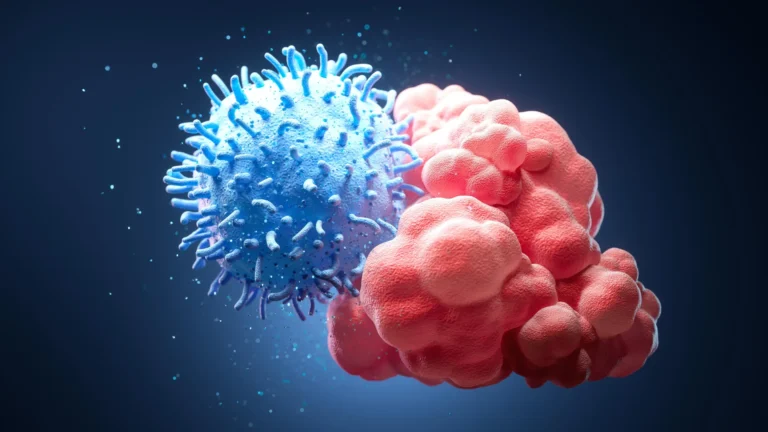



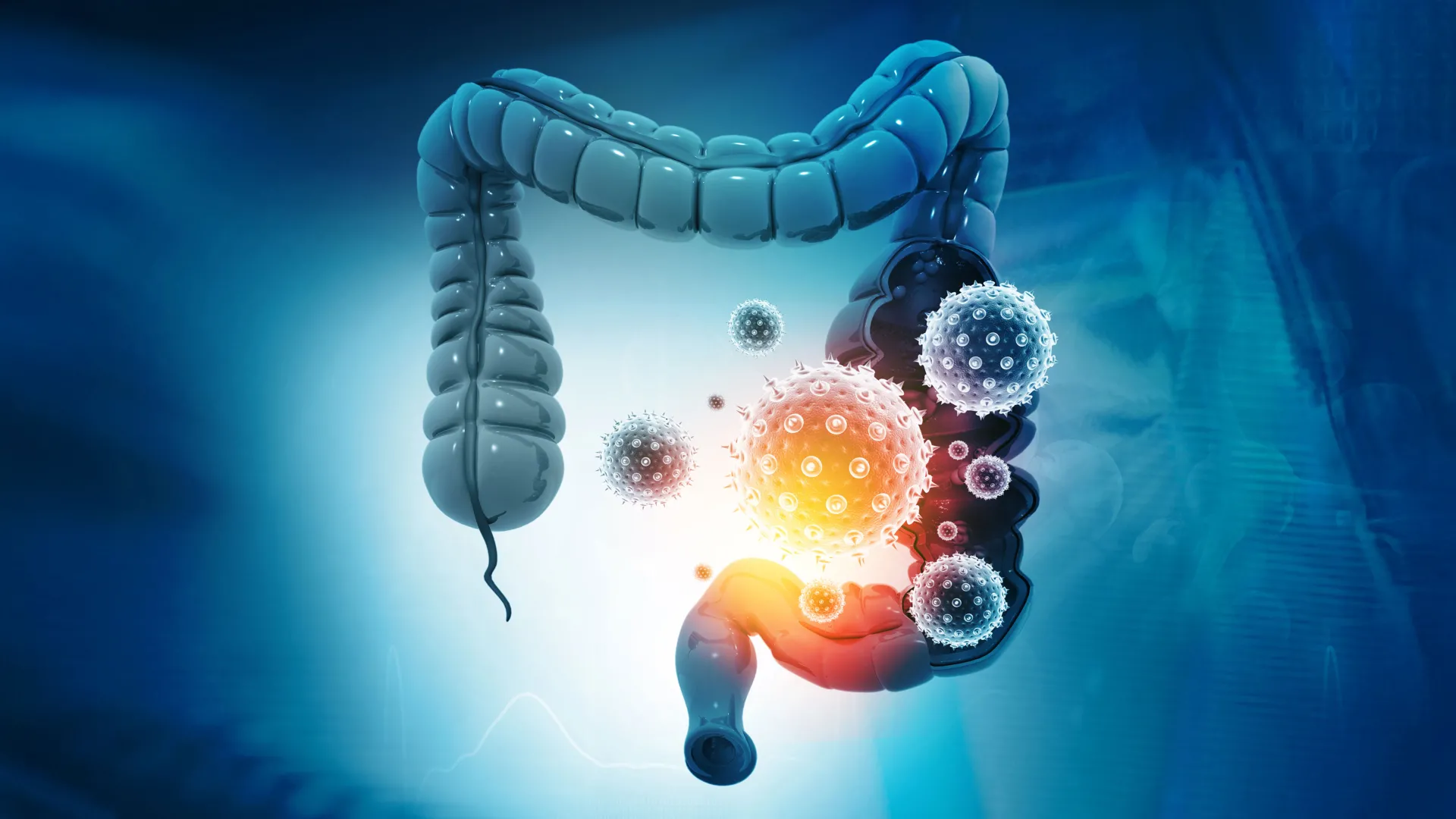
For nearly two decades, the scientific community has grappled with a critical question regarding a prevalent gut bacterium: how does its potent toxin, known to damage the colon and fuel tumor formation, first gain a foothold on intestinal cells? This enduring mystery has now been unraveled by a collaborative research effort, revealing a surprising vulnerability that promises to revolutionize our approach to protecting the colon and potentially preventing colorectal cancer. The breakthrough, spearheaded by researchers at the Johns Hopkins Kimmel Cancer Center, the Bloomberg~Kimmel Institute for Cancer Immunotherapy, and the Johns Hopkins University School of Medicine, identifies a protein called claudin-4 as the essential docking station for the bacterial toxin, BFT (B. fragilis toxin).
This pivotal discovery, published in the prestigious journal Nature, not only elucidates the initial mechanism of attack but has also spurred the development of a novel molecular decoy. This decoy has demonstrated remarkable success in intercepting BFT before it can inflict damage on colon cells, offering a tangible new strategy for mitigating bacterial harm linked to colorectal cancer. The research received crucial partial support from the National Institutes of Health, underscoring its significance in the broader biomedical landscape.
"We’ve made several attempts over time to identify the receptor, so this is an exciting moment," stated senior author Cynthia Sears, M.D., Bloomberg~Kimmel Professor of Cancer Immunotherapy and professor of medicine at Johns Hopkins. "Understanding how bacterial toxins work can open doors to new approaches for detection and therapy for associated diseases, including diarrhea, colorectal cancer and bloodstream infections." Dr. Sears’ long-standing dedication to this research area has been instrumental in bringing this complex puzzle to fruition.
The Culprit: A Common Bacterium’s Destructive Toxin
The investigation centers on Bacteroides fragilis, a ubiquitous bacterium found in the intestines of a significant portion of the population, with studies indicating its presence in up to 20% of healthy individuals. While the mere presence of B. fragilis does not automatically predispose an individual to cancer, specific strains harbor the capacity to produce a potent toxin, BFT. This toxin is a key player in disrupting the colon’s protective lining, triggering chronic inflammation, and creating an environment conducive to tumor development.
The harmful effects of BFT have been a subject of intense scientific scrutiny for years. A landmark 2009 study, also published in Nature Medicine, by Dr. Sears and her colleagues provided compelling evidence that BFT actively promotes the development of colon tumors. This foundational research was instrumental in establishing a critical link between toxin-producing gut bacteria, persistent inflammation, and the pathogenesis of colorectal cancer, a leading cause of cancer-related deaths globally.
Earlier experimental work had also shed light on BFT’s destructive capabilities, revealing its ability to cleave a crucial protein known as E-cadherin. E-cadherin plays a vital role in maintaining the integrity of the intestinal barrier by holding neighboring cells together. When BFT degrades E-cadherin, the cellular junctions weaken, compromising the barrier and potentially allowing the passage of harmful substances and pathogens into the surrounding tissues, thereby exacerbating inflammation and promoting cellular damage.
However, a significant gap in understanding persisted: while BFT was known to break down E-cadherin, it did not appear to directly bind to this protein. Researchers hypothesized the involvement of an intermediary molecule that facilitated the toxin’s access to its target, but repeated efforts to identify this elusive component had proven unsuccessful, leaving a critical piece of the puzzle missing.
A Technological Leap: CRISPR Uncovers the Missing Link
To finally crack this long-standing enigma, the research team leveraged the revolutionary power of CRISPR, a sophisticated gene-editing technology that enables scientists to precisely disable genes and meticulously study their functions. This approach provided an unprecedented ability to systematically probe the cellular machinery involved in BFT’s interaction with intestinal cells.
Maxwell White, an M.D./Ph.D. candidate within Dr. Sears’ laboratory, spearheaded a comprehensive genome-wide CRISPR screening effort. This endeavor was conducted in close collaboration with the laboratory of Matthew Waldor at Harvard Medical School, bringing together leading expertise in infectious diseases and molecular biology. The team systematically deactivated genes within colon epithelial cells, the very cells that form the inner lining of the colon. By observing which gene knockouts prevented the toxin from attaching and causing damage, they could pinpoint the essential component for BFT’s initial interaction.
Among the myriad of genes tested, one emerged with striking significance: the gene responsible for producing claudin-4. Claudin-4 is a protein integral to forming "tight junctions" between adjacent cells. These junctions act as molecular seals, strictly regulating the passage of substances between cells and playing a fundamental role in maintaining the robust barrier function of the intestine.
When the researchers successfully disabled the gene encoding claudin-4, a remarkable outcome was observed: BFT lost its ability to bind to the colon cells. Without this crucial initial attachment mediated by claudin-4, the toxin was rendered incapable of accessing and subsequently damaging E-cadherin. This finding definitively established claudin-4 as the primary receptor for BFT. The toxin, it turns out, must first latch onto this specific protein before it can initiate its cascade of destructive activities.
"It took a while to get the assay working and validate the approach, but once we were able to do the screen, claudin-4 was a clear, resounding top hit," commented White. "That was an exciting moment." The meticulous validation process ensured the reliability of the findings, solidifying claudin-4’s role as the critical gateway for BFT.
An Unexpected Discovery: A Novel Bacterial Attack Strategy
The identification of claudin-4 as the toxin’s receptor was not only a scientific triumph but also a surprise to the researchers. Dr. Sears and her colleagues had anticipated that BFT might interact with a protein involved in cellular signaling pathways, such as a G protein-coupled receptor. These receptors typically function as communication hubs, relaying external signals into the cell to trigger specific responses.
However, claudin-4’s primary role is fundamentally different. Instead of acting as a signaling switch, it serves as a critical structural component, vital for maintaining the physical integrity and adhesive properties of the intestinal barrier. This divergence from expected mechanisms highlighted an unusual strategy employed by BFT.
Further analysis revealed that BFT belongs to a class of enzymes known as proteases, which are characterized by their ability to cleave other proteins. While most proteases directly target their substrates, BFT appears to exhibit a unique modus operandi, requiring a distinct receptor to facilitate its access to E-cadherin. This indirect approach to protein degradation is not commonly observed among bacterial toxins, suggesting a potentially novel evolutionary adaptation by B. fragilis. A comprehensive review of existing scientific literature by the researchers failed to identify any other known toxin that utilizes a similar mechanism of action.
To provide irrefutable evidence of the physical interaction between BFT and claudin-4, the Johns Hopkins team collaborated with structural biologists F. Xavier Gomis-Rüth and Ulrich Eckhard from the Molecular Biology Institute of Barcelona. Utilizing advanced biophysical techniques capable of precisely measuring molecular interactions, White and his Barcelona counterparts demonstrated that BFT and claudin-4 form a tightly bound complex under laboratory conditions. Crucially, each toxin molecule was observed to pair with a single receptor molecule, offering direct physical confirmation of their specific binding affinity. This structural insight is invaluable for understanding the precise nature of their interaction at the molecular level.
A Clever Decoy: Blocking the Toxin’s Advance
The identification of claudin-4 as the receptor transcended mere scientific curiosity; it provided a critical leverage point for developing therapeutic interventions. If BFT’s initial step involves binding to claudin-4 on colon cells, then introducing a molecule that mimics claudin-4 could potentially intercept the toxin, luring it away from its intended cellular targets.
This hypothesis spurred the development of a novel molecular decoy. This decoy was engineered as a soluble protein incorporating key sequences from claudin-4. Its design was meticulously crafted to attract BFT with high affinity but, crucially, to prevent the toxin from initiating its damaging effects on the colon’s protective lining.
To rigorously test the efficacy of this decoy strategy, the researchers partnered with Min Dong’s laboratory at Harvard Medical School, including Kang Wang and his colleagues. Their investigations were conducted in a living mouse model, allowing for the assessment of the toxin’s behavior within the complex physiological environment of the intestine.
The results were highly encouraging. In the presence of the molecular decoy, BFT preferentially bound to these decoy proteins rather than to the claudin-4 receptors present on the colon cells. By effectively sequestering the toxin, the decoys successfully shielded the mice from BFT-induced tissue damage. This finding represents a significant paradigm shift, suggesting that it may be possible to disrupt the initial stages of the toxin’s harmful pathway rather than attempting to mitigate damage after it has occurred.
"This approach could be iterated upon with small molecules or other biologics that have better pharmacological properties," noted White. The team is actively exploring which molecular designs might offer the most potent and efficient blockade of the toxin. Small molecules, which can often be developed into orally administered drugs, and biologics, such as therapeutic proteins, represent promising avenues for future development. Future iterations of the decoy strategy could be engineered for enhanced bioavailability, improved stability within the body, or simpler administration routes.
Implications for Colon Cancer Prevention and Beyond
While this discovery represents a monumental leap forward, several critical questions remain to be addressed. Scientists have definitively established that BFT binds to claudin-4 and that blocking this interaction can protect mice from toxin-induced damage. However, the precise three-dimensional structure of the BFT-claudin-4 complex has yet to be fully elucidated. Even advanced computational tools like AlphaFold have struggled to fully resolve this interaction. Obtaining a high-resolution structural map could significantly accelerate the design of even more potent and specific blocking compounds.
Furthermore, extensive preclinical and clinical trials will be necessary to ascertain whether the decoy approach can safely and effectively prevent toxin-related diseases in humans. The mouse experiments unequivocally demonstrated protection against acute tissue damage, but they did not directly establish the strategy’s ability to prevent the long-term development of colorectal cancer. Establishing this causal link will require further investigation into the role of chronic BFT exposure in tumorigenesis.
Despite these remaining challenges, the research unequivocally resolves a pivotal question that has persisted since the link between BFT and colon tumor formation was first established in 2009. By identifying the toxin’s previously unknown point of entry into colon cells, researchers have unveiled a promising avenue for interrupting a detrimental biological process at its earliest stages. This breakthrough holds the potential to underpin the development of novel strategies for the detection, prevention, and treatment of a range of conditions linked to bacterial toxins, including not only colorectal cancer but also severe diarrhea and life-threatening bloodstream infections. The implications for public health are profound, offering hope for improved patient outcomes and a reduced burden of disease.
The study was authored by a dedicated team including Jason Chen, Shaoguang Wu, Abby L. Geis, and Jessica Queen from Johns Hopkins, alongside Hailong Zhang, Karthik Hullahalli, and Jie Zhang from Harvard Medical School. Funding for this groundbreaking research was generously provided by the Bloomberg~Kimmel Institute for Cancer Immunotherapy, Janssen Research and Development, Cancer Research UK, the National Institutes of Health (under grant numbers R01 AI042347, R01 NS080833, R01 NS117626, R01 AI170835, and R01 AI189789), and the Howard Hughes Medical Institute.