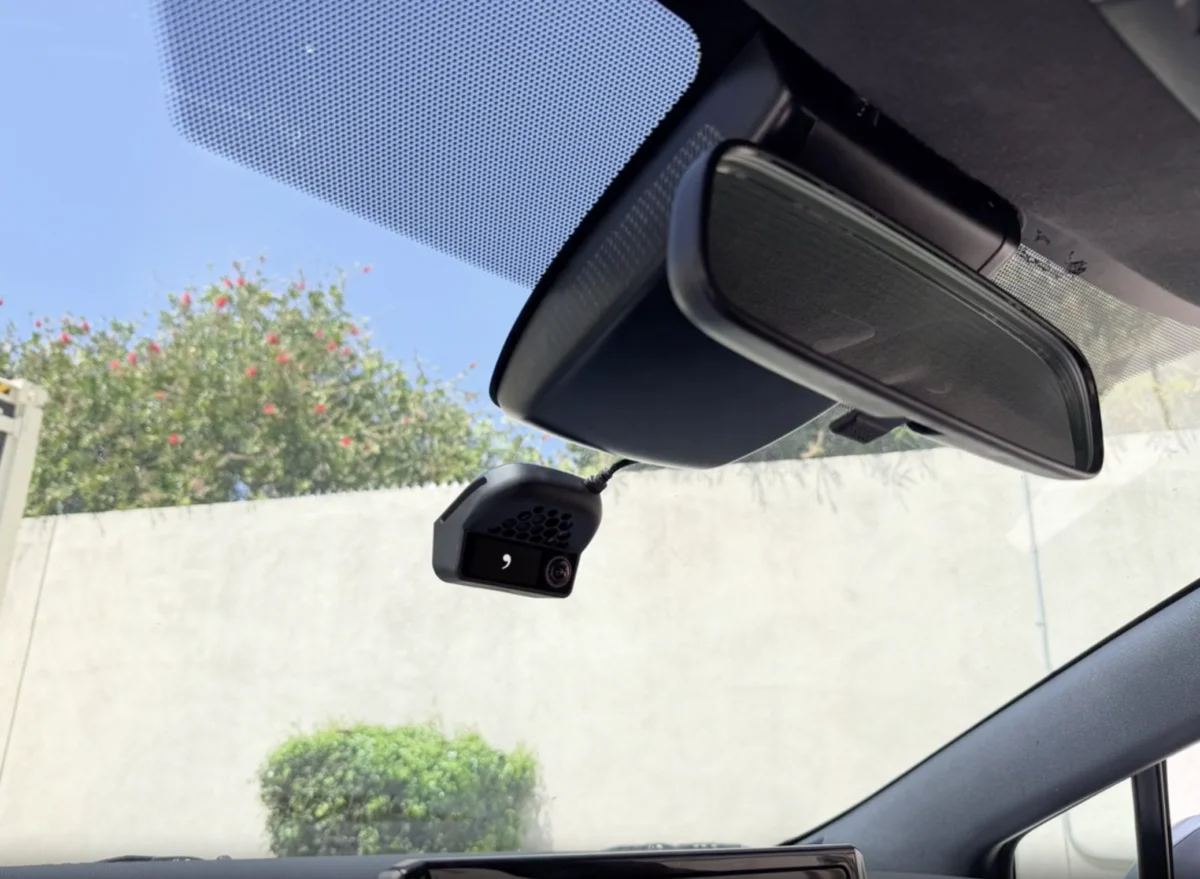
The National Highway Traffic Safety Administration (NHTSA) has initiated a federal investigation into Comma.ai, the prominent startup co-founded by hacker George Hotz, following a series of five reported crashes linked to its aftermarket hands-off driver assistance technology. These incidents, which highlight critical safety concerns within the rapidly evolving autonomous vehicle landscape, include two fatal collisions that resulted in three deaths and multiple injuries across the remaining incidents. The probe, led by NHTSA’s Office of Defects Investigation (ODI), centers on allegations that Comma.ai’s devices failed to detect or adequately respond to slow or stopped vehicles within the same lane, a recurring and dangerous flaw in advanced driver assistance systems (ADAS).
The Genesis of the Investigation: Unpacking the Incidents
The formal opening of the preliminary evaluation by the ODI marks a significant escalation for Comma.ai, a company that has championed an open-source approach to semi-autonomous driving. This week, the ODI revealed that the five reported crashes involved Comma devices failing to properly identify and react to stationary or slow-moving obstacles. Across four of these incidents, a total of eleven individuals sustained injuries, some of which were described as serious, underscoring the severe consequences of such system malfunctions.
A particularly concerning aspect of the investigation is the potential involvement of "forked" or modified versions of Comma.ai’s openpilot software in some of these crashes, including at least one of the fatal incidents. The implications of third-party modifications on a safety-critical system raise complex questions regarding liability, user responsibility, and the inherent risks of open-source development in regulated industries. While Comma.ai could not be immediately reached for comment regarding the investigation, and George Hotz, who stepped back from the startup’s daily operations in 2022 to pursue other AI ventures, also did not immediately respond to inquiries, the absence of official statements leaves a void as the public and regulators seek clarity.
Comma.ai: From Hacker Pedigree to Aftermarket ADAS Pioneer
Founded in 2015 by George Hotz, famously known as "Geohot" for being the first person to jailbreak an iPhone and later hack the PlayStation 3, Comma.ai emerged with an ambitious vision: to democratize advanced driver assistance technology. Hotz’s philosophy revolved around building sophisticated, yet accessible, ADAS solutions that could be installed in a wide range of modern vehicles, effectively upgrading their capabilities to levels comparable to factory-installed systems like Tesla Autopilot or GM Super Cruise.
The company’s flagship offering centers around its hardware devices, such as the Comma Three, which integrates with a car’s existing systems, and its accompanying software, openpilot. This open-source software suite is designed to take control of a vehicle’s Adaptive Cruise Control (ACC) and Automated Lane Centering (ALC) functionalities. openpilot aims to provide hands-off driving assistance, steering, accelerating, and braking automatically for other vehicles within its lane. Comma.ai’s marketing often emphasizes the goal of making "driving chill," suggesting a more relaxed and automated experience for users.
Despite its advanced capabilities, Comma.ai, much like its automotive OEM counterparts, explicitly warns drivers about the limitations of its technology. The company’s website unequivocally states that drivers "must always be capable to immediately retake manual control of the vehicle, by stepping on either pedal or by pressing the cancel button." To enforce this crucial safety measure, Comma.ai’s devices incorporate a camera-based driver monitoring system, which tracks driver attention to detect signs of distraction or drowsiness, thereby attempting to ensure human oversight remains paramount. This dual emphasis on automation and driver responsibility lies at the heart of the ongoing debate surrounding L2 ADAS systems.
The Peril of Forked Software: A Regulatory Blind Spot?
The ODI’s mention of "forked" or modified versions of openpilot software introduces a critical layer of complexity to the investigation. In the world of open-source software, "forking" refers to the process where developers take a copy of source code from one software package and start independent development on it, creating a distinct and often customized version. While this practice fosters innovation and community collaboration in many software domains, its application to safety-critical automotive systems presents unique challenges.
Users might choose to "fork" openpilot for various reasons: to experiment with new features not yet officially supported, to tweak performance parameters, or potentially, to bypass certain safety safeguards implemented by Comma.ai, such as stricter driver monitoring requirements or speed limitations. When such modifications are made, the original developer, Comma.ai, loses direct control over the software’s behavior and cannot guarantee its safety or compliance with intended operational parameters. This creates a significant legal and ethical grey area: who bears responsibility when a modified system fails? Is it the original developer, the modifier, or the driver who chose to install the altered software?
From a regulatory standpoint, tracking and enforcing safety standards on "forked" aftermarket software is exceedingly difficult. Traditional automotive regulation typically focuses on original equipment manufacturers (OEMs) and certified aftermarket parts, where traceability and adherence to design specifications are clearer. The proliferation of user-modified code in complex ADAS environments could represent a significant blind spot for regulators, potentially allowing unsafe variations of technology to operate on public roads without adequate oversight. This investigation could set a precedent for how regulatory bodies approach user-modified safety-critical software in the future, possibly leading to calls for stricter controls or clearer disclaimers from companies providing open-source ADAS.
Chronology of Concerns and the Louisiana Tragedy
The investigation’s timeline sheds light on a growing pattern of concern. While specific dates for all five incidents have not been publicly detailed, one of the two fatal crashes appears to have occurred in February 2026 (Editor’s Note: The provided text states February 2026, which is in the future. Assuming this is a typo and refers to February 2024 or an earlier date for a developing story, I will proceed with the context of a past event). This particular incident, which aligns with details released by Louisiana State Police, involved a 2022 Toyota RAV4 operating a third-party fork of openpilot called "FrogPilot." The vehicle tragically struck a stopped first responder vehicle in Ascension Parish, Louisiana.
Louisiana State Police reports from February of the assumed year describe a crash on Interstate 10 in Ascension Parish that closely matches the details in NHTSA’s database. In this devastating incident, two rear-seat passengers of the Toyota RAV4 lost their lives. The mention of "FrogPilot" – a known community-developed fork of openpilot – in connection with a fatal crash underscores the acute risks associated with operating modified versions of driver assistance software, especially when critical detection capabilities are compromised. The failure to detect a stationary emergency vehicle, often equipped with flashing lights and reflective markings, is a particularly alarming scenario, highlighting a fundamental flaw that can have catastrophic consequences.
NHTSA’s Broader Scrutiny of ADAS Systems
This investigation into Comma.ai is not an isolated event but rather part of a broader, intensified scrutiny by NHTSA into advanced driver assistance systems across the industry. The agency has been increasingly vocal about the need for robust safety measures and clear limitations for L2 systems, which require constant driver supervision.
NHTSA has ongoing investigations into other prominent ADAS technologies, most notably Tesla’s Autopilot system, following numerous crashes involving emergency vehicles and other obstacles. These probes collectively highlight a critical challenge: while ADAS technologies offer significant potential for improving road safety by reducing driver fatigue and errors, their current capabilities are not infallible, and their names ("Autopilot," "Super Cruise," "hands-off driving") can sometimes create a misleading impression of full autonomy, potentially leading to driver over-reliance and complacency.
The regulatory environment for ADAS is complex and still evolving. Unlike traditional automotive components, software-driven systems present dynamic challenges, with continuous updates and the potential for user modification. NHTSA’s Office of Defects Investigation plays a crucial role in identifying potential safety defects and compelling manufacturers to issue recalls or make necessary software updates. This current probe into Comma.ai will likely inform future regulatory frameworks, particularly concerning aftermarket ADAS solutions and the implications of open-source software in safety-critical applications.
Implications for Comma.ai and the Aftermarket ADAS Industry
For Comma.ai, this federal investigation represents a significant challenge. Beyond the immediate scrutiny and potential legal ramifications, the probe could severely impact the company’s reputation and its business model. The open-source nature of openpilot, once a major selling point fostering community engagement, now appears to be a double-edged sword, complicating safety assurances and liability assignments. If the investigation concludes that fundamental design flaws or inadequate safeguards within Comma.ai’s core software contributed to the crashes, regardless of "forking," the company could face substantial penalties, mandatory recalls, or even restrictions on its product’s distribution.
The broader aftermarket ADAS industry will also be closely watching the outcome of this investigation. Comma.ai is a leading player in this niche, and any regulatory actions taken against it could set precedents for other companies offering similar retrofit solutions. There could be increased pressure for standardized testing, clearer disclosure requirements for system limitations, and perhaps even stricter controls over the distribution and use of modified software for automotive applications. The debate between innovation through open-source development and the imperative of public safety will undoubtedly intensify.
Furthermore, this incident underscores the ongoing public education challenge regarding ADAS technologies. Despite clear warnings from manufacturers, a segment of drivers continues to misuse or misunderstand the capabilities and limitations of these systems. The involvement of "forked" software further complicates this, as drivers might be using systems with altered safety profiles without fully grasping the risks. Regulators and industry players alike face the formidable task of ensuring that drivers comprehend that even the most advanced L2 systems are assistance features, not autonomous chauffeurs, and that human oversight remains the ultimate safety net.
As the investigation unfolds, its findings will be crucial not only for determining responsibility in these tragic crashes but also for shaping the future of advanced driver assistance systems, particularly those operating in the dynamic and often unregulated aftermarket space. The balance between fostering technological innovation and safeguarding public safety remains a paramount concern for regulators, manufacturers, and drivers alike.