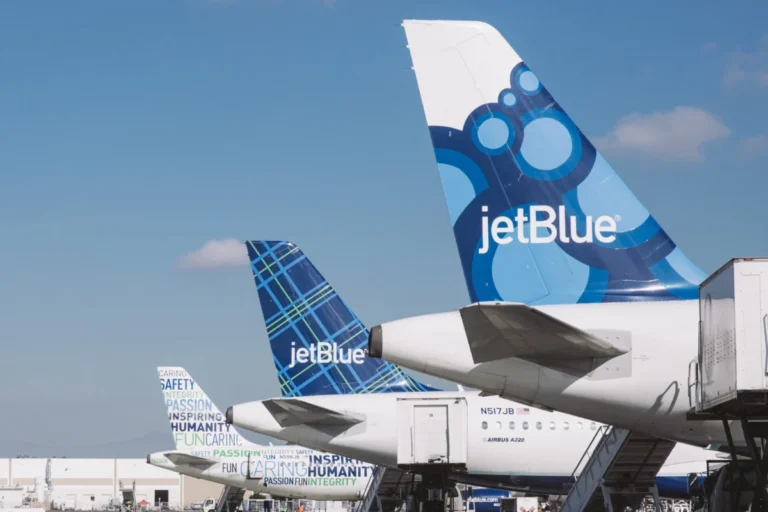


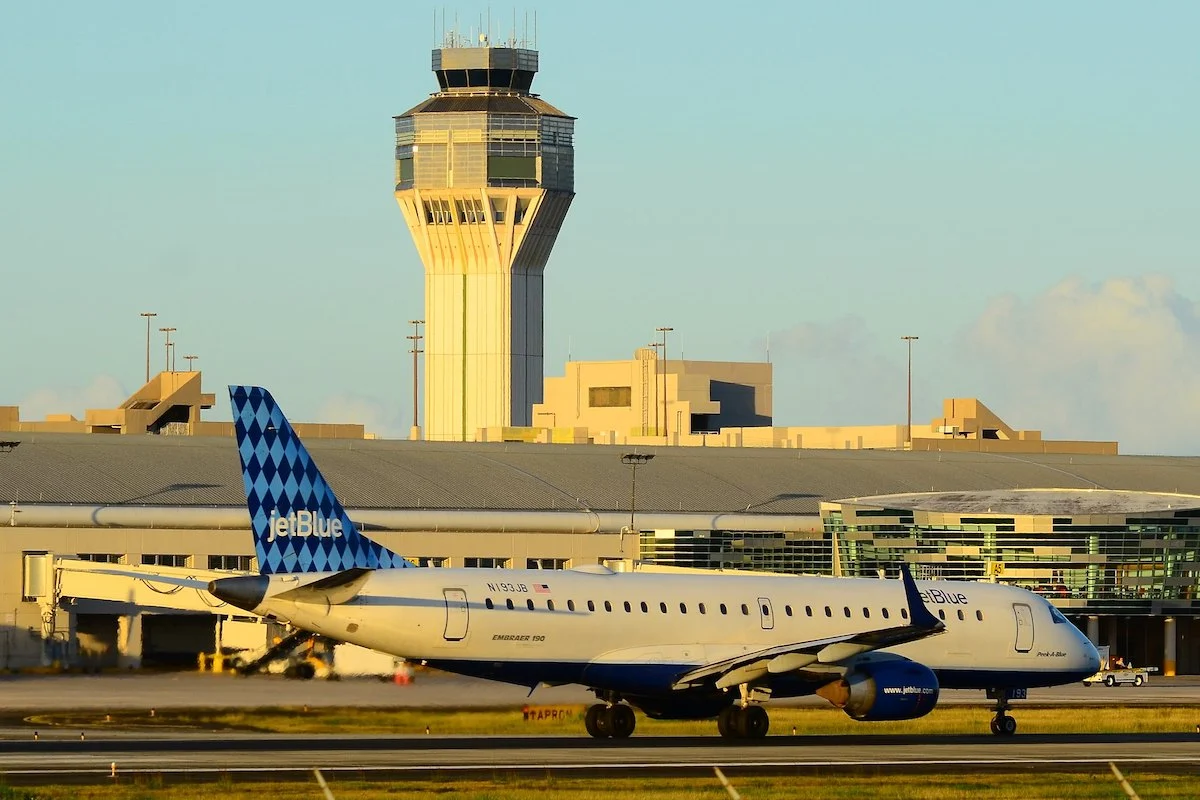
The Federal Trade Commission (FTC) has officially initiated a sweeping investigation into the burgeoning practice of "surveillance pricing," a sophisticated method where companies utilize vast troves of personal consumer data to adjust prices on an individual basis. In a series of orders issued last week, the federal agency demanded detailed internal information from eight major corporations, including Delta Air Lines, United Airlines, and JetBlue Airways. This move signals a significant escalation in the government’s efforts to understand and potentially regulate how artificial intelligence and machine learning are being used to undermine traditional market transparency.
The inquiry is not limited to the aviation sector. The FTC also sent orders to ride-hailing giants Uber and Lyft, delivery platforms DoorDash and Instacart, and retail behemoths Walmart and Target. These companies have been granted a 45-day window to provide comprehensive data on the methodologies they employ to set fares, delivery fees, and product prices. The central focus of the study is to determine whether these entities are leveraging personal information—such as browsing history, geographic location, device type, and even credit scores—to charge different customers different prices for the exact same product or service.
The Distinction Between Dynamic and Surveillance Pricing
For decades, the airline industry has been the poster child for "dynamic pricing." This traditional model fluctuates prices based on aggregate market conditions, such as supply and demand, time of day, or seasonal trends. Under dynamic pricing, every consumer searching for a flight from New York to London at 10:00 AM on a Tuesday would generally see the same fare. However, the FTC is concerned that the industry is shifting toward "surveillance pricing," a more intrusive iteration of price discrimination.
Surveillance pricing represents a paradigm shift from market-based fluctuations to individual-based targeting. By utilizing cookies, cross-site tracking, and historical purchase data, companies can theoretically estimate a specific consumer’s "willingness to pay." For instance, an algorithm might detect that a user is booking a flight on a high-end smartphone from a high-income zip code and has previously searched for luxury accommodations. Under a surveillance pricing model, that individual might be shown a higher fare than a user searching from an older laptop in a different demographic bracket.
FTC Chairman Andrew Ferguson emphasized the opaque nature of these systems in an official statement, noting that the agency intends to "scrutinize the opaque methodology that some companies in these industries may be using to determine how much consumers pay or how much gig workers are paid for the same product or service." This highlights a dual concern: the exploitation of consumers and the potential manipulation of wages for independent contractors in the gig economy.
A Chronology of Regulatory Interest in Algorithmic Pricing
The current investigation is the culmination of several years of increasing regulatory anxiety regarding the "black box" of algorithmic decision-making.
In 2021, the FTC signaled a renewed interest in digital consumer protection, focusing on how data collection practices could lead to unfair competition. By 2022, the Biden administration launched a broader initiative against "junk fees" and hidden costs, which naturally evolved into an investigation of how those fees are calculated.
In early 2023, the FTC issued a policy statement warning that "increasingly sophisticated tools" were being used to "track and profile" users. This led to the July 2024 orders, which represent the most direct action taken by the agency to date regarding individual price discrimination. The timeline suggests that the FTC is moving away from general warnings and toward a formal evidentiary phase that could precede new rulemaking or enforcement actions.
The Scope of the FTC Inquiry
The orders sent to the eight companies are exhaustive. The FTC is seeking information regarding:
- The types of data collected on individual consumers, including third-party data purchases.
- The specific algorithms used to calculate prices and how those algorithms weight personal data versus market data.
- The impact of these pricing strategies on different demographic groups.
- Internal communications and reports discussing the implementation and profitability of personalized pricing.
- For gig economy companies like Uber and DoorDash, the FTC is also demanding data on how worker pay is calculated and whether surveillance data is used to offer lower pay to specific drivers or couriers based on their perceived necessity for work.
The inclusion of retailers like Walmart and Target suggests the FTC believes this practice is migrating from the digital-first gig economy into the broader consumer goods sector. As retail shifts more toward app-based shopping and loyalty programs, the opportunity for individualized pricing increases, potentially ending the era of the universal "shelf price."
Supporting Data: The Rise of the Pricing Optimization Industry
The FTC’s move comes at a time when the "price optimization" software market is experiencing explosive growth. According to industry reports, the global market for AI-driven pricing software is expected to grow at a compound annual growth rate (CAGR) of over 15% through 2030. These software suites are marketed to corporations with the promise of "capturing more value" by identifying the maximum price a customer is likely to accept.
Economic studies on price discrimination suggest that while it can increase market efficiency by allowing lower-income consumers to access products at a discount, in practice, it often results in a massive transfer of "consumer surplus" to corporate profits. A 2023 survey conducted by consumer advocacy groups found that 68% of respondents were "very concerned" that their personal data was being used to charge them more for online purchases. Furthermore, data from cybersecurity firms indicate that the use of "fingerprinting" techniques—which identify a user’s unique hardware configuration—has increased by 40% among major e-commerce platforms over the last three years.
Official Responses and Industry Defense
While the companies under investigation have largely remained guarded in their public comments, the general industry defense of these practices centers on innovation and efficiency. Trade groups representing the tech and airline sectors have historically argued that dynamic and personalized pricing allows for more flexible business models that can offer lower prices to price-sensitive customers.
Airlines, in particular, argue that their pricing systems are essential for managing the high fixed costs of flight operations. They contend that sophisticated algorithms allow them to fill seats that would otherwise go empty, which in turn helps keep average fares lower for everyone. However, the FTC’s distinction between "dynamic" and "surveillance" pricing challenges this narrative by focusing on the privacy-invasive nature of the data collection involved.
In a statement following the announcement, some industry analysts suggested that the companies might challenge the FTC’s authority to demand such sensitive proprietary information, citing trade secret protections. The 45-day deadline is expected to be met with requests for extensions as legal teams parse the breadth of the federal demands.
Broader Impact and Implications for the Future
The results of this study could have profound implications for the future of the American economy. If the FTC finds that surveillance pricing is widespread and harmful, it could lead to the proposal of the "Consumer Price Transparency Act" or similar legislation aimed at banning individual price discrimination based on personal data.
Furthermore, this inquiry intersects with broader privacy concerns. If a company can charge a consumer more because they know the consumer is in a rush (via location data) or is wealthy (via device data), it transforms personal data from a privacy issue into a direct financial liability for the individual.
For the gig economy, the implications are equally significant. If algorithms are found to be suppressing worker pay by analyzing how long a driver can afford to stay offline, it could bolster the case for reclassifying gig workers as employees or introducing stricter algorithmic management laws, similar to those recently adopted in parts of the European Union.
As the FTC begins its review of the data provided by Delta, United, Walmart, and others, the focus will remain on whether the digital age has brought about a more efficient market or a more predatory one. The outcome of this investigation will likely determine whether the "market price" remains a public standard or becomes a private, individualized calculation hidden behind a screen. For now, the agency’s message is clear: the era of opaque algorithmic pricing is moving into the spotlight of federal oversight.