


The human liver, often viewed primarily as a metabolic powerhouse and detoxification center, may hold a profound and previously underestimated role in combating two of the most devastating age-related diseases: Alzheimer’s disease and heart disease. Groundbreaking research from the Keck School of Medicine of the University of Southern California (USC) suggests that rejuvenating the function of aging liver cells can significantly reduce the burden of harmful substances in the bloodstream, potentially offering a novel therapeutic avenue for conditions affecting organs far removed from the liver itself. This discovery opens a new frontier in understanding how systemic organ health intersects with neurodegenerative and cardiovascular pathologies.
Reversing Age-Related Liver Decline
In a pivotal study involving aged laboratory rats, scientists successfully employed an experimental drug, cinaciguat, to reverse critical markers of aging within specialized liver cells. The treatment, administered over a mere two-week period, resulted in a remarkable 50% reduction in amyloid beta levels, a protein widely recognized for its association with the development of Alzheimer’s disease. Concurrently, levels of low-density lipoprotein (LDL), colloquially known as "bad cholesterol," also reverted to those typically observed in much younger animals. These findings, meticulously detailed in a recent publication in the Journal of Biological Chemistry, not only underscore the therapeutic potential of cinaciguat but also illuminate a previously unrecognized mechanism of intercellular communication within the liver. This newfound understanding could pave the way for the development of targeted therapies designed to bolster the liver’s intrinsic capacity to cleanse the blood of potentially detrimental compounds, thereby mitigating the risk of Alzheimer’s disease and atherosclerosis, the arterial condition characterized by the buildup of fatty deposits.
The Liver’s Crucial Link to Alzheimer’s Disease
While Alzheimer’s disease is intrinsically linked to the brain, the scientific community is increasingly recognizing the influence of peripheral organs on its pathogenesis. The liver’s central role in blood filtration and the removal of metabolic byproducts makes it a prime candidate for investigation. When the liver’s efficiency diminishes with age, certain compounds that would normally be processed and eliminated can persist in the circulation, potentially contributing to disease processes elsewhere in the body. The USC research provides compelling evidence that restoring the liver’s natural cleansing capabilities could represent a distinct and promising strategy for preventing or managing certain age-related illnesses. Although these results are currently confined to animal models, the implications for human health are significant, necessitating further rigorous investigation.
Dr. Laurie DeLeve, MD, PhD, a distinguished professor and vice chair for scientific affairs in the USC Department of Medicine and the study’s corresponding author, expressed cautious optimism. "We need to conduct further translational work to ascertain whether our findings might indeed point toward new therapeutic interventions," Dr. DeLeve stated. "However, we are encouraged by the alignment of our results with existing epidemiological data that consistently identify age as a primary risk factor for both Alzheimer’s and atherosclerosis, and notably, liver damage as a recognized risk factor for Alzheimer’s."
The prospect of targeting the liver in Alzheimer’s research is particularly compelling given the historically high failure rate of treatments aimed directly at the brain. An estimated 98% of drugs designed to treat Alzheimer’s have faltered in clinical trials, largely due to the formidable challenge posed by the blood-brain barrier. This biological shield, while essential for protecting the brain from harmful agents, significantly impedes the delivery of therapeutic compounds.
Sam de Leve, MA, a USC lab technician and the study’s first author, articulated the strategic advantage of this approach. "If our hypothesis holds true – that the liver plays a pivotal role – then the question becomes, what is the most effective intervention?" Sam de Leve pondered. "Instead of confronting the notoriously difficult task of breaching the blood-brain barrier, we could focus our efforts on the liver, an organ where therapeutic impact might be more readily achieved and drug delivery is considerably less challenging."
Restoring the Liver’s Aging Filtration System
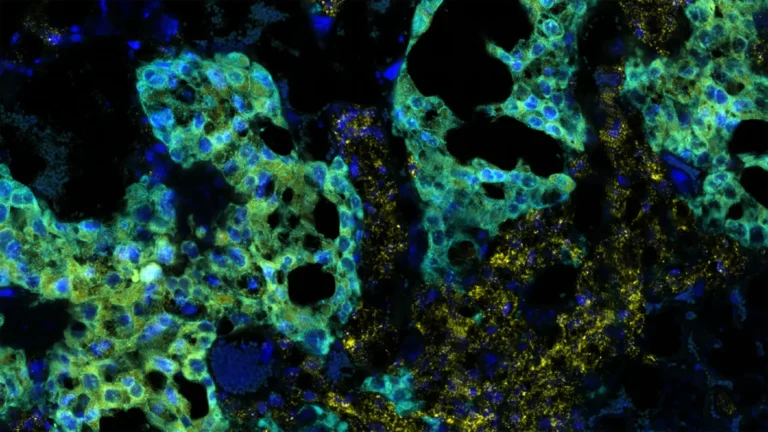
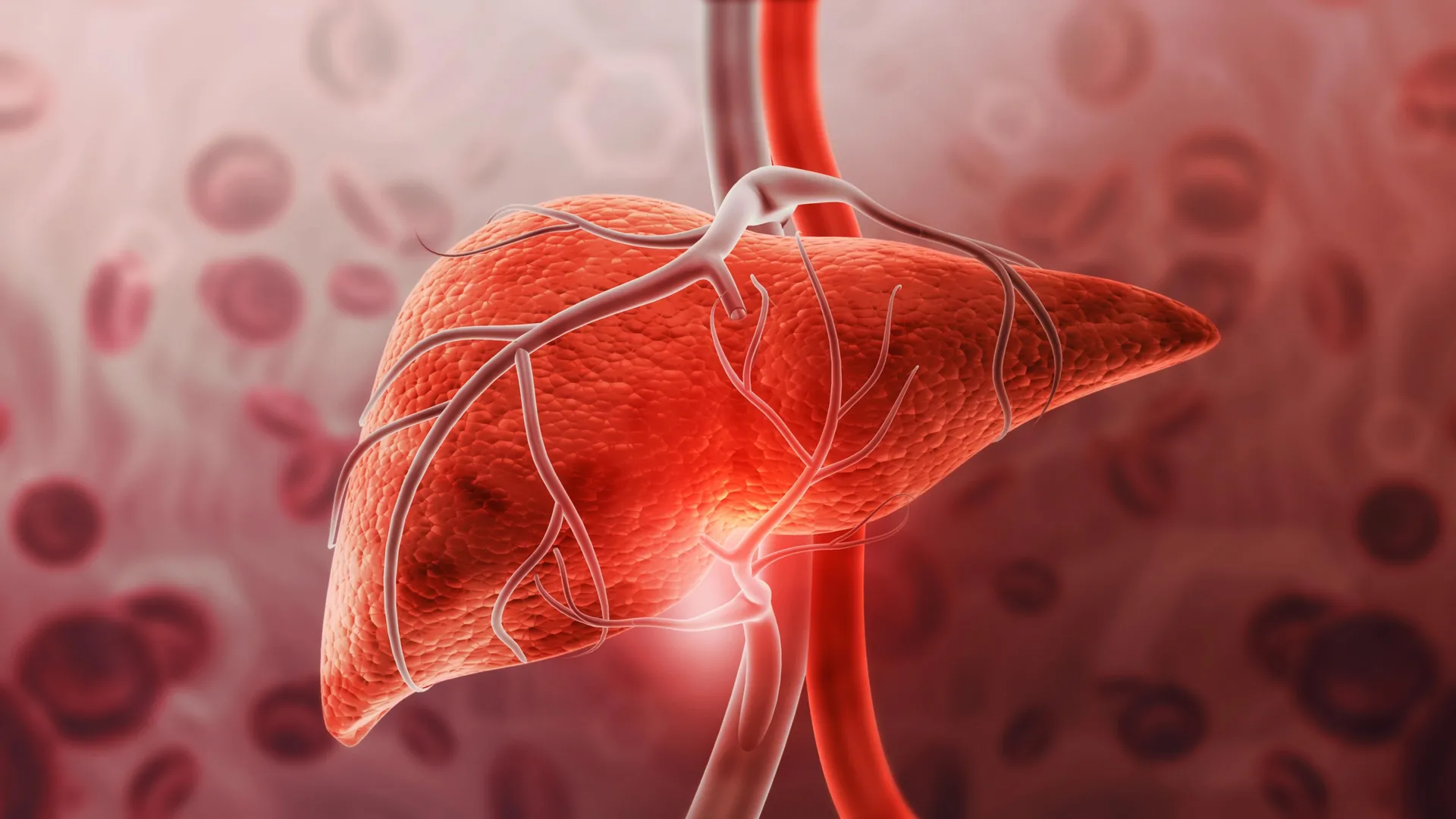
The USC team’s investigation focused on a less-studied but critical component of the liver: liver sinusoidal endothelial cells (LSECs). These cells form the inner lining of the liver’s intricate network of tiny blood vessels. Uniquely, LSECs are characterized by numerous microscopic pores, or fenestrations, which function akin to a sieve. These fenestrations permit larger molecules circulating in the blood to interact with adjacent cells known as hepatocytes, the primary workhorses responsible for the liver’s extensive metabolic and detoxification functions.
With advancing age, a natural process unfolds where these fenestrations in LSECs gradually diminish in size or disappear altogether. This structural change impedes the efficient passage of certain large molecules to the hepatocytes, leading to their increased persistence in the bloodstream. One such molecule affected by this age-related decline is amyloid beta. Its accumulation in the brain, forming characteristic plaques, is a hallmark of Alzheimer’s disease. Prior research had already established that the liver’s capacity to clear amyloid beta wanes with age. The USC researchers hypothesized that the progressive closure of LSEC fenestrations might be a key factor contributing to higher circulating levels of amyloid beta in older individuals.
To test this hypothesis, the researchers administered cinaciguat to a cohort of aged rats for two weeks. These treated animals were then compared against two control groups: one comprising older, untreated rats, and another consisting of younger, untreated rats. The results were compelling. Cinaciguat effectively restored the structural integrity and functional capacity of the aging LSECs, reopening their microscopic pores and significantly enhancing their ability to facilitate the clearance of blood-borne substances. Consequently, amyloid beta concentrations plummeted by approximately 50%, reaching levels comparable to those observed in the younger rat group. The untreated older rats showed no comparable improvement.
An Unforeseen Reduction in "Bad" Cholesterol
Beyond amyloid beta, the researchers also monitored levels of LDL cholesterol. Elevated LDL is a well-established risk factor for cardiovascular disease, contributing to the buildup of atherosclerotic plaques within arteries, which can restrict blood flow and elevate the risk of heart attacks and strokes. Initially, LDL was included in the study primarily as a comparative measure, with no strong expectation that it would be directly affected by cinaciguat, as LDL particles are generally small enough to traverse the vascular system without relying on the fenestrations of LSECs for passage into the liver parenchyma.
However, the study yielded an unexpected and significant finding: LDL concentrations in the cinaciguat-treated older rats also decreased substantially, returning to the levels seen in their younger counterparts. This observation prompted further inquiry, as Sam de Leve recounted, "We were surprised, and immediately asked, ‘Why did that go down? Clearly, there’s more to this story.’" The unexpected drop in LDL suggested that cinaciguat’s impact extended beyond merely reopening the liver’s aging filtration pores. It appeared to be restoring another vital aspect of liver function.
Unraveling a Hidden Communication Pathway
Building upon the observation that hepatocytes function more effectively in the presence of healthy LSECs, the research team delved into the intricate communication network between these two cell types. Their meticulous investigation uncovered a previously unknown cascade of biochemical signals that plays a crucial role in coordinating the liver’s overall ability to efficiently remove substances from the bloodstream.
The researchers determined that cinaciguat activates an enzyme called soluble guanylate cyclase (sGC) within the LSECs. This activation triggers the release of a growth factor, specifically HB-EGF (heparin-binding epidermal growth factor-like growth factor), which then transmits a signal to neighboring hepatocytes. In response to this signal, the hepatocytes modify their cell surface in a manner that enhances their capacity to capture LDL and amyloid beta from the circulating blood. This coordinated cellular response provides a plausible explanation for the observed reduction in both substances, even though they do not rely on the same primary filtering mechanism.
Ordinarily, the aging process impairs the ability of LSECs to secrete HB-EGF. Cinaciguat’s therapeutic action appears to involve the restoration of this critical signaling pathway, thereby enabling more effective communication between liver cells and bolstering the clearance of substances that tend to accumulate with age. This discovery identifies a promising new target for future drug development. Rather than solely focusing on the physical fenestrations of LSECs, researchers may be able to design therapies that specifically restore these vital chemical signaling processes, thereby optimizing liver function.
The Potential of Liver Rejuvenation in Disease Prevention
According to the study’s authors, this research marks the first instance of a drug demonstrating the ability to comprehensively restore the structure and function of aging LSECs, including their crucial role in facilitating the removal of blood-borne substances. Furthermore, it is the first study to provide evidence that a liver-directed therapy can reverse age-related elevations in circulating amyloid beta and LDL to youthful levels.
These groundbreaking findings raise the tantalizing possibility that cinaciguat, or similar pharmacological agents, or novel therapies targeting HB-EGF, could eventually be utilized to counteract the detrimental effects of liver aging. If these restored liver functions translate into meaningful protection against age-related diseases, they could offer innovative strategies for preventing Alzheimer’s disease and cardiovascular conditions.
However, the researchers emphasize that these findings represent an early but significant step. Lowering amyloid beta levels in the bloodstream does not automatically guarantee a reduction in amyloid plaque formation in the brain or confer protection against the onset of Alzheimer’s disease. The intricate mechanisms of neurodegeneration are complex, and further research is imperative to establish a definitive link.
The USC team plans to continue their investigations with cinaciguat in rat models, aiming to determine whether its observed effects on circulating amyloid beta levels correlate with measurable protection against Alzheimer’s disease pathology. They also hope that their findings will inspire researchers in related fields, particularly those studying atherosclerosis, to explore the potential impact of restoring liver function on disease progression.
"We hope that individuals working in fields such as atherosclerosis research will embrace this concept and explore its applications," Sam de Leve remarked. "There are numerous avenues for further investigation, and we cannot pursue them all. We would be delighted if other researchers could build upon our work."
Study Authorship and Funding
The research team involved in this study included Xiangdong Wang, Helia Alavifard, and Lily Dara, all affiliated with the Keck School of Medicine of USC. The research was supported by federal funding from the National Institutes of Health, specifically grants R56AG071480 and 5R01DK100580. This collaborative effort highlights the significant investment in understanding the complex interplay between aging, liver health, and the development of chronic diseases.