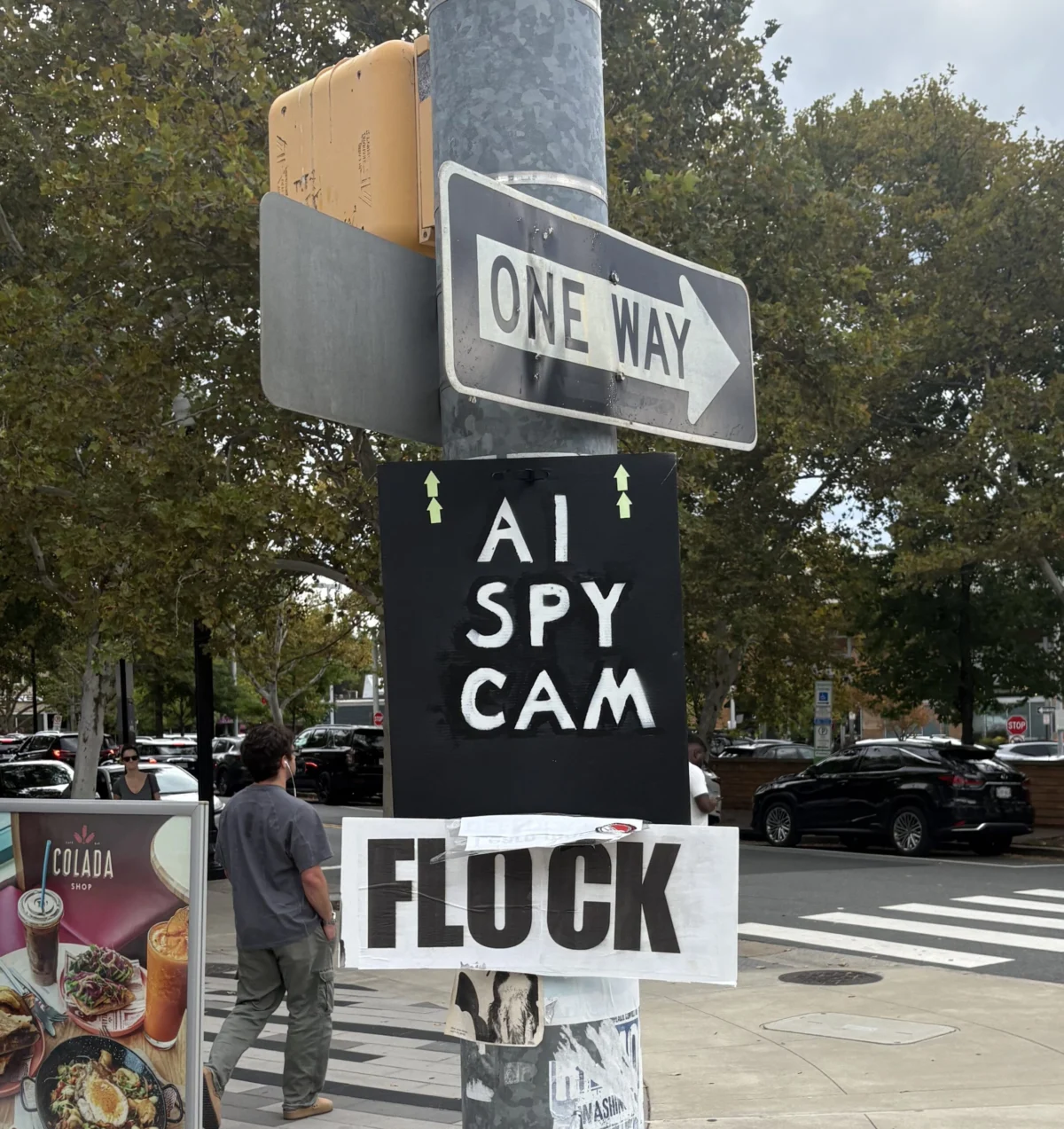
Flock Safety, a prominent provider of license plate recognition (LPR) technology to law enforcement and communities, has initiated a voluntary severance program for its employees, a move widely interpreted as a direct response to escalating public scrutiny and widespread allegations of misuse of its surveillance systems. The company, which boasts a workforce of approximately 1,500 individuals, reportedly expects a substantial portion of its staff to express interest in these "generous" buyout packages, according to a recent report by Wired. This internal restructuring effort comes at a critical juncture for Flock Safety, as it grapples with a burgeoning crisis of public trust, significant contract cancellations, and a palpable decline in internal morale.
The announcement on Friday signals a strategic pivot for the embattled firm, aiming to mitigate the fallout from a series of damning reports and growing calls for stricter oversight of its pervasive network of cameras. By offering voluntary departures, Flock Safety seeks to allow employees disheartened by the ongoing controversy to exit gracefully, while simultaneously averting the need for involuntary layoffs that company insiders suggested would be "almost certain" otherwise. The internal communication described these packages as the "most generous" ever extended by the company, underscoring the severity of the challenges it currently faces and the perceived urgency of this organizational adjustment.
The Rise of Flock Safety and the Promise of LPR Technology
Flock Safety emerged as a significant player in the public safety technology sector, specializing in artificial intelligence-powered camera systems designed to capture and analyze license plate data. The company’s core proposition revolved around enhancing community safety by providing law enforcement with tools to rapidly identify vehicles involved in crimes, recover stolen property, and aid in investigations. Its cameras, often installed in neighborhoods, business districts, and along arterial roads, create a vast network capable of tracking vehicle movements across jurisdictions. Proponents of LPR technology, including Flock Safety, often highlight its effectiveness in solving cold cases and deterring crime, citing instances where the technology has directly led to arrests and improved public safety metrics.
The rapid adoption of Flock Safety’s technology by thousands of cities, counties, and homeowner associations across the United States reflected a growing appetite among local authorities for advanced surveillance tools. The allure of a "virtual police officer" capable of round-the-clock monitoring and instant data retrieval proved compelling, particularly in an era of constrained police budgets and increasing public demand for crime reduction. The company’s business model typically involves subscription-based contracts with municipalities, which then gain access to Flock’s extensive network and data analytics platforms. This model facilitated rapid expansion, transforming Flock Safety from a startup into a dominant force in the LPR market within a relatively short period.
A Cascade of Misuse Allegations and Eroding Public Trust
The expansion, however, was not without its critics. Civil liberties advocates and privacy organizations have consistently raised concerns about the potential for abuse inherent in such powerful and widespread surveillance systems. Their warnings materialized into concrete allegations in August 2026, when a groundbreaking investigation by The Washington Post brought to light 46 documented instances where police officers allegedly misused Flock Safety’s technology. The report detailed alarming cases where officers reportedly leveraged the surveillance network for personal reasons, including stalking ex-spouses, tracking romantic partners, and monitoring individuals without legitimate law enforcement justification. These revelations sparked a national outcry, exposing the vulnerabilities in oversight and accountability mechanisms governing the use of advanced surveillance tools.
The nature of LPR data – capturing not just vehicle identification but also precise location and movement patterns over time – makes it a highly sensitive form of personal information. The ability to reconstruct an individual’s movements, identify their common associates, and infer their daily routines raises profound privacy implications. Critics argue that without stringent safeguards, robust auditing, and clear legal frameworks, such technology inevitably leads to "mission creep," where tools designed for serious crime fighting are repurposed for minor infractions or even personal vendettas, fundamentally eroding constitutional protections against unreasonable searches and seizures.
Widespread Contract Terminations and Regulatory Scrutiny
The Washington Post’s exposé acted as a catalyst, accelerating a pre-existing wave of skepticism and leading to an unprecedented wave of contract terminations. Immediately following the report, the states of Florida and Texas, two significant markets for surveillance technology, announced their intentions to cease using Flock Safety’s systems, citing privacy concerns and the documented instances of misuse. This decision by two of the nation’s largest states sent a clear signal of the growing regulatory and public resistance.
Beyond state-level actions, the impact resonated at the municipal level. An anti-surveillance advocacy group reported that a staggering 90 cities opted to terminate their contracts with Flock Safety in August alone. This figure represented a fourfold increase compared to the preceding month, indicating a dramatic shift in local government sentiment and a rapid erosion of confidence in the company’s technology and its oversight protocols. Cities cited a range of reasons for their decisions, including concerns over civil liberties, the potential for discriminatory targeting, the lack of transparency in data handling, and the reputational risks associated with deploying a controversial surveillance system. These cancellations not only represent a significant financial blow to Flock Safety but also a severe blow to its market credibility and future growth prospects.

Internal Morale and Strategic Responses
The external pressures have inevitably created significant internal challenges for Flock Safety. CEO Garrett Langley acknowledged the severe impact of the backlash on employee morale during a recent appearance on the "All-In" podcast, stating that the "biggest damage" caused by the controversy has been to "internal morale." This candid admission highlights the profound psychological toll that public condemnation and ethical debates can take on employees working for companies in sensitive sectors. Many employees, presumably drawn to Flock Safety by its stated mission of enhancing public safety, may now find themselves grappling with the ethical implications of their work and the negative public perception associated with their employer.
The voluntary severance program, therefore, serves multiple strategic purposes. Firstly, it provides an honorable exit for employees who are demoralized or have ethical qualms about the company’s direction or technology. This can prevent further internal dissent and potentially preserve the morale of those who choose to stay. Secondly, it allows Flock Safety to reduce its workforce and operational costs in response to declining revenues from contract cancellations without resorting to involuntary layoffs, which can be devastating for company culture and public image. By framing the packages as "generous," the company aims to facilitate a smoother transition, minimize legal liabilities, and perhaps retain some goodwill among departing staff members. This move also implicitly acknowledges the company’s recognition of the serious nature of the current crisis and its potential long-term implications for the business.
Broader Implications for the Surveillance Technology Industry
Flock Safety’s current predicament is not an isolated incident but rather a potent symbol of the broader challenges confronting the burgeoning surveillance technology industry. The rapid advancements in AI, data analytics, and sensor technology have created powerful tools with immense potential for both societal benefit and individual harm. Companies operating in this space, from facial recognition providers to predictive policing software developers, are increasingly facing intense scrutiny over ethical considerations, data privacy, and accountability.
The debate surrounding Flock Safety underscores the critical need for robust regulatory frameworks, independent oversight mechanisms, and transparent policies governing the acquisition, deployment, and use of surveillance technologies by government agencies. Without clear guidelines on data retention, access protocols, audit trails, and penalties for misuse, the risk of abuse remains high. Civil liberties organizations, academic researchers, and concerned citizens are increasingly advocating for moratoria on certain technologies, stricter data governance laws, and greater public participation in decisions regarding surveillance infrastructure. The outcome of Flock Safety’s current crisis could set a significant precedent for how other tech companies navigate the complex ethical and regulatory landscape of public sector surveillance.
Financial and Strategic Outlook for Flock Safety
The financial implications of the widespread contract terminations are undoubtedly severe for Flock Safety. Each lost contract represents a direct reduction in recurring revenue, impacting the company’s valuation, growth projections, and ability to attract future investment. While the "generous" severance packages indicate a degree of financial stability to manage these payouts, the long-term sustainability will depend on the company’s ability to stem the tide of cancellations, rebuild trust, and potentially adapt its offerings.
Strategically, Flock Safety faces the daunting task of rehabilitating its public image. This may involve implementing more rigorous internal auditing systems, enhancing transparency around data access and usage, advocating for clearer legislative guidelines, and possibly recalibrating its product development to address privacy concerns more proactively. The company might also explore diversifying its client base or refining its technology to focus on less controversial applications, though its core business remains deeply entrenched in public sector surveillance. Rebuilding trust with law enforcement agencies, community groups, and the general public will be a long and arduous process, requiring a sustained commitment to ethical practices and accountability.
The Future of Automated Surveillance and Public Trust
The ongoing saga of Flock Safety serves as a powerful reminder of the delicate balance between public safety and individual privacy in an increasingly technologically mediated world. As automated surveillance systems become more sophisticated and ubiquitous, the ethical imperative to ensure their responsible deployment grows proportionally. The public outcry and the subsequent actions by cities and states against Flock Safety reflect a growing societal demand for greater transparency, accountability, and respect for civil liberties in the digital age.
The future of companies like Flock Safety, and indeed the broader surveillance technology industry, will hinge on their ability to demonstrate a genuine commitment to these principles. This involves not only developing innovative tools but also actively participating in the creation of ethical guidelines, fostering public dialogue, and implementing robust safeguards against misuse. Ultimately, the success of any technology designed for public safety must be measured not just by its effectiveness in deterring crime, but also by its ability to maintain and enhance public trust, without compromising the fundamental rights and freedoms of citizens. The current crisis at Flock Safety underscores that this balance is not easily achieved and requires constant vigilance and adaptation from both technology providers and the societies they serve.