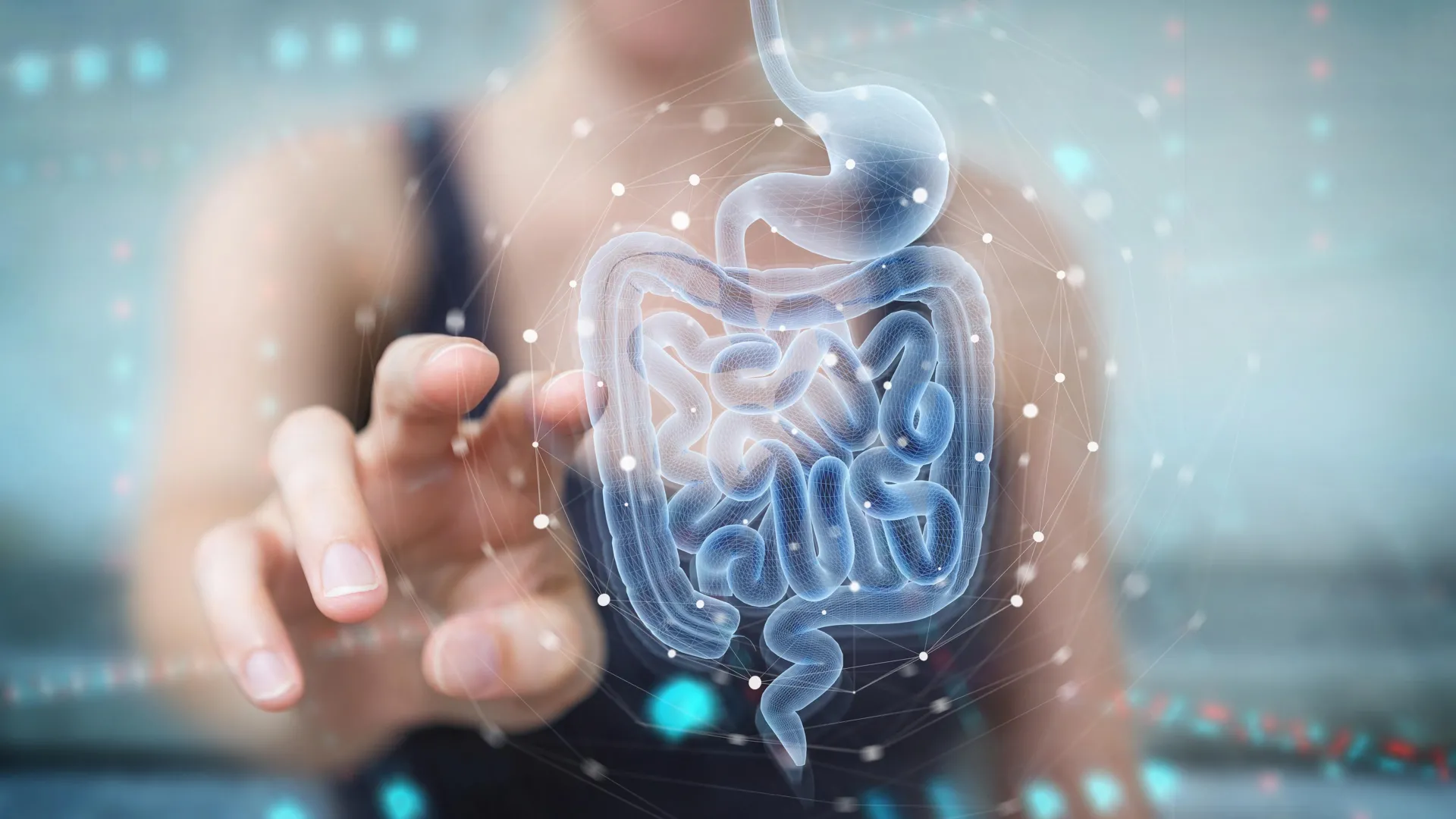
Researchers at the University of Louisville have identified a way that a naturally produced compound from gut microbes may help protect the intestine and potentially guide new treatment approaches for inflammatory bowel disease (IBD). This breakthrough, detailed in the journal Nature Communications, sheds light on the intricate interplay between our diet, the vast ecosystem of microbes residing in our gut, and the health of our intestinal barrier.
Understanding Inflammatory Bowel Disease
Inflammatory bowel disease (IBD) is a group of chronic inflammatory conditions affecting the digestive tract, with Crohn’s disease and ulcerative colitis being the most prevalent forms. These debilitating conditions affect millions globally, characterized by persistent inflammation and damage to the intestinal lining. The gut barrier, a critical interface between the body and its environment, normally performs a dual function: allowing essential nutrients to be absorbed while simultaneously preventing harmful pathogens and toxins from entering the bloodstream. In individuals with IBD, this crucial protective barrier is compromised, leading to a cascade of symptoms including severe pain, digestive distress, and the potential for serious long-term health complications. The economic burden of IBD is substantial, with treatment costs running into billions of dollars annually worldwide, underscoring the urgent need for more effective and targeted therapies.
The Discovery of Urolithin A’s Protective Mechanism
The groundbreaking research was spearheaded by Venkatakrishna Rao Jala, an associate professor in the Department of Microbiology and Immunology and at UofL’s Brown Cancer Center. His team focused their investigation on urolithin A (UroA), a naturally occurring microbial metabolite. UroA is generated by specific gut bacteria through the metabolic breakdown of compounds found in common dietary sources such as pomegranates, walnuts, and various berries. These foods, often lauded for their antioxidant properties, now appear to hold a deeper secret to intestinal well-being through their microbial transformation.
The University of Louisville team’s pivotal finding is that UroA actively stimulates a protective pathway within the intestine, which may be instrumental in maintaining gut integrity and health. This discovery hinges on the intricate role of the aryl hydrocarbon receptor (AHR), a protein that functions as a cellular sensor. AHR is known to respond to a diverse range of signals originating from the environment, our diet, and crucially, the gut microbiota.
For years, the scientific community has recognized AHR’s dual nature. While it has been implicated in detrimental effects when activated by certain environmental toxins, earlier studies also hinted at its beneficial potential when engaged by dietary compounds that support intestinal health. However, the precise mechanisms underlying these divergent outcomes remained largely elusive until this recent research.
Unraveling the AHR Pathway: Location and Activation Strength Matter
The new findings from the University of Louisville team provide a critical clarification: the effect of AHR activation is not uniform but depends significantly on both the specific location within the intestine where it occurs and the intensity of its activation. This nuanced understanding is key to appreciating how a single receptor can mediate such different biological responses.
Transforming Inflammation into Protection
The research team discovered that UroA exhibits a remarkable selectivity, activating AHR specifically within intestinal epithelial cells. These specialized cells are the building blocks of the gut lining and are directly responsible for its protective functions. When AHR is activated in these particular cells by UroA, it initiates a sophisticated cellular defense mechanism known as the NLRP6 inflammasome.
Inflammasomes are a family of protein complexes typically associated with triggering inflammatory responses, often contributing to disease processes. However, in a significant departure from this conventional view, the researchers found that under specific conditions, this same system can be harnessed for protective purposes.
The study revealed that when UroA activates the NLRP6 inflammasome in intestinal epithelial cells, it orchestrates the release of precisely regulated levels of molecules vital for normal intestinal function. Instead of exacerbating inflammation, these molecules actively contribute to repairing damage to the gut lining, reinforcing the integrity of the intestinal barrier, promoting the production of protective mucus layers, and bolstering the body’s natural antimicrobial defenses. This delicate balancing act prevents the escalation of inflammation and promotes healing.
This research marks a significant milestone, being the first to demonstrate how a naturally derived compound, synthesized by our gut microbes, can synergistically engage with the body’s intrinsic response systems. This interaction plays a crucial role in modulating complex molecular and cellular processes during periods of intestinal injury, thereby preserving gut health and mitigating tissue damage.
"The findings show that not all inflammatory pathways are harmful," stated Sweta Ghosh, who was a postdoctoral researcher in Dr. Jala’s laboratory and served as the lead investigator on the study. "Under the right conditions and in the right cells, these pathways can play an essential role in maintaining gut health and supporting tissue repair." This statement underscores a paradigm shift in understanding inflammation, moving beyond a purely detrimental view to recognizing its potential for constructive roles.
A More Precise Approach to IBD Therapy
The validity and efficacy of this protective mechanism were rigorously tested by the University of Louisville team through a series of comprehensive experimental approaches. These included detailed cell-based studies, advanced organoid models that mimic the structure and function of human intestines, and, critically, analysis of intestinal tissue samples obtained from patients diagnosed with IBD. In a crucial validation step, UroA was observed to activate the same protective pathway in these human IBD tissue samples as was seen in the experimental models, lending significant weight to its therapeutic potential.
These findings hold profound implications for the future of treating IBD and a range of other gastrointestinal disorders. The research suggests a potential move away from broad immunosuppressive therapies, which can have significant side effects, towards more targeted interventions. Such novel treatments could aim to specifically modulate these identified protective pathways within select cell types, offering a more precise and potentially safer therapeutic strategy.
"This study helps us better understand how natural compounds produced through interactions between diet, gut microbes and the body can influence disease processes," explained Dr. Jala. "By identifying this specific protective pathway, we may be able to develop more targeted therapeutic approaches that restore intestinal balance instead of broadly suppressing immune responses." This vision for future therapies emphasizes a holistic approach, leveraging the body’s own mechanisms for healing and restoration.
Dr. Jala’s previous research had already established some of the beneficial effects of UroA in the gut. This new work builds directly upon those earlier discoveries, providing a significantly more detailed molecular explanation of how UroA interacts with the immune system to foster intestinal health. The progression of this research from initial observation to detailed mechanistic understanding highlights the power of sustained scientific inquiry.
Broader Implications and Future Directions
The discovery of UroA’s ability to selectively activate protective pathways in the gut has far-reaching implications beyond IBD. Conditions such as irritable bowel syndrome (IBS), celiac disease, and even certain types of colon cancer, which involve disruptions in gut barrier function and chronic inflammation, could potentially benefit from therapies informed by this research. The ability to harness the body’s own defense systems offers a promising avenue for developing treatments with fewer off-target effects.
Furthermore, this research underscores the critical importance of the gut microbiome in overall health. As our understanding of the complex relationships between diet, microbes, and host physiology deepens, personalized nutrition and therapeutic interventions targeting the microbiome are likely to become increasingly significant. The findings encourage further exploration of other microbial metabolites and their potential health benefits.
The timeline for translating these findings into clinical treatments will depend on several factors, including further preclinical studies, rigorous clinical trials, and regulatory approvals. However, the identification of a specific, targetable pathway represents a significant step forward in the long journey of developing more effective therapies for chronic gastrointestinal diseases. The University of Louisville’s contribution to this field is a testament to the ongoing innovation in biomedical research aimed at improving human health.