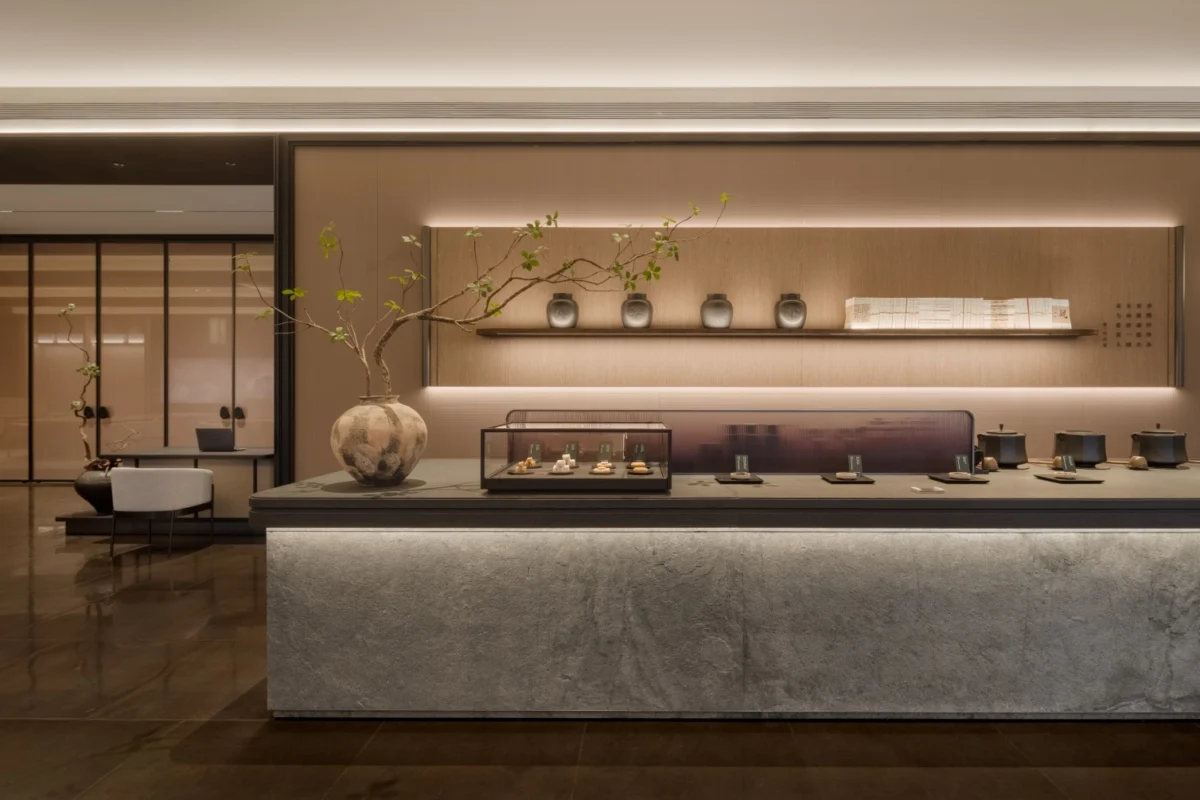
H World Group, a titan in the global hospitality sector, is signaling a strategic shift in the premium hotel market through the expansion of its newest brand, Grand Ji Hotel. This move represents more than just a portfolio addition; it is an ambitious attempt to codify a modern Chinese hospitality philosophy that prioritizes privacy, sensory experience, and "quiet luxury" over traditional Western-centric opulence. By leveraging a massive technological backbone and a sophisticated supply chain, H World Group aims to scale a brand that feels artisanal and culturally grounded while maintaining the operational efficiency of a global conglomerate.
The Strategic Evolution of H World Group
Founded in 2005 as Huazhu Group, H World Group has rapidly ascended the ranks of the global lodging industry. As of mid-2026, the company operates over 13,000 hotels across more than 1,000 cities, managing a diverse portfolio that includes the budget-friendly Hanting, the midscale JI Hotel, and the upscale Steigenberger Hotels & Resorts. The launch of Grand Ji Hotel marks a critical pivot toward the premium segment, specifically targeting a demographic that H World’s creative director, Kuang Ming (Ray) Chou, describes as seeking "better" rather than "more."
The company’s expansion into the premium tier comes at a time when the Chinese hospitality market is maturing. Travelers are increasingly moving away from standardized international luxury models in favor of experiences that reflect local identity and offer psychological respite. As of June 30, H World reported two Grand Ji properties in operation, totaling 441 rooms, with 18 additional properties currently in the development pipeline. This growth is mirrored by the company’s broader success in the upper-midscale sector, where it saw a 13% year-over-year increase in properties during the second quarter of 2026.
A Philosophy of Restraint: The Five Pillars of Grand Ji
At the heart of the Grand Ji brand is a design ethos that moves away from superficial cultural symbols. Instead, the brand anchors its guest experience in five natural elements: water, clouds, tea, pine, and stone. According to Chou, these elements are not merely decorative but are intended to dictate the rhythm and flow of the guest’s stay.
- Water: Represents adaptability and softness, influencing the layout of transitional spaces.
- Clouds: Evokes a sense of lightness and elevation, reflected in the color palettes and lighting design.
- Tea: Served as a primary welcome ritual, it transitions the guest from the chaos of travel to the calm of the hotel.
- Pine: Symbolizes resilience and welcome, often featured as a central visual focus in entryways.
- Stone: Provides a sense of grounding and permanence through the use of textured materials.
This "Chinese way of understanding nature" is integrated into the architecture itself. For example, the check-in process is designed to be understated. Rather than a towering marble desk, guests are greeted by a long tea table. This ritualistic approach serves a dual purpose: it offers domestic travelers a familiar sense of home and provides international visitors with an immediate, immersive introduction to Chinese hospitality traditions.
Spatial Design and the New Definition of Privacy
A significant driver behind Grand Ji’s design is the evolving concept of personal space in urban China. Chou notes that modern travelers are increasingly sensitive to "interpersonal distance," particularly in high-density environments. To address this, Grand Ji avoids the sprawling, open-concept lobbies common in many luxury hotels. Instead, the brand utilizes light partitions and "negative space" to create micro-environments within public areas.
In the lobby, breakfast rooms, and fitness centers, these partitions allow guests to remain in shared spaces while maintaining a sense of individual privacy. This design logic extends to the very entrance of the hotel. Most Grand Ji properties feature a low exterior wall that shields the lobby from the street view. Guests must walk along a corridor—often lined with bricks made from compressed tea leaves—to enter the building. This physical transition is designed to lower the guest’s heart rate and introduce a specific olfactory signature before they even reach the front desk.
The Role of "Invisible" Technology
While Grand Ji emphasizes ancient cultural values, the brand is underpinned by H World’s industry-leading technology. The company has long been a pioneer in hotel digitalization, utilizing a proprietary "digital nervous system" to manage everything from bookings to energy consumption. However, in the Grand Ji model, technology is intended to be "invisible."

Guests utilize a seamless digital ecosystem for room access and climate control, often powered by voice commands or mobile interfaces. The use of delivery robots is another hallmark of the H World operating model. In the context of Grand Ji, these robots are not seen as a novelty but as a tool for privacy. By having a robot deliver water or amenities, the hotel eliminates the need for staff-guest interaction during moments when the guest may prefer solitude.
This technological integration also extends to the construction phase. H World utilizes a "one brand, one design" philosophy supported by modular manufacturing. Key components of the hotel rooms and public spaces are manufactured in off-site factories and assembled on-site. This ensures that the aesthetic quality remains consistent whether a hotel is located in the northern climate of Harbin or the tropical environment of Sanya.
Chronology of H World Group’s Premium Expansion
To understand the positioning of Grand Ji, it is necessary to look at the timeline of H World’s growth and its strategic acquisitions:
- 2005: Founding of China Lodge (later Huazhu Group) with a focus on economy hotels.
- 2010: Listing on the NASDAQ, providing the capital for rapid domestic expansion.
- 2012: Strategic partnership with Accor, giving Huazhu the rights to develop brands like Mercure and Ibis in China.
- 2019: Acquisition of Deutsche Hospitality for approximately €700 million, bringing the Steigenberger brand into the fold and signaling a move into the high-end market.
- 2022-2023: Development of the Grand Ji concept as a domestic premium brand to bridge the gap between midscale JI Hotels and international luxury brands.
- 2024-2026: Rollout of the first Grand Ji properties and the establishment of a robust pipeline in Tier 1 and Tier 2 Chinese cities.
Market Implications and Competitive Analysis
The emergence of Grand Ji Hotel poses a significant challenge to established international hotel groups like Marriott, Hilton, and IHG, which have historically dominated the premium and luxury sectors in China. Market analysts suggest that H World’s advantage lies in its deep understanding of the local consumer and its vertically integrated supply chain.
By 2026, H World’s brands JI Hotel and Hanting have already secured top positions globally in terms of room count. The company’s ability to scale is unprecedented; however, the premium segment requires a higher degree of "soul" and brand storytelling than the economy or midscale sectors. Grand Ji is H World’s answer to this challenge.
The "Chinese Renaissance" that Chou describes is a broader cultural trend in which Chinese consumers are rediscovering a sense of pride in domestic craftsmanship and aesthetics. For H World, this translates into a business model that does not need to export Western luxury tropes to be successful. Instead, they are defining premium hospitality through the lens of restorative rest, sensory detail, and cultural continuity.
Broader Impact on the Global Hospitality Industry
The success of Grand Ji could serve as a blueprint for other regional hotel groups looking to challenge global incumbents. If H World can prove that a culturally specific design philosophy can be scaled using modular technology and AI-driven operations, it may shift the focus of the entire industry toward "localized scale."
Furthermore, Grand Ji’s emphasis on "quietness" and "negative space" addresses a growing global demand for wellness-oriented travel. As urban environments become louder and more information-saturated, the hotel-as-sanctuary model becomes a powerful commodity.
In the words of Kuang Ming Chou, "A hotel is a small version of a culture." As Grand Ji Hotel continues its rollout, it will serve as a high-stakes experiment in whether that culture can be successfully mass-produced without losing the very "calm" and "authenticity" that define its appeal. For H World Group, the goal is clear: to move beyond being a provider of rooms and to become a curator of a modern, premium Chinese lifestyle.