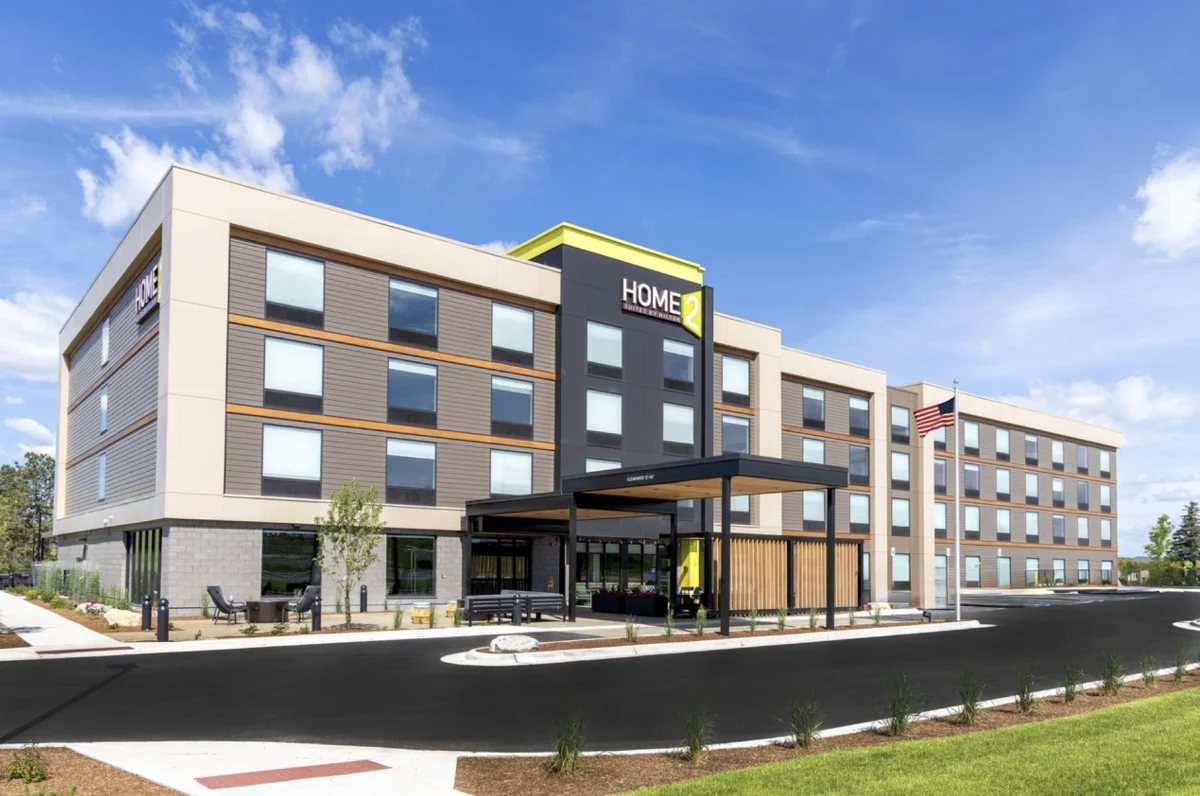
Hilton has officially unveiled a comprehensive brand blueprint designed to allow its hotels to operate entirely on renewable energy, a strategic move that the hospitality giant asserts could reduce energy expenditures for property owners by 18% to 40% while simultaneously boosting annual operational efficiency by approximately 30%. This initiative represents a significant pivot in the global hospitality sector, moving from abstract sustainability targets to a concrete, scalable architectural and operational framework. The cornerstone of this announcement is the Home2 Suites clean-energy prototype, a technical model developed through rigorous data analysis across 13 diverse U.S. markets. By focusing on Home2 Suites—currently the fastest-growing brand within Hilton’s portfolio and a leader in the broader midscale extended-stay segment—the company aims to create a standardized pathway for carbon-neutral development that is both environmentally responsible and economically superior for franchisees.
The Strategic Shift to Carbon-Neutral Hospitality
The hospitality industry has historically faced significant challenges in reducing its carbon footprint due to the high energy intensity of hotel operations, which require 24/7 climate control, laundry services, and food and beverage operations. Hilton’s new blueprint addresses these challenges by moving away from fossil-fuel-dependent systems toward an all-electric infrastructure. The prototype is designed to be paired with 100% renewable energy sources, utilizing a hybrid approach to procurement.
Under this model, energy is generated on-site wherever feasible. This includes the installation of solar photovoltaic (PV) arrays on rooftops and the utilization of parking lot canopies equipped with solar panels. For properties where on-site generation cannot meet the total demand due to space constraints or geographic limitations, the blueprint specifies the procurement of off-site renewable energy. This is primarily facilitated through the purchase of high-quality Green Renewable Energy Certificates (RECs), ensuring that every kilowatt-hour consumed by the hotel is matched by renewable production elsewhere on the grid.
The decision to focus on the Home2 Suites brand is a tactical one. With hundreds of properties in the pipeline and a design that emphasizes efficiency and modern utility, Home2 Suites serves as the ideal laboratory for scaling sustainable innovations. Hilton leadership has noted that because Home2 Suites is expanding at an unprecedented rate, the implementation of this prototype offers a critical opportunity to influence the environmental trajectory of the entire industry.
Technical Architecture and Efficiency Gains
The 30% increase in efficiency touted by Hilton is not the result of a single technology but rather an integrated suite of mechanical and digital systems. The blueprint replaces traditional gas-fired boilers and furnaces with advanced electric heat pump technology for both space heating and domestic hot water. Heat pumps are significantly more efficient than traditional systems because they transfer heat rather than generating it through combustion.
In addition to the electrification of HVAC and water systems, the prototype incorporates:
- Smart Building Management Systems (BMS): These systems use IoT sensors to adjust lighting and climate control based on real-estate occupancy, ensuring that energy is not wasted on empty guest rooms or common areas.
- High-Performance Building Envelopes: Enhanced insulation and high-efficiency glazing reduce thermal leakage, maintaining stable internal temperatures with less mechanical intervention.
- LED Lighting and Low-Flow Fixtures: While standard in many modern builds, these are optimized within the blueprint to minimize the base electrical load, making the transition to 100% renewable energy more cost-effective.
The reduction in energy bills, estimated between 18% and 40%, stems from several factors. Electric systems often have lower maintenance costs over their lifecycle compared to gas-burning equipment. Furthermore, by generating a portion of their own power and reducing peak demand through smart management, hotels can avoid the most expensive utility tranches.
A Geographic Stress Test: The 13-City Modeling Strategy
To ensure the viability of the all-electric prototype across different climates and regulatory environments, Hilton conducted extensive modeling in 13 U.S. cities. These locations were selected to represent a wide spectrum of geographical conditions, grid structures, and local fuel mixes. The study included cities with extreme temperature variances, such as Minneapolis and Phoenix, as well as coastal markets like Seattle and Miami.
The modeling accounted for:
- Grid Carbon Intensity: How "clean" or "dirty" the local power grid is, which affects the impact of electrification.
- Utility Rate Structures: The cost of electricity versus natural gas in different jurisdictions.
- Climate Demands: The balance between heating-dominated climates in the North and cooling-dominated climates in the South.
- Incentive Landscapes: Local and state-level subsidies for renewable energy and energy-efficient construction.
By proving the model works in these 13 distinct environments, Hilton provides franchisees with a de-risked roadmap. This data-driven approach is intended to overcome the "split incentive" problem in the hotel industry, where owners are often hesitant to invest in expensive green upgrades because the long-term savings on utility bills are perceived as uncertain.
Chronology of Hilton’s Sustainability Evolution
The release of the Home2 Suites clean-energy prototype is the latest milestone in a decade-long journey toward sustainable operations. Hilton has long been a proponent of ESG (Environmental, Social, and Governance) reporting, but the recent focus has shifted toward aggressive decarbonization.
- 2008: Hilton launches LightStay, a proprietary corporate responsibility performance measurement platform to track energy, carbon, water, and waste across all global properties.
- 2018: The company announces its "Travel with Purpose" 2030 Goals, which included a commitment to cutting its environmental footprint in half.
- 2022: Hilton updates its targets, committing to more ambitious science-based targets (SBTi) to reduce Scope 1 and 2 emissions by 75% and Scope 3 emissions by 56% by 2030.
- 2023: Pilot programs for all-electric kitchens and solar-integrated properties begin appearing in select international markets.
- 2024: The Home2 Suites clean-energy blueprint is officially released as a recommended standard for new developments in the United States.
This timeline illustrates a clear progression from mere tracking and reporting to the active engineering of the built environment.
The Franchisee Perspective and the Win-Win-Win Solution
For Hilton, the success of this blueprint depends entirely on adoption by independent hotel owners and developers. Hilton operates primarily through a franchise model, meaning the company does not own the majority of the buildings that carry its name. Therefore, any sustainability initiative must be grounded in a strong "business case."
The "win-win-win" solution referred to by Hilton leadership highlights the three primary beneficiaries of the prototype:
- The Planet: Significant reduction in carbon emissions and a shift away from fossil fuel infrastructure.
- The Owner: Lower operational costs, increased property value, and future-proofing against carbon taxes or stricter building codes.
- The Guest: A growing demographic of travelers actively seeks out eco-friendly accommodations. According to industry surveys, a significant majority of travelers now consider sustainability a factor when booking.
By providing a pre-engineered blueprint, Hilton reduces the soft costs for developers. They no longer need to hire specialized consultants to design a net-zero-ready hotel; the technical specifications are already provided by the brand. This lowers the barrier to entry for "green" construction.
Broader Implications for the Global Hospitality Sector
Hilton’s move is likely to trigger a competitive response from other major players such as Marriott International, IHG Hotels & Resorts, and Hyatt. While many of these companies have pledged to reach net-zero emissions by 2050, Hilton is among the first to provide a specific, brand-wide architectural prototype to achieve it in the midscale sector.
The implications extend beyond the hotels themselves. As more properties move toward all-electric models, they will place new demands on the electrical grid. However, because hotels are often large structures with significant roof space and predictable energy loads, they can act as "grid citizens," providing demand-response capabilities that help stabilize the grid during peak hours.
Furthermore, the focus on all-electric buildings aligns with a growing legislative trend. In states like California and cities like New York (under Local Law 97), strict limits on building emissions are becoming the law of the land. Hilton’s blueprint ensures that new Home2 Suites properties will be compliant with these regulations from day one, avoiding the need for costly retrofits in the future.
Regulatory Tailwinds and the Future of Green Lodging
The release of this blueprint coincides with a period of significant regulatory and financial incentives for renewable energy in the United States. The Inflation Reduction Act (IRA) provides substantial tax credits for solar installations, heat pump adoption, and energy-efficient building systems. Hilton’s prototype is specifically designed to maximize these incentives, further shortening the payback period for franchisees who choose the clean-energy path.
As the hospitality industry continues to recover from the disruptions of the early 2020s, the focus has shifted toward long-term resilience. Energy price volatility, particularly in the natural gas market, has highlighted the risks of fossil fuel dependency. By tethering hotel operations to renewable electricity—the costs of which continue to fall—Hilton is offering its partners a hedge against future energy shocks.
The Home2 Suites prototype is not merely a "green" option; it is a fundamental reimagining of what a modern hotel should be. If successful, this blueprint will serve as the foundation for the next generation of Hilton properties, proving that the transition to a low-carbon economy can be driven by the bottom line as much as by environmental stewardship. The hospitality industry is at a crossroads, and with this initiative, Hilton is betting that the future of travel is not just electric, but also highly efficient and carbon-neutral.