A groundbreaking clinical trial has revealed that a very low-carbohydrate, high-fat ketogenic diet may offer more robust metabolic advantages for individuals with obesity and prediabetes compared to both a Mediterranean diet and a conventional low-fat diet. The findings, published on August 27 in the prestigious journal Cell Metabolism, indicate that after a four to five-month intervention, approximately half of the participants adhering to a ketogenic diet no longer met the diagnostic criteria for prediabetes. This suggests that the dietary composition, beyond mere weight loss, plays a crucial role in improving metabolic health.
Key Findings Emerge from Comprehensive Trial
The study, led by researchers at Washington University School of Medicine in St. Louis, Missouri, directly compared the efficacy of three popular dietary approaches in individuals struggling with obesity, prediabetes, and fatty liver disease. While the general understanding is that weight loss can positively impact metabolic markers, this research delves deeper, exploring whether specific macronutrient profiles offer unique therapeutic benefits.
"We know weight loss can improve metabolic health in people who are obese," stated Samuel Klein, the study’s corresponding author. "Our data suggest that if you have high liver fat content and prediabetes, reducing carbohydrate intake can have important therapeutic effects on metabolism beyond just weight loss alone." This assertion highlights a significant advancement in understanding the nuanced relationship between diet, weight, and metabolic dysfunction.
The Landscape of Weight Loss Diets: A Comparative Overview
Obesity remains a significant public health challenge in the United States, with an estimated 40% of adults affected. Medical professionals commonly recommend various dietary strategies, including low-fat, low-carbohydrate, and Mediterranean diets, to promote weight reduction. However, until this trial, definitive evidence comparing the specific metabolic advantages of these approaches, independent of the weight loss achieved, was limited.
The diets under scrutiny differ substantially in their macronutrient distribution. The ketogenic diet, often referred to as the "Keto" diet, is characterized by a severe restriction of carbohydrates, typically below 50 grams per day, with a high intake of fats. In stark contrast, a low-fat diet can derive up to 70% of its caloric intake from carbohydrates, with fat intake significantly curtailed. The Mediterranean diet, on the other hand, is lauded for its emphasis on plant-based foods such as fruits, vegetables, whole grains, legumes, nuts, and seeds, complemented by olive oil as the primary fat source, and moderate consumption of fish and dairy. While the ketogenic diet can be rich in saturated fats, including those from animal products, the Mediterranean and low-fat diets tend to favor unsaturated fats and limit saturated fat intake.
Rigorous Methodology: A Clinical Trial Design
To rigorously assess the comparative benefits, Klein and his team recruited 42 participants who were diagnosed with obesity, prediabetes, and fatty liver disease. Participants were randomly assigned to one of three dietary groups: ketogenic, Mediterranean, or a low-fat, plant-forward diet. A critical aspect of the study’s design was the provision of all meals by the research team. This controlled feeding approach ensured strict adherence to the assigned dietary plans and minimized confounding factors related to food choices and preparation. Furthermore, weekly consultations with a registered dietitian provided ongoing support and guidance to each participant, reinforcing the prescribed eating patterns.
Standardizing Weight Loss for Fair Comparison
A key element in ensuring the validity of the comparative findings was the standardization of weight loss across all three groups. The research team carefully adjusted the calorie intake for each individual participant to achieve a target weight loss of approximately 10% of their initial body weight. This objective was met over a period of roughly four to five months, establishing a common ground for evaluating the metabolic outcomes.
Upon completion of the intervention, all participants, regardless of their assigned diet, demonstrated significant reductions in overall body fat. Additionally, insulin sensitivity, a crucial indicator of the body’s ability to regulate blood sugar levels effectively, showed improvement across all three dietary groups. This suggests that any of these dietary patterns, when resulting in weight loss, can contribute to better glucose control. However, the extent and nature of these improvements varied, pointing to the differential impact of the dietary composition.
Ketogenic Diet Leads in Liver Fat Reduction and Metabolic Markers
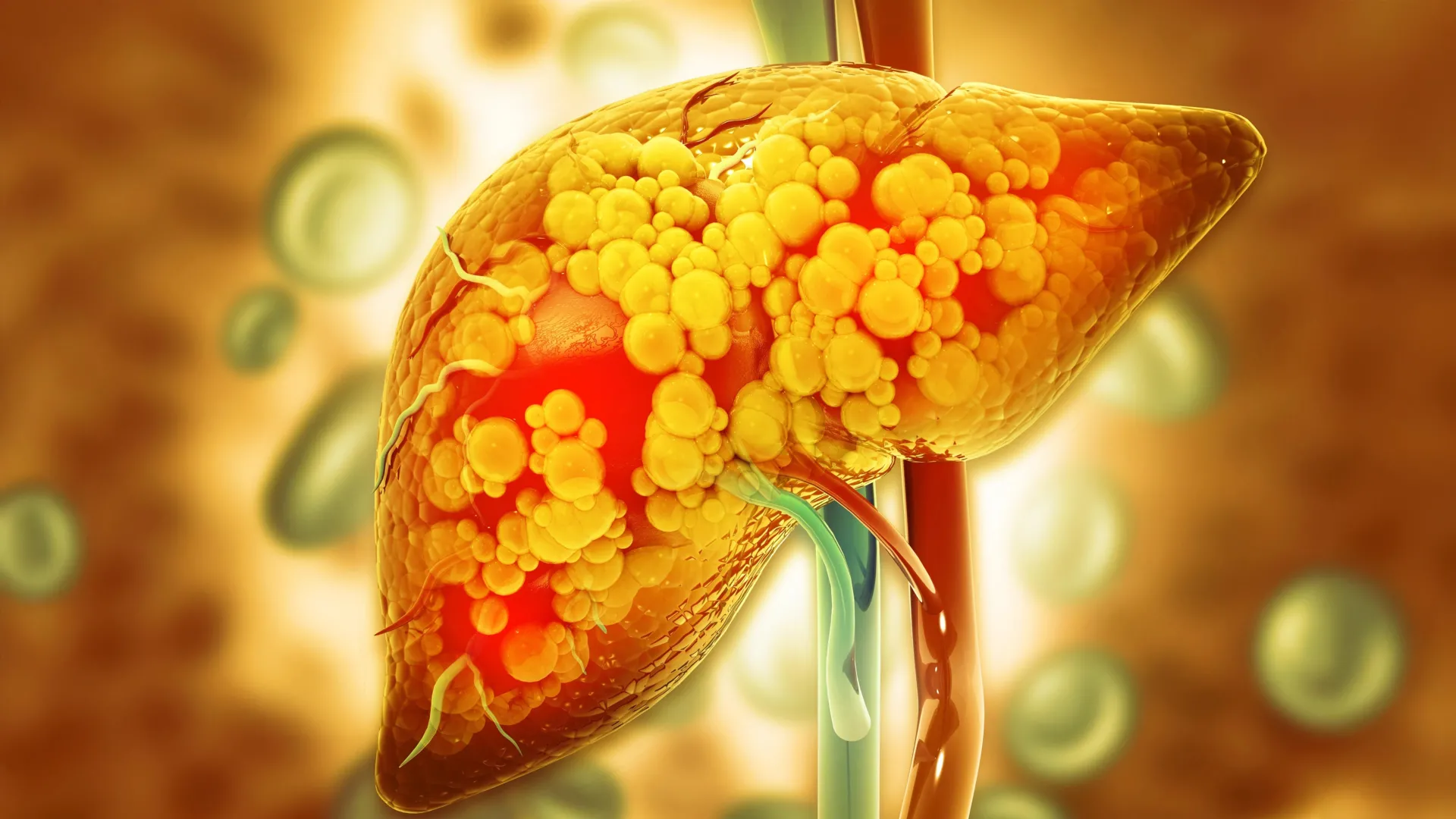
Despite achieving comparable levels of weight loss, the ketogenic diet emerged as the clear frontrunner in eliciting the most substantial improvements in several key measures of liver and metabolic health. Participants following the ketogenic regimen experienced an average reduction of 67% in liver fat content. This was significantly higher than the average reductions observed in the Mediterranean and the plant-forward low-fat groups, which both reported an average decrease of 45%.
The researchers employed a detailed metabolic assessment by analyzing participants’ blood composition over a 24-hour period. This in-depth analysis revealed distinct hormonal and metabolic shifts. Individuals in the ketogenic group exhibited the most pronounced increase in glucagon, a hormone known to play a role in mobilizing stored fat from the liver. Concurrently, they displayed the greatest decline in blood insulin levels. This reduction in insulin, particularly in the context of a low-carbohydrate diet, is a well-established mechanism for decreasing hepatic fat accumulation.
"The most surprising finding was that participants in the ketogenic diet group didn’t experience an increase in blood fat or cholesterol levels despite consuming the most fat," remarked Max Petersen, the study’s first author, also from Washington University School of Medicine. This observation challenges a common misconception that high fat intake invariably leads to adverse lipid profiles and underscores the metabolic adaptability of the body when carbohydrate intake is drastically reduced.
Prediabetes Reversal: A Significant Advantage for the Keto Group
Perhaps one of the most compelling outcomes of the trial was the impact on prediabetes. After the four to five-month intervention period, a remarkable 50% of participants who adhered to the ketogenic diet no longer met the diagnostic criteria for prediabetes. This contrasts sharply with the Mediterranean diet group, where 29% of participants showed improvement, and the plant-forward low-fat group, where only 7% achieved remission from prediabetes.
The implications of these findings are profound. Prediabetes is a precursor to type 2 diabetes, a chronic condition associated with numerous health complications, including cardiovascular disease, kidney damage, and nerve damage. The ability of the ketogenic diet to facilitate such a high rate of prediabetes reversal, beyond what was observed with other diets, suggests its potential as a powerful therapeutic tool for preventing or delaying the onset of type 2 diabetes.
Broader Implications and Expert Commentary
The study’s findings have significant implications for the clinical management of obesity and metabolic disorders. While pharmacotherapies have made strides in managing obesity, as noted by Petersen, the influence of dietary composition remains paramount. "GLP-1-based medications have revolutionized the therapy of obesity. We now have a very effective pharmacotherapy for achieving significant weight loss," Petersen commented. "But in addition, our study shows that the specific composition of the diet can give you added benefits."
This research not only adds to the growing body of evidence supporting the ketogenic diet’s metabolic benefits but also provides a direct, controlled comparison against other popular dietary approaches. The ability of the ketogenic diet to significantly reduce liver fat and improve prediabetes status, even when weight loss is matched, suggests a distinct physiological response mediated by carbohydrate restriction.
The study was supported by grants from the National Institutes of Health and the Foundation for Barnes-Jewish Hospital, underscoring the scientific and medical community’s interest in advancing the understanding of dietary interventions for chronic diseases.
Future Directions and Considerations
While the results are promising, further research is warranted to explore the long-term sustainability and potential side effects of ketogenic diets in larger and more diverse populations. Understanding the specific molecular mechanisms that drive these observed metabolic improvements, particularly the impact on liver fat and insulin sensitivity, will be crucial for optimizing therapeutic strategies.
The findings also raise important questions about the optimal dietary approach for different individuals, considering factors such as genetic predispositions, lifestyle, and personal preferences. The significant improvement in metabolic health observed with the ketogenic diet in this trial provides a strong rationale for its consideration in clinical settings, particularly for individuals with obesity, prediabetes, and fatty liver disease, under the guidance of healthcare professionals. The study’s meticulous design and clear results offer a valuable contribution to the ongoing dialogue surrounding effective weight management and metabolic disease prevention.