

In a significant career move following her recent departure from the esteemed newsmagazine 60 Minutes, journalist Madeleine Carlisle has been appointed as a staff writer at The Atlantic. The announcement was made by The Atlantic‘s editor in chief, Jeffrey Goldberg, on Friday, marking a return to the publication for Carlisle, who previously served as a fellow there during the 2018-2019 academic year. This transition occurs at a critical juncture for CBS News, the parent organization of 60 Minutes, which has been experiencing considerable internal flux and facing accusations of editorial interference under new ownership.
Goldberg expressed enthusiasm for Carlisle’s homecoming, stating, "A bunch of us sensed that, sooner or later, she would be coming back to us." He lauded her prior contributions as a fellow on The Atlantic‘s Politics team, highlighting her impactful reporting on a Florida woman whose nephew was a victim of the Parkland shooting, and her insightful coverage of President Trump’s unfulfilled promises to GM workers in Ohio. "We’ve been so happy to watch her become an outstanding journalist, and we’re thrilled that she’s rejoining The Atlantic," Goldberg added.
Carlisle’s journalistic trajectory has been marked by a series of high-profile roles. Prior to her tenure at 60 Minutes, she honed her skills as a reporter at Time magazine, where her portfolio included in-depth coverage of politics, gender issues, and legal matters. Her move to 60 Minutes in 2022 was seen as a significant step in her career, aligning her with one of broadcast journalism’s most venerable institutions. She remained with the program until earlier this month, with her exit, reported by the newsletter Status on August 4th, being framed as part of a broader wave of departures from the newsmagazine. The Status report suggested a pattern of significant talent leaving 60 Minutes, potentially indicative of underlying challenges within the organization.
During her time at the CBS program, Carlisle was an integral member of a team that earned an Emmy nomination. Her work involved collaborating with veteran correspondents such as Scott Pelley, Anderson Cooper, and Cecilia Vega on their respective investigative pieces. This experience provided her with invaluable exposure to high-stakes broadcast journalism and the intricate process of producing compelling narrative content for a primetime audience.
Context of Turbulence at CBS News
Carlisle’s departure from 60 Minutes is inextricably linked to a period of pronounced instability and controversy engulfing CBS News. The organization has been grappling with significant shifts following its acquisition by David Ellison’s Paramount Skydance. These changes have been accompanied by serious allegations from outgoing staffers concerning the erosion of editorial independence.
A pivotal moment in this unfolding narrative was Ellison’s appointment of Bari Weiss, founder of The Free Press, as the editor in chief of CBS News. This decision was met with considerable skepticism and concern within journalistic circles, particularly given Weiss’s outspoken editorial stances and a perceived political leaning that many felt was at odds with the traditional impartiality expected of a major news network.
The aftermath of this leadership change has seen a notable exodus of seasoned journalists and producers. Among those who have departed are former 60 Minutes executive producer Bill Owens and prominent correspondents Scott Pelley and Cecilia Vega. These individuals have publicly voiced grave concerns about the new leadership’s alleged interference with their editorial decision-making processes and their ability to pursue stories without undue influence. Their accusations point to a potential shift in the editorial philosophy and operational practices at CBS News, raising questions about the future of investigative journalism within the network.
Broader Implications for Broadcast Journalism
The events at CBS News, including Carlisle’s departure, signal a potential broader trend impacting the landscape of broadcast journalism. The increasing consolidation of media ownership and the integration of diverse business interests can create complex dynamics that may challenge traditional journalistic norms. For an organization like CBS News, with a legacy of in-depth reporting and public service, any perceived compromise of editorial integrity can have profound reputational and operational consequences.
The accusations of "meddling" under new ownership, as reported by The Hollywood Reporter, suggest a tension between commercial imperatives and the core mission of journalistic objectivity. The "brain drain" described in the Status newsletter further underscores the potential impact on institutional knowledge and the ability to produce high-quality investigative work. When experienced journalists and producers depart in significant numbers, it can lead to a loss of institutional memory, a decline in morale, and a potential weakening of the organization’s capacity to hold power accountable.
Family Ties and Public Scrutiny
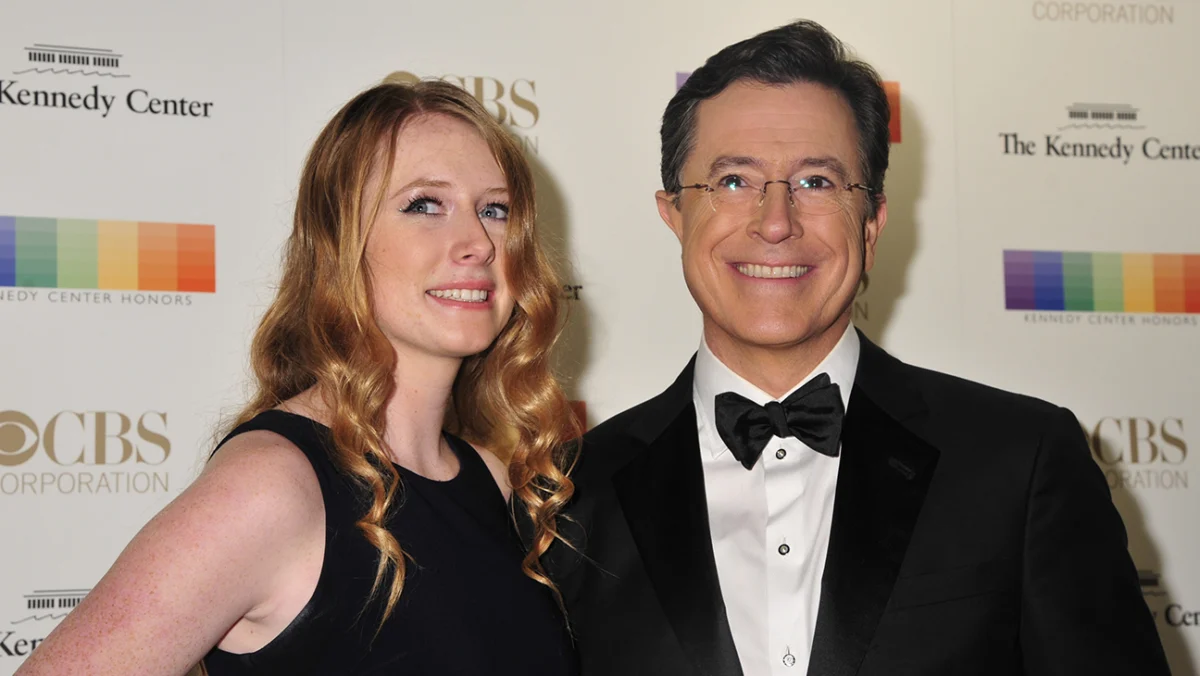
The journalistic career of Madeleine Carlisle is also intertwined with the public profile of her father, Stephen Colbert, the former host of The Late Show With Stephen Colbert. Colbert, a vocal critic of former President Donald Trump, saw his show’s cancellation amidst the proposed merger between Paramount Global and Skydance. While CBS News characterized the decision as "purely financial," the timing and circumstances led to widespread speculation in Hollywood and among observers, with many interpreting it as a politically motivated move or at least influenced by the broader corporate restructuring.
The convergence of these events – Carlisle’s move to The Atlantic amidst the upheaval at CBS News and her father’s departure from his late-night program under circumstances that fueled public debate – places her career within a wider narrative of change and scrutiny affecting prominent figures and institutions associated with CBS. This familial connection, while not directly influencing her professional capabilities, inevitably draws additional attention and context to her career transitions.
The Atlantic’s Strategic Acquisitions
The recruitment of Madeleine Carlisle by The Atlantic is part of a broader strategy by the publication to bolster its journalistic bench with accomplished writers. In addition to Carlisle, Goldberg also announced the hiring of Danyel Smith as a staff writer. Smith, a respected figure in media, previously served as the editor in chief of Vibe and Billboard. Her experience as a contributing writer for The New York Times Magazine, where she penned a significant piece detailing her professional experiences with Sean "Diddy" Combs, highlights her capacity for in-depth and impactful reporting on complex cultural and personal narratives.
These strategic hires suggest The Atlantic‘s commitment to expanding its coverage and reinforcing its reputation for high-quality, long-form journalism. By attracting talent with diverse backgrounds and proven track records, the magazine aims to maintain its standing as a leading voice in contemporary discourse. Carlisle’s return, in particular, signifies a confidence in her abilities and a belief that she will contribute significantly to The Atlantic‘s journalistic output, building upon her foundational work with the publication.
Looking Ahead: Implications for Journalism
The ongoing developments at CBS News and the subsequent career moves of its former journalists raise pertinent questions about the future of broadcast journalism in an era of rapid media consolidation and evolving ownership structures. The pressure to balance profitability with journalistic integrity is a constant challenge for news organizations. The allegations of interference at CBS News, if substantiated, could serve as a cautionary tale for the industry, emphasizing the importance of safeguarding editorial independence and maintaining public trust.
For Madeleine Carlisle, her new role at The Atlantic offers a platform to continue her career in a publication known for its in-depth analysis and sophisticated storytelling. Her experience at 60 Minutes, though perhaps cut short by internal turmoil, has undoubtedly equipped her with valuable skills and insights that she can now bring to The Atlantic‘s diverse range of journalistic endeavors. The move represents not just a change of employer but potentially a shift in the type of journalistic work she will undertake, possibly leaning more towards the long-form, analytical pieces that The Atlantic is renowned for.
The broader implications extend to how audiences perceive news and the trust they place in journalistic institutions. When prominent news organizations face accusations of compromised independence, it can erode public confidence, making it more challenging for journalists to conduct their work effectively. The coming months will likely reveal more about the long-term impact of these changes on CBS News and the wider media landscape. The success of initiatives like The Atlantic‘s hiring spree will be measured not only by the quantity of new talent but by the quality and impact of the journalism they produce, and how it resonates with an increasingly discerning public.