


HUNTINGTON, WV – Researchers at the Marshall University Joan C. Edwards School of Medicine have made a significant breakthrough in understanding the intricate relationship between gut health and the aging process, identifying microscopic particles originating in the gut as potential contributors to inflammation and chronic diseases often associated with advanced age. This groundbreaking discovery offers a novel perspective on the complex interplay between the gut microbiome, metabolic function, immune system resilience, and even biological stress responses, including those impacting sleep quality.
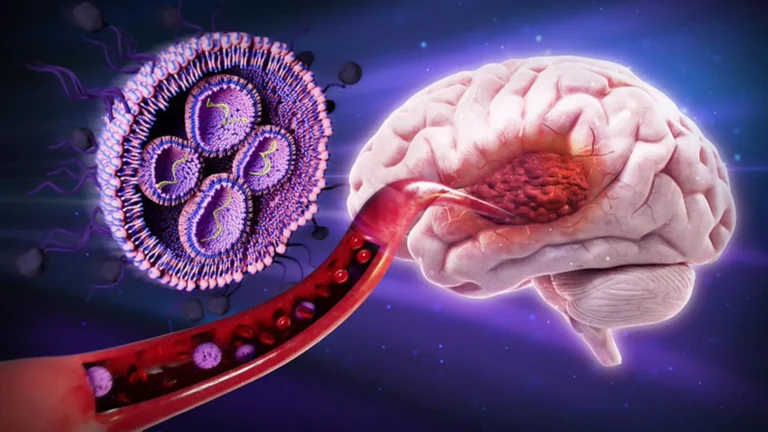
The study, meticulously detailed in the peer-reviewed journal Aging Cell, delved into the role of gut luminal exosomes – minuscule vesicles that cells utilize for intercellular communication by transporting proteins and genetic material. The investigative team observed that exosomes isolated from older animal models exhibited molecular signatures intrinsically linked to insulin resistance, systemic inflammation, and compromised gut barrier integrity. Crucially, when these exosomes were introduced into younger, healthy animals, they induced comparable metabolic disturbances and inflammatory changes, suggesting a direct causal link.
Conversely, the research team also explored the inverse scenario. Exosomes harvested from younger animals and administered to older counterparts resulted in a noticeable reduction in several age-related metabolic dysfunctions. These compelling findings collectively point towards the gut environment itself as a pivotal factor in the pathogenesis of age-related ailments.
The Gut Barrier’s Vulnerability and the Cascade of Chronic Inflammation
The study’s implications are far-reaching, indicating that gut-derived exosomes may exert a direct influence on disease development. A compromised gut barrier, often referred to as "leaky gut," allows inflammatory molecules and other harmful substances to translocate from the intestinal lumen into the bloodstream. This persistent leakage can trigger chronic, low-grade inflammation throughout the body, a well-established risk factor for a multitude of serious health conditions, including cardiovascular disease and a spectrum of metabolic disorders.
"This research provides crucial clarification on how the physiological stressors inherent in biological aging can indeed accelerate the biological processes that drive aging and disease," stated Abdelnaby Khalyfa, M.Sc., Ph.D., a distinguished professor of biomedical sciences at the Joan C. Edwards School of Medicine and the lead author of the study. "Grasping these intricate mechanisms is not merely an academic exercise; it is absolutely fundamental for identifying novel therapeutic targets and ultimately improving long-term health outcomes for patients grappling with age-related conditions."
Unveiling New Insights into the Mechanisms of Aging and Disease Progression
The findings from Marshall University further solidify the growing scientific consensus that aging is not an isolated event within a single organ system but rather a pervasive process affecting multiple bodily systems concurrently. This includes the intricate networks governing metabolism, the adaptive capabilities of the immune system, and the sophisticated pathways of cellular communication. The researchers successfully identified specific molecular components encapsulated within these exosomes, which hold significant promise for future diagnostic and therapeutic advancements. These identified molecules could potentially serve as biomarkers for early detection, offer deeper insights into the underlying biological mechanisms of age-related diseases, and pave the way for the development of targeted interventions.
The researchers emphasized that the implications of their findings extend beyond the direct effects of aging. The identified mechanisms may also be relevant to the development and progression of other chronic conditions characterized by prolonged physiological stress, particularly those that share common biological pathways with the aging process itself. This broad applicability suggests that interventions targeting gut exosome function could have a wider therapeutic potential than initially anticipated.
Background and Chronology of the Research
The research initiative at Marshall University represents a culmination of sustained investigation into the gut-brain axis and its multifaceted roles in health and disease. While the precise timeline for the initiation of this specific exosome-focused study is not publicly detailed, it builds upon years of foundational research into the gut microbiome’s influence on systemic health. The increasing recognition of the microbiome’s profound impact on immunity, metabolism, and even neurological function has spurred greater interest in the molecular mediators of these interactions.
The current study, published in Aging Cell, a journal recognized for its rigorous peer-review process and focus on aging research, signifies a critical juncture in this ongoing scientific endeavor. The publication date of the study provides a chronological marker for when these specific findings were formally disseminated to the broader scientific community. This publication allows for the examination of the research within the context of existing scientific literature, facilitating further validation and exploration by other research groups worldwide.
The team’s meticulous experimental design, involving the transfer of exosomes between animal models of different ages, was a key methodological advancement. This approach allowed for the direct assessment of the causal role of gut exosomes in mediating age-related physiological changes, moving beyond correlational observations.
Supporting Data and Methodological Rigor
The study’s strength lies in its robust experimental methodology and the quantitative data generated. While specific numerical data points are not fully elaborated in the initial report, the researchers’ assertion that exosomes from older animals contained "molecular signals tied to insulin resistance, inflammation, and damage to the gut barrier" implies the identification and quantification of specific proteins and RNA species within these exosomes. Techniques such as mass spectrometry and RNA sequencing are standard in such research for comprehensively profiling the molecular cargo of exosomes.
The observation that young animals receiving exosomes from older animals developed "similar metabolic and inflammatory changes" suggests that these changes were statistically significant and measurable. This could include metrics such as altered blood glucose levels, increased levels of inflammatory cytokines (e.g., TNF-alpha, IL-6), and indicators of gut permeability (e.g., zonulin levels). Similarly, the reduction in "aging-related metabolic problems" in older animals receiving exosomes from younger counterparts would be supported by quantitative improvements in these same metabolic and inflammatory markers.
The researchers’ identification of "specific molecules inside the exosomes" further points to a detailed molecular analysis. This suggests that the team has pinpointed particular proteins or microRNAs that are differentially expressed in exosomes based on age and that correlate with the observed physiological effects. This level of molecular detail is crucial for understanding the precise mechanisms of exosome-mediated communication.
Broader Implications and Future Directions
The ramifications of this research extend across multiple scientific and clinical disciplines.
Metabolic Health and Disease Prevention:
The direct link established between gut exosomes and insulin resistance has profound implications for understanding and treating type 2 diabetes and other metabolic syndrome components. The ability to modulate exosome composition or function could offer novel therapeutic avenues for improving insulin sensitivity and preventing the cascade of metabolic complications.
Inflammatory Disease Management:
Chronic low-grade inflammation is a common denominator in many debilitating diseases, including rheumatoid arthritis, inflammatory bowel disease, and neurodegenerative disorders. If gut exosomes are indeed orchestrating this inflammation, interventions aimed at their modulation could provide a unifying strategy for managing a broad spectrum of inflammatory conditions.
Gut Health and the Microbiome:
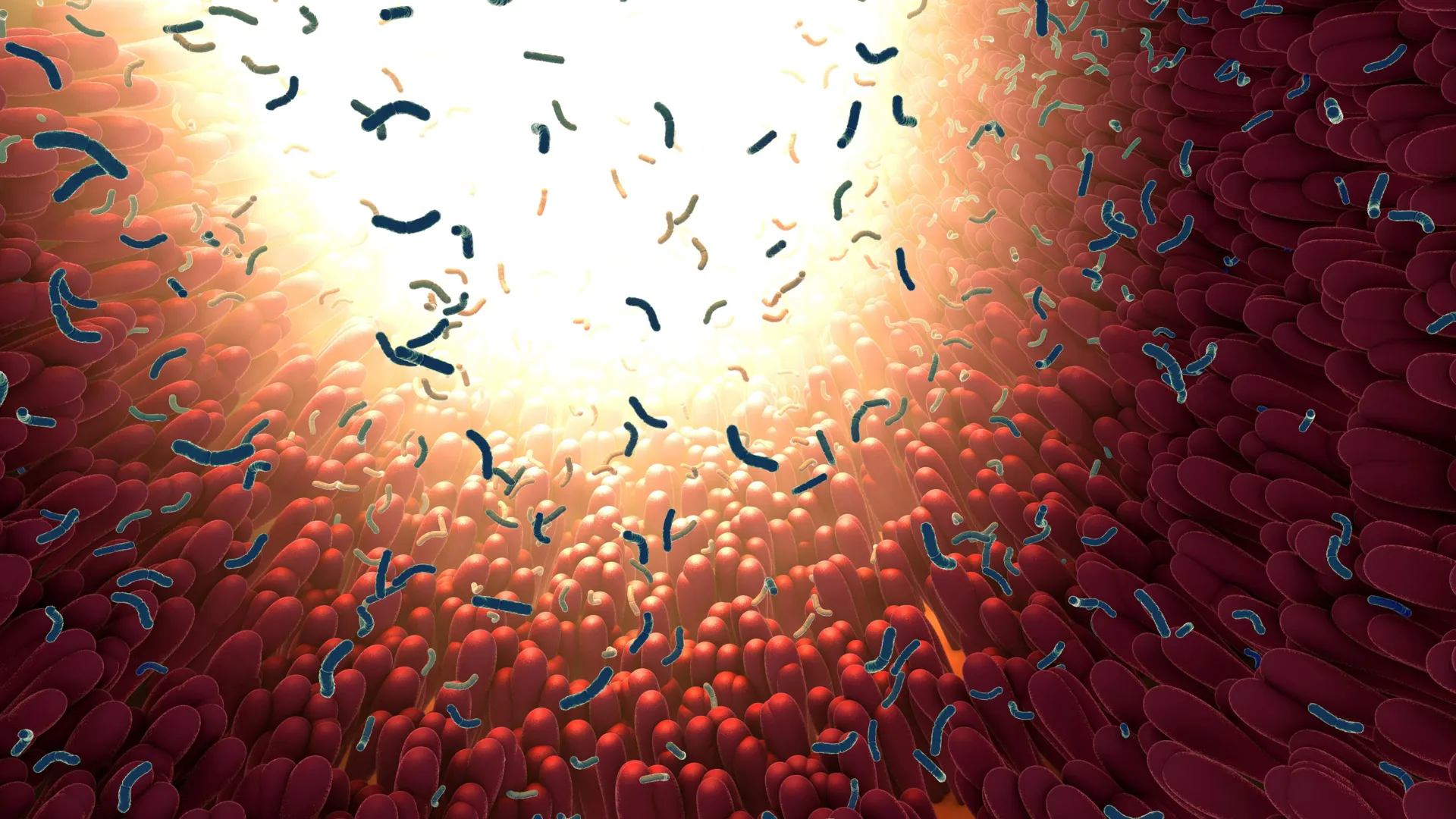
This study underscores the importance of the gut as a central regulator of systemic health. It suggests that beyond the direct effects of commensal bacteria, the byproducts of intestinal cell activity, packaged within exosomes, play a critical role. This opens new avenues for understanding how dietary interventions, probiotics, and prebiotics might exert their beneficial effects through exosome-mediated pathways.
Sleep and Biological Stress:
The mention of "sleep-related biological stress" hints at a potential connection between gut exosome function and circadian rhythm regulation or the physiological responses to sleep disruption. This could lead to novel research exploring the impact of gut health on sleep disorders and vice versa.
Aging Research and Longevity:
Ultimately, the findings contribute to a more holistic understanding of the aging process. By identifying a specific mechanism through which the aging gut can negatively impact systemic health, researchers are better positioned to develop interventions that promote healthy aging and potentially extend healthspan – the period of life spent in good health.
Therapeutic Potential and Future Research:
The identified molecules within the exosomes represent potential targets for drug development. Therapies could be designed to block the release or uptake of detrimental exosomes or to enhance the beneficial effects of exosomes from younger sources. Future research will likely focus on:
- Human Studies: Translating these findings from animal models to human physiology is the critical next step. Studies examining exosome profiles in human cohorts of varying ages and health statuses will be essential.
- Mechanism Elucidation: Further detailed investigation into the specific molecular cargo of these exosomes and their precise cellular targets will refine our understanding.
- Intervention Development: The development and testing of novel therapeutic strategies, including exosome-based therapies or agents that modulate exosome production and function, will be paramount.
- Diagnostic Tools: The identification of specific exosomal biomarkers could lead to new diagnostic tools for assessing gut health and predicting the risk of age-related diseases.
The research team involved in this pivotal study includes Khalyfa, Trupti Joshi, Ph.D., and David Gozal, M.D., M.B.A., Ph.D. (Hon) from Marshall University, alongside Lyu Zhen from the University of Missouri.
Funding for this significant research was provided through various sources, including unrestricted start-up support awarded to Dr. Khalyfa by the Joan C. Edwards School of Medicine via the Marshall University Research Corporation (MURC) in Huntington, West Virginia. Dr. Gozal also received partial funding from NIH grants HL166617 and HL169266. Further support was generously provided by the National Institute of General Medical Sciences of the National Institutes of Health under Award Number P20GM103434, administered through the West Virginia IDeA Network of Biomedical Research Excellence (WV-INBRE). This multi-faceted funding underscores the collaborative and well-supported nature of this important scientific endeavor.