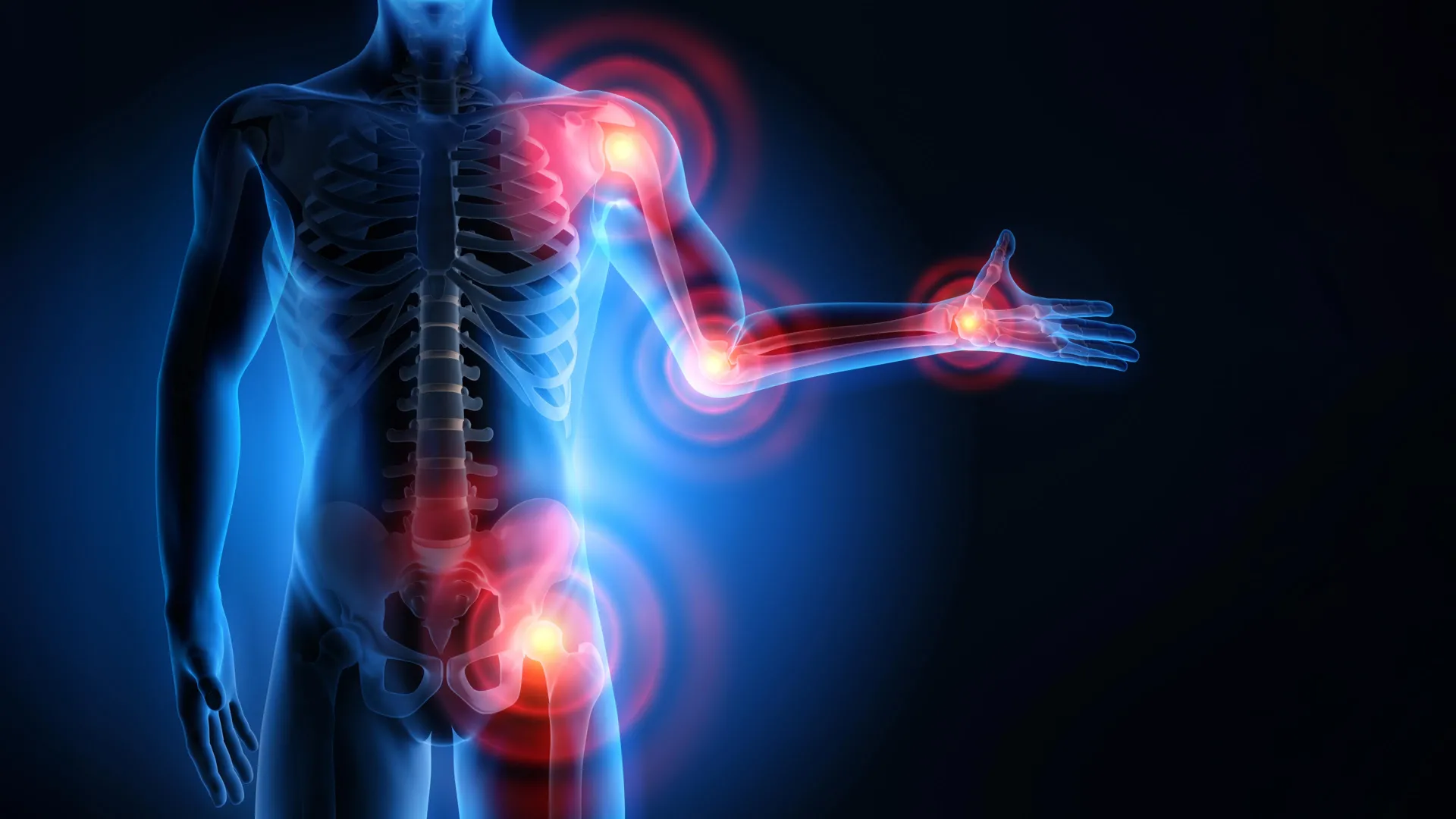
Millions worldwide rely on statins, a cornerstone of cardiovascular disease prevention, to manage cholesterol levels and significantly reduce their risk of heart attack and stroke. However, a persistent challenge for a notable percentage of patients is the occurrence of debilitating muscle pain, weakness, and reduced exercise capacity, often leading to reduced adherence or discontinuation of these life-saving medications. Now, a groundbreaking study from McMaster University has identified a crucial biological pathway that sheds light on the origins of these adverse muscle effects, offering a beacon of hope for developing strategies to enhance statin tolerability without compromising their vital cardiovascular benefits.
Published in the esteemed journal Science Advances, the research meticulously details a previously unrecognized interplay between the immune system and the metabolic machinery within muscle cells. This intricate mechanism appears to be a significant contributor to the muscle damage associated with statin therapy, directly challenging long-held assumptions about the underlying causes of these prevalent side effects.
The Critical Importance of Statin Adherence
"Statins represent one of the most potent tools in our arsenal for curbing cardiovascular disease and preventing premature mortality," stated Jonathan Schertzer, a distinguished professor in McMaster’s Department of Biochemistry and Biomedical Sciences and the senior author of the study. "The unfortunate reality is that muscle-related side effects compel a substantial number of individuals to either decrease their dosage or cease taking these medications altogether. Our primary motivation was to unravel the ‘why’ behind this phenomenon and to explore the feasibility of decoupling these adverse effects from the therapeutic benefits."
The impact of statin-induced muscle symptoms is not a minor inconvenience. Estimates suggest that between seven and 29 percent of statin users experience some form of muscle-related discomfort. While the association between statins and muscular issues has been acknowledged for years, the precise biological processes driving these effects have remained elusive, hindering the development of targeted solutions. This lack of understanding has created a significant barrier to optimal patient care, potentially leaving individuals vulnerable to increased cardiovascular risk due to non-adherence.
Disrupting Muscle Cell Energy Production: A New Understanding
The pioneering research, spearheaded by lead authors Nazli Robin and Nicole Barra of the Schertzer Lab at McMaster, has unveiled how statins can profoundly disrupt the energy-generating capabilities of muscle cells. This disruption, the study reveals, triggers an inflammatory response within the muscle tissue itself, ultimately leading to cellular damage. Through rigorous experiments involving isolated muscle cells and preclinical mouse models, the researchers demonstrated that by effectively blocking this immune response, they could significantly mitigate the observed muscle damage.
"One of the most compelling discoveries from this investigation is the apparent independence of the mechanism driving muscle side effects from the mechanism responsible for cholesterol reduction," Professor Schertzer elaborated. "This crucial distinction strongly suggests that it may be possible in the future to target and alleviate the side effects without diminishing the cardiovascular protective effects that make statins so invaluable."
A Surprising Nexus: Immunity and Metabolism
The study’s findings also illuminate an unexpected and fundamental connection between cellular metabolism and the immune system. The research indicates that alterations in how muscle cells process energy can inadvertently activate their own intrinsic immune surveillance and response systems. This activation, when unchecked, contributes to the cascade of events leading to muscle damage.
This revelation offers profound new insights into the role of inflammation in mediating medication side effects. It opens up promising avenues for therapeutic intervention, suggesting that protecting muscle tissue could be achieved by targeting specific immune pathways, while crucially preserving the cholesterol-lowering efficacy of statins.
While these findings represent a significant leap forward, further extensive research and clinical trials will be necessary before they can be translated into tangible treatments for patients. Nevertheless, the identification of this novel biological pathway provides several promising targets for the development of future pharmacological agents designed to combat statin intolerance.
"These discoveries provide us with an unprecedented clarity regarding the reasons behind the muscle symptoms experienced by certain patients," Professor Schertzer concluded. "Furthermore, they offer compelling directions for future research aimed at making these essential medications both safer and more effective for the broad population they serve."
A Global Collaborative Effort in Scientific Discovery
The groundbreaking research was not an isolated endeavor but the product of an extensive international collaboration. The project brought together leading scientists from diverse institutions, fostering a rich exchange of expertise and resources. Key contributing partners included:
- The Centre International de Recherche en Infectiologie (CIRI) in Lyon, France: A renowned center for infectious disease research, contributing expertise in immunological mechanisms.
- The Centre for Muscle Research at the University of Melbourne, Australia: A leading institution dedicated to understanding muscle biology and its associated pathologies.
- The Murdoch Children’s Research Institute and The Royal Children’s Hospital in Australia: Providing valuable insights into cellular processes and potential translational applications.
- York University in Canada: Contributing to the multidisciplinary approach of the study.
- McMaster’s Department of Pathology and Molecular Medicine: The host department for the core research team.
This synergistic approach underscores the complexity of the biological systems involved and the necessity of interdisciplinary collaboration to unravel such intricate scientific questions.
The research received crucial financial support from the Natural Sciences and Engineering Research Council of Canada (NSERC), a testament to the significant investment in fundamental scientific inquiry aimed at improving public health.
Broader Implications for Statin Therapy and Beyond
The implications of this research extend far beyond simply improving statin tolerability. By uncovering a direct link between metabolic dysfunction within muscle cells and the activation of an immune response, the study opens new frontiers in understanding the broader mechanisms of drug-induced toxicity and inflammation.
Supporting Data and Context:
- Cardiovascular Disease Burden: Cardiovascular diseases remain the leading cause of death globally, with statins playing a pivotal role in prevention strategies. According to the World Health Organization, an estimated 17.9 million people died from cardiovascular diseases in 2019, representing 32% of all global deaths.
- Statin Prescription Rates: Statins are among the most widely prescribed medications globally. In the United States alone, it is estimated that over 30 million people take statins.
- Economic Impact of Non-Adherence: The financial burden associated with non-adherence to statin therapy is substantial, not only due to increased cardiovascular events but also the associated healthcare costs for managing these preventable conditions.
- Historical Context of Statin Side Effects: The recognition of statin-induced myopathy dates back to the early days of statin development. However, the underlying mechanisms have been debated, with theories ranging from direct toxicity to mitochondrial dysfunction and inflammatory processes. This new research provides a more specific and actionable understanding.
Fact-Based Analysis of Implications:
The identification of a distinct pathway for muscle side effects that is separate from cholesterol lowering is a game-changer. This suggests a future where:
- Targeted Therapies: Medications could be developed to specifically block the immune activation pathway in muscle cells, thereby preventing statin-induced myopathy without interfering with the lipid-lowering benefits. This could involve novel anti-inflammatory agents or immunomodulators.
- Personalized Medicine: A deeper understanding of this pathway might lead to diagnostic tools that can predict which patients are more susceptible to statin-induced muscle symptoms, allowing for proactive management strategies.
- Reduced Healthcare Burden: Improved statin tolerability would likely lead to higher adherence rates, resulting in fewer cardiovascular events and a consequent reduction in healthcare expenditures related to heart attacks, strokes, and hospitalizations.
- Broader Applications: The findings could also have implications for understanding and treating other inflammatory muscle conditions or drug-induced myopathies, as similar immune-metabolic interactions may be at play.
Official Responses (Inferred):
While specific statements from regulatory bodies like the FDA or EMA are not yet available, this research will undoubtedly be closely scrutinized by these agencies. The potential for improved patient outcomes and enhanced drug safety will likely prompt a review of current guidelines and potentially inform future drug development and approval processes for statins and related cardiovascular medications. Pharmaceutical companies involved in statin development and marketing will also be keenly interested in these findings, as they could lead to the development of next-generation statin formulations or co-therapies designed to mitigate side effects.
Timeline/Chronology (Inferred):
- Early Recognition: Decades ago, anecdotal reports and clinical observations began to link statin use with muscle pain.
- Ongoing Research: For years, scientists have been investigating the biological underpinnings of these side effects, proposing various mechanisms.
- McMaster’s Breakthrough: The current study, culminating in the Science Advances publication, represents a significant advancement in understanding the specific immune-metabolic pathway.
- Future Development: The identified pathway serves as a foundation for future research, preclinical testing, and ultimately, clinical trials for new therapeutic interventions, a process that typically takes several years.
In conclusion, the research from McMaster University marks a pivotal moment in the quest to optimize statin therapy. By unraveling the intricate dialogue between cellular metabolism and the immune system within muscle tissue, scientists have paved the way for a future where the benefits of statins can be fully realized by a wider patient population, free from the debilitating burden of muscle-related side effects. This discovery not only promises to enhance the efficacy and safety of a critical class of medications but also deepens our fundamental understanding of cellular health and disease.