

Meta Platforms Inc. has commenced piloting an artificial intelligence-powered storytelling application named StoryKit, designed to generate personalized children’s stories with customizable characters, settings, moral lessons, and accompanying music. The app, initially spotted in the App Store by 9to5Mac on July 21, 2026, aims to simplify the creation of bedtime stories for parents, promising a feature where users "don’t need to write a single word." This development marks Meta’s latest foray into consumer-facing AI applications, drawing attention to the evolving role of artificial intelligence in creative and educational domains.
Meta Introduces StoryKit: An AI-Driven Approach to Children’s Tales
StoryKit represents a significant step for Meta into the generative AI space targeting family entertainment and education. The application’s core functionality revolves around its ability to craft unique narratives based on user-defined parameters. Parents can initiate story creation by selecting or generating a character, with the unique option to "snap a photo of their favorite toy or person to bring them to life," according to the App Store description. Following character selection, users describe the desired world or setting for the story. A crucial educational component is the ability to choose a specific lesson or value, such as kindness, courage, or empathy, which the AI then weaves into the narrative without it feeling didactic. The app further enhances the experience by adding background music, creating a comprehensive multimedia storybook experience. Meta confirmed to TechCrunch that StoryKit is currently in a pilot phase in select countries, allowing the company to gather feedback from parents on its utility and appeal. A Meta spokesperson emphasized that StoryKit is intended as a "creative storytelling app used to craft personalized, imaginative storybooks for children," reiterating that it incorporates AI safety filters, lacks social features, and is exclusively available to users over the age of 18, ensuring a controlled environment for its use.
How StoryKit Works: Personalization at the Core
The user interface of StoryKit appears designed for intuitive interaction, streamlining the process of generating a story. Upon launching the app, users are guided through a series of prompts. The initial step involves character creation, which can leverage existing images from a device’s gallery or newly captured photos. This feature allows for an unprecedented level of personalization, enabling children to see themselves, their beloved toys, or even family members as protagonists in their unique tales. Once a character is established, the user is prompted to describe the narrative’s setting. This can range from fantastical realms like "a magical forest where talking animals live" to more mundane yet imaginative scenarios such as "a bustling city where cars can fly." The specificity of these descriptions directly influences the AI’s output, allowing for a wide array of story worlds. The integration of a moral lesson is another key feature, distinguishing StoryKit from simple narrative generators. By offering a curated list of values, the app aims to provide not just entertainment but also subtle educational reinforcement. This pedagogical approach is critical in children’s content, where stories often serve as vehicles for teaching important life lessons. Finally, the AI synthesizes these elements—character, setting, and lesson—into a coherent story, complete with a visual representation and an audio track, creating an immersive experience for young listeners. The entire process is designed to be completed rapidly, offering a convenient solution for parents seeking new and engaging content for their children without the need for extensive creative input or time.
The Broader Context: Generative AI’s March into Creative Domains
The introduction of StoryKit is not an isolated event but rather a reflection of a broader trend in the technological landscape: the rapid advancement and deployment of generative artificial intelligence across various creative industries. Over the past few years, large language models (LLMs) and sophisticated image generation AI have moved from theoretical concepts to practical applications, revolutionizing how content is created. From generating art and music to drafting complex texts and designing virtual worlds, AI’s capabilities have expanded dramatically. Companies like OpenAI, Google, and Meta have invested billions in developing and refining these technologies, leading to breakthroughs that blur the lines between human and machine creativity. In the realm of literature, AI has already been used to draft novels, poems, and short stories, albeit with varying degrees of success and critical reception. For children’s content specifically, the appeal of AI lies in its potential for infinite customization and on-demand creation. The global market for educational technology and children’s digital content has seen substantial growth, driven by increasing screen time among young audiences and parental demand for engaging, personalized learning tools. Reports from market research firms indicate that the global ed-tech market is projected to reach hundreds of billions of dollars by the late 2020s, with personalized learning solutions being a key growth driver. StoryKit positions Meta to tap into this burgeoning market, offering a novel solution that combines entertainment with educational value through the power of AI.
Meta’s AI Ambitions and Past Ventures
Meta’s venture into AI-driven storytelling with StoryKit aligns with the company’s overarching strategy to become a leader in artificial intelligence. Under the direction of CEO Mark Zuckerberg, Meta has consistently emphasized AI as a core pillar of its future, alongside the metaverse. The company has invested heavily in AI research and development, evidenced by its work on large language models like Llama, which are foundational to many generative AI applications. Meta’s AI initiatives span various sectors, from enhancing social media algorithms and content moderation to powering advanced virtual reality experiences and developing AI assistants. However, Meta’s history with innovative, consumer-facing products has been mixed. While some ventures, particularly in its core social media platforms like Facebook and Instagram, have achieved massive success, others have faced criticism or failed to gain widespread adoption. For instance, the company has previously launched experimental AI features on Instagram, such as deepfake generators, which garnered backlash and were subsequently removed. Similarly, Meta’s ambitious push into the metaverse, including virtual reality work meetings, has yet to fully materialize into a mainstream phenomenon, facing challenges related to adoption rates and public perception. These past experiences underscore the complexities of integrating cutting-edge technology into daily life, especially when it touches upon sensitive areas like creativity, privacy, and child development. StoryKit, therefore, emerges within a context of both high technological ambition and the practical challenges of consumer acceptance and ethical deployment.

Safety, Accessibility, and User Demographics
A critical aspect of StoryKit’s design and rollout, as highlighted by Meta, is its emphasis on safety and responsible AI usage. The company states that the app incorporates "AI safety filters," which are presumably designed to prevent the generation of inappropriate or harmful content, a paramount concern when developing applications for children. Given the unpredictable nature of generative AI, such filters are essential to ensure narratives remain suitable for young audiences, free from violence, mature themes, or biased language. Furthermore, the explicit absence of "social features" addresses concerns about online interaction and data sharing among children, indicating a focus on a solitary, creative experience rather than a networked one. The restriction of StoryKit to users over the age of 18 is another layer of control, placing the responsibility of content creation and consumption directly in the hands of adults. This approach aims to mitigate risks associated with minors directly interacting with generative AI, including potential privacy issues related to uploading photos for character creation. Data privacy, especially concerning children’s likenesses, is a significant ethical and legal consideration, and Meta’s decision to limit usage to adults suggests an awareness of these complexities. From an accessibility standpoint, the app’s promise that "You don’t need to write a single word" significantly lowers the barrier to entry for parents, regardless of their own creative writing skills or time constraints. This design choice aims to democratize personalized storytelling, making it available to a broader demographic of families.
Implications for Child Development and Parental Engagement
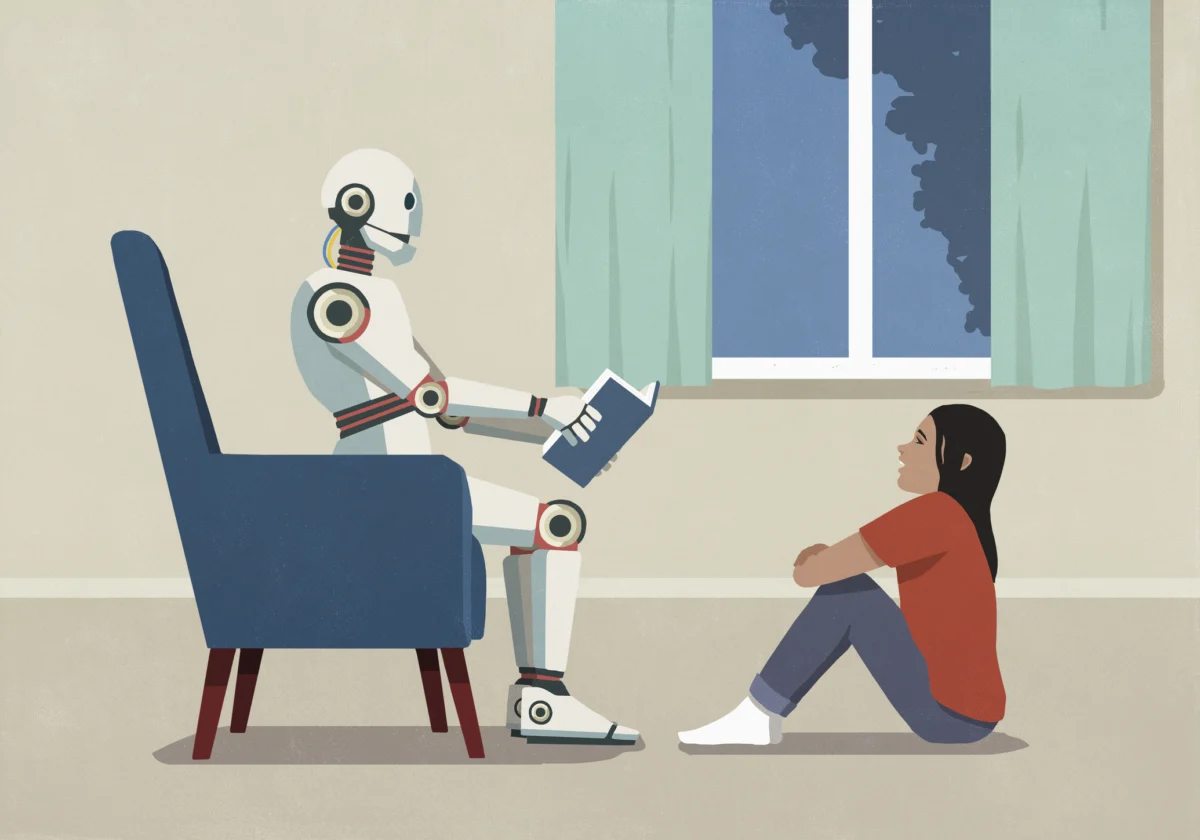
The advent of AI storytelling apps like StoryKit opens up a multifaceted discussion about their potential implications for child development and parental engagement. On one hand, proponents argue that such tools offer undeniable benefits. For busy parents leading increasingly demanding lives, StoryKit could be a valuable time-saving resource, providing an endless supply of novel stories tailored to a child’s current interests. This on-demand personalization could keep children engaged and foster a love for narratives, potentially introducing them to diverse themes and characters they might not encounter in traditional books. Educators and child psychologists, however, often emphasize the profound role of human interaction and imaginative play in early childhood development. Traditional storytelling, whether reading from a book or improvising a tale, is a deeply human activity that fosters emotional connection, language skills, and abstract thinking. The act of a parent creating a story, even a simple one, involves spontaneity, emotional nuance, and the unique bond formed through shared imaginative effort. Concerns have been raised that relying heavily on AI-generated narratives might inadvertently diminish these crucial aspects. The "soul" or unique creative spark that comes from human imagination, with its inherent unpredictability and personal touch, could be diluted by algorithms designed to produce "predictable responses to a prompt." Moreover, the ability for children to co-create stories with parents, contributing ideas and characters, is a powerful exercise in collaborative imagination and communication. The passive consumption of AI-generated stories, even personalized ones, might bypass opportunities for this active, shared creative process.
The Evolving Landscape of Children’s Media
StoryKit’s entry into the market signals a notable shift in the children’s media landscape, which has been undergoing rapid transformation for decades. From traditional printed books to television, then to interactive digital apps and streaming platforms, the ways children consume stories have diversified significantly. The demand for personalized content has been growing, with many educational apps already offering adaptive learning paths and customized activities. AI-driven storytelling pushes this personalization to an entirely new level, offering bespoke narratives that can respond to specific inputs. This innovation could potentially disrupt traditional children’s book publishing, as parents might opt for dynamically generated stories over a fixed library of printed titles. However, the value of curated, professionally written and illustrated children’s books, often created by award-winning authors and artists, remains strong. These works often carry cultural significance, artistic merit, and a depth of narrative that AI, at its current stage, may struggle to replicate consistently. The debate around StoryKit mirrors broader discussions within the arts and entertainment industries regarding AI’s role: whether it is a tool for augmentation, enabling new forms of creativity, or a force for displacement, potentially devaluing human artistry. For children’s media, the stakes are particularly high, as the content consumed during formative years can have a lasting impact on cognitive and emotional development.
Ethical Considerations and the Future of Human Creativity
Beyond the immediate utility, StoryKit provokes deeper ethical and philosophical questions about the nature of creativity and the future of human imagination. If machines can generate compelling narratives on demand, what does this imply for the intrinsic human drive to create, to tell stories, and to imagine new worlds? Storytelling is one of humanity’s oldest pastimes, deeply woven into our cultural fabric, passed down through generations from oral traditions to written epics. From ancient myths to modern blockbusters, narratives often draw from a rich tapestry of human experience, emotion, and shared cultural heritage. While AI can synthesize existing patterns and data, its capacity for genuine originality, emotional depth, and nuanced understanding of the human condition remains a subject of ongoing debate among philosophers, artists, and technologists. Concerns also extend to the potential for algorithmic bias in AI-generated stories, where embedded biases in training data could inadvertently perpetuate stereotypes or narrow perspectives. Ensuring ethical AI development requires continuous scrutiny of datasets and algorithms, especially when creating content for impressionable young minds. The broader societal implication is whether humanity is on a path to "outsourcing imagination," potentially leading to a decline in our collective creative faculties if we increasingly delegate such fundamental human activities to machines. The choice, ultimately, may rest with consumers and society at large: to embrace AI as a tool that augments human creativity, or to critically evaluate its role in replacing activities that are fundamentally human.
Navigating the Digital Frontier of Imagination
As Meta pilots StoryKit, the technology offers both compelling conveniences and profound questions for parents, educators, and society. The app stands as a testament to the remarkable progress in artificial intelligence, demonstrating its capacity to personalize and generate content that was once exclusively the domain of human imagination. Yet, its introduction also highlights the enduring value of human-centered experiences, particularly in the intimate ritual of storytelling between a parent and child. The ongoing conversation around StoryKit will likely center on finding a balance: how can we leverage the power of AI to enrich our lives without inadvertently diminishing the irreplaceable human elements that foster connection, critical thinking, and genuine creativity? The future trajectory of StoryKit, and similar AI applications, will depend not only on technological advancement but also on how effectively they address ethical considerations, integrate into family routines, and ultimately, resonate with the fundamental human need for meaningful, imaginative narratives. The market’s response to StoryKit will provide valuable insights into consumer appetite for AI-driven creative tools and the ongoing negotiation of technology’s role in nurturing the next generation’s imagination.