



A Glimpse into Sicilian Youth and Societal Undercurrents
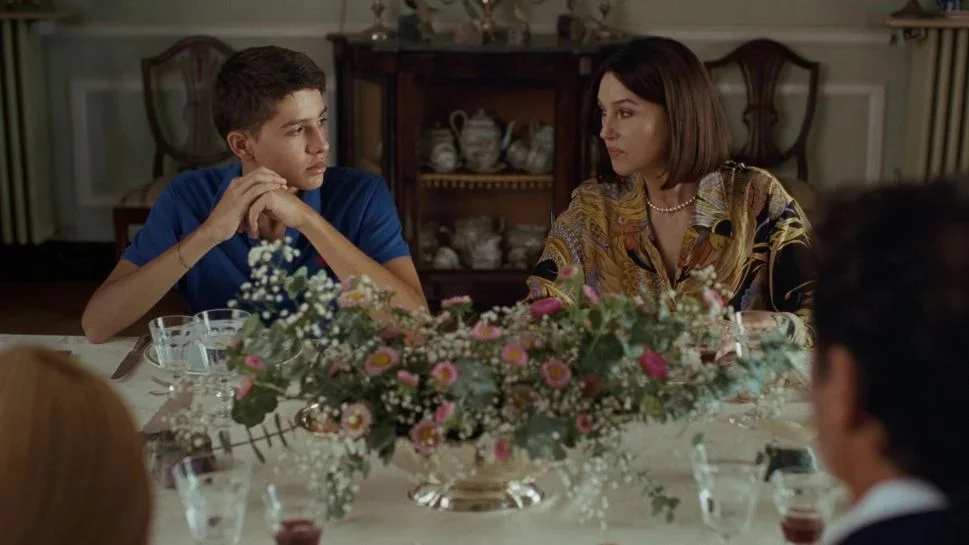
Set against the vibrant yet often tumultuous backdrop of Palermo, Sicily, in 2012, Ketticä delves into the complex inner world of Giulio, a disaffected 16-year-old grappling with apathy towards his studies and a palpable lack of direction. The film’s narrative arc is illuminated by his formative encounter with Ketty, a more self-possessed peer whose presence injects a much-needed spark into Giulio’s monotonous existence. Their burgeoning friendship is depicted as a sanctuary, a shared space where they seek liberation from the stifling judgments and expectations of the adult world. This dynamic exploration of adolescent yearning for autonomy and genuine connection forms the emotional core of the film.
The title itself, Ketticä, is a poignant nod to the Sicilian dialect, representing a nickname that imbues the character with a distinct local flavor and cultural resonance. The film’s thematic richness is further amplified by the presence of Monica Bellucci, who portrays Giulio’s mother. Her character is depicted as a member of an aristocratic Sicilian family, a milieu that, despite its outward appearances of privilege, leaves her feeling deeply oppressed and unfulfilled. Bellucci’s performance, as she herself articulated during a press conference, offered an insightful exploration of the "frustration behind the entire perfection of society." She elaborated on her character’s plight, stating, "She is the victim of a social role. So she tries to counterbalance this frustration by eating up snacks… There is a scene where she’s sleeping in front of the TV, and she has plenty of snacks." This portrayal underscores a critique of societal pressures that can lead individuals to internalize and express their discontent in subtle yet telling ways.
Bellucci’s Deep Dive into a Character’s Existential Struggle
Bellucci’s engagement with her role went beyond mere character portrayal; it involved a profound exploration of how physical and vocal expression could convey a character’s internal decay. "This is a woman who forgot about her femininity. She doesn’t take care of herself," Bellucci explained, adding a visceral dimension to her mother’s character. "And when she talks, she yells." This raw, unfiltered delivery of dialogue is crucial to understanding the strained relationship she shares with her son. Bellucci further elaborated on the dynamic, noting, "She creates this constant tension with her son. There is a mutual humiliation that shows a true impossibility of exchange between generations." This observation strikes at the heart of intergenerational disconnect, a theme that resonates deeply in contemporary society. Bellucci’s pointed remark, "You see a generation of adults who can no longer understand the youth. And we are talking about 2012. Imagine how it is now!" serves as a stark reminder of the enduring challenges in bridging generational divides, amplified by the rapid pace of societal and technological change.
Tortorici’s Personal Touches and Sociopolitical Commentary
Director Giovanni Tortorici, whose debut feature Diciannove also garnered critical attention, demonstrated a keen ability to weave personal biography into broader societal observations. When questioned about a scene featuring a character expressing admiration for former Italian fascist dictator Benito Mussolini, Tortorici drew a direct parallel to his own experiences. "I remember I had a girlfriend who would say such things," he confessed. "So I think this would represent a youth culture, which is a bit absurd. I mean, the girl I knew was refined and educated, and then she would admire Mussolini. It’s a reference to my own biography, but I think it was very symptomatic and significant, and it was representing that age of Berlusconi." This candid admission highlights Tortorici’s intention to capture the complex and sometimes contradictory currents within youth culture, particularly during the era of Silvio Berlusconi’s significant political and cultural influence in Italy. The inclusion of such a politically charged remark, even within a coming-of-age narrative, adds a layer of historical and ideological commentary, reflecting a generation grappling with the legacy of Italy’s past.
The Locarno Film Festival: A Platform for Emerging Talent and Global Cinema
The 79th edition of the Locarno Film Festival, held from August 3rd to August 13th, 2022, served as a vital platform for films like Ketticä to gain international recognition. Locarno has long been celebrated for its discerning eye, often selecting films that push artistic boundaries and provide fresh perspectives on global issues. The festival’s commitment to showcasing independent cinema and emerging directors makes it an ideal launchpad for projects with unique cultural and artistic merit. This year’s edition featured a diverse program, including retrospectives, special screenings, and the competitive Pardi di domani (Leopards of Tomorrow) section, which often highlights the work of young filmmakers. The festival’s jury, comprised of esteemed figures from the international film community, plays a crucial role in identifying and awarding films that represent the future of cinema. The presence of Ketticä in such a prestigious setting underscores its potential to resonate with a global audience.
Production and International Distribution
The production of Ketticä involved a dedicated team of professionals, including cinematographer Camilla Cattabriga and editor Marco Costa, whose contributions are essential to the film’s aesthetic and narrative cohesion. The film’s international sales have been secured by PiperPlay, a company specializing in the global distribution of independent cinema, ensuring that Ketticä will have access to various international markets and festivals following its Locarno premiere. This strategic partnership is crucial for maximizing the film’s reach and impact beyond its initial festival circuit. The backing of producers like Luca Guadagnino not only lends credibility but also opens doors to broader industry connections and potential co-production opportunities for future projects.
The Discovery of New Talent Through Street Casting
A notable aspect of Ketticä‘s production was the extensive street casting process employed to discover its young leads, Salvatore Gallina and Rachele Testagrossa. This method of talent acquisition often yields performances that are remarkably natural and uninhibited, a quality that Bellucci herself lauded. "It’s been a wonderful experience being on this set," she shared, emphasizing the director’s adeptness in guiding these emerging talents. "Giovanni Tortorici is a young director who knows exactly what he wants, and he’s very self-confident, determined, and he made a very personal and really unique film." Bellucci’s praise for the young actors further highlights the authenticity that Tortorici has managed to extract, stating, "These two teenagers are fantastic. They’re awesome. They are so natural and so spontaneous." This commitment to discovering raw talent through unconventional means is a hallmark of directors seeking to imbue their films with an authentic sense of place and character.
Ketticä‘s Potential Impact and Broader Implications
The critical reception and audience engagement at the Locarno Film Festival will undoubtedly shape the future trajectory of Ketticä. As a film that tackles themes of adolescent alienation, familial discord, and the lingering shadows of political history within the specific cultural context of Sicily, it possesses the potential to spark dialogue and foster introspection. Its success at Locarno could pave the way for wider distribution in art-house cinemas, participation in other major film festivals, and potential award nominations.
The film’s exploration of the disconnect between generations, particularly in the context of Italy’s socio-political landscape during the Berlusconi era, offers a nuanced perspective that may resonate with international audiences facing similar challenges. The success of independent films like Ketticä is crucial for the continued vitality of the global film industry, as they often provide a space for diverse voices and unconventional storytelling that might be overlooked by mainstream commercial productions. The film’s ability to blend personal narrative with broader societal commentary, anchored by strong performances and a distinctive directorial vision, positions it as a significant entry in contemporary Italian cinema and a compelling addition to the international festival circuit. The continued success of Italian filmmakers on the global stage, as exemplified by the Guadagnino connection, further solidifies Italy’s reputation as a fertile ground for cinematic innovation and storytelling excellence.