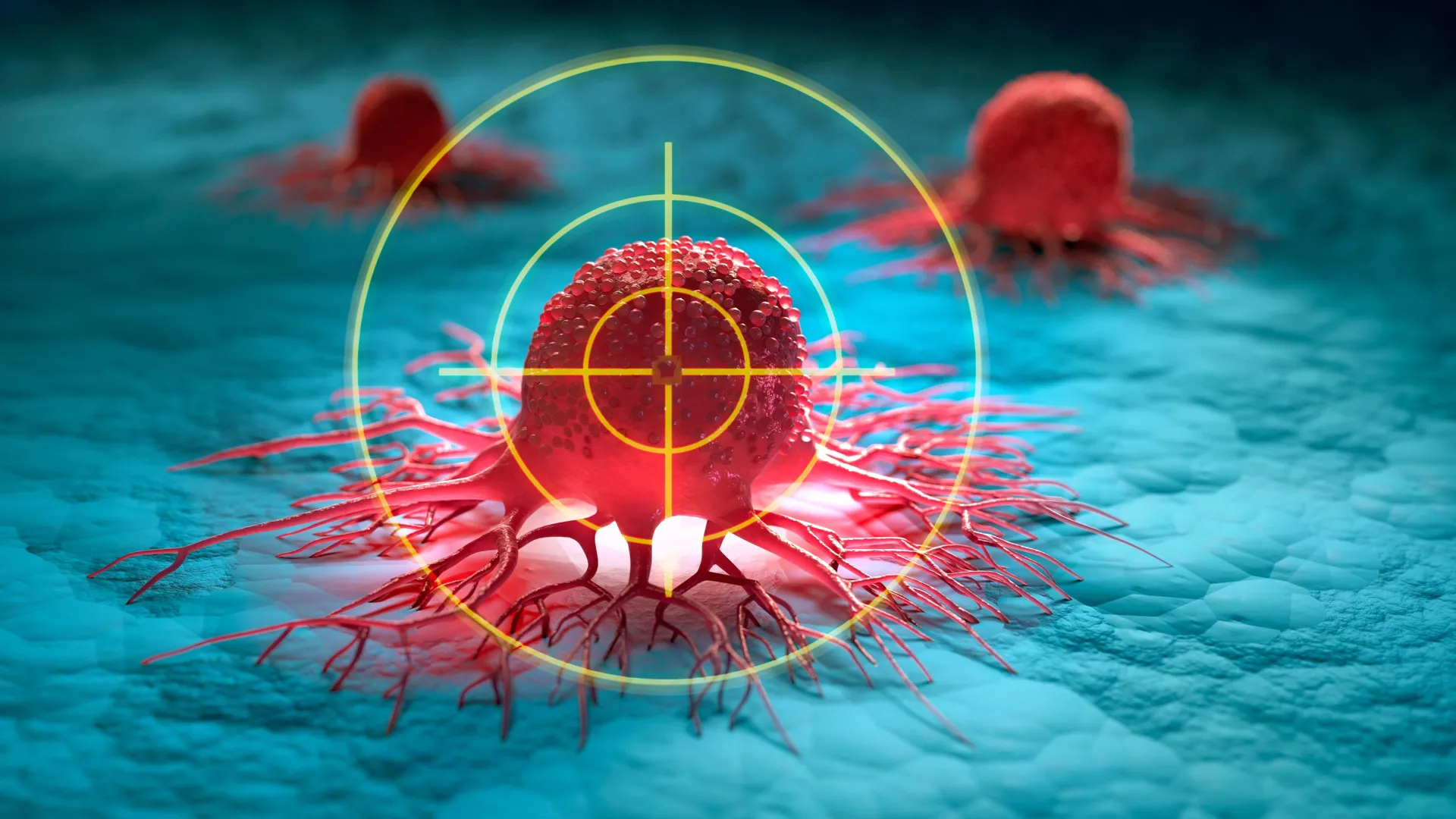
Prostate cancer, a pervasive health concern affecting approximately one in eight men throughout their lives, presents a complex challenge in its metastatic and treatment-resistant forms. While many diagnosed with prostate cancer achieve survival, a significant subset of these tumors can evolve, spreading to distant organs and becoming notoriously difficult to manage. In the United States, prostate cancer tragically stands as the second leading cause of cancer-related mortality among men, underscoring the urgent need for innovative therapeutic strategies.
Understanding the Evolving Nature of Prostate Tumors
At their inception, most prostate tumors exhibit characteristics remarkably similar to the normal glandular cells of the prostate, expressing genes intrinsically linked to glandular function. Crucially, their proliferation is often fueled by androgens, the primary male hormones, including testosterone. This hormonal dependency has long made androgen receptor inhibitors a cornerstone of treatment for metastatic prostate cancer. While these therapies can be highly effective initially, a pervasive challenge emerges: nearly all patients eventually develop resistance to these vital medications.
The mechanism behind this acquired resistance is a subject of intense scientific scrutiny. Researchers have observed that some prostate tumors, in their quest to evade therapeutic intervention, embark on a transformative journey. They achieve this by activating alternative biological pathways, a process that fundamentally reshapes the identity of their constituent cells. As this cellular metamorphosis occurs, the cancer cells begin to shed their original glandular characteristics, gradually adopting entirely new cellular identities. Scientists have termed this remarkable phenomenon "transdifferentiation."
Pioneering Research Uncovers Dual-Targeting Strategy
A groundbreaking study, recently published in the esteemed journal JCI Insight, has illuminated a novel dual-drug strategy that holds significant promise for treating prostate tumors that have undergone this critical transdifferentiation process. The research, spearheaded by a dedicated team at the University of Michigan, identifies two distinct biological pathways that, when targeted simultaneously, could offer a powerful new weapon against these resilient cancers.
The implications of this discovery, researchers believe, may extend far beyond the realm of prostate cancer. The team harbors hopes that similar therapeutic approaches could be successfully applied to other cancer types known to undergo transdifferentiation, including aggressive forms of lung and pancreatic cancers, which currently present formidable treatment challenges.
Deciphering the Genetic Underpinnings of Transdifferentiation
Previous scientific inquiries had established a compelling link between the loss of two critical tumor-suppressor genes, TP53 and RB1, and the occurrence of transdifferentiation in prostate cancer. However, the precise molecular mechanisms by which the absence of these genes triggers such a profound and dramatic shift in tumor cell identity remained largely elusive.
To unravel this complex puzzle, the University of Michigan researchers meticulously examined a variety of prostate cancer cell lines. Their investigations focused on identifying which cellular pathways undergo significant alterations when TP53 and RB1 are absent. The findings revealed a dual nature to this cellular transition.
"We observed that there are two sides to this transition: loss of glandular genes and activation of cell programs that cause the identity to switch into stem cells," explained Joshi Alumkal, M.D., a Professor of Internal Medicine-Hematology/Oncology and a distinguished member of the Rogel Cancer Center. This insight provided a crucial roadmap for developing a targeted therapeutic strategy.
A Synergistic Approach: Targeting Both Sides of the Cellular Shift
The research team had previously established that a class of drugs known as BET bromodomain inhibitors could effectively interfere with the cellular pathways that enable prostate cancer cells to adopt alternative identities. However, a significant limitation of these inhibitors, when used alone, was their inability to halt cancer progression permanently.
In their latest experimental phase, the researchers again confirmed that BET bromodomain inhibitors could indeed slow the proliferation of prostate cancer cell lines. Despite this inhibitory effect, the drugs alone were insufficient to eradicate the cancer cells. This observation prompted the team to explore a second class of therapeutic agents: DNA methyltransferase (DNMT) inhibitors.
DNMT inhibitors possess the unique ability to reactivate genes that have been silenced or switched off. In the context of transdifferentiated prostate cancer, the researchers were particularly keen on their potential to restore the expression of glandular genes that are typically lost as these cancer cells undergo their identity transformation. A significant advantage of DNMT inhibitors is their existing FDA approval for treating other conditions, including certain types of blood cancer, suggesting a favorable safety profile and a clear regulatory pathway for potential future clinical application.
The Power of Combination: Suppressing Tumor Growth
The pivotal moment in the research came when the scientists combined BET bromodomain inhibitors with DNMT inhibitors. This dual-drug approach demonstrated a marked improvement in suppressing the growth of prostate cancer cell lines compared to the efficacy of either drug when administered individually.
The promising results were not confined to laboratory cell cultures. The researchers observed a similar, significant inhibitory effect on prostate tumors that had been implanted in mice, serving as a vital preclinical model for human disease.
"When we used both drugs, we reversed a significant portion of gene expression changes that occur in the tumors, which is encouraging," stated Will Storck, Ph.D., a Research Lab Specialist in the Alumkal lab, highlighting the molecular impact of the combination therapy.
"It is also promising that we saw a significant reduction in tumor growth even at doses far lower than the recommended dose, and this drug combination was well tolerated by the mice," Storck added, underscoring the potential for a favorable therapeutic window and manageable side effects.
These findings strongly suggest that a strategy targeting both facets of the cancer cell transformation—one drug interfering with the pathways that promote an alternative cellular identity and the other restoring crucial glandular gene activity that has been suppressed—is considerably more effective than merely blocking one aspect of this complex process.
Identifying the Patients Who Will Benefit Most
With these compelling preclinical results in hand, the researchers are now focused on several critical next steps. A primary objective is to pinpoint the specific genes that are most instrumental in mediating the observed antitumor effects of the drug combination. This detailed understanding will be crucial for refining the therapy and potentially identifying genetic markers that can predict which patients are most likely to respond favorably.
Furthermore, the team is actively seeking to identify reliable biomarkers that can serve as indicators for patient selection, allowing clinicians to pinpoint individuals whose tumors possess the specific molecular characteristics that make them most susceptible to this dual-drug regimen.
A significant clinical question that remains is whether this innovative treatment could be employed to prevent transdifferentiation from occurring in the first place, rather than solely treating tumors after they have already undergone this profound identity shift.
"Preventing the emergence of transdifferentiation would be key to patient survival," emphasized Dr. Alumkal. "Distinguishing between patients whose tumors will never undergo this transition versus patients whose tumors may will help us use this treatment effectively and early." This proactive approach could fundamentally alter the treatment paradigm for a subset of prostate cancer patients.
Broader Implications and Future Directions
The immediate goal of the University of Michigan team is to translate these promising preclinical findings into human clinical trials. The planned trials will aim to rigorously evaluate whether the combination of BET bromodomain and DNMT inhibitors can indeed provide a tangible benefit for patients diagnosed with transdifferentiated prostate cancer.
Beyond prostate cancer, the researchers are keenly interested in exploring the applicability of this two-drug strategy to other cancer types that share the common characteristic of undergoing similar transdifferentiation events. This includes cancers of the lung and pancreas, both of which are associated with high mortality rates and often present with aggressive, treatment-resistant subtypes.
The scientific community is closely watching the progress of this research, recognizing its potential to usher in a new era of personalized and adaptive cancer therapy. By understanding and targeting the intricate mechanisms by which cancer cells evolve to evade treatment, scientists are paving the way for more effective and durable outcomes for patients facing some of the most challenging oncological diagnoses. The successful application of this dual-drug approach could represent a significant leap forward in the ongoing global fight against cancer.