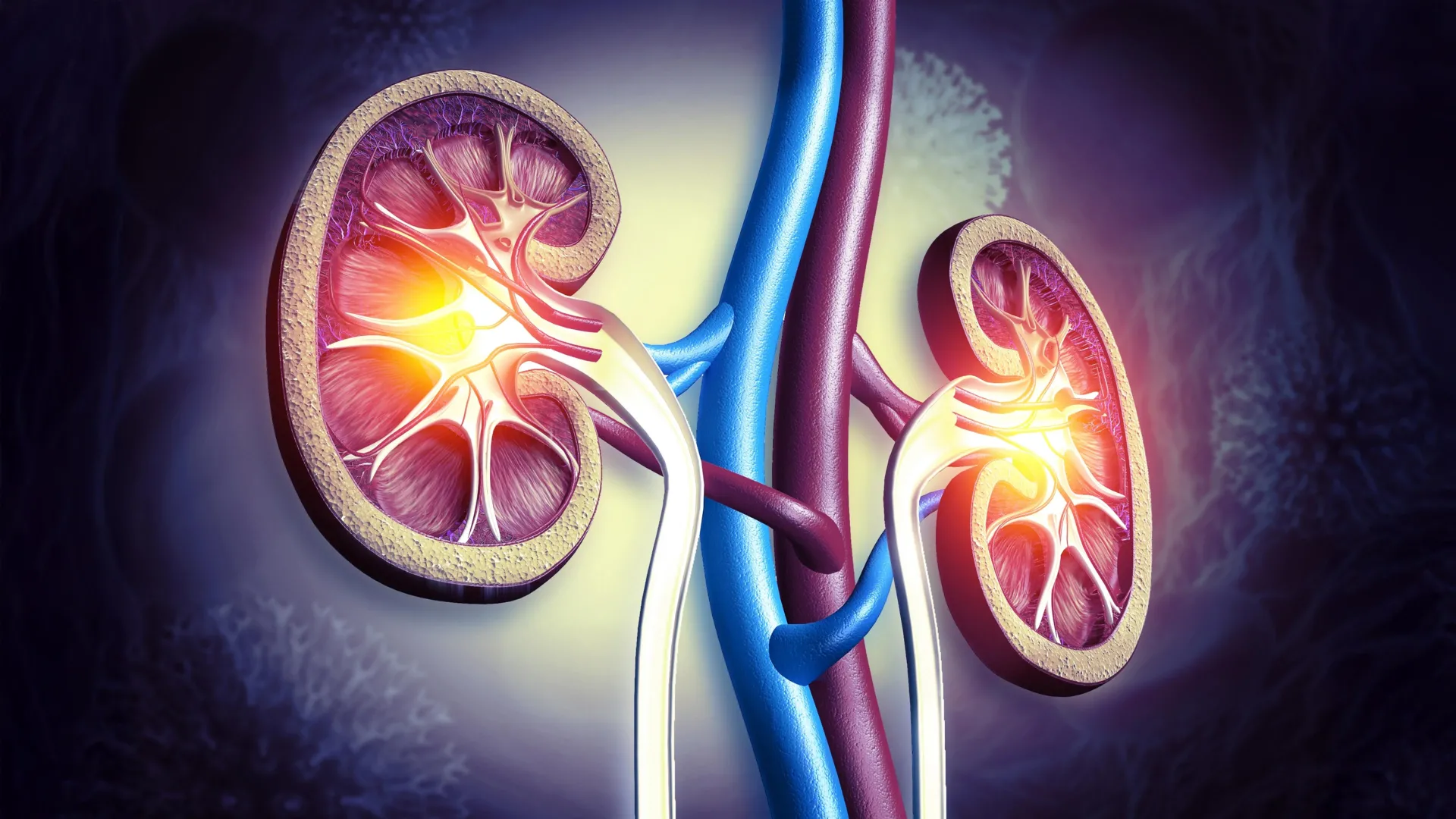
New research unveiled at the 63rd European Renal Association (ERA) Congress has raised significant concerns regarding the use of dihydropyridine calcium-channel blockers (DCCBs), a widely prescribed class of blood pressure medications, in individuals with type 2 diabetes (T2D). The study suggests that these drugs, even when used in conjunction with newer kidney-protective therapies, may be associated with a heightened risk of adverse kidney events. This finding is particularly noteworthy given that DCCBs are frequently employed as second-line treatments for patients already grappling with diabetic kidney disease (DKD).
The implications of this research are substantial, given the global prevalence of T2D and DKD. Diabetic kidney disease stands as a leading cause of kidney failure worldwide, a condition characterized by the gradual deterioration of kidney function due to prolonged high blood sugar levels that damage the delicate blood vessels within the kidneys. This damage impairs the kidneys’ crucial role in filtering waste products from the bloodstream. Managing blood pressure effectively is a cornerstone of DKD management, as elevated blood pressure can accelerate this degenerative process.
Evolving Landscape of Diabetic Kidney Disease Treatment
The therapeutic landscape for DKD has undergone a significant transformation in recent years with the advent of two pivotal drug classes. Renin-angiotensin system (RAS) inhibitors not only help to lower blood pressure but also exert a protective effect by reducing pressure within the kidney’s intricate filtering structures, known as glomeruli. Concurrently, sodium-glucose cotransporter-2 (SGLT2) inhibitors, initially developed to manage hyperglycemia in T2D, have demonstrated remarkable kidney-protective capabilities, including a reduced risk of kidney failure. These two classes are now considered standard of care for a large proportion of patients with DKD, forming the bedrock of treatment strategies aimed at preserving kidney health.
The Study: A Deep Dive into Real-World Data
The research presented at the ERA Congress analyzed comprehensive health data from a cohort of 31,031 adults diagnosed with T2D. The study period spanned from 2016 to 2021, providing a contemporary snapshot of treatment practices and outcomes. A critical aspect of the study design was that all participants were already receiving a combination of RAS and SGLT2 inhibitors, reflecting current best practices for kidney protection in this population.
Within this cohort, researchers identified two distinct groups based on their antihypertensive medication regimens. A total of 12,172 participants (39.2%) were concurrently taking DCCBs alongside their RAS and SGLT2 inhibitors. The remaining 18,859 individuals (60.8%) were treated with other classes of antihypertensive medications, serving as the comparative group. The study meticulously tracked these patients for a median follow-up period of approximately 3.5 years, during which the incidence of major adverse kidney events was recorded and analyzed.
Unveiling the Association: Increased Risk with DCCBs
Following a rigorous statistical analysis that carefully controlled for variations in patients’ baseline clinical characteristics and demographic profiles, the study’s findings revealed a compelling association. Patients who were prescribed DCCBs in addition to their standard kidney-protective therapies exhibited a significantly elevated risk of experiencing major adverse kidney events. Specifically, the risk was found to be 33% greater in the DCCB group compared to those treated with alternative antihypertensive medications (Rate Ratio [R] 1.33, 95% Confidence Interval [CI] 1.03-1.73).
The definition of "major adverse kidney events" in this study was comprehensive, encompassing two critical indicators of kidney health deterioration. These included a substantial decline in kidney filtration capacity, marked by a decrease of 40% or more in the estimated glomerular filtration rate (eGFR), the universally recognized metric for assessing kidney function. Alternatively, these events also encompassed progression to end-stage kidney disease (ESKD), a severe condition necessitating renal replacement therapy such as dialysis or kidney transplantation.
Dr. Timna Agur, the lead author of the study and a researcher affiliated with a prominent academic medical center, articulated the significance of these findings. "DCCBs are widely used as second-line blood pressure treatments in patients with DKD," Dr. Agur stated. "Our findings raise important questions about whether these medications are always the best option for patients already receiving modern kidney-protective therapies."
Delving into the Potential Mechanisms: How DCCBs Might Impact Kidney Function
The researchers proposed a plausible biological mechanism to explain the observed association between DCCB use and poorer kidney outcomes. Their hypothesis centers on the unique way DCCBs influence blood flow dynamics within the kidneys, particularly in the context of DKD. In individuals with diabetic kidney disease, the kidneys often contend with pre-existing elevated intra-renal pressure and a phenomenon known as hyperfiltration. Hyperfiltration occurs when the glomeruli are forced to work overtime, leading to excessive strain on these delicate filtering units.
DCCBs function by relaxing blood vessels. The proposed mechanism suggests that these drugs may preferentially dilate the afferent arterioles – the blood vessels that supply blood to the glomeruli – more significantly than they affect the efferent arterioles, which carry blood away. This differential relaxation, the researchers posit, could lead to an exacerbation of pressure within the glomerular capillaries, potentially contributing to ongoing damage and accelerating kidney disease progression.
"We initially thought the kidney-protective effects of SGLT2 inhibitors might counterbalance the potential harms associated with DCCBs," Dr. Agur explained. "However, the increased risk of kidney disease progression appeared to persist even in this group, suggesting a more complex interplay between these drug classes and kidney health." This observation underscores the need to re-evaluate the current treatment paradigms.
The European Renal Association Congress: A Platform for Cutting-Edge Research
The 63rd ERA Congress, held virtually in 2023, served as a crucial venue for the dissemination of groundbreaking research in nephrology. The congress typically convenes thousands of leading clinicians, researchers, and healthcare professionals from across the globe to present and discuss the latest advancements in kidney care, from basic science discoveries to clinical trial outcomes and public health initiatives. The presentation of findings related to DKD treatment strategies is a consistent highlight, reflecting the immense burden of this condition on global health systems. This year’s congress saw a particular emphasis on personalized medicine and the optimization of therapeutic interventions for chronic kidney diseases.
A Call for Further Investigation: Navigating the Limitations and Future Directions
While the findings are compelling, the researchers are quick to emphasize the observational nature of their study. This design, by its very definition, can identify associations but cannot definitively establish a cause-and-effect relationship. In other words, the study cannot prove that DCCBs directly cause the observed worsening of kidney outcomes. However, the strength of the association and the widespread use of DCCBs in this patient population lend significant weight to the findings and warrant further investigation.
"Further prospective studies and randomized controlled trials are needed to confirm these observations and better define the safest blood pressure treatment strategies for patients with DKD," Dr. Agur concluded. "However, given how commonly these medications are prescribed, any increase in kidney risk could have important implications for large numbers of patients with DKD."
Broader Implications for Clinical Practice and Patient Care
The implications of this research extend beyond academic discourse, potentially influencing clinical practice and patient management strategies. If confirmed by further research, these findings could prompt a re-evaluation of current guidelines for blood pressure management in individuals with T2D, particularly those with established DKD. Clinicians may need to exercise greater caution when prescribing DCCBs to this vulnerable population, especially when they are already on modern kidney-protective therapies.
The study also highlights the ongoing need for robust research into the complex interactions between different classes of medications used to manage T2D and its complications. As therapeutic options expand, understanding their synergistic or antagonistic effects on organ systems like the kidneys becomes increasingly critical. For patients, this research underscores the importance of open communication with their healthcare providers about their medication regimens and any concerns they may have regarding potential side effects or long-term impacts on their health. The quest for optimal kidney protection in the context of T2D remains a dynamic and evolving field, with each new piece of research contributing to a more refined and personalized approach to patient care.