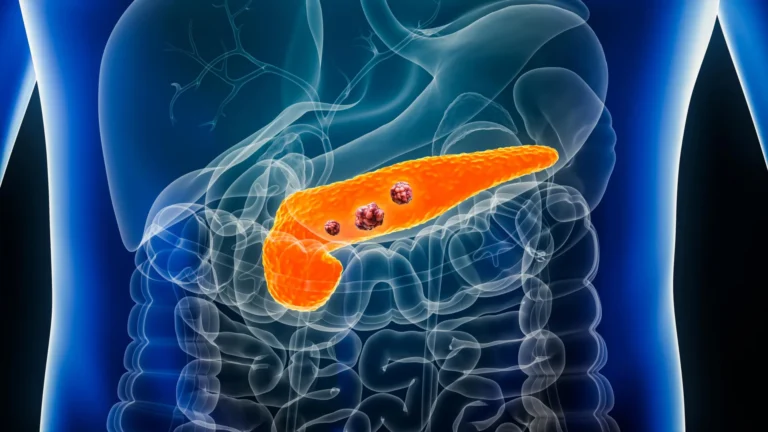



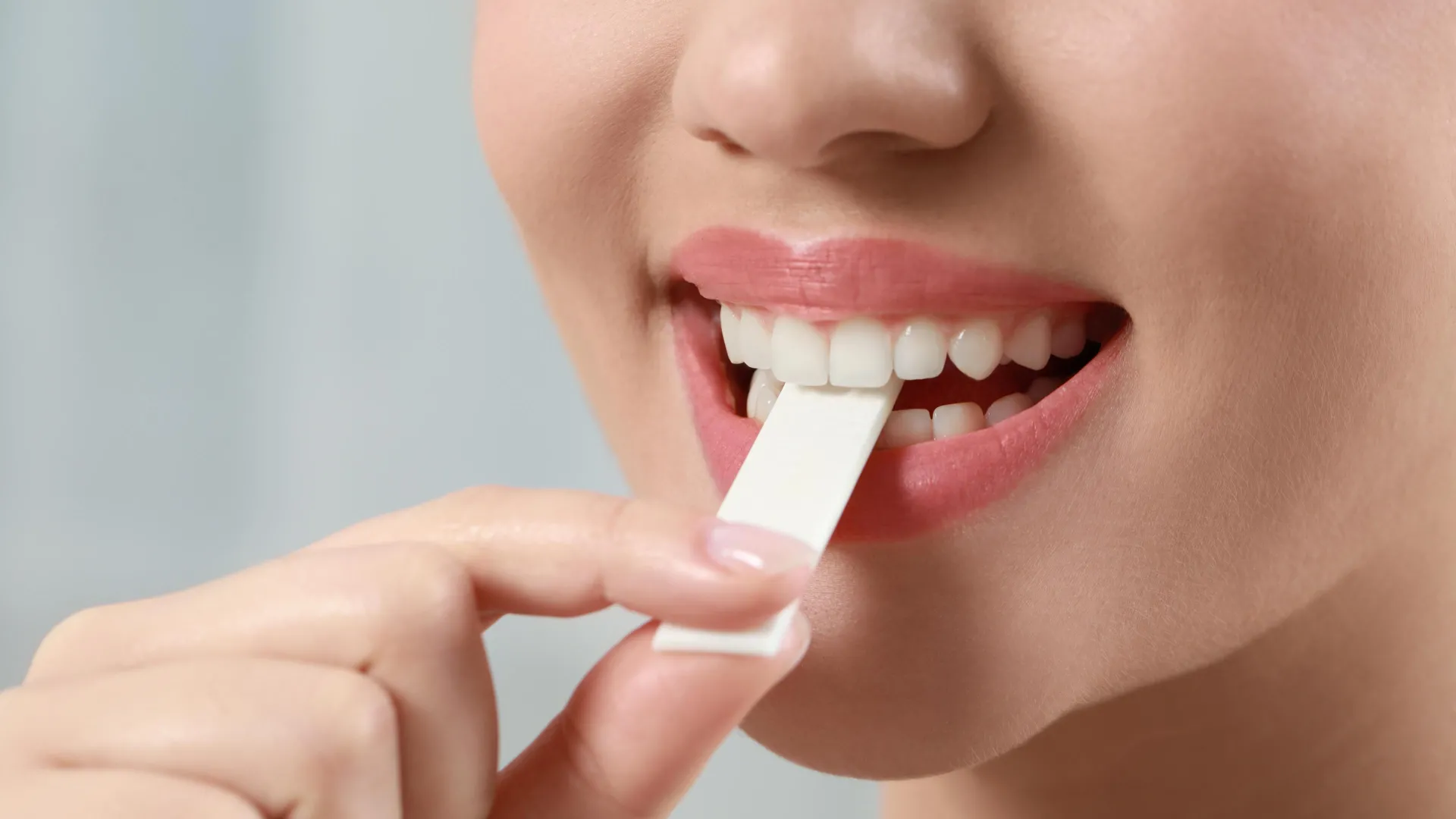
Researchers at the University of Pennsylvania’s School of Dental Medicine have developed an innovative bioengineered chewing gum that demonstrates significant potential in combating microbes linked to head and neck cancers. In preliminary studies utilizing oral samples from patients diagnosed with head and neck squamous cell carcinoma (HNSCC), extracts derived from this novel gum effectively reduced the presence of a key virus and two prevalent bacterial species implicated in the disease’s development and progression. This breakthrough, detailed in the scientific journal Scientific Reports, could pave the way for more accessible and cost-effective therapeutic strategies in the fight against these challenging cancers.
The Urgent Need for Enhanced Head and Neck Cancer Therapies
Head and neck squamous cell carcinoma (HNSCC) represents a significant global health concern. This aggressive form of cancer originates in the mucosal linings of the oral cavity, pharynx, and larynx. Despite advancements in medical science, the prognosis for patients diagnosed with HNSCC, particularly when detected at advanced stages, often remains poor. The five-year survival rates for many subtypes of HNSCC have seen only marginal improvements in recent years, highlighting a critical need for novel treatment modalities that can complement existing therapies and enhance patient outcomes.
Professor Henry Daniell, a leading researcher at the University of Pennsylvania’s School of Dental Medicine and the principal investigator of this study, has emphasized the limitations of current therapeutic approaches. "Many recently approved cancer medications, while beneficial in certain contexts, have not yielded substantial improvements in patients’ overall quality of life or long-term survival rates," Professor Daniell stated. "This persistent challenge underscores the imperative for innovative strategies that can work synergistically with established treatments, offering new hope and improving the therapeutic landscape for HNSCC patients."
A Multifaceted Microbial Assault on Oral Health
The research team’s groundbreaking work builds upon earlier investigations into the therapeutic potential of chewing gum derived from lablab beans, a substance rich in a naturally occurring antiviral protein known as FRIL. This foundational research laid the groundwork for the current study, which focuses on precisely targeting the microbial culprits associated with HNSCC.
The study meticulously examined oral samples collected from individuals diagnosed with HNSCC, focusing on three specific microorganisms with known links to the disease: human papillomavirus (HPV), Porphyromonas gingivalis (Pg), and Fusobacterium nucleatum (Fn).
HPV, particularly certain high-risk oncogenic strains, is a well-established etiological agent for a significant proportion of oropharyngeal cancers, a subset of head and neck cancers. The global incidence of oropharyngeal cancers has seen a concerning rise, with HPV infection identified as a primary driver of this trend.
Adding to the complexity of the oral microbiome’s role in cancer, the bacteria Porphyromonas gingivalis and Fusobacterium nucleatum have also emerged as critical players in the pathogenesis and progression of HNSCC. These anaerobic bacteria are commonly found in the oral cavity and are associated with periodontal disease. However, their presence in the context of HNSCC has been linked to more aggressive tumor behavior, increased resistance to treatment, and poorer survival outcomes, even after comprehensive therapeutic interventions such as surgery and adjuvant therapies.
Professor Daniell elaborated on the synergistic detrimental effects of these microbes: "The escalating global burden of oropharyngeal cancer is undeniably linked to HPV infection. Furthermore, infections with Porphyromonas gingivalis and Fusobacterium nucleatum have been shown to significantly worsen survival rates in patients with untreated recurrent or metastatic oral cancer, even when they undergo surgery and receive risk-adjusted adjuvant therapies. Addressing these microbial factors is therefore crucial for improving patient prognoses."
Bioengineered Gum Demonstrates Potent Antimicrobial Action
The experimental findings revealed the remarkable efficacy of the bioengineered chewing gum in neutralizing these harmful microbes. In tests conducted with saliva samples from HNSCC patients, extracts from the bean gum significantly reduced HPV levels by an impressive 93%. Similarly, HPV levels in oral rinse samples saw a substantial decrease of 80%.
Building upon this success, the researchers further engineered the bean gum to incorporate protegrin, a potent antimicrobial peptide known for its ability to eradicate harmful bacteria. The introduction of protegrin into the gum formulation proved exceptionally effective. A single dose of the protegrin-enhanced gum was sufficient to reduce the levels of both Porphyromonas gingivalis and Fusobacterium nucleatum to near-undetectable levels.
A critical aspect of this research is the gum’s selective action. Importantly, the treatment did not appear to adversely affect the beneficial bacteria that naturally reside in the oral cavity, a crucial component of a healthy oral microbiome. This selective targeting is a significant advantage, particularly when compared to certain conventional cancer treatments like radiation therapy. Radiation, while effective against cancer cells, can indiscriminately reduce both beneficial and disease-causing bacteria, potentially leading to an overgrowth of opportunistic pathogens like Candida albicans, a yeast commonly associated with oral thrush.
A Promising New Adjunct and Preventive Strategy
The ability of this bioengineered chewing gum to selectively target pathogenic microbes while preserving the beneficial oral microbiome presents a multitude of potential applications. Researchers envision the gum serving as a valuable adjunct therapy, complementing existing cancer treatments by reducing the microbial load associated with HNSCC. Furthermore, its potential as a preventive measure against infection and transmission is also being explored.
Professor Daniell highlighted the far-reaching implications of this research, particularly concerning the rising incidence of lip and oral cavity cancers across various age demographics. "Lip and oral cavity cancer was the seventh leading cancer type in terms of incidence and mortality worldwide in adolescents, young adults, and middle-aged adults in 2022," he stated. "Our findings provide compelling evidence for the value of advancing these bioengineered gum therapies into clinical trials. They hold significant promise as adjuvants alongside current cancer treatments or as a prophylactic measure to prevent infection and curb transmission."
Future Directions and Broader Impact
The successful demonstration of this bioengineered chewing gum’s efficacy in laboratory settings marks a significant step forward. The next crucial phase will involve rigorous clinical trials to validate these findings in human patients and to determine optimal dosages, treatment regimens, and long-term safety profiles.
The potential impact of this research extends beyond immediate therapeutic benefits. The development of an easily administered and potentially affordable intervention like chewing gum could democratize access to advanced cancer-related microbial control. This is particularly relevant in regions with limited healthcare infrastructure or where the cost of existing treatments poses a barrier to care.
Moreover, understanding the intricate interplay between the oral microbiome and cancer development is an evolving field. This research contributes valuable insights into how specific microbial communities can influence cancer risk, progression, and treatment response. The ability to modulate these microbial communities through targeted interventions like the bioengineered gum could usher in a new era of personalized and microbiome-directed cancer therapies.
The research team’s commitment to exploring novel therapeutic avenues, coupled with the promising results observed thus far, offers a beacon of hope for patients battling head and neck cancers and underscores the vital role of interdisciplinary research in advancing medical science.
A Timeline of Key Developments
The research leading to the bioengineered chewing gum can be traced through several key stages:
- Early Research (Pre-2020s): Foundational studies explored the potential of chewing gum as a delivery vehicle for therapeutic agents. Research into the antimicrobial properties of plant-derived proteins and peptides, including FRIL and protegrin, laid the scientific groundwork.
- Development of FRIL-Containing Gum (Circa 2020s): Initial development of chewing gum incorporating FRIL, a naturally occurring antiviral protein, demonstrated its potential for oral health applications.
- Focus on HNSCC Microbes (Current Study Period): The research team, led by Professor Henry Daniell, specifically investigated the impact of gum extracts on microbes linked to head and neck cancers, including HPV, Porphyromonas gingivalis, and Fusobacterium nucleatum.
- Bioengineering with Protegrin (Current Study Period): The gum was further engineered to include protegrin, an antimicrobial peptide, to enhance its efficacy against bacteria.
- Publication of Findings (Recent): The results of the study were published in the peer-reviewed journal Scientific Reports, making the findings accessible to the broader scientific community.
- Future: Clinical Trials (Ongoing and Planned): The next critical step involves progressing these promising findings into human clinical trials to assess safety and efficacy in patients.
Supporting Data and Scientific Context
The statistical significance of the reported reductions in microbial levels is crucial. A 93% reduction in HPV levels in saliva samples indicates a substantial decrease in the viral load, which is directly correlated with the risk of HPV-driven cancers. Similarly, an 80% reduction in oral rinse samples further corroborates the gum’s effectiveness. The near-complete elimination of Porphyromonas gingivalis and Fusobacterium nucleatum to "almost zero" levels is a remarkable outcome, suggesting a potent bactericidal effect.
The scientific basis for targeting these specific microbes is well-established:
- HPV and Oropharyngeal Cancer: The International Agency for Research on Cancer (IARC) classifies certain high-risk HPV types as carcinogenic. Studies have shown that HPV is responsible for approximately 70% of oropharyngeal cancers in developed countries.
- Porphyromonas gingivalis and HNSCC: Research has indicated that P. gingivalis can promote oral cancer progression by influencing the tumor microenvironment, suppressing anti-tumor immunity, and contributing to inflammation.
- Fusobacterium nucleatum and HNSCC: F. nucleatum has been found to be enriched in oral tumors and has been implicated in promoting tumor growth, metastasis, and resistance to chemotherapy.
The distinction between targeting pathogenic microbes and preserving beneficial bacteria is critical. The oral microbiome plays a vital role in maintaining oral health, preventing colonization by pathogens, and supporting immune function. Disrupting this balance can have detrimental consequences. The fact that the engineered gum did not harm beneficial bacteria suggests a targeted and sophisticated approach to microbial modulation.
Official Acknowledgments and Funding
The research leading to this significant development was supported by several esteemed institutions and grants, underscoring the collaborative and well-funded nature of the scientific endeavor.
- National Institutes of Health (NIH): Grant 5-R01-HL 107904-13 awarded to Henry Daniell provided substantial funding for this research, indicating the NIH’s recognition of its importance.
- University of California, Los Angeles (UCLA) Academic Senate Grant: The Academic Senate Grant of the David Geffen School of Medicine at UCLA, specifically supporting the Surgical Education Research program, contributed to the study’s resources.
- National Cancer Institute (NCI) Cancer Center: Support Grant P30 CA168524 from the NCI further bolstered the research, highlighting its alignment with national cancer research priorities.
The inclusion of numerous contributing authors from various prestigious institutions, including Penn Dental Medicine, the University of Kansas Medical Center, the University of California at Los Angeles, and the Veterans Administration Greater Los Angeles Healthcare System, speaks to the interdisciplinary nature of the project and the breadth of expertise involved. Professor Henry Daniell’s role as the W.D. Miller Professor in the Department of Basic & Translational Sciences at Penn Dental Medicine signifies his prominent position within the field.
Broader Impact and Implications for Global Health
The implications of this bioengineered chewing gum extend beyond the immediate treatment of HNSCC. The development of such a novel delivery system for antimicrobial agents could revolutionize how oral infections and conditions are managed.
- Accessibility and Affordability: Chewing gum is a universally recognized and accessible format. If manufactured at scale, this therapeutic gum could become a highly affordable and user-friendly option for patients, particularly in resource-limited settings.
- Preventive Healthcare: The potential for using the gum as a prophylactic measure against infection and transmission is a game-changer. It could be used in high-risk populations or individuals with weakened immune systems to prevent the establishment of HNSCC-associated microbes.
- Personalized Medicine: As our understanding of the oral microbiome’s role in cancer deepens, interventions like this gum could become integral to personalized cancer treatment plans, tailored to the specific microbial profile of each patient.
- Reduced Side Effects: Compared to systemic antibiotic treatments or aggressive chemotherapies, a localized, targeted approach delivered via chewing gum is likely to have fewer systemic side effects, improving patient compliance and quality of life.
- Global Cancer Burden: Given that head and neck cancers represent a significant global health challenge, particularly in developing countries where access to advanced medical care may be limited, innovations like this bioengineered gum could have a profound impact on reducing cancer incidence and mortality worldwide. The 2022 statistic highlighting lip and oral cavity cancer as the seventh leading cause of cancer incidence and mortality in a broad age range underscores the urgent need for such accessible interventions.
In conclusion, the development of this bioengineered chewing gum represents a significant scientific advancement with the potential to transform the landscape of head and neck cancer treatment and prevention. The combination of targeted microbial eradication, preservation of beneficial oral flora, and the inherent accessibility of the chewing gum format positions this innovation as a promising and impactful solution for a pressing global health issue.