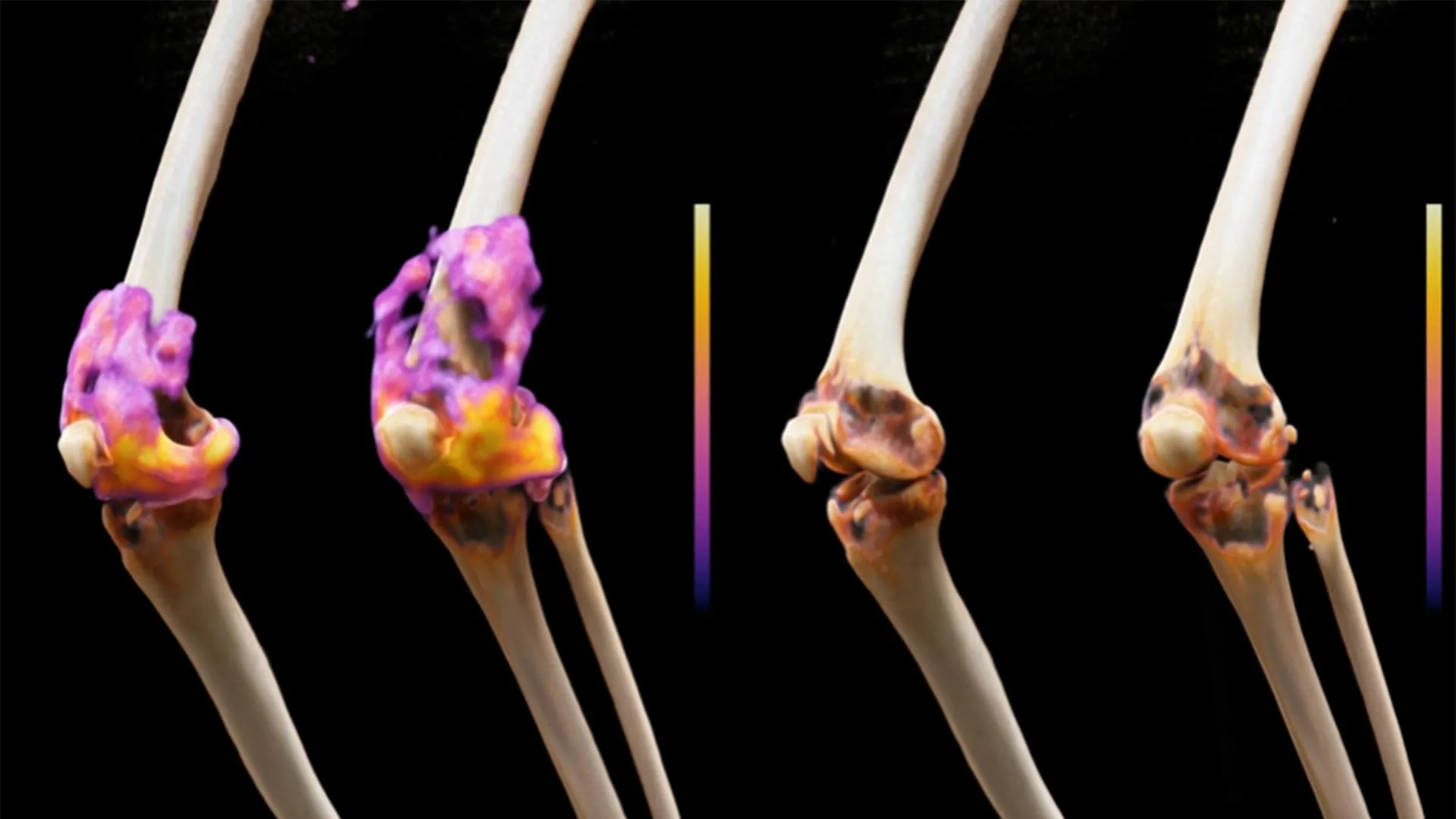
Immunotherapies, once solely the domain of cancer treatment, are now emerging as a potential game-changer for autoimmune diseases, with groundbreaking research from Charité – Universitätsmedizin Berlin offering new hope for individuals suffering from severe rheumatoid arthritis. A pioneering clinical trial, detailed in the esteemed journal Nature Medicine, has demonstrated remarkable early success in repurposing CAR T-cell therapy, a personalized treatment derived from a patient’s own immune cells, to combat this debilitating chronic condition.
A New Frontier in Autoimmune Disease Treatment
CAR T-cell therapy, which stands for Chimeric Antigen Receptor T-cell therapy, has revolutionized the treatment of certain blood cancers by engineering a patient’s T cells to specifically target and destroy cancer cells. The core principle involves extracting T cells, a crucial component of the immune system, genetically modifying them in a laboratory to express a CAR that can recognize a specific antigen on the target cell, and then reinfusing these enhanced cells back into the patient. In the context of autoimmune diseases like rheumatoid arthritis, the strategy is to redirect these potent immune cells to eliminate the specific immune cells that are mistakenly attacking the body’s own tissues.
Rheumatoid arthritis is a chronic autoimmune disorder characterized by the immune system’s misguided assault on the joints. This persistent inflammation leads to swelling, pain, stiffness, and over time, can cause irreversible joint damage, significantly impacting mobility and quality of life. Current treatments often focus on managing inflammation and suppressing the immune system, but they rarely offer a cure, frequently necessitating lifelong medication with potential side effects. For a subset of patients, even advanced therapies fail to provide adequate relief, a condition known as treatment-refractory rheumatoid arthritis.
The Challenge of Persistent Inflammation
"One reason could be disease-driving B cells – memory cells of the adaptive immune system that may survive in the lymph nodes, bone marrow or joint tissue after an infection, where they produce harmful antibodies directed against the body’s own tissues and repeatedly reignite the inflammation," explains Professor David Simon, who co-designed the trial with Professor Gerhard Krönke at Charité’s Department of Rheumatology and Clinical Immunology. These persistent, rogue B cells are believed to act as reservoirs of inflammation, continually fueling the autoimmune process even when systemic inflammation is suppressed.
The Charité research team’s innovative approach aims to target these elusive, disease-driving B cells, even when they are deeply embedded within bodily tissues. By effectively clearing these abnormal B-cell populations, the therapy seeks to provide a "reset" for the immune system, potentially leading to sustained remission of the disease.
The Mechanism: Targeting CD19
The key to this therapeutic strategy lies in identifying a common marker on these harmful B cells. "The identifying marker on many B cells, both abnormal B cells in cancers of the blood or lymphatic system and disease-driving B cells in rheumatoid arthritis, is the surface molecule CD19. You could think of it as a kind of ‘name tag’," explains Professor Simon. "To enable CAR T cells to detect and eliminate the disease-causing cells, we equip patients’ own immune cells with a receptor that acts like a search sensor for CD19."
The process begins with the collection of T cells from a patient’s blood. These cells are then meticulously engineered in the laboratory to express the chimeric antigen receptor (CAR) designed to bind to CD19. Before the infusion of these modified T cells, patients undergo a brief course of preparatory chemotherapy. This step is crucial to temporarily reduce the number of existing immune cells, creating an optimal environment for the CAR T cells to expand, persist, and effectively carry out their mission. The genetically engineered CAR T cells are then administered to the patient via a single infusion.
Early Success in Treatment-Refractory Rheumatoid Arthritis
The first-of-its-kind clinical trial, designated as the COMPARE study, enrolled six patients who had previously endured particularly severe and treatment-resistant rheumatoid arthritis. These participants, aged between 31 and 69, had failed to find adequate relief from an average of eight different targeted or biologic therapies over the preceding decade. The primary objectives were to assess the safety of CD19 CAR T-cell therapy in this patient population and to determine its efficacy in reaching and eliminating disease-driving B cells within the joints.
The results of this initial phase have been deemed "highly encouraging" by the research team. In all six participants, disease activity showed a substantial decrease. Remarkably, by the end of the observation period, which extended up to one year, three of the patients achieved sustained remission, meaning they were completely free of rheumatoid arthritis symptoms and no longer required any medication. Professor Gerhard Krönke, who leads the joint Clinical Rheumatology research group at Charité and the German Rheumatology Research Center (DRFZ), highlighted the significance of these findings: "This is particularly remarkable given that none of the established treatments had previously been able to relieve their symptoms adequately."
Reaching Hidden Inflammatory Reservoirs
Beyond merely reducing joint inflammation, the CAR T-cell therapy demonstrated an ability to penetrate deep into the body’s tissues. Researchers confirmed that the modified immune cells successfully reached and eliminated disease-promoting B cells residing in critical sites such as the bone marrow, lymph nodes, and joint tissue. These are known reservoirs where B cells can persist and perpetuate inflammation.
Over the 12 months following treatment, a significant decline in autoantibodies associated with rheumatoid arthritis was observed. Professor Simon elaborated on the implications: "When the B-cell system later recovered, predominantly naïve B cells that had not yet been shaped by the disease returned. In contrast, the B cells directed against the body’s own tissues that had been present before treatment were no longer detectable in almost all patients, an indication that the treatment may indeed be able to reset the pathological immune memory." This suggests that the therapy not only clears existing problematic B cells but also facilitates the generation of a new, healthy B-cell repertoire.
Crucially, the therapy’s impact on protective immunity appeared to be largely preserved. Antibody levels from prior vaccinations, such as those for chickenpox and tetanus, remained detectable, indicating that the essential memory for fighting off infections was not broadly compromised, despite the profound, albeit temporary, depletion of B cells. Further research is ongoing to fully understand any long-term effects on the immune system’s overall function.
Promising Outlook, Experimental Status
The initial success of the COMPARE study indicates that a single infusion of CAR T-cell therapy could potentially induce a prolonged period of symptom-free remission in a subset of patients with severe rheumatoid arthritis who have exhausted conventional treatment options. The prospect of directly "resetting" pathological immune memory, rather than continuously suppressing the immune system, offers a paradigm shift in managing autoimmune diseases.
However, it is vital to emphasize that CAR T-cell therapy for autoimmune conditions, including rheumatoid arthritis, remains experimental. The long-term efficacy and safety profiles are still under investigation. The observed responses varied among the six participants; not all achieved complete remission, and one patient experienced a relapse after an initial period of medication-free remission.
Safety Profile: Encouraging Early Signs
From a safety perspective, the findings are encouraging. Dr. Marie Luise Hütter-Krönke, Medical Director of the Hematology Early Clinical Trial Unit at Charité, reported that all participants experienced only temporary, mild-to-moderate cytokine release syndrome (CRS), a common side effect of CAR T-cell therapy that was effectively managed. Notably, no severe neurological complications or other serious adverse events were observed, and infections were rare. This favorable safety profile in a vulnerable patient group is a significant positive indicator for the further development of this therapy.
Next Steps: Larger Comparison Study
Building on these promising initial results, the second phase of the COMPARE trial is set to enroll ten additional patients. This phase will involve a direct comparison of CAR T-cell therapy with an established B-cell-targeting drug currently approved for rheumatoid arthritis. This head-to-head comparison is designed to rigorously evaluate whether CAR T cells offer superior or more durable effects and to definitively confirm their capacity to reset immune memory.
If the outcomes of this next phase and subsequent larger studies corroborate these findings, CAR T-cell therapy could evolve into a vital new treatment option for individuals with severe rheumatoid arthritis who have limited or no recourse to effective therapies, significantly improving their quality of life and potentially offering a path towards sustained remission.
About the COMPARE Study
The COMPARE study, particularly its first phase, was meticulously designed to evaluate the safety and effectiveness of CD19 CAR T-cell therapy in patients with treatment-refractory rheumatoid arthritis. Key contributors to this groundbreaking research include investigators from Charité’s Department of Rheumatology and Clinical Immunology and the Department of Hematology, Oncology and Cancer Immunology at Campus Benjamin Franklin. Collaborations extended to the Cluster of Excellence ImmunoPreCept, the German Rheumatology Research Center (DRFZ), a Leibniz Institute, and the Fraunhofer Institute for Translational Medicine and Pharmacology ITMP. The study was initiated and conceptualized at Charité and received support from Kyverna Therapeutics. It is important to note that Kyverna Therapeutics played no role in the design, data collection, analysis, or presentation of the study results.