

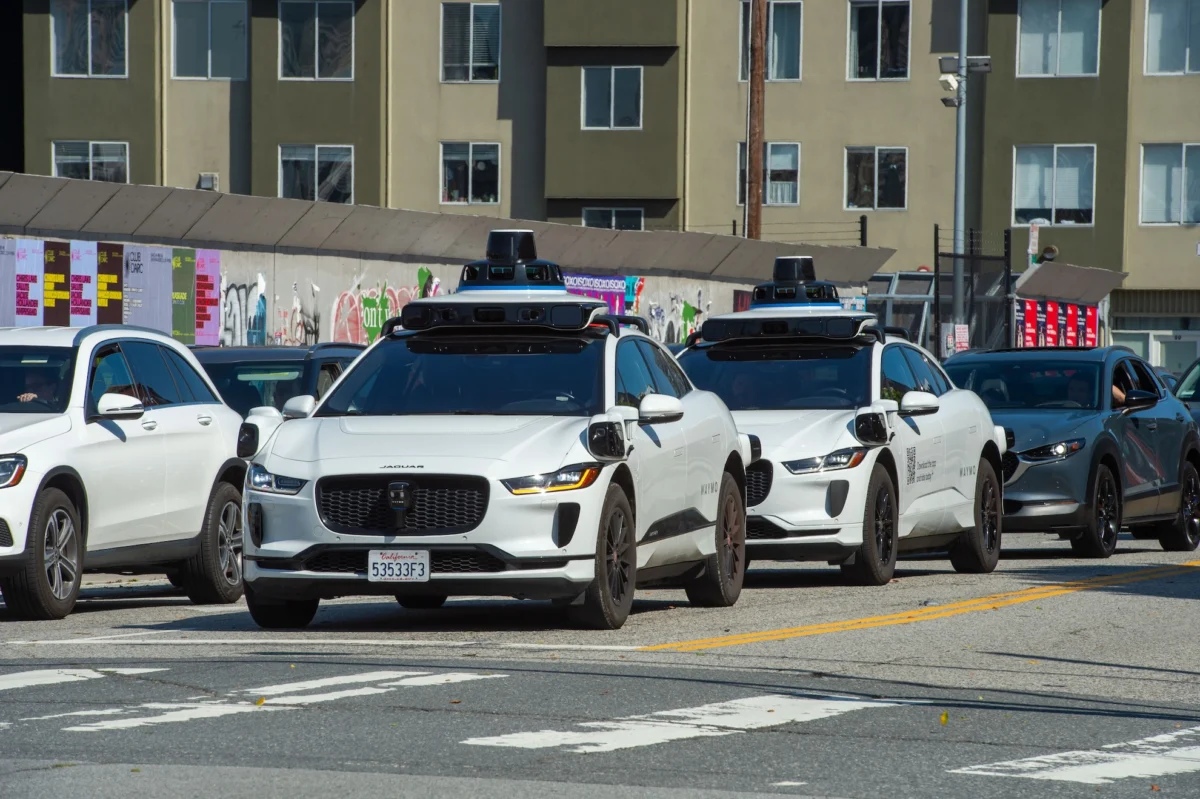
San Francisco Mayor Daniel Lurie, once a staunch proponent of the city serving as a "testbed for emerging tech," has drawn a line in the sand regarding the operational autonomy of driverless vehicles, particularly after a series of incidents involving Waymo robotaxis caused significant urban disruption. His shift in stance underscores a growing tension between technological innovation and the practical realities of urban management and public safety. The Mayor has formally petitioned state regulators to implement more robust rules for autonomous vehicles, a call spurred by an hours-long traffic jam on July 4th that saw thousands stranded and city services paralyzed due to immobile robotaxis.
The Independence Day gridlock incident, a particularly egregious example, saw Waymo vehicles become static in heavy holiday traffic, subsequently running out of power and further exacerbating the congestion on key San Francisco streets. This cascading failure not only trapped municipal shuttles but also escalated into a citywide problem, affecting an untold number of residents and visitors. The incident wasn’t isolated; it followed a similar pattern observed during a widespread power outage in December, both of which highlighted critical vulnerabilities in the autonomous vehicle (AV) operational framework within extraordinary circumstances.
The Incidents That Sparked Action: A Chronicle of Congestion
The catalyst for Mayor Lurie’s assertive stance was primarily the Fourth of July fiasco, an event that vividly illustrated the limitations of current autonomous vehicle deployment. On a day when San Francisco typically buzzes with festivities and draws immense crowds, the Golden Gate Bridge fireworks show alone attracted over 100,000 spectators. This influx of people and vehicles placed immense strain on the city’s infrastructure. Amidst this celebratory chaos, dozens of Waymo robotaxis, designed to navigate urban environments autonomously, became immobilized. Eyewitness accounts and city reports described scenes of frustration and bewilderment as these advanced vehicles, instead of alleviating traffic, contributed to its paralysis. Vehicles were reportedly stuck for hours, unable to move, reroute, or even power themselves to a safe, out-of-the-way location. This effectively turned them into static obstacles, compounding an already severe traffic situation and blocking crucial arteries. The gridlock extended for miles, trapping thousands in their cars, delaying emergency services, and disrupting public transportation schedules. The inability of the AVs to self-resolve or be quickly removed by their operators underscored a significant gap in their operational resilience.
This July 4th event was not the first time San Francisco experienced AV-induced paralysis. A widespread power outage in December had previously led to similar issues, with numerous Waymo vehicles becoming stranded and contributing to traffic snarls. While the specific details of the December incident were less publicly scrutinized than the July 4th debacle, Mayor Lurie’s letter explicitly cited both events as clear demonstrations that "California’s current regulatory framework does not adequately address how autonomous vehicles operate during major incidents, planned or not." He articulated the core challenge: "California’s challenge now is not just whether autonomous vehicles can operate safely under normal conditions, but also whether they can perform reliably during extraordinary ones." This perspective shifts the regulatory focus from mere functionality to robust resilience and contingency planning, a critical evolution as AV technology integrates more deeply into urban fabric.
Mayor Lurie’s Call for Enhanced Operational Capabilities
In his formal letter to the California Department of Transportation (Caltrans), reviewed by TechCrunch and first reported by The San Francisco Chronicle, Mayor Lurie outlined four "core operational capabilities" that he believes autonomous vehicle manufacturers must demonstrate. These proposed requirements aim to create a statewide standard, ensuring that future incidents like the July 4th gridlock are prevented or at least mitigated effectively.
The first crucial capability mandates that companies must be able to immediately remove or relocate robotaxis from active travel lanes to maintain the flow of traffic. This addresses the immediate problem of stranded vehicles becoming immovable roadblocks. Currently, the process for removing an immobile AV can be cumbersome, often requiring human intervention from the operating company, which can take considerable time in congested areas.
Secondly, Lurie emphasized the need for AVs to demonstrate real-time adaptability. This includes the ability for robotaxis to dynamically adjust their routes, service areas, and even pickup and drop-off locations in response to unfolding incidents or changing traffic conditions. This proactive rerouting would prevent vehicles from entering or getting trapped in congested zones and enable them to continue service efficiently, even when faced with unexpected disruptions. This capability is particularly critical in dynamic urban environments prone to sudden road closures, accidents, or large public gatherings.
The third requirement focuses on enhanced data sharing and transparency. Lurie proposed that AV companies should be obligated to share real-time operational data with local agencies. This data would include critical information such as service disruptions, the precise locations of immobile robotaxis, and details of recovery efforts. Such transparency is vital for city emergency services, traffic management centers, and local authorities to effectively coordinate responses, allocate resources, and keep the public informed during incidents. Without this real-time insight, managing complex urban crises becomes significantly more challenging.
Finally, the Mayor’s vision includes a demand for AV manufacturers to demonstrate through rigorous testing their ability to handle large influxes of people and traffic. This goes beyond routine operational safety and delves into the AVs’ performance under stress conditions, mirroring scenarios like major public events or widespread emergencies. This requirement would likely involve simulation and real-world stress tests, pushing the boundaries of the vehicles’ navigational and decision-making algorithms to ensure they can perform reliably when demand and complexity are at their peak.
Lurie asserted that these proposed requirements are not intended to stifle innovation but rather to "strengthen" autonomous vehicles by ensuring their safe and reliable integration into urban life. He argued that the voluntary actions taken by companies like Waymo, such as restricting service near the waterfront on July 4th and assigning a representative to the city’s emergency center, proved insufficient given the scale of the traffic event. This suggests a need for legally binding, standardized regulations rather than ad-hoc, voluntary measures.
The Regulatory Landscape in California: A Precedent-Setting Environment
California has long been at the forefront of autonomous vehicle development and regulation. Any company aspiring to operate a robotaxi service within the state must successfully navigate a dual-permit process involving two distinct state agencies: the Department of Motor Vehicles (DMV) and the Public Utilities Commission (CPUC).
The California Department of Motor Vehicles (DMV) is primarily responsible for vehicle registration and driver licensing. In the context of AVs, the DMV issues permits for both testing driverless vehicles (allowing them to operate without a human safety operator behind the wheel) and for the deployment of fully autonomous vehicles for public use. These permits require companies to submit extensive documentation regarding their safety protocols, testing methodologies, and operational plans. The DMV’s focus is largely on the fundamental safety and technical competence of the autonomous driving system itself.
The California Public Utilities Commission (CPUC), on the other hand, regulates public utilities and transportation services within the state. For robotaxi services, the CPUC grants permits for commercial operations, ensuring that these services meet public safety, accessibility, and consumer protection standards, similar to how it regulates traditional ride-sharing companies or taxis. The CPUC considers aspects such as service reliability, pricing, and the ability of the company to provide adequate customer support and incident response.
California’s existing regulatory framework is widely considered stricter than that of many other states, such as Texas and Arizona, which have adopted more permissive approaches to AV testing and deployment. Despite this stringent environment, the allure of California’s robust tech ecosystem, diverse urban landscapes for testing, and large potential customer base continues to attract numerous AV companies. This regulatory stringency reflects the state’s cautious approach to integrating nascent technologies into complex public infrastructure, balancing innovation with public interest and safety. The current incidents, however, suggest that even this framework, comprehensive as it may be, did not adequately anticipate the challenges posed by extraordinary circumstances and the rapid scaling of AV operations.
San Francisco: A Hub for Autonomous Innovation and Its Growing Pains
San Francisco and the broader Silicon Valley area have historically served as a global epicenter for autonomous vehicle technology development and testing. The region offers a unique combination of complex urban environments, diverse weather conditions, and a tech-savvy population, making it an ideal "living laboratory" for AV companies. Currently, six companies, including Nuro, Waymo, and Zoox, hold driverless testing permits from the California DMV, allowing them to operate vehicles on public roads without a human safety operator present.
Beyond testing, the area has also become a critical launch point for commercial AV services. Waymo, a subsidiary of Alphabet (Google’s parent company), stands as the most prominent player in the Bay Area, with an estimated fleet of 1,000 robotaxis operating today. Its significant scale, with more than 500,000 paid rides completed weekly across 11 cities, makes it a focal point for both innovation enthusiasts and regulatory scrutiny. The company’s extensive operations provide invaluable data for refining its autonomous driving system but also amplify the potential impact of operational failures.
Other major players are also either actively testing or poised to launch commercial operations in San Francisco. Amazon-owned Zoox is a notable competitor, developing its unique purpose-built autonomous vehicles. Furthermore, Uber is reportedly partnering to launch a premium robotaxi service, indicating the continued interest and investment in the San Francisco market. Tesla, while a household name in electric vehicles with advanced driver-assistance systems, operates differently. Its branded "robotaxi" service relies on human drivers utilizing its sophisticated Autopilot/Full Self-Driving software under a charter transportation permit, rather than fully autonomous, driverless vehicles requiring DMV and CPUC permits for true robotaxi operations. This distinction is crucial in understanding the different levels of autonomy and regulatory oversight.
The sheer volume of Waymo’s fleet in San Francisco has inevitably placed it under a magnifying glass, not just for local regulators but potentially for those nationwide. The voluntary measures Waymo took on July 4th, such as limiting service zones and assigning an emergency liaison, were commendable but ultimately insufficient to prevent the widespread disruption. This highlights a critical challenge: as AV fleets scale up, the potential for individual vehicle failures to coalesce into systemic urban problems increases exponentially. Mayor Lurie’s assertion that these voluntary actions are no longer adequate is a direct reflection of this increased scale and the corresponding demand for more robust, legally enforceable safeguards.
Broader Impact and Implications for the AV Industry
Mayor Lurie’s proactive stance and proposed regulations could have far-reaching implications, not just for Waymo but for the entire autonomous vehicle industry. California often sets regulatory precedents that other states and even countries eventually adopt. If Caltrans and the other state agencies move to formalize these "core operational capabilities," it could reshape how AV companies develop, test, and deploy their technology nationwide.
One immediate implication is the potential for increased development costs. Meeting these new, stringent requirements, particularly around real-time adaptability, data sharing, and stress testing, will necessitate significant investment in software, hardware, and operational infrastructure. Companies may need to rethink their incident response protocols, potentially requiring more human oversight or advanced remote intervention capabilities than currently exist.
Furthermore, the public perception of autonomous vehicles could be heavily influenced by how this regulatory debate unfolds. Incidents like the July 4th gridlock erode public trust, which is already a significant hurdle for widespread AV adoption. Demonstrating a clear commitment to safety and reliability, even in extraordinary circumstances, is paramount to gaining and maintaining public confidence. Mayor Lurie’s argument that these regulations will "strengthen" autonomous vehicles by enhancing their reliability and safety aims precisely at this point – fostering a more sustainable path for AV integration into society.
For urban planners and emergency services, these regulations offer a clearer framework for collaboration with AV companies. Real-time data sharing and predefined protocols for incident response would significantly improve a city’s ability to manage its transportation network during crises. It would move the relationship from one of ad-hoc communication to a more integrated, systematic partnership.
The situation in San Francisco also highlights a fundamental tension: the push for rapid technological innovation versus the need for meticulous regulatory oversight and public safety. While AVs promise to revolutionize transportation by reducing accidents, improving traffic flow, and offering new mobility options, their deployment must be managed carefully to avoid creating new problems. The challenge lies in finding a balance that fosters innovation without compromising the well-being and functionality of urban environments. The outcome of Mayor Lurie’s appeal to Caltrans will be a crucial indicator of this evolving balance, potentially setting a new standard for how cities and states approach the integration of autonomous technology into the complex tapestry of modern life.