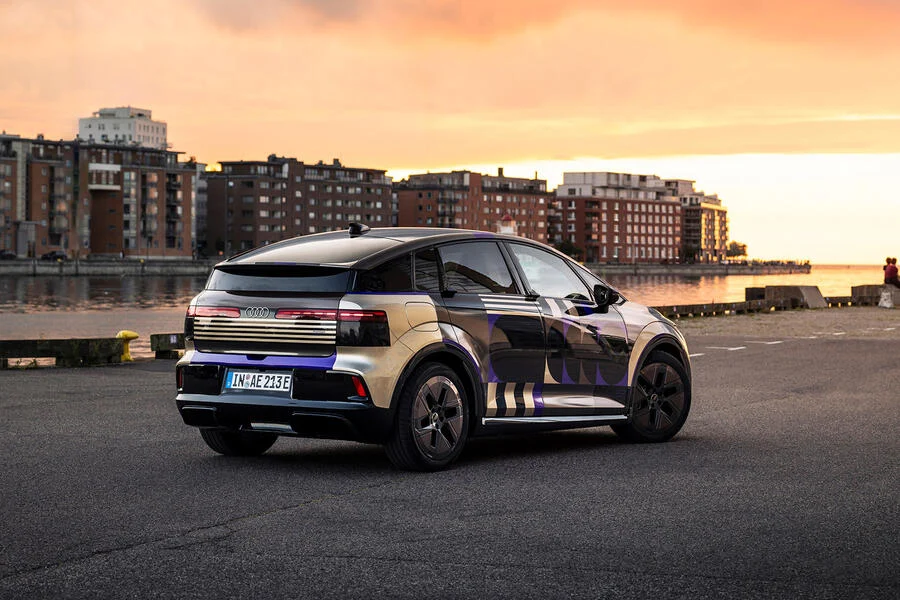
In a strategic move that bridges the gap between heritage engineering and future-facing electrification, Audi has confirmed the return of the A2 nameplate. The original Audi A2, produced between 1999 and 2005, has long been regarded as a cult classic among automotive enthusiasts and engineers alike, celebrated for its uncompromising commitment to efficiency and space utilization. The new iteration, dubbed the A2 E-tron, seeks to recapture that spirit not through nostalgic styling alone, but through a rigorous adherence to aerodynamic principles aimed at maximizing the range of modern electric vehicle (EV) powertrains.
Positioned to sit below the Q4 E-tron in the manufacturer’s growing electric lineup, the A2 E-tron arrives at a pivotal moment for the Volkswagen Group. As the automotive industry shifts away from internal combustion engines, Audi is tasked with replacing its entry-level models—the A1 supermini and the Q2 crossover—with vehicles that maintain premium margins while meeting increasingly stringent efficiency standards. The A2 E-tron is the brand’s answer to this challenge, leveraging the latest advancements in the MEB platform to deliver a compact, high-efficiency premium hatchback.
The Evolution of Form: From ASF to Aerodynamic Necessity
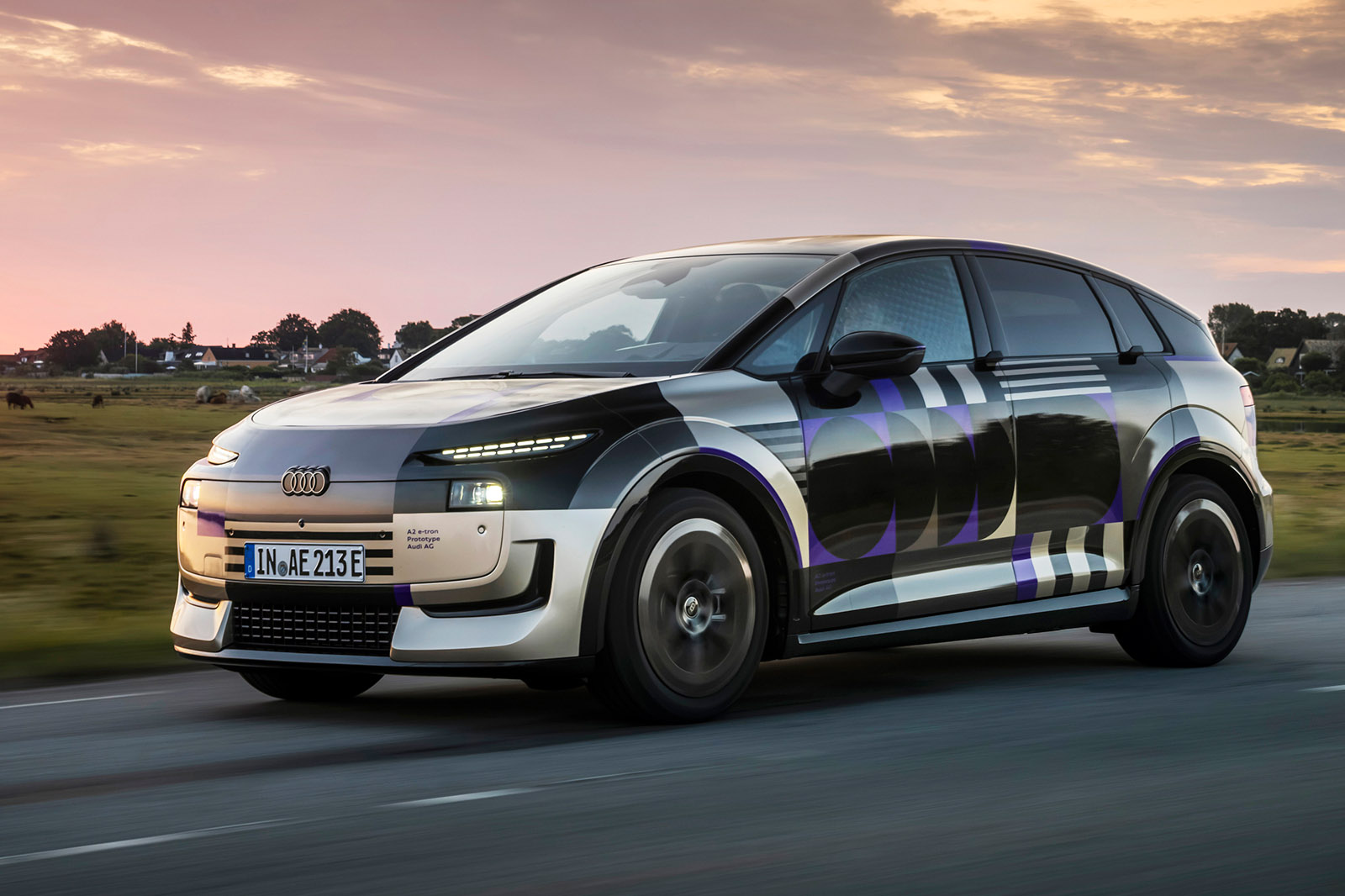
The resurrection of the A2 was not born from a desire to create a "retro" product in the vein of the new Mini or the Renault 5. Instead, Audi’s design team arrived at the A2’s silhouette through a process of functional optimization. The primary objective was to develop an electric vehicle with a smaller footprint than the Q4 E-tron that could achieve a competitive driving range without requiring a massive, heavy, and expensive battery pack.
In the world of EVs, aerodynamic drag is the primary enemy of highway range. By optimizing the hatchback shape for the lowest possible drag coefficient, the design naturally converged on the "monolithic" teardrop profile that defined the original A2. The new model features a short, bluff front end designed to manage airflow early, leading into a smooth, rising beltline and a roofline that tapers toward the rear. To maintain practicality while minimizing turbulence, the rear is "cut off" abruptly—a design choice that necessitates the return of the iconic split rear window to preserve driver visibility.
Historically, the original A2 was a marvel of material science, utilizing an all-aluminium spaceframe (ASF) that made it significantly lighter than its contemporaries. While the new A2 E-tron will transition to a steel-intensive architecture to ensure commercial viability and ease of mass production, it retains the original’s philosophy of "Vorsprung durch Technik" (Progress through Technology) by focusing on powertrain efficiency and electronic integration rather than raw weight reduction through exotic metals.
Technical Specifications and the MEB Platform Evolution
The A2 E-tron is built upon the Volkswagen Group’s MEB (Modular Electric Drive Matrix) platform, specifically the latest "EVO" iteration. This platform also underpins the Volkswagen ID.3 and the Cupra Born, but Audi has integrated several brand-specific enhancements to justify its premium positioning.
One of the most significant updates concerns battery chemistry. The A2 E-tron is expected to offer a mid-tier battery option utilizing Lithium Iron Phosphate (LFP) chemistry. Unlike the Nickel Manganese Cobalt (NMC) batteries found in earlier MEB vehicles, LFP batteries are notably more durable and can be charged to 100% capacity regularly without the accelerated degradation typical of NMC cells. This makes the A2 E-tron particularly suited for urban commuters who rely on frequent charging.
Furthermore, the vehicle introduces the "APP350" electric motor. This drive unit represents a leap in internal efficiency, featuring thinner stator laminations and a redesigned lubrication system. By utilizing a separate oil pan and thinner lubricants, the motor reduces "churning losses"—the drag created when gears splash through a bath of oil. These incremental gains in the drivetrain, combined with the aerodynamic body, allow the A2 E-tron to achieve range figures that would typically require a much larger battery.
Chronology of the Audi A2 Nameplate
To understand the significance of the new A2 E-tron, one must look at the timeline of Audi’s experimentation with the compact premium segment:
- 1999: Audi launches the original A2 at the Frankfurt Motor Show. It features the world’s first mass-production aluminium spaceframe in a small car and boasts a drag coefficient (Cd) of just 0.25.
- 2001: The A2 1.2 TDI "3-Litre" is released in Europe, capable of consuming just 3 liters of diesel per 100 kilometers (approx. 94 mpg).
- 2005: Production of the original A2 ceases. Despite its technical brilliance, high production costs and polarizing design led to sales of only 176,377 units over five years.
- 2011: Audi reveals the A2 Concept at the Frankfurt Motor Show, a purely electric study that hinted at a potential revival, though the project was eventually shelved in favor of the e-tron SUV program.
- 2023: Audi announces the discontinuation of the A1 and Q2, citing the difficulty of making small internal combustion cars profitable under Euro 7 emissions regulations.
- 2024: Prototypes of the A2 E-tron are spotted during testing, confirming that the spirit of the 1999 original would return as a dedicated EV.
- 2026 (Anticipated): The A2 E-tron is expected to reach global markets, serving as the entry point into the Audi electric ecosystem.
Interior Design and User Interface
While the exterior of the A2 E-tron focuses on physics, the interior focuses on the modern digital experience. Initial inspections of prototype vehicles reveal a cabin that diverges from the minimalist aesthetic of the Volkswagen ID.3 in favor of a more traditional Audi layout.
The dashboard architecture draws inspiration from the current Audi Q3, featuring a prominent "Virtual Cockpit" digital instrument cluster and a large central touchscreen angled toward the driver. Despite the industry trend toward removing physical buttons, Audi has retained a familiar steering wheel with haptic and physical controls, alongside a column stalk array reminiscent of classic European ergonomic layouts.
Material choices reflect a modern interpretation of luxury. Audi has moved away from traditional leather and high-gloss plastics in favor of sustainable textiles. The door tops and dashboard are upholstered in a "knitted" fabric, similar to that used in the latest Mini Cooper models, providing a tactile, warm environment. However, critics note that the interior maintains a characteristically "austere" German feel, with a heavy reliance on dark tones and robust, if somewhat utilitarian, plastics in lower cabin areas.
Market Positioning and Competitive Landscape
The A2 E-tron enters a segment that is becoming increasingly crowded as premium manufacturers look to capture the "entry-level luxury" EV market. While BMW and Mercedes-Benz have focused their initial electric efforts on larger SUVs and executive sedans, Audi’s decision to return to the premium hatchback segment places the A2 E-tron in direct competition with several key rivals:
- Volkswagen ID.3 / Cupra Born: These siblings offer the same mechanical backbone but with different brand identities. The Audi will need to justify its higher price point through superior sound insulation, higher-quality interior materials, and more advanced lighting technology.
- Volvo EX30: The Swedish-Chinese crossover has been a massive success, offering high performance and a minimalist interior at a competitive price. The A2 E-tron will counter with more traditional ergonomics and a focus on aerodynamic efficiency over raw acceleration.
- Renault Megane E-Tech: A strong contender in Europe, the Megane offers a stylish alternative with a highly praised Google-based infotainment system.
- Mini Countryman E: While larger, the Mini appeals to the same lifestyle-oriented demographic that originally gravitated toward the A2.
Industry Implications and Strategic Analysis
The revival of the A2 nameplate signals a broader shift in Audi’s corporate strategy. For years, the "Vorsprung durch Technik" slogan was associated with Quattro all-wheel drive and high-performance engines. In the electric era, "progress" is being redefined as efficiency.
By creating a car that is "shaped by the wind," Audi is addressing one of the most significant hurdles to EV adoption: the "range vs. weight" paradox. Larger batteries provide more range but add weight, which in turn requires more energy to move. The A2 E-tron breaks this cycle by using aerodynamics to do the heavy lifting, allowing for a smaller, lighter battery that is cheaper to produce and more environmentally friendly over its total lifecycle.
Furthermore, the A2 E-tron represents Audi’s commitment to the European market, where compact dimensions remain a necessity for urban infrastructure. By replacing the A1 and Q2 with a single, highly efficient electric model, Audi streamlines its production lines while ensuring it retains a foothold in the high-volume B and C segments.
Conclusion
The Audi A2 E-tron is more than just a tribute to a cult classic; it is a calculated response to the technical demands of the 2020s. While it may lack the radical all-aluminium construction of its predecessor, its focus on aerodynamic purity and powertrain refinement makes it a spiritual successor in every sense. As Audi prepares for a full-scale transition to electric power by 2033, the A2 E-tron will serve as a critical test of whether the brand can translate its reputation for high-end engineering into the competitive world of compact electric mobility. If the new A2 can deliver the efficiency its shape promises, it may finally achieve the commercial success that eluded the original twenty-five years ago.