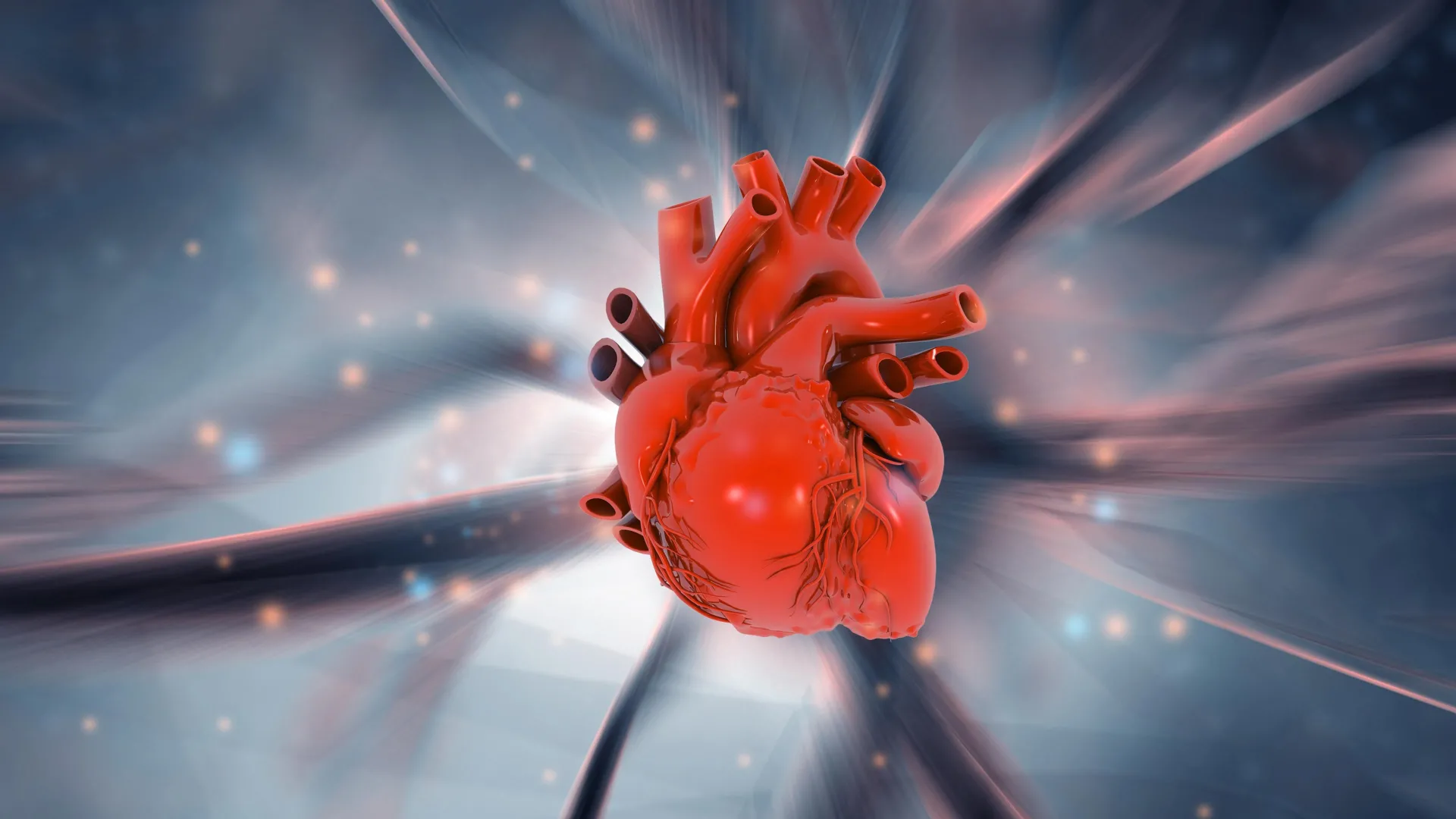
A groundbreaking discovery by a collaborative team of researchers from the University of Sydney, the Baird Institute, and Royal Prince Alfred Hospital in Sydney has overturned decades of established medical understanding, revealing that the human heart possesses the remarkable ability to generate new muscle cells even after experiencing a heart attack. This revelation challenges the long-held dogma that cardiac muscle, once lost to ischemic injury, is permanently gone, offering a beacon of hope for the development of novel therapeutic strategies for cardiovascular disease, a condition that remains the leading cause of mortality worldwide.
A Paradigm Shift in Cardiac Biology
For generations, the medical community has operated under the assumption that the heart, unlike some other tissues in the body, has a severely limited capacity for self-repair. The prevailing scientific consensus posited that the extensive loss of cardiomyocytes (heart muscle cells) during a myocardial infarction (heart attack) resulted in irreversible damage, leading to scar tissue formation and a subsequent decline in the heart’s pumping efficiency. This scarring was understood to be the primary driver of long-term complications such as heart failure. However, the findings published in the prestigious journal Circulation Research provide compelling evidence that this understanding was incomplete.
Dr. Robert Hume, the first author of the study and a leading figure in translational research at the Baird Institute for Applied Heart and Lung Research, elucidated the profound significance of these findings. "Until now, we’ve operated under the premise that because heart cells die after a heart attack, those areas of the heart were irreparably damaged, leaving the heart less able to pump blood to the body’s organs," Dr. Hume stated. "Our research demonstrates that while the heart does indeed form scar tissue following a heart attack, it simultaneously produces new muscle cells. This discovery fundamentally alters our perspective and opens up entirely new avenues for therapeutic intervention."
While acknowledging the excitement surrounding this newfound regenerative capacity, Dr. Hume cautioned against immediate overstatement of its clinical impact. "Although this new discovery of regrowing muscle cells is exciting, it isn’t, in its current natural state, enough to entirely prevent the devastating effects of a heart attack," he explained. "Therefore, our ultimate goal is to develop therapies that can amplify the heart’s inherent ability to produce new cells, thereby facilitating more robust regeneration after an attack."
The Precedent in Animal Models and the Leap to Humans
Previous scientific investigations had observed increased mitosis, the cellular process of division and reproduction, within the cardiac muscle of mice following induced heart attacks. These studies hinted at a potential for regeneration in mammalian hearts. However, the critical distinction of the Sydney-based research lies in its definitive demonstration of this phenomenon occurring in humans. This marks the first time scientists have provided concrete evidence of the adult human heart’s intrinsic ability to generate new cardiomyocytes post-injury.
The study highlights that the heart’s natural regenerative response, while present, is not sufficiently robust to compensate for the extensive muscle destruction that can occur during a severe heart attack. Nonetheless, a deeper understanding of the intricate mechanisms governing this process is poised to unlock strategies for enhancing it. This could involve identifying the specific molecular signals that trigger cardiomyocyte proliferation and developing ways to modulate these pathways.
The Enduring Toll of Cardiovascular Disease
The global burden of cardiovascular disease (CVD) cannot be overstated. It consistently ranks as the leading cause of death worldwide, a grim statistic that underscores the urgent need for more effective treatments and preventive measures. In Australia, for example, CVD is responsible for a substantial proportion of all fatalities, accounting for nearly a quarter, or 24 percent, of deaths.
A single heart attack can lead to the demise of a significant portion of the heart’s cellular population, with estimates suggesting as many as one-third of cells can be lost. While remarkable advancements in acute medical interventions over the past decade have significantly improved survival rates for patients experiencing a heart attack, surviving the initial event does not guarantee a life free from long-term consequences. A considerable number of individuals go on to develop heart failure, a chronic and progressive condition where the heart’s weakened state prevents it from adequately supplying the body with oxygenated blood.
Currently, the only definitive cure for end-stage heart failure is a heart transplant. However, this life-saving procedure is accessible to only a select few. The disparity between the number of patients requiring a new heart and the availability of donor organs is stark. In Australia, an estimated 144,000 people live with heart failure, yet only around 115 heart transplants are performed annually. This significant gap highlights the critical need for alternative therapeutic approaches that can restore cardiac function without relying on organ donation.
A Novel Research Tool: Living Human Heart Tissue
A crucial element enabling this pivotal discovery was the adoption of a pioneering research methodology: the utilization of heart tissue directly collected from living patients during coronary artery bypass graft (CABG) surgery. These "pre-mortem" tissue samples, obtained with the informed consent of patients undergoing these procedures at Royal Prince Alfred Hospital, provided researchers with an unprecedented opportunity to study human cardiac biology in its dynamic state.
The research team meticulously collected tissue from both areas of the heart affected by disease and those that remained healthy. This dual sampling strategy allowed for a comparative analysis, illuminating the cellular responses to injury and the potential for regeneration in a human context. The innovative sampling technique was developed through the collaborative efforts of Professor Paul Bannon and Professor Sean Lal, who hold joint appointments across the University of Sydney, Royal Prince Alfred Hospital, and The Baird Institute.
The significance of this approach lies in its ability to bypass the limitations of traditional research models, which often rely on animal studies or non-viable human tissue. By examining tissue from living human hearts, scientists can now investigate cardiac processes in a laboratory setting that more closely mirrors the physiological conditions experienced by patients. This promises to yield more accurate and translatable findings for the development of new treatments.
Charting a Course Towards Regenerative Therapies
The ability to acquire and scrutinize living human heart tissue represents a significant leap forward in the quest for regenerative therapies. The research team anticipates that this advanced model will be instrumental in unraveling the precise mechanisms by which the heart generates new muscle cells and identifying strategies to bolster this natural regenerative capacity.
Professor Sean Lal, the senior author of the study and a distinguished figure in cardiac failure research, expressed his optimism about the future implications. "Ultimately, our goal is to leverage this discovery to generate new heart cells that can effectively reverse the debilitating effects of heart failure," Professor Lal stated. "By employing living human heart tissue models in our research, we are ensuring that we obtain the most accurate and reliable data possible, which is essential for the development of truly effective new therapies for heart disease."
He further elaborated on the immediate benefits derived from these samples. "Already, our research utilizing these invaluable samples has identified several proteins that have previously been implicated in cardiac regeneration in mice. This is an incredibly exciting prospect, as it offers a tangible pathway to translate these findings into human applications."
These identified proteins could serve as crucial clues, guiding researchers in their efforts to stimulate damaged human hearts to produce a greater number of muscle cells. While the realization of such targeted regenerative treatments remains a future endeavor, this seminal discovery provides direct and compelling evidence that the adult human heart is not a static organ but possesses an inherent, albeit currently limited, capacity for rebuilding itself following a cardiac event. This fundamental shift in understanding paves the way for a new era of cardiac care, one focused on harnessing the body’s own regenerative potential to combat the devastating consequences of heart disease. The implications for patients suffering from heart failure, a condition with limited treatment options, are particularly profound, offering a glimmer of hope for improved quality of life and long-term survival.