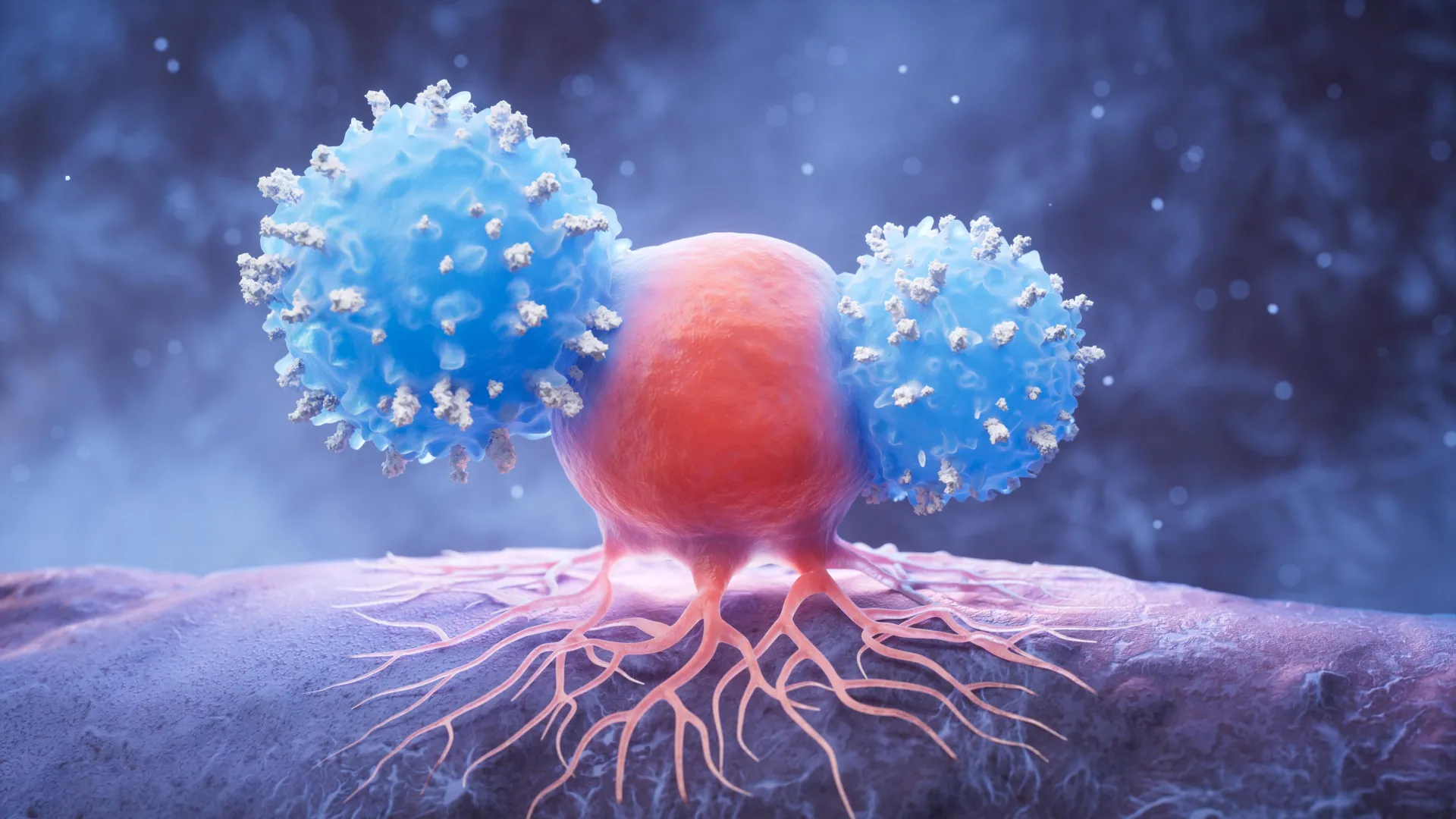
The quest to understand the secrets of human longevity has led scientists down many paths, from genetics and lifestyle to the intricate workings of our internal defense systems. Now, groundbreaking research is shedding new light on a remarkable component of the immune system that may hold a key to living exceptionally long lives. A recent study, published on August 19 in the prestigious journal Cell Reports, reveals that individuals who reach the extraordinary milestone of 110 years or older, known as supercentenarians, possess an unusually robust and adaptable immune system, characterized by a significantly higher abundance of specialized immune cells called CD4 cytotoxic T lymphocytes (CD4 CTLs). This discovery challenges the long-held notion that the immune system inevitably declines with age, suggesting instead a continuous, dynamic process of adaptation even in the face of extreme old age and its associated challenges.
The research, spearheaded by Kosuke Hashimoto, an associate professor at the University of Osaka in Japan, offers compelling evidence that these CD4 CTLs are not merely present but actively engaged in a perpetual state of readiness. These cells, previously recognized for their potent ability to target and eliminate tumor cells in certain cancers, also play a critical role in combating infections by rapidly reproducing through a process known as clonal expansion. The new findings propose that this same mechanism of adaptive immune response is intimately linked to healthy aging in those who defy the odds to live well beyond a century.
The Shifting Landscape of Immune Defense in Extreme Old Age
Historically, the aging immune system has often been depicted as a system in steady decline, becoming less effective at fending off new pathogens and more prone to dysfunction, leading to increased susceptibility to illness and chronic diseases. This phenomenon, termed immunosenescence, has been a central focus of aging research for decades. However, the findings concerning supercentenarians paint a more nuanced and hopeful picture.
"Immune aging is not simply a process of decline," explained Hashimoto in a statement accompanying the study’s release. "The selective expansion of certain T cells suggests that, even in extreme old age, the immune system may continue to adapt to age-related challenges." This perspective shifts the paradigm from a passive deterioration to an active, albeit perhaps selective, maintenance and adaptation of immune capabilities.
The study meticulously examined blood samples from 28 adult participants, categorized into three distinct age groups: younger adults aged 70-99, centenarians aged 100-109, and the elite group of supercentenarians aged 110 and older. The results were striking. The median proportion of CD4 CTLs, a relatively rare cell type, showed a clear and steady increase across these age brackets. In the youngest group, CD4 CTLs accounted for approximately 4% of the T cell population. This figure rose to 9.6% in the centenarian group and surged to an impressive 17.6% among the supercentenarians. This dramatic elevation strongly suggests that the proliferation and accumulation of CD4 CTLs are significant hallmarks of extreme longevity.
Unraveling the Mechanism: Clonal Expansion and Persistent Threats
To understand the underlying reasons for the increased abundance of CD4 CTLs, the research team delved deeper, analyzing the T cell receptors (TCRs) of these specialized cells. TCRs are unique protein structures on the surface of T cells that recognize specific antigens – molecules that trigger an immune response. The analysis provided robust evidence that clonal expansion is a key driver behind the elevated levels of CD4 CTLs observed in older adults.
Clonal expansion is the process by which a single T cell, upon encountering a specific threat, rapidly replicates itself to generate a large army of identical T cells, all equipped to combat that particular antigen. The study found that in the blood samples of the participants, a single clone of CD4 CTLs represented a substantial portion of the total CD4 CTL population. On average, the largest individual clone constituted 33.3% of all CD4 CTLs across the studied individuals. This high concentration points towards the possibility that some older adults are maintaining sustained immune responses to ongoing or persistent immune challenges.
The phenomenon was particularly pronounced in one centenarian participant, whose blood sample revealed that a single CD4 CTL clone made up an astonishing 53.8% of their entire CD4 CTL population. This level of dominance by a single clone suggests a prolonged and intense immune engagement with a specific target.
A Potential Link to Cancer Surveillance
Further investigation into the TCR sequences of these dominant CD4 CTL clones revealed a potentially groundbreaking connection. When researchers compared these sequences with those stored in public databases, a significant number of matches were found with TCRs from individuals diagnosed with specific types of cancer, including lung, breast, and liver cancers.
Intriguingly, none of the centenarians or supercentenarians in the study had a diagnosed history of these cancers. This observation led the researchers to hypothesize that the remarkable expansion of these CD4 CTLs might represent an early or ongoing immune response to abnormal cells or targets associated with cancer development, even in the absence of a clinical diagnosis.
"Some CD4 CTLs may recognize cancer-related targets, although their exact targets remain unknown," Hashimoto commented, underscoring the need for further research to elucidate the precise nature of these targets. This finding opens up a compelling avenue for understanding how the immune system might be silently and continuously working to control nascent cancerous growths, a crucial factor in maintaining health and longevity.
Implications for Healthy Aging and Future Research
While the study provides compelling evidence for the association between high levels of CD4 CTLs and extreme longevity, the researchers are careful to note that these findings do not establish a direct causal link. The study focused on CD4 CTLs circulating in the bloodstream, and the exact functions and locations of these cells within the body’s tissues remain areas requiring further exploration.
"As we age, abnormal cells, including senescent and cancerous cells, become more common," Hashimoto elaborated. "Our findings suggest that immune adaptation to these changes may contribute to exceptional longevity." This statement highlights the potential role of the immune system in proactively managing age-related cellular changes, a crucial aspect of maintaining overall health and preventing the onset of age-related diseases.
The next critical step for the research team involves investigating the behavior and activity of CD4 CTLs within human tissues. Understanding how these cells interact with the microenvironment of various organs will provide a more complete picture of their role in maintaining health and preventing disease progression.
The research also raises profound questions about the potential for therapeutic interventions. If CD4 CTLs play such a vital role in the longevity of supercentenarians, could their activity be enhanced or modulated to promote healthier aging in the broader population? This remains a distant but exciting possibility.
Broader Context and the Future of Longevity Research
The study by Hashimoto and his colleagues is part of a larger, ongoing effort to unravel the complex interplay of factors that contribute to human lifespan. For decades, researchers have explored genetic predispositions, the impact of diet and exercise, and the effects of environmental factors. However, the immune system, often overlooked in its intricate adaptability, is now emerging as a critical player.
The timeline of this research reflects a gradual accumulation of knowledge. Initial studies in the late 20th and early 21st centuries began to characterize immunosenescence, noting declines in T cell function and diversity. More recent work, employing advanced technologies like single-cell sequencing and high-throughput analysis, has allowed for a more granular understanding of specific immune cell populations and their dynamic behavior over time. The current study, building upon this foundation, offers a specific cellular marker and a potential mechanism for the exceptional health observed in supercentenarians.
The implications of this research extend beyond academic curiosity. As global life expectancies continue to rise, understanding the biological underpinnings of healthy aging becomes increasingly vital for public health policy, healthcare planning, and the development of interventions to improve quality of life in later years.
While the precise role of CD4 CTLs in combating cancer and promoting longevity requires further validation, the current findings provide a significant leap forward. They suggest that rather than a simple decline, the aging immune system might possess a remarkable capacity for adaptation and resilience, particularly in individuals who achieve extreme old age. This paradigm shift encourages a more optimistic and proactive approach to understanding and supporting the human immune system throughout the lifespan. The ongoing work promises to unlock further secrets held within our internal defenses, potentially paving the way for new strategies to promote longer, healthier lives for all.