

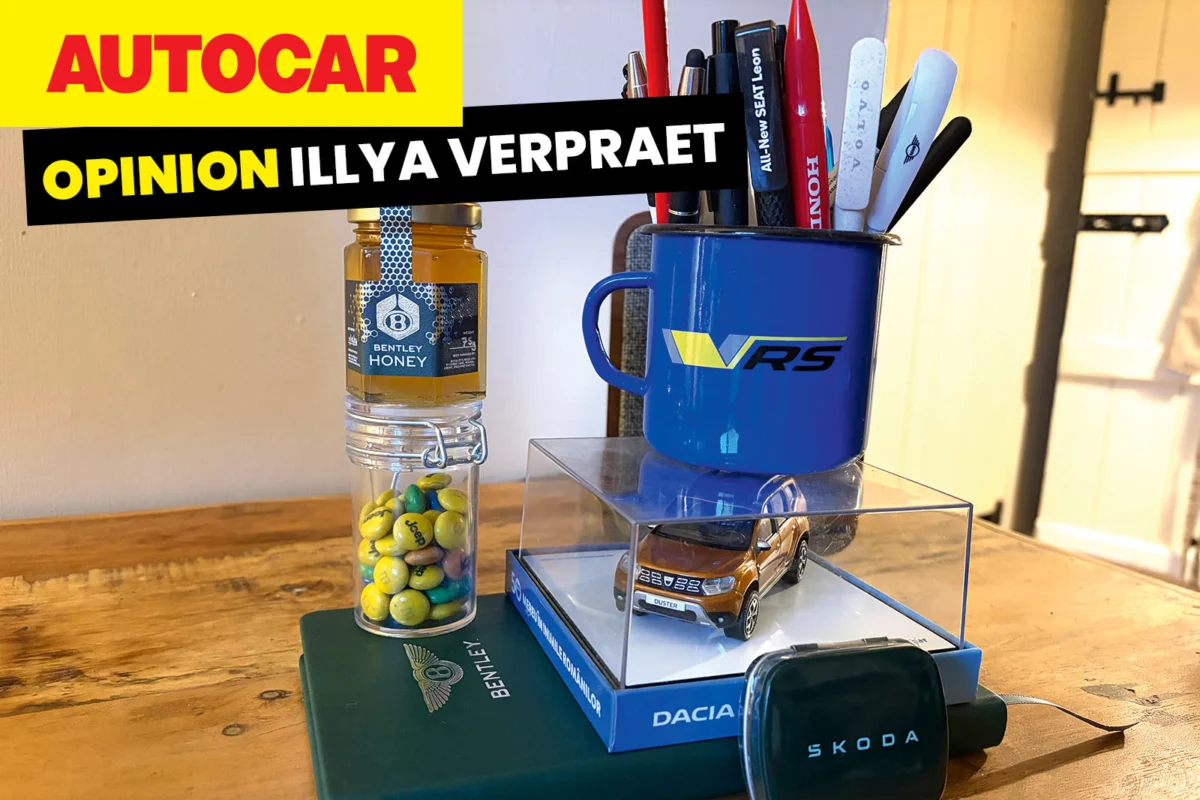
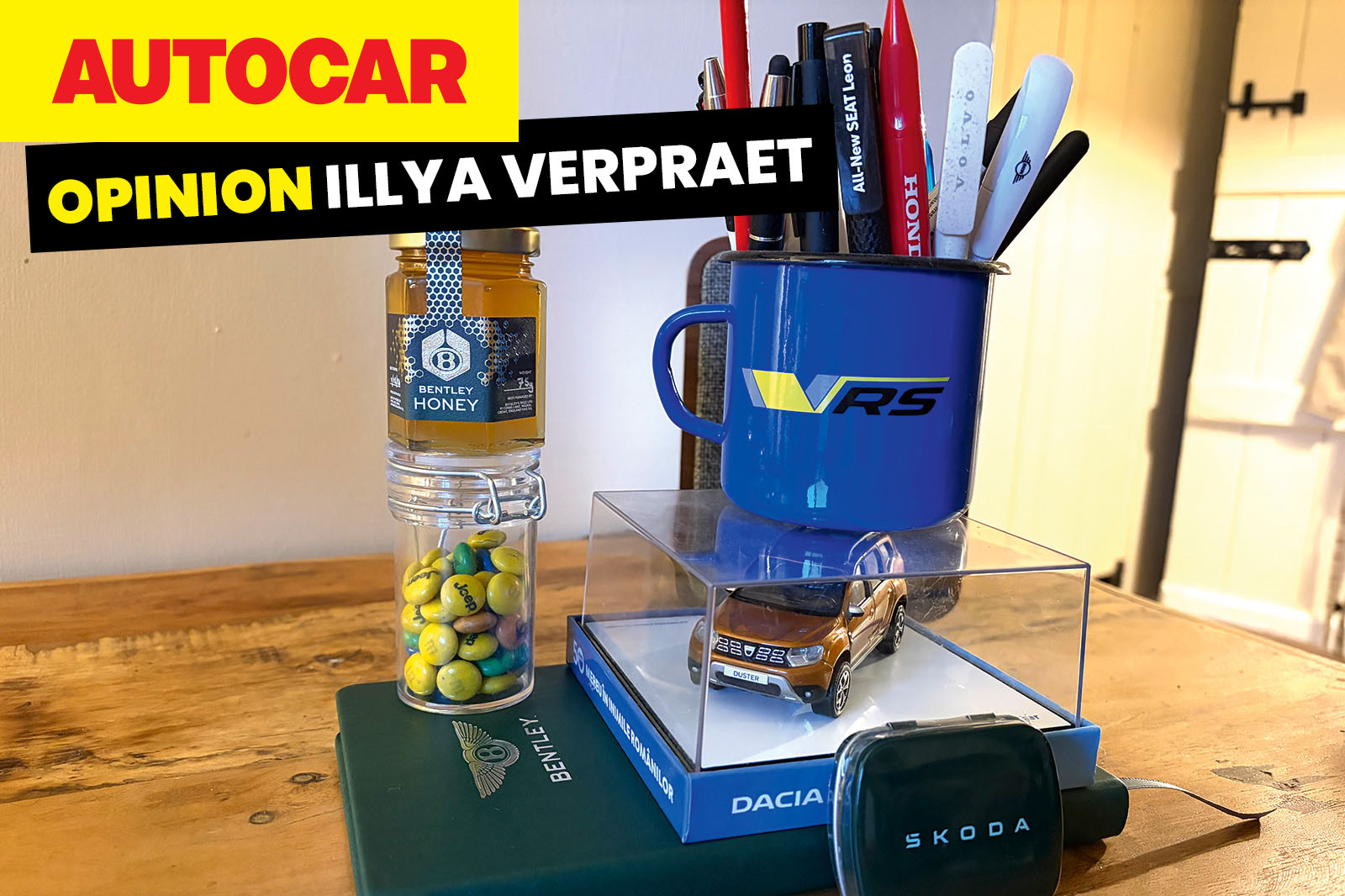
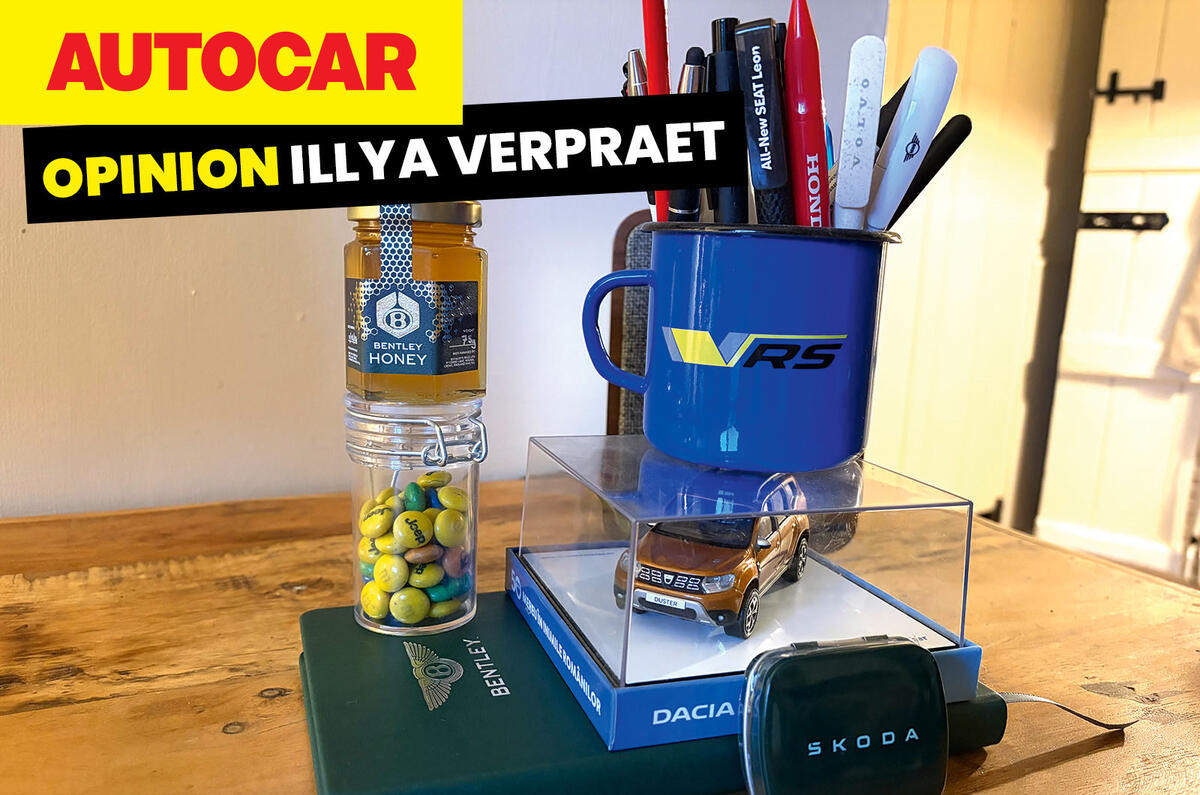
The automotive journalism industry operates at a unique intersection of high-stakes product marketing and critical consumer advocacy. For decades, a standard practice has existed wherein manufacturers provide journalists with access to vehicles, travel opportunities, and various branded keepsakes. While items such as Jeep-branded M&Ms or high-quality Polestar water bottles are frequently distributed at media events, the professional standard remains clear: these gestures are incidental to the rigorous evaluation process required to provide an objective review. The distinction between a "freebie" and a "tool of the trade" is fundamental to maintaining editorial integrity in a field where a single vehicle review can influence millions of dollars in consumer spending.
The Structural Necessity of Press Loans and Travel
In the world of motoring media, the concept of a "free car" is often misunderstood by the public. For a journalist to provide an accurate, in-depth assessment of a new vehicle, they must spend significant time behind the wheel in diverse driving conditions. Purchasing every vehicle slated for review is economically impossible for even the largest media conglomerates, as the average price of a new car in the United Kingdom now exceeds £39,000, with luxury and performance models often reaching six figures. Consequently, the industry relies on "press fleets"—dedicated pools of vehicles maintained by manufacturers specifically for media evaluation.
These loans are strictly regulated by legal agreements, insurance requirements, and mileage limits. A car provided for a week is not a gift to the journalist; it is a temporary loan of equipment necessary for the completion of a professional task. Similarly, the practice of flying journalists to international locations—often to sunny regions like Spain or Southern France—is driven by logistical efficiency rather than a desire to provide a holiday.
When a manufacturer launches a new global model, they often have only a handful of early production prototypes or "pre-series" cars available. It is significantly more cost-effective and logistically feasible to bring 200 journalists from across Europe to a single hub where the cars are stationed than it is to ship those limited vehicles to 20 different countries. Furthermore, these locations are chosen for their consistent weather and road quality, ensuring that photography and video production can proceed without the interference of unpredictable climates, which would otherwise delay the dissemination of information to the car-buying public.
A Chronology of the Automotive Review Cycle
To understand how editorial independence is maintained, one must look at the timeline of a typical vehicle launch. The process begins months, or sometimes years, before a car reaches a showroom.
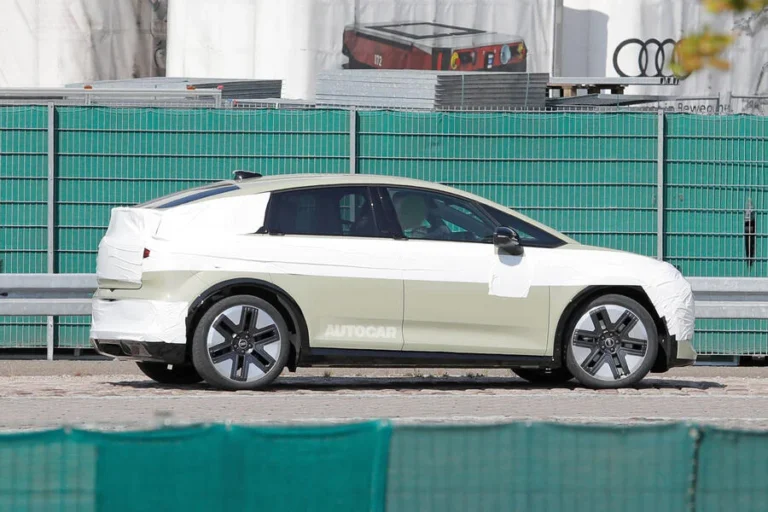
- The Static Reveal: Journalists are invited to view a non-running prototype. At this stage, branded merchandise (the aforementioned "swag") is often distributed. This serves as a branding exercise but provides no data for a performance review.
- The International Media Launch: This is the primary "junket" phase. Journalists are flown to a central location for a technical briefing and a 24-to-48-hour driving window. While the manufacturer pays for travel and lodging, the schedule is typically grueling, involving early starts, hundreds of miles of driving, and late-night filing of copy.
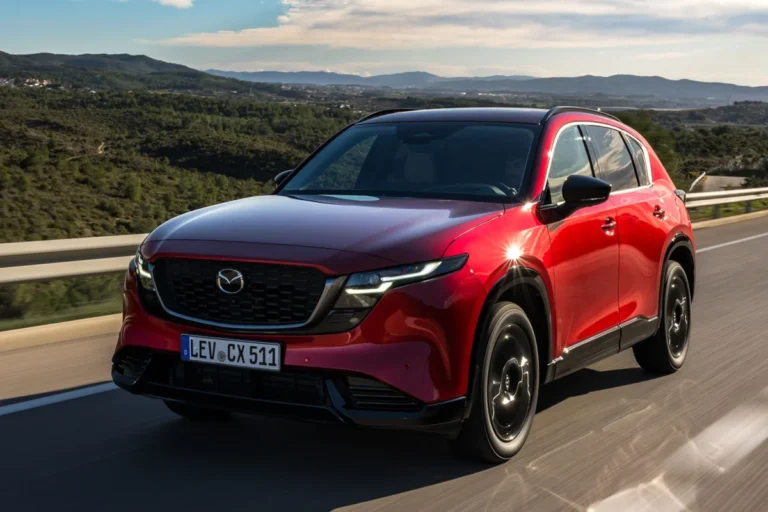
- The Local Press Loan: Once production cars arrive in the journalist’s home country, they are delivered for a "road test" period, usually lasting seven days. This allows for testing on familiar roads, performance timing, and practical assessments like fitting child seats or groceries.
- The Long-Term Assessment: In some cases, a car is kept for six to twelve months to evaluate reliability, software updates, and "living with" quirks.
Throughout this timeline, the presence of branded gifts—from umbrellas to power banks—remains a constant but marginal element. Journalists generally view these as functional items for the office or field rather than incentives that could sway a technical verdict on a vehicle’s suspension tuning or infotainment ergonomics.
Data and Economic Realities of Media Junkets
The scale of investment in these events is substantial. Industry analysts estimate that a major global car launch for a flagship model can cost a manufacturer between $2 million and $5 million. This budget covers the rental of private facilities, technical support staff, logistics, and hospitality.
From the perspective of the media outlet, the "savings" of a manufacturer-funded trip are offset by the cost of the journalist’s time and the overhead of the publication. For a freelance journalist, a three-day trip to Spain might result in a single feature article that pays a fixed rate. If the journalist were required to pay for their own flight, hotel, and car rental, the cost of producing the review would far exceed the revenue generated by the article. This economic reality has cemented the current system as the only viable way to provide comprehensive coverage of the automotive market.
Ethical Frameworks and Professional Standards
The question of whether a free lunch or a branded water bottle can buy a five-star review is addressed by strict internal codes of conduct within reputable newsrooms. Organizations such as the National Union of Journalists (NUJ) and the Society of Professional Journalists (SPJ) provide guidelines on "gifts and favors." The general rule of thumb in motoring journalism is that any gift must be of nominal value and that all travel and accommodations must be disclosed if they could be perceived as a conflict of interest.
Many veteran journalists argue that the relationship between PR departments and the media is actually one of "creative tension." A manufacturer wants a positive review, but a journalist’s primary loyalty is to the reader. If a journalist consistently provides glowing reviews to subpar vehicles, they lose the trust of their audience. In the digital age, where reader comments and social media provide instant feedback, a loss of credibility is a terminal blow to a journalist’s career.
Statements from industry veterans often highlight that the "perks" are frequently the least enjoyable part of the job. "The fancy hotels are nice for a night, but they don’t make a bad gearbox feel any better," one senior editor remarked during a recent EV launch. "If anything, when a manufacturer puts you in a five-star resort, you look even harder for the flaws in the car because you’re subconsciously guarding against being ‘bought’."
Broader Implications: Influencers vs. Traditional Media
The rise of social media influencers has introduced a new layer of complexity to this ethical landscape. Unlike traditional journalists who work for established publications with editorial oversight, influencers often operate as independent entities. The line between "content creator" and "advertiser" is frequently blurred in the influencer space, where "sponsored content" is the primary revenue stream.
This shift has forced traditional automotive outlets to be even more transparent about their testing processes. Many publications now include disclaimers stating that the manufacturer paid for travel, or they explicitly separate their "commercial" content from their "editorial" reviews.
The implication for the consumer is significant. As the automotive industry shifts toward electrification and software-defined vehicles, the complexity of cars is increasing. Consumers require objective, expert analysis to navigate technical specifications regarding battery chemistry, charging curves, and autonomous driving suites. A branded water bottle or a tin of M&Ms cannot mask a failure in a vehicle’s thermal management system or a glitchy user interface.
Conclusion: The Persistence of Critical Analysis
Ultimately, the "uncomfortable truth" of freebies in motoring media is a matter of scale and transparency. While the optics of international travel and branded merchandise can appear compromising to an outside observer, they are deeply entrenched logistical components of a high-cost industry.
The integrity of a review is found in the data: the 0-60 mph times, the observed fuel economy, the braking distances, and the comparative analysis against rivals. These metrics are indifferent to the quality of the hospitality provided at a launch event. As long as journalists continue to point out the flaws in expensive new models—despite being flown to Spain to drive them—the "five-star review" will remain something that must be earned through engineering excellence, not purchased with a Polestar bottle. The automotive press remains one of the few barriers between a manufacturer’s marketing department and the consumer’s wallet, and its value lies in its ability to enjoy the M&Ms while still telling the truth about the car.