For approximately two centuries, the trajectory of human existence appeared to be on an upward, almost inevitable, climb. Advances in medicine, the widespread adoption of sanitation practices, significant improvements in nutrition, and the continuous evolution of healthcare systems collectively pushed the boundaries of human life expectancy. This sustained progress, a testament to human ingenuity and societal development, saw global life expectancy rise dramatically. For instance, in 1900, the average life expectancy worldwide was around 31 years, a figure that had more than doubled to approximately 72 years by 2019, according to data from the World Bank. This era was characterized by a focus on conquering infectious diseases, managing chronic conditions, and extending life through the eradication of immediate threats to survival.
However, a growing body of contemporary research suggests that this long-standing upward trend may be reaching its zenith, particularly in developed nations. In many of these countries, the gains in life expectancy have begun to stagnate, leading to a critical reevaluation of our understanding of human longevity. If the era of simply preventing disease to extend life is drawing to a close, the next frontier in human health may lie not in combating illness, but in fundamentally understanding and potentially modulating the aging process itself. This paradigm shift raises profound questions: What are the intrinsic biological mechanisms that define aging, and could these fundamental processes, much like diseases, one day become targets for therapeutic intervention?
A Groundbreaking Investigation into Extreme Longevity
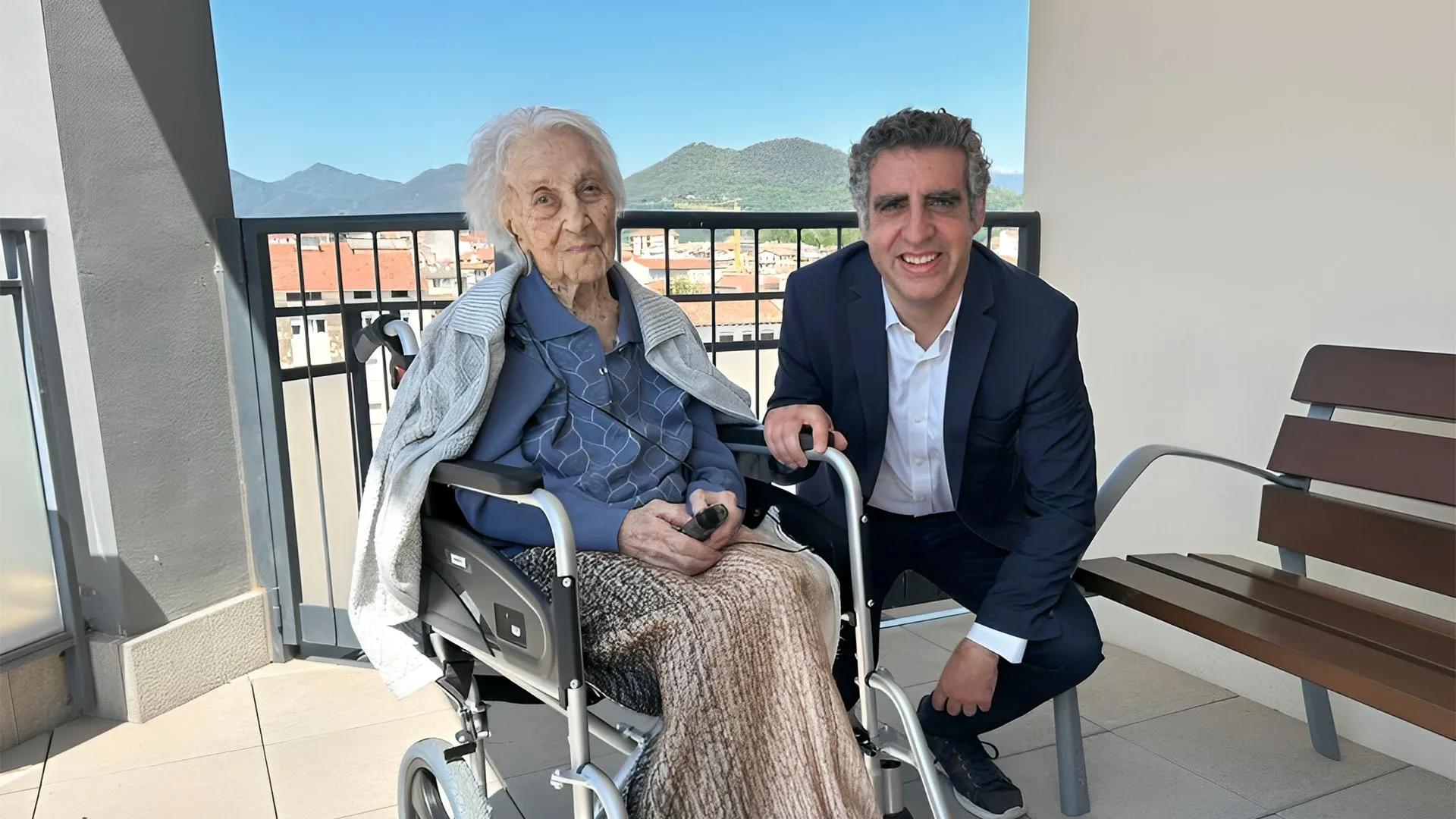
In pursuit of answers to these pressing questions, a pioneering research team, spearheaded by Dr. Manel Esteller, Head of the Cancer Epigenetics group at the prestigious Josep Carreras Leukaemia Research Institute in Barcelona, Spain, has unveiled the comprehensive results of an unprecedented study. The focus of their investigation was Maria Branyas, a remarkable Catalan woman who lived to be over 117 years old, making her one of the oldest verified individuals in the world. Branyas, who passed away in August 2023, became a unique biological subject, offering an unparalleled window into the human aging process at its most extreme.
The study, published in the esteemed journal Cell Reports Medicine, represents the most extensive and multi-faceted biological examination ever conducted on a supercentenarian. Utilizing minimally invasive techniques to collect biological samples, the researchers undertook a deep dive into Branyas’s physiology, employing a suite of cutting-edge "multi-omic" technologies. This comprehensive approach allowed for the simultaneous analysis of her genomic (DNA), proteomic (proteins), epigenomic (gene expression regulation), metabolomic (metabolites), and microbiomic (microbial communities) profiles. Such an integrated analysis provides a holistic view of the complex interplay of biological factors that contribute to extreme longevity. The international and multidisciplinary team was coordinated by Dr. Esteller, with Eloy Santos playing a leading role in the project’s execution.
A Duality of Aging and Resilience
Contrary to initial expectations that Branyas might have simply experienced a slower rate of aging across all biological systems, the research unveiled a far more nuanced and intricate picture. Her biological makeup presented a "fascinating duality: the simultaneous presence of signals of extreme aging and of healthy longevity," as Dr. Esteller eloquently described. This finding challenges the simplistic notion that extreme old age is solely a result of delaying or avoiding the typical markers of senescence. Instead, it suggests a complex interplay between the inevitable wear and tear of aging and potent protective mechanisms that mitigate its detrimental effects.
Unpacking the Biological Landscape: Signs of Aging Alongside Unusual Protection
Delving deeper into the multi-omic data, the researchers identified specific biological characteristics that unequivocally reflected Branyas’s extraordinary age. For instance, analysis revealed significantly shortened telomeres – the protective caps at the ends of chromosomes that naturally shorten with each cell division, acting as a biological clock. Her immune system exhibited pro-inflammatory characteristics, a common feature of aging often referred to as "inflammaging." Furthermore, there was an observed accumulation of aged B lymphocytes, a type of white blood cell crucial for immune response. These findings are consistent with the cellular and molecular changes typically associated with advanced age.
However, juxtaposed with these signs of aging were several biological features that appeared remarkably favorable and resilient. Branyas carried specific genetic predispositions associated with neuroprotection, suggesting a natural defense against age-related neurological decline, and cardioprotection, indicating a reduced risk for cardiovascular diseases. Her overall inflammatory levels were genuinely low, a significant finding given the pro-inflammatory tendencies observed in other aspects of her immune system. Moreover, her gut microbiome was dominated by beneficial bifidobacteria, a composition often linked to improved health and longevity. Perhaps most strikingly, her epigenetic biological age – a measure of cellular aging based on DNA methylation patterns – was found to be younger than her chronological age. This discrepancy between biological and chronological age is a key indicator of exceptional healthspan and resilience.
The significance of this dual profile lies in its implication: achieving exceptional longevity may not necessitate a complete escape from the aging process. Instead, it appears that some individuals can navigate extreme old age by exhibiting pronounced signs of aging in certain areas while simultaneously possessing robust biological traits that actively shield them from many of the harmful consequences typically associated with senescence. This suggests a potential for a "graceful aging" where the functional decline is significantly attenuated.
Implications for Blood Cancers and Age-Related Diseases
The insights gleaned from Maria Branyas’s biology extend beyond the realm of pure longevity research. The aging of the blood-forming system, known as hematopoiesis, is intrinsically linked to an increased risk of developing serious and often intractable blood cancers, including various forms of leukemia and myelodysplastic syndromes (MDS). These conditions arise from the accumulation of genetic and epigenetic errors in hematopoietic stem cells, a process that is exacerbated by aging.
Given this close association, the biological profile of Branyas, particularly her hematological data, could offer invaluable clues for understanding the pathogenesis of these hematological malignancies. By studying how her blood-forming system aged while maintaining a degree of resilience, scientists may gain a deeper understanding of why certain older individuals are more susceptible to these cancers than others. This could pave the way for the development of novel preventative strategies or earlier diagnostic markers for these life-threatening diseases. The study’s ability to separate the effects of aging from disease in an individual who lived to such an advanced age without major illness is a critical factor in this regard.
Distinguishing Aging from Disease: A Rare Opportunity
One of the most compelling aspects of this research is the opportunity it provided to study the biological effects of aging in isolation, largely free from the confounding influence of major illnesses. Maria Branyas lived an exceptionally long life without suffering from the debilitating chronic diseases that typically afflict the elderly. This allowed the research team to examine the biological hallmarks of aging itself, rather than the complex interplay of aging and disease pathology. This distinction is crucial for developing targeted interventions. For decades, medical research has largely focused on treating diseases that arise with age, but if aging itself is a root cause, then understanding and targeting aging processes could be a more fundamental and effective approach.
The findings from this study therefore offer a rare and comprehensive view of what aging can do to the human body in its purest form. This foundational knowledge could eventually lead to the identification of specific biological pathways and mechanisms that can be targeted to counteract the detrimental effects of aging, thereby promoting not just longer lives, but healthier ones.
Towards a Future Where Aging Itself is Treatable
The detailed biological snapshot of extreme longevity provided by the study of Maria Branyas offers a vital new reference point for researchers globally who are dedicated to unraveling the mysteries of the aging process. The ultimate aspiration for many in the scientific community is to develop strategies that can target aging directly, much in the way that modern medicine targets specific diseases with precision therapies.
The tools and concepts required for such an endeavor are already emerging. For instance, epigenetic therapies, which aim to modify gene expression without altering the underlying DNA sequence, are being explored in oncology and hold promise for addressing age-related cellular dysfunction. Similarly, senolytic drugs, designed to selectively eliminate senescent cells (cells that have stopped dividing and can contribute to inflammation and tissue damage), are also under active investigation. Both senolytics and epigenetic interventions are intrinsically linked to the biological processes of aging.
While it remains a significant scientific challenge, the possibility of developing interventions that can extend healthy human lifespan by targeting aging itself is no longer purely speculative. If life expectancy has indeed plateaued, as current trends suggest, then therapies focused on the fundamental biology of aging could represent the next frontier in pushing the boundaries of human health and longevity. The journey from understanding to intervention will undoubtedly be long and complex, requiring continued rigorous research and ethical considerations.
A Legacy of Discovery
The research underpinning this groundbreaking study was supported by a combination of public and private funding. Public contributions came from the Generalitat de Catalunya, the European Community, and the Spanish Ministry of Science, Innovation and Universities. Private support was provided by the "la Caixa" Foundation, the Cellex Foundation, the Spanish Association Against Cancer, and the John and Lucille Van Geest Foundation. The Josep Carreras Institute itself is recognized for its excellence, accredited as a Severo Ochoa Center of Excellence by the Spanish Ministry of Science, Innovation and Universities, and is a CERCA research center of excellence of the Generalitat de Catalunya.
While researchers caution that it is still premature to directly link specific biological traits to particular behaviors or lifestyle choices, they do point to several factors that may have contributed to Maria Branyas’s exceptional longevity. These include a healthy and balanced diet, a stimulating and diverse social network that provided emotional and cognitive engagement, and the notable absence of toxic habits such as smoking or excessive alcohol consumption. These lifestyle elements, often emphasized in public health recommendations, may play a synergistic role alongside her remarkable genetic and biological resilience.
The legacy of Maria Branyas, therefore, extends far beyond her remarkable age. Through her participation in this unprecedented scientific study, she has provided humanity with invaluable insights into the complex tapestry of human aging, offering a beacon of hope for future advancements in healthspan and the potential to redefine what it means to grow old.