


Houston, TX – In a significant stride toward understanding and potentially treating devastating neurodegenerative diseases, scientists at Baylor College of Medicine have identified a novel approach that leverages the protein tubulin to combat the toxic protein accumulations characteristic of Alzheimer’s and Parkinson’s diseases. This groundbreaking research, published in the esteemed journal Nature Communications, suggests that tubulin, a fundamental component of cellular structure, may actively prevent the formation of harmful Tau and alpha synuclein aggregates, redirecting these proteins towards their beneficial functions within healthy neurons.
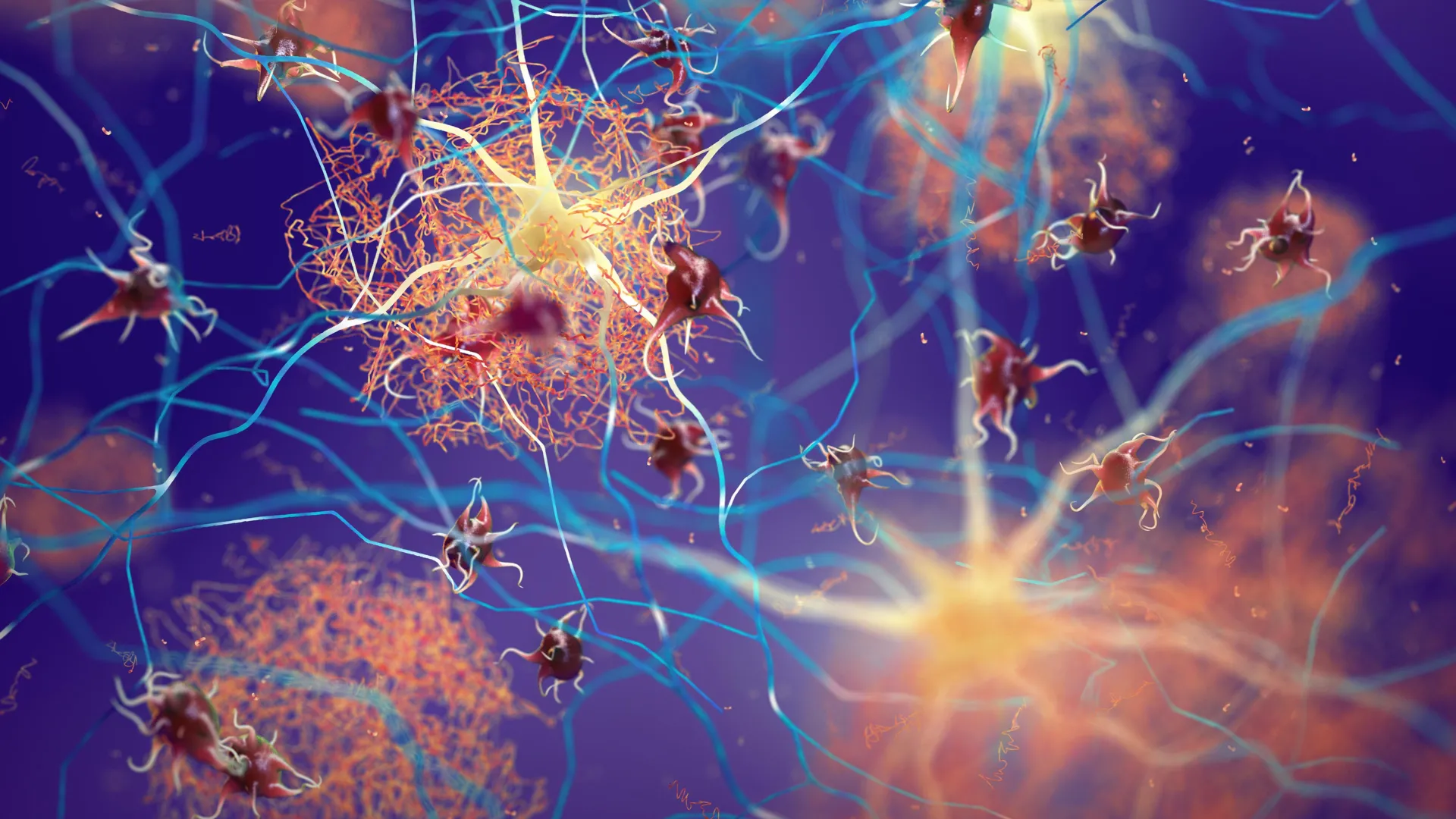
The accumulation of misfolded proteins is a hallmark of many neurodegenerative conditions. In Alzheimer’s disease, Tau protein forms neurofibrillary tangles, while in Parkinson’s disease, alpha synuclein aggregates into Lewy bodies. Both disrupt neuronal function, leading to progressive cognitive and motor decline. For decades, research has focused on preventing the formation of these toxic clumps, often by targeting the cellular compartments known as condensates where these proteins gather. However, these condensates also play crucial roles in normal cellular processes, making complete elimination a risky therapeutic strategy.
This new research proposes a paradigm shift: instead of preventing condensate formation, the Baylor team investigated whether existing condensates could be manipulated to promote healthy protein behavior. Their findings point to tubulin as a key player in this delicate balance.
The Critical Role of Tubulin in Neuronal Health
Microtubules, the dynamic structural elements within cells, are built from tubulin. These microscopic "railway tracks" are essential for intracellular transport, maintaining cell shape, and facilitating communication between neurons. The study’s lead author, Dr. Lathan Lucas, a postdoctoral associate of biochemistry and molecular pharmacology in the lab of Dr. Allan Ferreon, explained the fundamental importance of these structures. "Microtubules are the cell’s internal transportation system and its scaffolding. They are absolutely vital for neuronal function."
The research team discovered that tubulin doesn’t just passively contribute to microtubule stability; it actively influences the behavior of Tau and alpha synuclein. In healthy neurons, both Tau and alpha synuclein have essential roles, including supporting microtubule assembly and stabilization. However, under pathological conditions, they can misfold and aggregate, leading to cellular dysfunction and death.
"Tau and alpha synuclein are well known for their roles in neurodegenerative diseases like Alzheimer’s and Parkinson’s," stated Dr. Lucas. "In these conditions, these proteins can misfold, stick together and form harmful aggregates that damage neurons and contribute to memory loss, movement problems and other symptoms." He further elaborated on their dual nature: "But Tau and alpha synuclein also fulfill essential functions in healthy neurons – they help maintain cell structure and support communication by interacting with tubulin and contributing to microtubule assembly and stabilization."
The researchers found that these proteins carry out both their beneficial and detrimental activities within specialized cellular compartments called condensates. These liquid-like droplets, formed by the aggregation of specific molecules, are involved in various cellular processes, including gene regulation and signal transduction. Because disease-related protein aggregates often form within these condensates, scientists have explored strategies to inhibit their formation as a potential therapeutic avenue. However, the crucial involvement of condensates in normal brain function has raised significant concerns about the potential side effects of such approaches.
A Paradigm Shift: Redirecting Pathological Proteins
This critical observation led Dr. Ferreon, associate professor of biochemistry and molecular pharmacology and co-corresponding author of the study, to propose a novel therapeutic concept. "This led us to the following idea: what if instead of preventing the formation of droplets, we created conditions that would drive Tau and alpha synuclein inside the droplets toward their healthy path, discouraging them from taking the disease path?"
To illustrate this concept, Dr. Lucas employed a relatable analogy. "I think of Tau and alpha synuclein as troublemaker kids in school," he explained. "You can keep them in the classroom with little to do but to act out or keep them engaged with schoolwork, sports or theater so they do not get in trouble. We found that tubulin can drive Tau and alpha synuclein troublemakers down a healthy path."
The research methodology employed a sophisticated combination of biochemical and biophysical techniques, alongside high-resolution microscopy and neuron-based assays. This multi-pronged approach allowed the scientists to meticulously examine how tubulin levels and interactions influenced the behavior of Tau and alpha synuclein within cellular condensates. Their primary objective was to determine if tubulin could indeed steer these proteins away from forming toxic aggregates and towards their normal, beneficial roles.
Tubulin as an Active Protector
The results were compelling. The study demonstrated a clear correlation between tubulin levels and the propensity for Tau and alpha synuclein to form harmful aggregates. "When tubulin levels are low, as it has been found in Alzheimer’s disease, microtubules are less abundant and Tau and alpha synuclein can form toxic aggregates," Dr. Lucas reported. Conversely, he noted, "But when tubulin is present, Tau and alpha-synuclein shift away from harmful aggregates and instead promote the assembly of healthy microtubules. Tubulin redirects the activity of these proteins by giving them something productive to do."
This finding significantly elevates the perceived role of tubulin in brain health. Historically, tubulin has been viewed more as a structural component that is affected by neurodegenerative diseases rather than an active participant in preventing them. However, this study positions tubulin as a crucial protective factor.
Dr. Ferreon emphasized the transformative nature of these findings: "Our findings significantly shift tubulin’s role in neurodegeneration, from a passive casualty of disease to an active protector against toxic protein aggregation. Boosting the tubulin pool, rather than blocking droplet formation, can curb toxic aggregation while preserving the healthy roles of Tau and alpha synuclein, offering a potential selective therapeutic strategy."
Implications for Future Therapies
The implications of this research are profound. Current therapeutic strategies for Alzheimer’s and Parkinson’s often focus on clearing existing protein aggregates or preventing their formation. While these approaches hold promise, they can be hampered by off-target effects and the challenge of intervening early enough in the disease process. The Baylor College of Medicine study suggests a new avenue that focuses on enhancing the brain’s innate protective mechanisms.
By increasing the availability of tubulin, it may be possible to not only prevent the formation of toxic Tau and alpha synuclein aggregates but also to encourage these proteins to perform their essential functions within healthy neurons. This approach offers the potential for a more targeted and less disruptive therapeutic strategy, one that works with the body’s natural systems rather than against them.
The discovery also sheds light on the complex interplay between protein aggregation and cellular structure. The role of condensates in disease pathogenesis has been a subject of intense research. However, the findings here suggest that a more nuanced understanding of how these condensates function, and how their dynamics can be modulated, is crucial.
Broader Context and Future Directions
Alzheimer’s disease affects an estimated 6.7 million Americans aged 65 and older in 2023, a number projected to rise to 12.7 million by 2050, according to the Alzheimer’s Association. Parkinson’s disease, while less prevalent, affects approximately 1 million people in the United States, with about 90,000 new cases diagnosed annually, according to the Parkinson’s Foundation. The economic and personal toll of these diseases is immense, underscoring the urgent need for effective treatments and preventive strategies.
The research team’s rigorous scientific approach, combining multiple advanced techniques, provides a strong foundation for further investigation. Future studies will likely focus on translating these findings into potential therapeutic interventions. This could involve developing drugs or other therapies that can safely and effectively increase tubulin levels or enhance its activity in the brain. Investigating the specific mechanisms by which tubulin interacts with Tau and alpha synuclein within condensates will be crucial for optimizing such strategies.
Furthermore, understanding the precise point at which tubulin’s protective role diminishes in the progression of these diseases will be vital for determining the optimal timing for therapeutic intervention. The observation that low tubulin levels are found in Alzheimer’s disease suggests that this protein may be a critical early factor in disease development.
The study’s contributors include co-first author Phoebe S. Tsoi, My Diem Quan, Kyoung-Jae Choi, and co-corresponding author Josephine C. Ferreon, all from Baylor College of Medicine. The research was supported by grants from the National Institute of Neurological Disorders and Stroke (NINDS-NIH grant R01 NS105874), the Welch Foundation (grant Q-2097-20220331), and the National Institute of General Medical Sciences (NIGMS-NIH grant R01 GM122763).
This research represents a significant step forward in the ongoing battle against neurodegenerative diseases. By uncovering the active protective role of tubulin, scientists at Baylor College of Medicine have opened a promising new avenue for therapeutic development, offering a beacon of hope for millions affected by Alzheimer’s and Parkinson’s disease worldwide. The transition from identifying a protective mechanism to developing a viable therapy will undoubtedly involve further extensive research and clinical trials, but the foundational discovery marks a pivotal moment in the field.