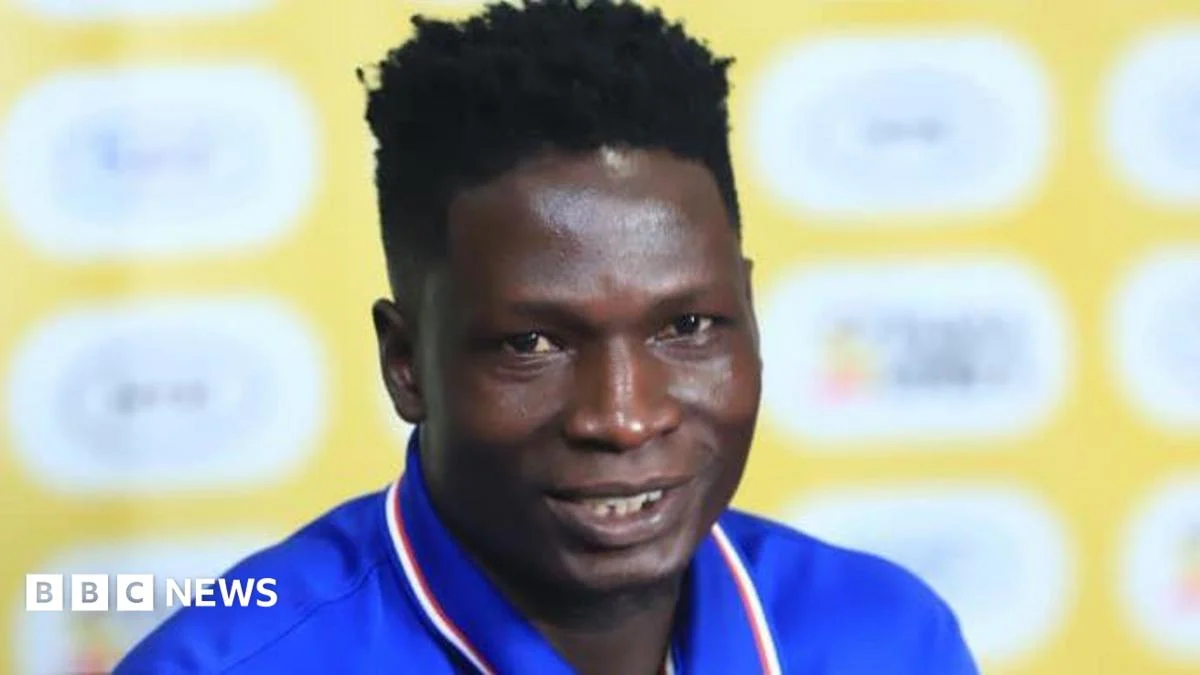
The nation of Uganda is reeling from the profound loss of one of its most celebrated football figures, David Owori, who was tragically beaten to death by suspected robbers near his residence in Kampala. The devastating incident, which occurred late Tuesday night, has not only plunged the football community into deep mourning but has also reignited widespread public anger and concern over the escalating rates of violent crime across the capital and beyond. Owori, a revered 27-year-old captain of Sports Club (SC) Villa and a representative of the national Cranes team, was reportedly fatally assaulted after he resisted an attempt to steal his mobile phone and other personal belongings.
The Tragic Incident Unfolds: A Detailed Account
The sequence of events leading to Owori’s untimely death began on Tuesday night as he approached his home in Makindye, a bustling suburb of Kampala. According to police reports and eyewitness accounts, Owori was ambushed by a group of assailants. The attackers, intent on robbery, confronted the footballer, who reportedly resisted their demands. In a brutal display of violence, the thugs assaulted Owori with paving stones, inflicting severe, life-threatening injuries before robbing him of his possessions and fleeing the scene. They left him unconscious, bleeding, and critically wounded.
SC Villa spokesperson Asan Kasingye provided further details to journalists, emphasizing the proximity of the attack to Owori’s home, underscoring the brazen nature of the crime. "The player was ambushed by thugs as he approached his home, leaving him with life-threatening injuries before he was rushed to the medical facility," Kasingye stated, highlighting the shock and disbelief felt by the club and the wider community.
Following the assault, Owori was initially rushed to a nearby medical clinic for urgent attention. However, due to the severity of his injuries, he was subsequently transferred to a private medical facility within the city, where medical professionals worked tirelessly to save his life. Despite their best efforts, David Owori succumbed to his extensive injuries on Wednesday, plunging the nation into a state of grief and outrage.
Local police spokesperson Rachael Kawala confirmed that detectives had immediately launched an investigation into the murder. "The scene of the incident has been documented and processed to ensure that all relevant evidence is collected and preserved," Kawala affirmed, assuring the public that law enforcement was actively pursuing leads to identify and apprehend those responsible for the heinous act. The commitment to a thorough investigation comes amid intense public pressure for swift justice and accountability.
A Star’s Legacy: David Owori’s Illustrious Career and Impact
David Owori, affectionately known by his fans and teammates as "Colgate," was more than just a footballer; he was a symbol of dedication, resilience, and leadership. At just 27 years old, he had already carved out an impressive career, distinguishing himself as a versatile player capable of excelling both as a right-back and a midfielder. His tactical discipline, intelligence on the pitch, and ability to adapt to different roles made him an invaluable asset to any team.
Owori’s connection with Sports Club Villa, the Uganda Premier League’s record champions, was particularly profound. He had a storied history with the club, returning for a second spell in 2023, which cemented his status as one of SC Villa’s longest-serving and most influential players. It was during this second tenure that Owori truly shone as a leader. He captained the club through a challenging yet triumphant period, ultimately guiding them to their first league title in two decades. This monumental achievement, securing SC Villa’s 17th top-flight crown in 2024, was a testament to his leadership, unwavering commitment, and profound impact on the team’s morale and performance. His instrumental role in breaking the 20-year drought endeared him even further to the club’s fervent fanbase and cemented his legendary status within the institution. Recognizing his immense value, both on and off the pitch, the club had recently extended his contract until January 2027, underscoring their long-term plans built around his leadership.
Beyond his club achievements, Owori also proudly represented his country on the international stage. He featured for the Uganda Cranes national team during the 2021 Africa Cup of Nations qualifying campaign, demonstrating his talent and commitment at the highest level of African football. He was widely regarded as a strong contender for future call-ups to the national squad, with many believing he had the potential to become a cornerstone of the Cranes for years to come. His untimely death has robbed Ugandan football of a player who "carried the hopes of a nation," as poignantly stated by the Uganda Cranes official statement.
National Grief and Calls for Justice
The news of David Owori’s murder sent shockwaves across Uganda, triggering an outpouring of grief and condemnation from all corners of society. The football community, including players, coaches, administrators, and fans, expressed profound sorrow and outrage. Tributes have continued to pour in for the fallen defender, highlighting his character, leadership, and contributions to the sport.
The Federation of Uganda Football Associations (FUFA) released a statement describing Owori as "a true leader on and off the pitch." Their message underscored the depth of the loss: "David was not just a footballer. He was both a leader and an inspiration to a generation," emphasizing the broader impact he had beyond his athletic prowess. Similarly, SC Villa, his beloved club, lamented the loss of "more than a player – we have lost a leader, brother and friend," reflecting the deep personal connections he forged within the team.
The tragedy also resonated within the political sphere. On Wednesday, the Ugandan Parliament observed a solemn minute of silence in honour of Owori, with legislators calling for swift and decisive investigations into his murder. This parliamentary recognition highlighted the national significance of the loss and the urgent demand for accountability from the country’s leadership.
Social media platforms became a focal point for public sentiment, with thousands of Ugandans expressing their grief, anger, and frustration. Hashtags demanding justice for Owori trended, as users shared memories, tributes, and heartfelt messages. Beyond personal sorrow, the online discourse quickly shifted to a broader critique of the prevailing security situation in Kampala. Many Ugandans questioned the efficacy of law enforcement in curbing violent crime and called for tougher action against criminals, reflecting a growing sense of insecurity among the populace.
Kampala’s Growing Shadow: A Pattern of Violent Crime
David Owori’s murder is not an isolated incident but rather the latest in a series of violent crimes that have plagued Kampala, particularly targeting individuals for their personal belongings. The brazen nature of the attack, coupled with the tragic outcome, has intensified existing fears among city residents. Mobile phone robberies, often escalating to violent assaults, have become a disturbingly common occurrence in various urban centres across Uganda, prompting calls for more robust community policing and crime prevention strategies.
This incident carries an added weight due to its unfortunate parallel with another recent tragedy involving a prominent Ugandan sports figure. Just weeks prior to Owori’s death, rugby international Sydney Gongodyo was also fatally attacked by a mob in Kampala. The successive deaths of two well-known athletes under similar circumstances have amplified public anxiety, leading many to question whether sports stars are becoming specific targets for criminal elements, or if it merely underscores a broader, systemic issue of deteriorating security. The pattern of violence suggests a concerning trend that demands immediate and comprehensive attention from authorities. The perceived rise in street crime, muggings, and home invasions has eroded public trust and created an environment of fear, prompting citizens to demand more visible police presence and effective deterrents.
Official Response and the Path to Justice
In the wake of Owori’s murder, the Uganda Police Force has reiterated its commitment to bringing the perpetrators to justice. Police spokesperson Rachael Kawala emphasized that the investigation is a top priority, with detectives meticulously gathering evidence and pursuing all credible leads. The documentation and processing of the crime scene are critical steps in forensic analysis, aiming to identify suspects through physical evidence. However, the challenges of urban crime, including transient criminal groups and difficulties in witness identification, often complicate such investigations.
Beyond the immediate investigation, there is an expectation from the public for broader governmental action. The parliamentary call for quick investigations is likely to be followed by demands for a review of national security strategies, particularly concerning urban crime. This might include increased police patrols, investment in surveillance technology, community engagement programs, and more stringent penalties for violent offenders. The government faces the difficult task of restoring public confidence in its ability to ensure the safety and security of its citizens, especially after such high-profile incidents involving national figures.
Implications for Ugandan Sports and National Security
The death of David Owori leaves an indelible mark on Ugandan football. His absence will be deeply felt by SC Villa, who will now face the challenge of rebuilding leadership and morale after losing their captain and a key player so tragically. For the Uganda Cranes, it means the loss of a promising talent and a potential future star. Beyond the immediate athletic impact, the incident also casts a shadow over the safety of athletes and public figures in Uganda, potentially deterring future talents or affecting the psychological well-being of existing players who may now feel vulnerable.
More broadly, Owori’s murder serves as a stark reminder of the persistent security challenges facing Uganda. It underscores the urgent need for a comprehensive and sustained effort to combat violent crime, particularly in urban areas. The outpouring of public anger on social media is a clear indicator that citizens expect decisive action from their government to address these concerns. Failure to do so risks further erosion of public trust and could have wider socio-economic implications, affecting tourism, investment, and the overall quality of life for Ugandans.
As the nation mourns David Owori, his legacy will undoubtedly extend beyond his remarkable achievements on the football pitch. He will be remembered not only as a talented player and a revered captain but also as a symbol of the pressing need for a safer Uganda, where individuals can pursue their dreams without fear of succumbing to senseless violence. The calls for justice for Owori resonate deeply, becoming a rallying cry for a nation demanding enhanced security and a renewed commitment to peace and order.