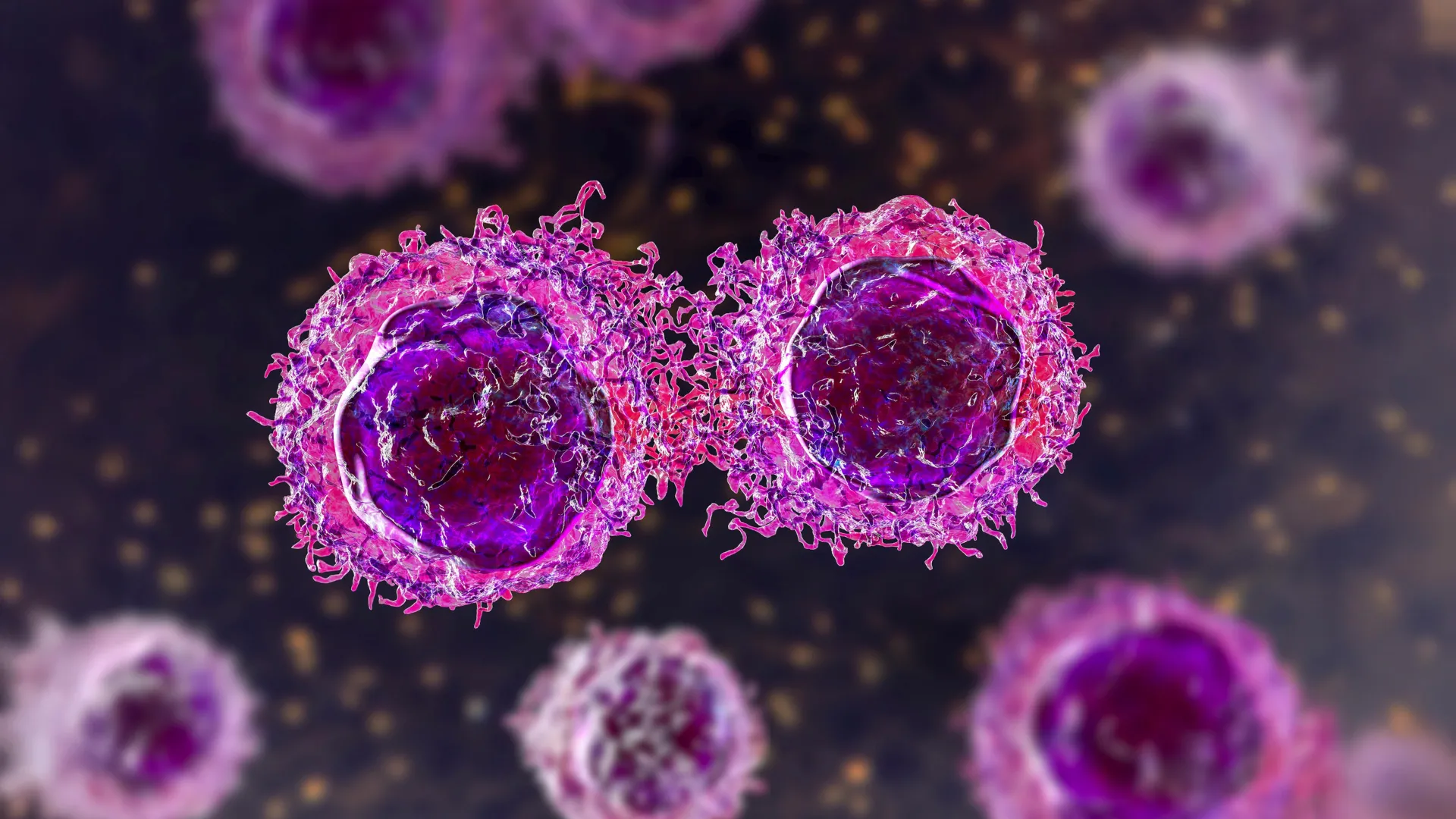
Cancer cells possess a sophisticated defense mechanism, often cloaking themselves in a dense layer of sugar-derived molecules. This intricate coating, known as the glycocalyx, acts as a form of molecular camouflage, rendering them less visible and therefore harder for the body’s immune cells to recognize and eliminate. This biological evasion strategy has long been a significant hurdle in cancer treatment, particularly in harnessing the full potential of immunotherapies. Now, groundbreaking research from Sanford Burnham Prebys Medical Discovery Institute, in collaboration with institutions across North America, has illuminated specific environmental conditions within the tumor microenvironment that actively contribute to the formation and thickening of this protective sugar shield. Published on August 7, 2026, in the esteemed journal Science Advances, these findings not only deepen our understanding of cancer cell behavior but also unveil a promising therapeutic target that could potentially re-sensitize cancer to immune attack.
The Tumor Microenvironment: A Key Architect of Cancer’s Defense
The tumor microenvironment is a complex ecosystem, a dynamic interplay of cancer cells, immune cells, supportive connective tissues, a network of blood vessels, and a rich milieu of proteins and carbohydrates. It is within this intricate milieu that cancer cells develop and adapt. Dr. Kevin Tharp, lead and corresponding author of the study and an assistant professor in the Cancer Metabolism and Microenvironment Program at the Sanford Burnham Prebys NCI-Designated Cancer Center, was initially drawn to investigate the impact of physical forces on cellular function. His previous work had revealed how mechanical pressure could induce significant, and often unexpected, changes in mitochondrial function. The tumor, characterized by its often significantly stiffer and more compressed architecture compared to surrounding healthy tissues, presented an ideal natural laboratory for exploring these biophysical influences on cellular metabolism.
"Primary tumors are typically stiffer than their surrounding tissue," Dr. Tharp explained in an interview. "This led me to hypothesize that the biophysical properties of cells influence the altered metabolic programs that everyone observes in tumors." This hypothesis set the stage for an investigation into how the physical and biochemical characteristics of the tumor environment could directly impact the metabolic machinery of cancer cells, and consequently, their ability to evade immune surveillance.
A well-established metabolic hallmark of many tumors is a shift away from efficient oxidative metabolism of glucose, favoring other pathways. Previous research had already indicated that this metabolic reprogramming might not be an intrinsic, immutable characteristic of cancer cells themselves, but rather a flexible adaptation influenced by the availability of specific nutrients in their immediate surroundings. This crucial insight fueled the research team’s focus on how the nutrient composition of the tumor microenvironment could be a decisive factor in cancer’s defense strategies.
Simulating the Tumor Environment: A Controlled Experiment
To dissect these complex interactions, Dr. Tharp and his colleagues devised a series of controlled experiments. They exposed cancer cells to conditions that mimicked various aspects of the tumor microenvironment. A key element of their experimental design involved manipulating the stiffness of the cellular substrate, with some cells cultured on stiff surfaces designed to replicate the physical rigidity of primary tumors, while others were grown on softer materials characteristic of normal tissues.
Beyond physical properties, the researchers meticulously controlled the biochemical milieu. They utilized two distinct types of culture media. One was a standard laboratory medium, commonly used for cell culture, which provides a baseline nutrient profile. The second medium was specifically formulated to more closely reflect the complex and often nutrient-rich composition found within the human body, providing a more physiologically relevant environment. Both media types were then tested under both normal and elevated glucose conditions, allowing the researchers to simulate hyperglycemia, a common metabolic state in patients with diabetes and increasingly recognized as a risk factor in cancer.
This multi-faceted experimental approach allowed the team to systematically isolate and evaluate the impact of physical stiffness, nutrient composition, and glucose availability on cancer cell behavior, particularly their ability to produce and maintain the glycocalyx.
The Sugar Coating Thickens: High Glucose and Physiological Conditions
The results of these experiments were striking and provided compelling evidence for the role of the tumor microenvironment in shaping cancer’s defenses. The researchers observed significant alterations in the proteins produced by the cells, the concentrations of key metabolites within them, and, crucially, the thickness of the sugar-derived layer—the glycocalyx—that envelops their surfaces.
A particularly significant finding emerged when the team examined the impact of excess glucose. They discovered that elevated glucose levels only led to a substantial increase in the thickness of the glycocalyx when the cells were cultured in the physiologically relevant medium that closely mirrored the nutrient composition of the human body. This suggests that the mere presence of high glucose is not sufficient to augment the cancer cell’s protective shield; it requires the specific biochemical context provided by a more realistic internal environment.
"We observed that changing the physiological media composition and changing the available metabolites for those tumor cells reveals distinct biology for normal and tumor cell metabolism," Dr. Tharp commented. This highlights that cancer cell metabolism is not a fixed entity but rather a dynamic process highly responsive to its surrounding conditions. The interplay between abundant glucose and the complex nutrient profile of the human body appears to be a critical trigger for enhancing the cancer cell’s defensive glycocalyx.
Unraveling the Glycocalyx Assembly: The Role of Glucose Metabolism
The glycocalyx is fundamentally constructed from carbohydrates, which are attached to proteins and lipids, forming complex structures known as glycoconjugates. Given that glucose serves as a primary building block for these carbohydrate moieties, the research team logically hypothesized that alterations in glucose metabolism, or hyperglycemia, would directly influence the assembly and composition of this protective layer.
Their subsequent investigations confirmed this hypothesis. "We found stark separation between the glycoconjugates of cells cultured in conventional medium versus those cultured in a medium that better reflects the nutrient composition of the human body," Dr. Tharp stated. This difference underscored the importance of a physiologically accurate environment in observing these crucial metabolic adaptations. Furthermore, the researchers documented that hyperglycemia not only affected the quantity of glycoconjugates but also demonstrably altered their specific composition, suggesting a sophisticated reprogramming of how these protective molecules are synthesized.
HSF1: A Critical Regulator of the Sugar Shield
To pinpoint the molecular mechanisms driving the increased glycocalyx thickness under hyperglycemic conditions, the researchers delved into the changes in protein abundance within the cells. Their meticulous analysis identified heat shock factor 1 (HSF1) as a key player. HSF1 is a well-characterized protein primarily known for its role in cellular stress response, helping cells survive adverse conditions such as high temperatures. Intriguingly, prior research had already implicated HSF1 in the progression and metastasis of certain cancers, such as breast cancer.
The team’s experiments definitively demonstrated that the presence or absence of HSF1 significantly influenced the composition of the glycoconjugates produced by the cells. This finding established HSF1 as a critical mediator in the process by which hyperglycemia triggers the thickening of the cancer cell’s sugar coating.
Linking HSF1, Hyperglycemia, and Immune Evasion
The researchers then proceeded to integrate their findings, exploring the intricate relationship among hyperglycemia, HSF1, the tumor microenvironment, and the immune system’s capacity to combat cancer. Their pivotal discovery was that hyperglycemia enhanced cancer cells’ ability to evade immune detection only when HSF1 was present and when the cells were cultured under conditions that faithfully replicated the tumor microenvironment. This synergistic interaction underscores the complexity of cancer’s defense mechanisms, where multiple factors must align to confer the greatest advantage.
This discovery carries profound implications for therapeutic development. It suggests that targeting HSF1 could be a viable strategy to dismantle this protective sugar shield. By inhibiting HSF1, researchers hypothesize that the thickness of the glycocalyx could be reduced, thereby stripping away a significant layer of protection that cancer cells currently use to avoid immune surveillance.
A New Dawn for Cancer Immunotherapy?
"Our findings indicate that changes in mitochondrial function lead to the synthesis of cell surface sugar-derived molecules that make it difficult for the immune system to recognize and kill cancer cells," Dr. Tharp elaborated. "Now that we know this, this creates an enormous drug discovery opportunity to take away the surface coating that protects them from immune surveillance." He further expressed optimism, stating, "And we think this will be a really effective strategy to attack metastatic disease and improve immunotherapy responses."
The relevance of these findings is amplified by the growing global prevalence of metabolic syndrome and type 2 diabetes, both conditions often characterized by chronic hyperglycemia. Dr. Tharp pointed out that hyperglycemia is increasingly recognized as a significant risk factor for individuals diagnosed with cancer, often associated with poorer prognoses and treatment outcomes. While a substantial body of research has established a correlation between high blood sugar and adverse cancer-related outcomes, the precise biological mechanisms have remained elusive. This new study offers a concrete and plausible explanation, demonstrating how elevated glucose can directly contribute to immune evasion by enhancing the glycocalyx.
"What we found is a plausible mechanism by which hyperglycemia directly contributes to immune evasion," Dr. Tharp concluded. "And potentially a way to take away a pro-tumor advantage from hyperglycemia caused by metabolic syndrome and modern diets." This research opens a critical new avenue for developing therapies that could not only combat cancer but also mitigate the detrimental effects of common metabolic disorders on cancer progression and treatment efficacy.
The study received support from various prestigious organizations, including the National Institutes of Health, the National Cancer Institute, the National Foundation for Cancer Research, the Canada Excellence Research Chair in Glycomics, and the Ovarian Cancer Research Alliance, underscoring the collaborative and well-supported nature of this significant scientific endeavor. The research team is now poised to explore the translation of these findings into clinical applications, potentially offering new hope in the fight against cancer by rendering it more vulnerable to the body’s own immune defenses.