


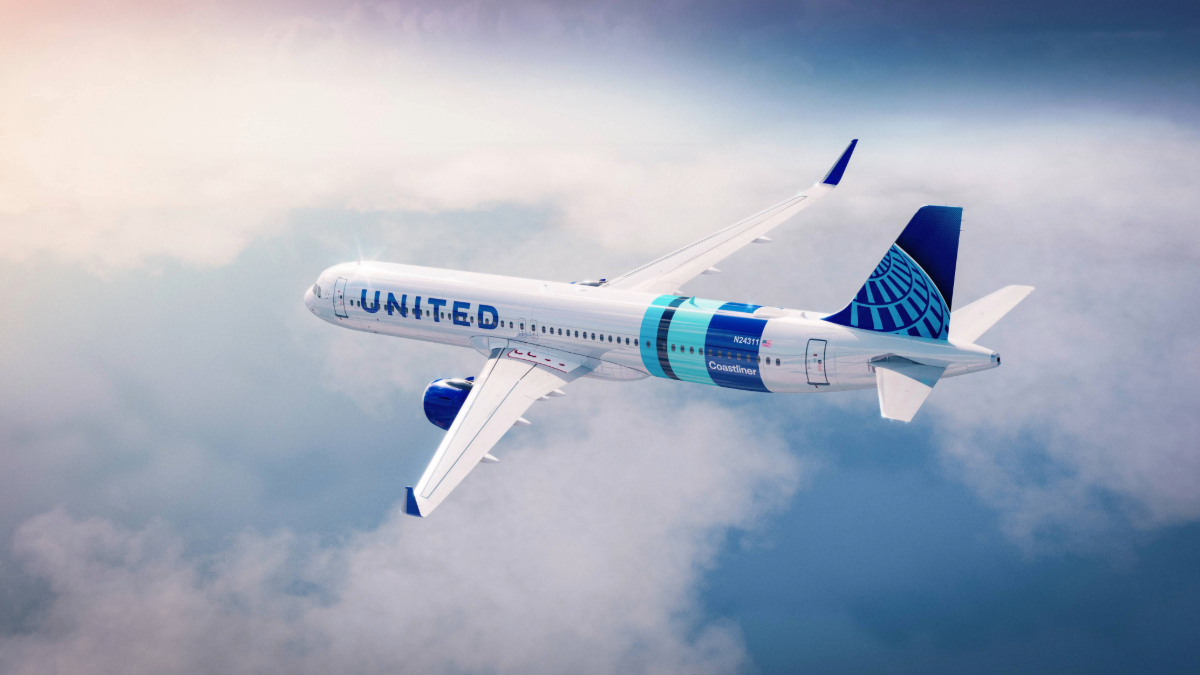
United Airlines Chief Executive Officer Scott Kirby has issued a clear message to the traveling public and Wall Street analysts alike: the era of historically low airfares, driven by ultra-low-cost carriers and cheap operating environments, has come to a definitive end. Speaking during a recent quarterly earnings call, Kirby argued that while surging jet fuel prices remain a significant variable, they are no longer the primary catalyst behind the rising cost of air travel. Instead, Kirby pointed to a profound "structural change" in the aviation industry’s cost base, characterized by ballooning labor expenses, increased maintenance costs, and a fundamental shift in the domestic competitive landscape.
According to data presented during the call, airfares across the United States have seen a broad increase of approximately 20% over the past year. Kirby asserted that this pricing trajectory is a necessary response to the rising costs of doing business in a post-pandemic economy. The CEO specifically highlighted the diminishing influence of ultra-low-cost carriers (ULCCs) like Spirit Airlines, whose previously aggressive pricing strategies often forced larger legacy carriers to lower their own fares to remain competitive. As these discount airlines face financial headwinds and operational constraints, the floor for ticket pricing has effectively risen.
The Shift from Variable to Structural Cost Drivers
For decades, the airline industry’s profitability was largely tethered to the volatility of the energy market. While fuel remains a top-tier expense—United recently implemented another broad fare increase to offset a spike in kerosene prices—the internal composition of airline balance sheets has shifted. Kirby noted that "cost inflation" in non-fuel categories is now the dominant force driving the pricing and revenue side of the business.
These non-fuel costs include a wide array of operational necessities. Labor costs have surged following landmark contracts with pilot unions, flight attendants, and ground crews. Maintenance expenses have also climbed as global supply chain disruptions have made aircraft parts more expensive and harder to source. Furthermore, airport landing fees and infrastructure costs have increased as municipalities seek to recover lost revenue from the pandemic years. Kirby’s thesis suggests that these are not temporary spikes but rather a permanent re-baselining of what it costs to fly a plane from point A to point B.
The Decline of the Ultra-Low-Cost Model and Its Impact on Pricing
One of the most significant takeaways from Kirby’s analysis was the role of Spirit Airlines and the broader ULCC sector in the current pricing environment. For years, the presence of Spirit, Frontier, and Allegiant provided a downward pressure on fares. However, the business model for these carriers has come under intense pressure due to rising costs that hit smaller, budget-focused airlines harder than their larger, diversified counterparts.
The disappearance of "rock-bottom" fares is a direct result of these carriers needing to shore up their own margins. Spirit Airlines, in particular, has faced a series of setbacks, including the blocked merger with JetBlue Airways and ongoing issues with Pratt & Whitney geared turbofan engines, which have forced the grounding of dozens of aircraft. Kirby noted that as the "unprofitable capacity" of low-cost carriers is removed from the market, the industry is seeing a "readjustment in domestic capacity" that allows legacy carriers like United to exercise greater pricing power.
Chronology of the Current Pricing Environment
To understand the current state of airfares, it is essential to look at the timeline of events that led to this structural shift:
- 2021–2022: The Rebound and Labor Shortages. As travel demand surged following the lifting of COVID-19 restrictions, airlines faced a massive shortage of pilots and ground staff. This led to a wave of new labor agreements with significantly higher wage scales.
- 2023: The Peak of Supply Chain Constraints. Issues at Boeing and Airbus led to delays in aircraft deliveries. Simultaneously, engine recalls and maintenance backlogs reduced the number of available seats in the market, creating a supply-demand imbalance that favored higher prices.
- Early 2024: The Failure of the JetBlue-Spirit Merger. A federal judge blocked the merger on antitrust grounds, leaving Spirit to navigate its financial struggles independently. This signaled to the market that the era of consolidation-driven low fares was over.
- Mid-2024: The Structural Realignment. Major carriers, led by United and Delta, began reporting that their "premium" products (First Class, Business, and Premium Economy) were driving a larger share of revenue, allowing them to rely less on the budget-conscious traveler who previously sought out ULCC-level pricing.
Supporting Data: Labor, Maintenance, and Capacity
The data supporting Kirby’s claims of a structural shift is found in the quarterly filings of major U.S. carriers. Labor costs now frequently rival or exceed fuel costs as the largest line item for airlines. At United, for example, the most recent pilot contract is expected to add billions in cumulative costs over the next four years.
Furthermore, capacity constraints are acting as a natural ceiling on supply. According to industry analysts, domestic capacity growth has slowed to a crawl compared to pre-pandemic projections. Boeing’s ongoing production issues with the 737 MAX program have forced United to trim its flight schedules and delay the retirement of older, more expensive-to-maintain aircraft. When supply is constrained and operating costs are high, the economic result is inevitably higher consumer prices.
The 20% increase in airfares cited by Kirby is also reflected in the Consumer Price Index (CPI) for airline tickets, which has consistently outpaced general inflation in several month-over-month comparisons. While the "Revenge Travel" trend of 2022 has leveled off, the "New Normal" consists of a traveler who is willing to pay more for reliability and a better cabin experience, a demographic United is aggressively targeting.
Reactions from Industry Stakeholders and Competitors
While Kirby has been the most vocal about these structural changes, his sentiments are echoed across the industry. Delta Air Lines CEO Ed Bastian has frequently spoken about the "premiumization" of air travel, suggesting that consumers are moving away from the lowest-price-at-all-costs mindset. Delta’s recent financial successes have been largely attributed to its focus on high-margin premium seats and its lucrative partnership with American Express.
Conversely, consumer advocacy groups have expressed concern over Kirby’s remarks. Critics argue that the "structural change" narrative is a convenient justification for record-high ticket prices during a period of strong corporate profits. Some analysts point out that while costs have certainly risen, the lack of competition—compounded by the struggles of Spirit and the consolidation of the "Big Four" (United, Delta, American, and Southwest)—has removed the primary incentive for airlines to keep fares low.
Wall Street, however, has largely rewarded this transparency. Investors view Kirby’s focus on "pricing power" as a sign of a maturing industry that is finally prioritizing sustainable margins over market-share wars.
Broader Implications for the Future of Travel
The implications of this structural shift extend beyond the price of a single ticket. If Kirby’s assessment is correct, the travel industry is entering a phase of "quality over quantity." For the average consumer, this means that the $19 or $49 cross-country flight may become a relic of the past.
For United Airlines, the strategy moving forward involves the "United Next" plan, which focuses on flying larger aircraft with more premium seats and better amenities. By increasing the average size of the aircraft (upgauging), United can spread its high fixed costs—like pilot salaries and landing fees—across more passengers, even if those passengers are paying higher individual fares.
The shift also has significant implications for the corporate travel sector. As businesses return to the skies, they are encountering a market where "Basic Economy" is less prevalent and "Premium" options are the priority. This could lead to a permanent increase in corporate travel budgets or a continued reliance on virtual meetings for non-essential business.
Conclusion: A New Economic Reality in the Skies
Scott Kirby’s analysis suggests that the current state of airfares is not a temporary bubble driven by a spike in oil prices, but rather the result of a fundamental realignment of the airline industry’s economics. The combination of high labor costs, a constrained supply of new aircraft, and the financial weakening of the ultra-low-cost sector has created a perfect storm for higher prices.
As United Airlines and its peers navigate this high-cost environment, the focus has shifted from expansion at any cost to operational efficiency and revenue optimization. For passengers, the message is clear: the cost of flying is being recalibrated to reflect the true expense of modern aviation. While fuel will always be a factor, the "structural change" Kirby describes indicates that the days of the budget-traveler-led market are fading, replaced by a system where premium service and operational stability dictate the price of the seat.