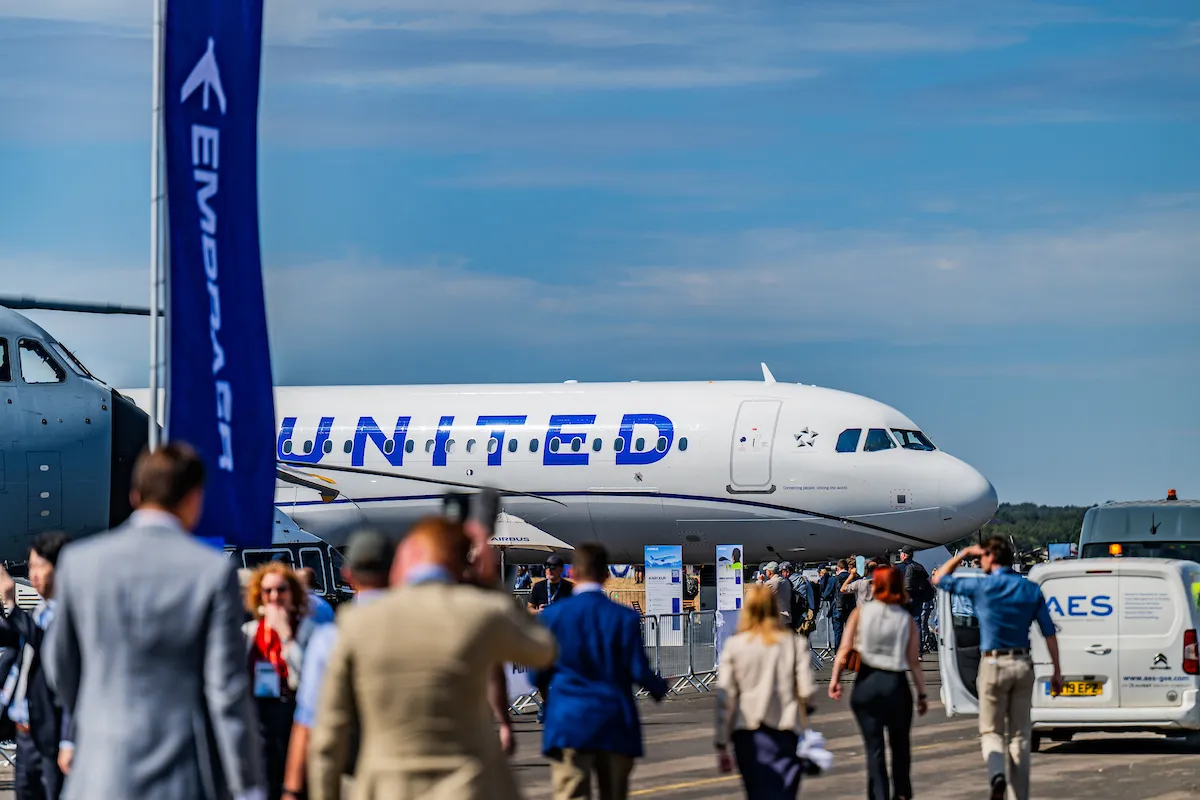
United Airlines has officially announced its most extensive international route expansion to date, signaling a significant shift in its global network strategy. By targeting "off-the-beaten-path" destinations across Europe and Asia, the Chicago-based carrier aims to solidify its position as the leading U.S. airline for transoceanic travel. This expansion, scheduled to commence in early 2027, focuses on providing direct access to unique markets that have traditionally required connections through major European or Asian hubs. The move reflects a broader industry trend where major carriers are increasingly catering to high-yield premium travelers seeking exclusive experiences beyond traditional capital cities like London, Paris, and Tokyo.
Strategic Framework of the 2027 Expansion
The 2027 expansion is built upon the "United Next" strategy, which emphasizes the deployment of modernized aircraft and the expansion of the airline’s global footprint to capture the growing demand for "discovery tourism." As traditional European gateways become increasingly congested and subject to slot constraints, United is leveraging its primary hubs—specifically Newark Liberty International Airport (EWR), Washington Dulles (IAD), and San Francisco International (SFO)—to launch non-stop services to secondary and tertiary markets.
This strategy serves a dual purpose. First, it bypasses the competitive pressures of "hub-to-hub" flying, where multiple carriers compete for the same passengers on routes like New York to London. Second, it establishes United as the preferred carrier for travelers who prioritize time and convenience, offering the only non-stop options from the United States to several of these new destinations.
Detailed Chronology and Route Implementation
The rollout of these new routes is scheduled to begin in the spring of 2027, timed to capture the peak summer travel demand. The expansion includes a diverse array of destinations, ranging from Mediterranean islands to historical European cities and strategic Asian outposts.
Trans-Pacific Expansion: San Francisco to Okinawa
Starting March 27, 2027, United will launch non-stop service from San Francisco (SFO) to Okinawa, Japan. This route is particularly significant as it connects a major U.S. West Coast hub to a destination that serves as both a critical strategic military location and a burgeoning luxury tourism market. Okinawa, often referred to as the "Hawaii of Japan," has seen a surge in interest from international travelers, and United’s direct service will eliminate the need for a domestic connection through Tokyo or Osaka.
Trans-Atlantic Expansion from Washington Dulles
On April 26, 2027, United will begin service from Washington Dulles (IAD) to Toulouse, France. Known as the "Pink City" and the heart of Europe’s aerospace industry, Toulouse is home to Airbus headquarters. This route is expected to see high demand from corporate travelers in the aerospace and technology sectors, as well as leisure travelers looking to explore the Occitanie region.
The Newark Liberty Gateway: A Mediterranean and European Focus
The bulk of the expansion will originate from Newark Liberty International Airport (EWR), United’s primary gateway for trans-Atlantic travel. The schedule for the EWR expansion is as follows:
- Luxembourg: Service begins April 2, 2027. This marks a rare direct connection between the U.S. and one of Europe’s most important financial and administrative centers.
- Ljubljana, Slovenia: Starting May 12, 2027, United will offer a direct link to the Slovenian capital, providing access to the Julian Alps and Lake Bled.
- Olbia (Sardinia), Italy: Launching May 27, 2027, this route targets the high-end luxury market of the Costa Smeralda.
- Ibiza, Spain: Service begins May 31, 2027, catering to the seasonal demand for one of the world’s most famous leisure and nightlife destinations.
- Valencia, Spain: Starting June 2, 2027, United will connect Newark to Spain’s third-largest city, known for its arts, sciences, and culinary heritage.
- Marseille, France: Launching June 4, 2027, this route provides direct access to the French Riviera and the Provence region.
- Terceira, Portugal: Beginning June 8, 2027, this service to the Azores expands United’s footprint in the mid-Atlantic, building on the success of its existing routes to Ponta Delgada.
- Catania (Sicily), Italy: Also part of the summer rollout, this route offers a direct gateway to eastern Sicily and Mount Etna.
Supporting Data and Operational Logistics
The scale of this expansion is supported by United’s aggressive aircraft acquisition program. The airline has hundreds of new widebody aircraft on order, including Boeing 787 Dreamliners and Airbus A321XLRs. For many of the new European routes, United is expected to utilize its "high-J" Boeing 767-300ER aircraft, which feature an expanded Polaris business class cabin. This configuration is specifically designed for markets where premium demand is high but total passenger volume may not justify a larger 777 or 787.
Internal data from United suggests that "unique" destinations—those where United is the only U.S. carrier—have historically performed with higher margins than traditional trunk routes. By controlling the only non-stop capacity to cities like Ljubljana or Olbia, the airline can command premium pricing, especially in the front of the cabin.
Furthermore, the timing of these flights is strategically aligned with United’s domestic network. By scheduling arrivals from the U.S. interior into Newark and Washington Dulles in the early evening, United ensures seamless connectivity for passengers originating in cities like Chicago, Denver, and Houston.
Official Responses and Industry Reactions
While official statements from United’s executive leadership emphasize the carrier’s commitment to global connectivity, Patrick Quayle, Senior Vice President of Global Network Planning and Alliances, has previously noted that the airline’s strategy is to "be where the competition isn’t." According to internal communications, the 2027 expansion is a direct response to customer feedback requesting more "one-stop" or "non-stop" options to secondary European markets.
Industry analysts have reacted to the announcement with a mix of intrigue and caution. "United is doubling down on its role as the premier international carrier among the U.S. Big Three," noted one senior aviation consultant. "By moving into markets like Slovenia and the Azores, they are effectively building a ‘moat’ around their international network. It’s a high-reward strategy that relies on the continued strength of the premium leisure traveler."
Tourism boards in the recipient cities have expressed significant enthusiasm. Officials in Valencia and Toulouse have already begun coordinating with local hospitality sectors to prepare for the anticipated influx of American tourists. The direct connection to Newark is expected to provide a multi-million dollar boost to local economies through increased spending on hotels, dining, and cultural attractions.
Broader Impact and Market Implications
The implications of United’s 2027 expansion extend beyond the airline itself, impacting the broader competitive landscape of the aviation industry.
Pressure on European Hub Carriers
By offering direct flights to cities like Marseille and Catania, United is directly challenging the dominance of European "flag carriers" such as Air France, Lufthansa, and ITA Airways. Previously, a traveler from New York to Sicily would almost certainly have to connect in Rome, Paris, or Frankfurt. By eliminating the connection, United is siphoning high-value traffic away from these European hubs.
The Evolution of Premium Travel
This expansion underscores a fundamental shift in the definition of premium travel. In the past, "premium" was defined by the class of service on the aircraft. Today, it is increasingly defined by the destination and the exclusivity of the route. United’s focus on niche, culturally rich destinations suggests that the airline believes the future of growth lies in "experiential" travel rather than simple volume.
Sustainability and Fleet Efficiency
Operating long-haul flights to secondary markets requires highly efficient aircraft. The use of the Boeing 787 and the 767-300ER with modernized engines allows United to maintain profitability on these routes even with lower passenger volumes compared to a New York-London flight. This efficiency is critical as the industry faces increasing pressure to reduce its carbon footprint; newer aircraft types are significantly more fuel-efficient per seat-mile.
Economic Impact on Regional Hubs
For Newark Liberty and Washington Dulles, this expansion solidifies their status as critical nodes in the global aviation system. The increase in international departures will necessitate upgrades to ground handling, customs and border protection (CBP) processing, and lounge facilities. This, in turn, drives job creation and infrastructure investment in the New York/New Jersey and D.C. metropolitan areas.
Conclusion
United Airlines’ 2027 international expansion represents a bold bet on the future of global mobility. By connecting the United States to destinations as varied as the aerospace labs of Toulouse and the rugged coastlines of Sardinia, the carrier is redefining its network to meet the sophisticated demands of the modern traveler. As the aviation industry continues to evolve in a post-pandemic landscape, United’s move toward "off-the-beaten-path" destinations may well set the standard for how major airlines balance scale with specialization. The success of these routes will likely be a bellwether for the industry, determining whether the trend toward niche, direct-to-destination international flying becomes a permanent fixture of global commerce and tourism.