

The United States and Saudi Arabia have officially concluded a landmark "peaceful nuclear co-operation agreement," a deal poised to grant the Gulf kingdom the capacity to develop a civilian nuclear energy program. Announced by the US Energy Department, the agreement is touted as providing "great access for American companies in the Saudi nuclear energy program," signaling a significant economic and strategic partnership valued at billions of dollars over decades. However, the accord has immediately ignited a fierce debate among international observers and policymakers, primarily due to unconfirmed reports suggesting it could eventually permit Saudi Arabia to enrich uranium on its own soil – a capability with profound dual-use implications, ranging from generating electricity to potentially producing fissile material for nuclear weapons.
Details of a Historic Agreement
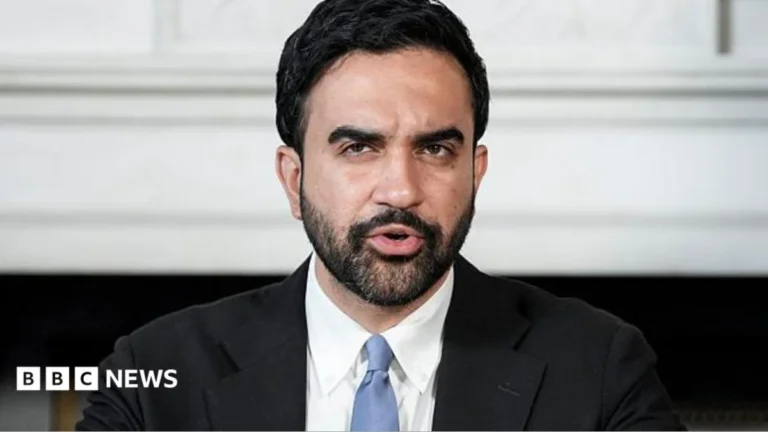
While the full text of the agreement remains undisclosed to the public, the US Department of Energy highlighted that alongside the co-operation deal, a "bilateral safeguards agreement" was also signed. This parallel accord, according to the US statement, aims to "lay the legal foundation for a decades-long, multi-billion-dollar partnership that advances several priority economic and strategic objectives, including nuclear nonproliferation." Secretary of Energy Chris Wright underscored this commitment, stating, "Rest assured, these agreements uphold the highest standards of nuclear safety and nonproliferation, while relying on the world’s best nuclear technology and scientists, designed right here in the United States." The department further asserted that the deal would advance both "US and regional security" and strengthen "the United States’ competitive edge in civil nuclear technology."
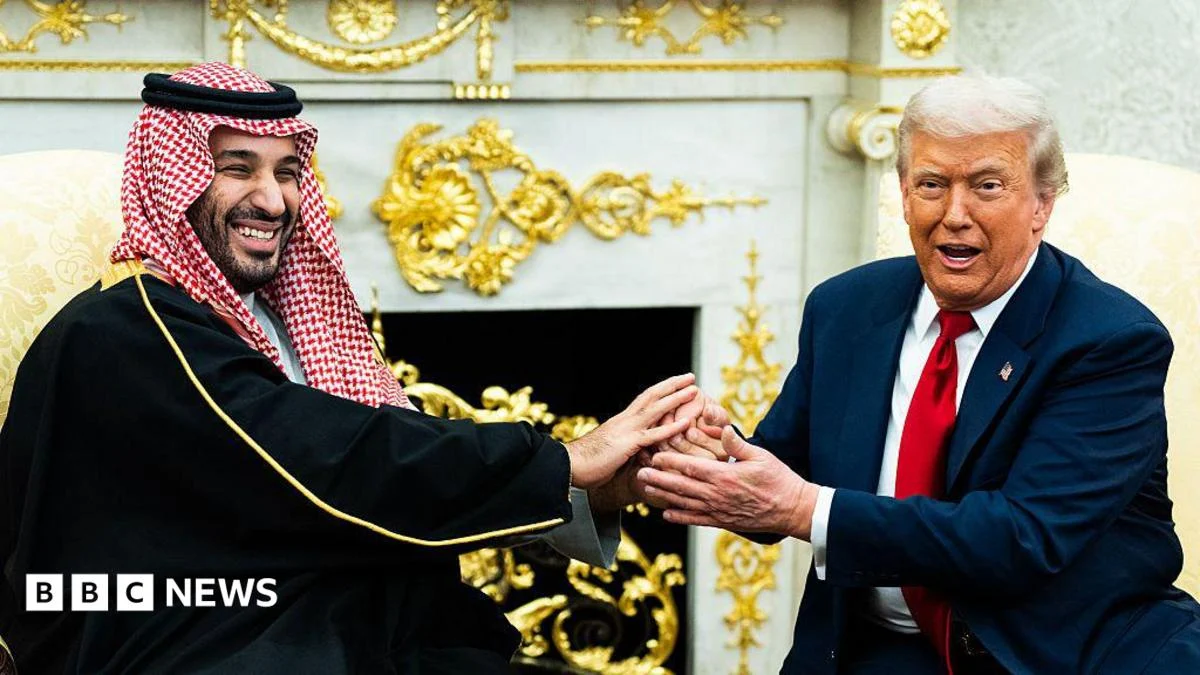
The Saudi government, in its own statement, framed the agreement as a natural "extension of existing co-operation between the two countries in the energy sector," noting that it follows a visit by the Saudi leader to Washington last November. This underscores Saudi Arabia’s long-held ambition to diversify its energy mix and bolster its strategic autonomy, aligning with its ambitious Vision 2030 economic blueprint. The kingdom, the world’s largest oil exporter, aims to reduce its reliance on hydrocarbons and embrace cleaner energy sources, including nuclear power, to meet its rapidly growing domestic energy demand. Estimates suggest Saudi Arabia could require up to 16 nuclear reactors in the coming decades to meet its power needs.
The Thorny Issue of Uranium Enrichment
The most contentious aspect of the deal, as widely reported by US media, is the potential for Saudi Arabia to enrich uranium domestically. Uranium enrichment is a complex process that increases the concentration of the fissile isotope U-235, making it suitable for fuel in nuclear power plants (low-enriched uranium, LEU) or, at much higher concentrations, for nuclear weapons (highly-enriched uranium, HEU). This dual-use nature is at the heart of global non-proliferation efforts.
Experts, including Rosemary Kelanic, the director of the Middle East program at the US-based Defense Priorities think tank, have voiced significant concerns. Kelanic described the prospect of the US allowing Saudi Arabia to enrich uranium on its soil as "quite shocking," noting, "The US has never done that before, we have never helped another country enrich on their own soil." She emphasized the inherent risk: "If you can produce your own nuclear fuel, you become a much bigger risk for building nuclear weapons." Historically, the US has pursued a "gold standard" for nuclear cooperation agreements, particularly under its "123 Agreements" framework, which typically prohibits recipient nations from enriching uranium or reprocessing spent fuel – processes that could lead to weapon-grade material. The 2009 US-UAE nuclear deal is often cited as a prime example of this gold standard, as the UAE explicitly renounced domestic enrichment and reprocessing capabilities. If the Saudi deal indeed includes an enrichment provision, it would fundamentally distinguish it from the UAE precedent and could set a new, potentially troubling, standard.
Geopolitical Context and Timing
The announcement of the nuclear deal arrives amidst a highly volatile geopolitical landscape in the Middle East. Tensions between the US and Iran have escalated significantly, with recent fighting and exchanges of fire. Saudi Arabia, a long-standing US ally and a major regional rival of Iran, hosts several US military bases, which have recently been targeted by Iranian-backed groups. Just two days prior to the deal’s announcement, Iran’s allies in Yemen, the Houthi rebels, declared a "maritime blockade" against the kingdom, further ratcheting up regional instability.
This backdrop adds layers of complexity to the nuclear agreement. The US, in bolstering Saudi Arabia’s capabilities, is simultaneously sending a strong signal to Iran, which is itself engaged in a controversial nuclear program. Saudi Arabia’s de facto ruler, Crown Prince Mohammed bin Salman (MBS), made a chilling statement in a 2018 interview with CBS News, asserting that while his nation was not planning to acquire a nuclear weapon, "without a doubt if Iran developed a nuclear bomb, we will follow suit as soon as possible." This explicit declaration of a potential nuclear domino effect underscores the high stakes involved and the deep-seated security concerns driving Saudi Arabia’s nuclear ambitions.
Furthermore, US officials are reportedly keen to prevent rivals like Russia and China from gaining a foothold in Saudi Arabia’s burgeoning nuclear energy sector. There have been reports of Moscow and Beijing engaging in similar discussions with Riyadh, suggesting that the US deal may also be a strategic move to maintain its influence and competitive edge in the civil nuclear technology market.
Congressional Scrutiny and Domestic Political Fallout
The agreement is now slated for review by the US Congress, where it is expected to face significant opposition from lawmakers on both sides of the political aisle. The current political climate, with Trump’s Republican Party controlling both the House and Senate, might ease its passage, but concerns about nuclear proliferation are often bipartisan.
Secretary of State Marco Rubio, while traveling in the Philippines, defended the deal against critics, stating, "The US is not going to reach any agreement with any country in the world that leads to the risk of proliferation." However, this stance has drawn sharp criticism, particularly from Democrats, who recall Rubio’s past support for the "No Nuclear Weapons for Saudi Arabia Act" during his time as a senator. That legislation specifically mandated Congressional sign-off on any nuclear deal with Saudi Arabia that could facilitate weapon development.
Massachusetts Democratic Senator Edward Markey issued a scathing statement condemning both Rubio and the Trump administration, accusing them of "hypocrisy" and "recklessness." Markey stated, "They are allowing Saudi Arabia, a belligerent and authoritarian nation, to develop nuclear weapons technologies while starting a war with Iran under the guise of preventing an Iranian nuclear bomb." This highlights the deep ideological and strategic divisions within US politics regarding the deal’s wisdom and implications. Non-proliferation campaigners and organizations are also expected to mobilize against the agreement, arguing that it undermines global efforts to prevent the spread of nuclear weapons and sets a dangerous precedent.
Erosion of Non-Proliferation Norms and Regional Dynamics
The potential inclusion of domestic enrichment rights for Saudi Arabia represents a significant departure from established US non-proliferation policy and could have far-reaching consequences for the Nuclear Non-Proliferation Treaty (NPT) regime. The NPT, signed by 191 states, aims to prevent the spread of nuclear weapons, facilitate the peaceful uses of nuclear energy, and further the goal of disarmament. Allowing a non-nuclear-weapon state to develop enrichment capabilities, even under safeguards, raises concerns about potential breakout scenarios – where a state could withdraw from the NPT and quickly convert its civilian enrichment facilities to produce weapon-grade material.
For Israel, the US’s closest ally in the Middle East, the prospect of a nuclear-capable Saudi Arabia is particularly alarming. While Israeli experts and former officials have voiced concern, many concede that the path to a Saudi nuclear weapon, even with enrichment capabilities, would likely take decades and incur significant international pushback. Nevertheless, the strategic calculus for Israel, which is widely believed to possess its own undeclared nuclear arsenal, would be profoundly altered. This development could intensify the already simmering regional arms race, potentially encouraging other states in the Middle East, such as Egypt or Turkey, to pursue similar nuclear ambitions.
Historical Context and US-Saudi Relations
Saudi Arabia has long sought such a nuclear deal, lobbying multiple US administrations over the years. A key sticking point in previous negotiations was the US demand for Saudi Arabia to recognize Israel and normalize diplomatic and economic relations – a condition that, according to recent US media reports, appears to have been dropped. This signifies a shift in US foreign policy priorities under the Trump administration, which has actively cultivated a closer relationship with Saudi Arabia, driven by shared strategic interests, particularly concerning Iran, and significant commercial opportunities. The dropping of the Israel recognition clause further underscores the strategic urgency the US places on securing this deal, potentially prioritizing its strategic and economic gains over traditional diplomatic leverage for regional peace.
Broader Impact and Implications
This nuclear agreement, if it passes congressional review and fully materializes as anticipated, represents a major victory for Saudi Arabia, enhancing its regional standing and potentially solidifying its role as a key player in global energy and geopolitical affairs. It has the potential to reshape power dynamics in the Middle East, though its full ramifications may not become apparent for several years, if not longer.
The deal also throws into stark relief the complexities of nuclear non-proliferation in a multipolar world. While designed to advance US and regional security objectives, the allowance of domestic enrichment capability creates a precedent that could be difficult to manage globally. It highlights the tension between promoting peaceful nuclear energy as a solution to climate change and energy security, and the ever-present risk of nuclear proliferation. The coming months will witness intense debate within the US Congress and among international policy circles as the implications of this landmark agreement are fully scrutinized. The world will be watching to see whether this deal truly upholds "highest standards of nuclear safety and nonproliferation" or if it inadvertently opens a Pandora’s Box in an already volatile region.