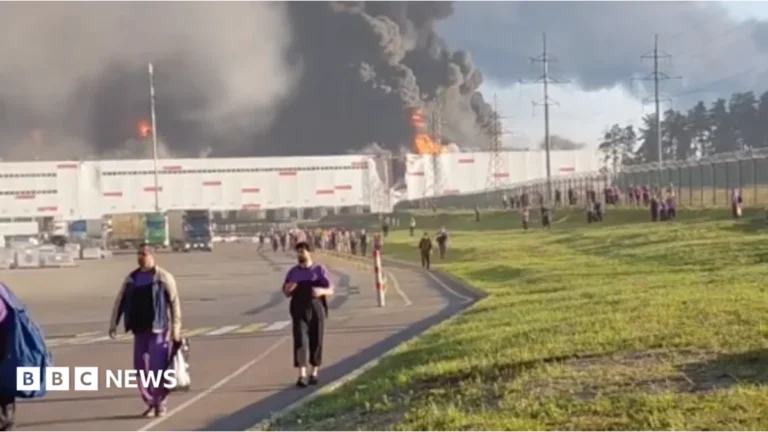



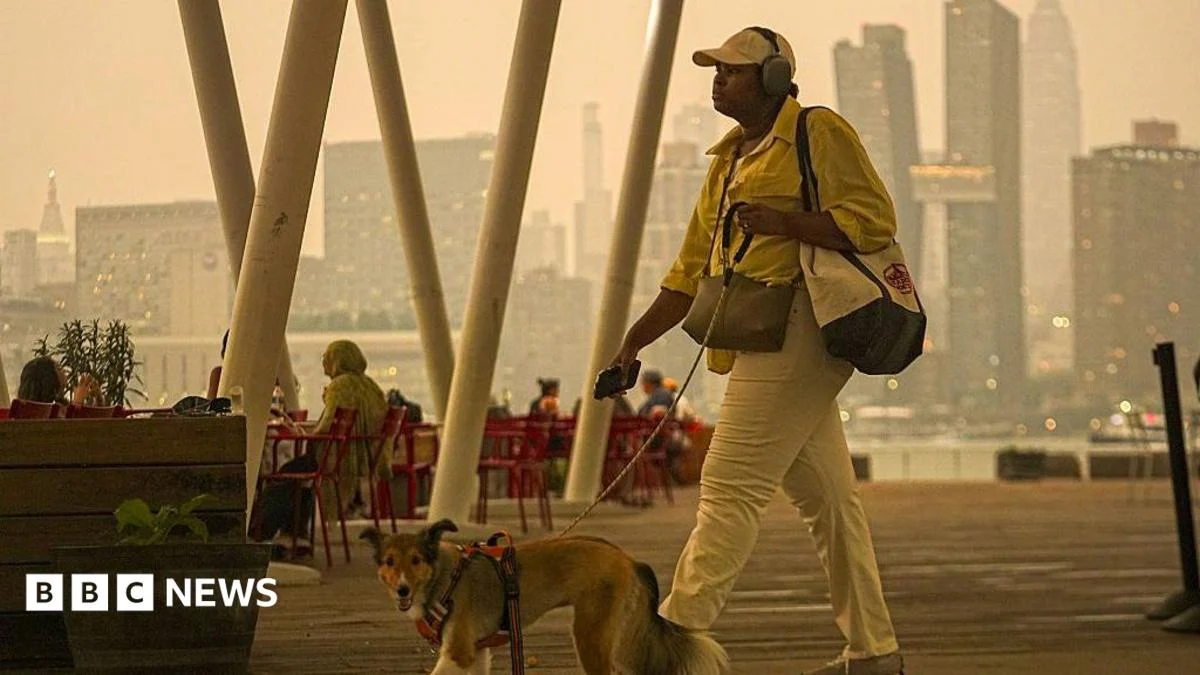
According to the Canadian Wildland Fire Information System (CWFIS), the vast majority of wildfires currently burning across Canada remain out of control, representing a historic and escalating crisis. These uncontained blazes, particularly a large cluster affecting western areas of Ontario, are responsible for dispatching vast, thick plumes of smoke across hundreds of thousands of square kilometers. This atmospheric deluge has led to severely degraded air quality in major urban centers such as Thunder Bay and Toronto, while lower concentrations of smoke, suspended high in the atmosphere, have drifted extensively over the Great Lakes region and as far south as New York, resulting in characteristically hazy skies and notably redder sunrises and sunsets. The transcontinental reach of this environmental phenomenon underscores the severity of Canada’s ongoing wildfire season, which has already established itself as one of the most destructive on record.
The Escalating Crisis: A National Overview of Canada’s Wildfire Season
Canada is currently grappling with an unprecedented wildfire season, characterized by an exceptional number of active fires and a staggering area burned. As of the latest reports from the CWFIS, hundreds of fires are actively burning nationwide, with a significant proportion categorized as "out of control." This designation signifies that the fires are not contained and are continuing to spread, posing immense challenges for firefighting efforts. While fires are active across multiple provinces and territories, the situation in Ontario has become particularly critical in recent weeks, with vast swaths of forestland succumbing to the flames. The sheer scale of the fires has overwhelmed local and provincial resources, necessitating inter-provincial and international assistance. This year’s figures far exceed the ten-year average for both the number of fires and the total area consumed, signaling a stark departure from typical wildfire seasons and highlighting the intensifying impact of climate change on natural disaster patterns. The dry conditions, exacerbated by earlier-than-usual warm temperatures and lightning strikes, have created an exceptionally volatile landscape, prone to rapid ignition and spread.
Smoke’s Far-Reaching Plumes: A Transnational Health Hazard
The environmental and public health ramifications of the Ontario wildfires extend far beyond provincial borders. The atmospheric dynamics, driven primarily by persistent northwesterly winds, have transformed the smoke into a continental issue. Cities like Thunder Bay, located closer to the active fire zones, have experienced immediate and severe impacts, with visibility drastically reduced and air quality plummeting to hazardous levels. Further east, Toronto, Canada’s largest city, has also been enveloped in a dense haze, prompting widespread air quality alerts and advisories for residents to limit outdoor exposure.
The trajectory of these smoke plumes does not stop at the Canadian-U.S. border. High-altitude smoke has been observed drifting over the entirety of the Great Lakes basin, impacting states such as Michigan, Wisconsin, Illinois, Indiana, Ohio, Pennsylvania, and New York. This high-altitude smoke, while sometimes less immediately perceptible at ground level, can still scatter sunlight, creating the characteristic hazy skies and contributing to the vivid, almost apocalyptic, red and orange hues observed during sunrise and sunset. This phenomenon is a result of Mie scattering, where smoke particles, predominantly fine particulate matter (PM2.5), preferentially scatter shorter wavelengths of light (blue and green), allowing longer wavelengths (red and orange) to penetrate more directly to the observer’s eye, especially when the sun is low on the horizon.
Air Quality Deterioration and Public Health Implications
The impact on air quality has been severe and geographically extensive. Swiss air quality tracker IQAir reported that the Midwestern city of Detroit, Michigan, experienced the worst air quality in the world recently, a direct consequence of the Canadian wildfire smoke. Following closely were Minneapolis, Minnesota, and Toronto, Ontario, underscoring the severity of the particulate matter concentrations across a broad region. These rankings are based on the Air Quality Index (AQI), a numerical scale used by government agencies to communicate to the public how polluted the air currently is or how polluted it is forecast to become. An AQI value above 100 is generally considered unhealthy for sensitive groups, while values exceeding 200 are deemed "very unhealthy," and anything above 300 is classified as "hazardous." During peak periods, many affected cities reported AQI levels well into the "very unhealthy" or even "hazardous" categories, primarily driven by elevated concentrations of PM2.5.
PM2.5 refers to fine inhalable particles, with diameters generally 2.5 micrometers and smaller. These particles are particularly dangerous because their minute size allows them to penetrate deep into the lungs and even enter the bloodstream. Exposure to high levels of PM2.5 can lead to a range of acute and chronic health problems. Short-term effects include irritation of the eyes, nose, and throat, coughing, wheezing, shortness of breath, and exacerbated asthma symptoms. For vulnerable populations, including young children, the elderly, pregnant individuals, and those with pre-existing respiratory or cardiovascular conditions, the risks are significantly higher, potentially leading to emergency room visits, hospitalizations, and even premature death. Health authorities across affected regions, including Health Canada and the U.S. Environmental Protection Agency (EPA), have issued numerous air quality advisories, urging residents to stay indoors, keep windows and doors closed, use air purifiers if available, and wear N95 or KN95 masks outdoors if exposure is unavoidable. Outdoor physical activity has been strongly discouraged, and schools have, in some instances, moved activities indoors or canceled them altogether.
Meteorological Dynamics and Future Outlook
The immediate meteorological outlook for Ontario includes quite widespread thunderstorms over the next few days. While any precipitation is generally welcomed in the context of battling wildfires, meteorologists and fire officials caution that the rain may not be sufficient to make a substantial difference to the overall fire situation. Scattered thunderstorms often bring localized rainfall, which might temporarily dampen specific areas but rarely provides the prolonged, widespread saturation needed to truly suppress large-scale forest fires. Furthermore, thunderstorms can sometimes be accompanied by dry lightning, which, without significant accompanying rain, can ignite new fires, exacerbating the crisis.
The prevailing northwesterly winds are projected to continue their pattern of blowing smoke into northern US states for the remainder of this week and into the upcoming weekend. This persistent wind direction raises significant concerns, particularly regarding major public events. Specifically, there is apprehension that significant smoke concentrations could drift into New Jersey, where a highly anticipated World Cup final is scheduled to take place on Sunday. Event organizers and local authorities are closely monitoring the situation, as poor air quality could necessitate adjustments to the event schedule or even impact spectator attendance and athlete performance.
A crucial change in the wind direction is anticipated by Monday. Forecasts indicate a shift that will tend to steer the smoke plumes across Quebec. This change is expected to bring a welcome improvement in air quality for regions further south in the United States, particularly those in the Midwest and Northeast that have been most severely impacted throughout the current week. However, this shift means that eastern Canada, specifically Quebec, will likely experience a significant deterioration in air quality, prompting new advisories and health concerns for its residents. The dynamic nature of atmospheric conditions means that while some areas may see temporary relief, others will inevitably bear the brunt of the smoke, highlighting the fluid and widespread challenge posed by these extensive wildfires.
Broader Implications and Official Responses
The wildfire crisis and its far-reaching smoke plumes have triggered a cascade of official responses and broader implications across multiple sectors.
Public Health Authorities: Health Canada and local public health units have been at the forefront, issuing continuous updates and public health advisories. These advisories typically include recommendations such as limiting outdoor activity, staying hydrated, keeping windows and doors shut, and using HEPA air filters if available. Clinics and hospitals have also been advised to prepare for a potential increase in patients presenting with respiratory distress, particularly among vulnerable populations. The messaging emphasizes proactive measures to protect respiratory health.
Environmental Agencies: Environment Canada and the U.S. Environmental Protection Agency (EPA) have been actively monitoring air quality data, providing real-time AQI readings and forecasts. Their efforts are crucial in informing public safety measures and understanding the long-term environmental consequences. Beyond immediate air quality, concerns are mounting about the ecological impact of such extensive fires, including habitat destruction, loss of biodiversity, and the long-term health of affected forest ecosystems. The release of vast amounts of carbon into the atmosphere from these fires also contributes significantly to greenhouse gas emissions, creating a concerning feedback loop with climate change.
Emergency Services and International Cooperation: Firefighting efforts involve a complex coordination of provincial and federal agencies, often supplemented by international aid. In past severe seasons, firefighters from the United States, Australia, and other countries have been deployed to Canada. While the article does not explicitly state current international aid, the scale of the "out of control" fires strongly implies significant resource strain, making such cooperation a probable and vital component of the response. The costs associated with these prolonged firefighting operations, including personnel, equipment, and logistical support, represent a substantial economic burden.
Economic and Social Impact: The widespread smoke has tangible economic and social impacts. Tourism, particularly for regions relying on outdoor recreation, can be severely affected. Aviation and shipping industries, especially on the Great Lakes, might face disruptions due to reduced visibility. Furthermore, the cancellation of outdoor events, closure of parks, and general disruption to daily life have broader economic ramifications. Businesses reliant on outdoor activities or a clean environment may experience significant losses.
Impact on Major Events: The concern regarding the World Cup final in New Jersey highlights how pervasive the wildfire smoke has become, even influencing major international sporting events hundreds of miles from the fire zones. Organizers of large outdoor gatherings are compelled to develop contingency plans, considering public health and safety as paramount. This could range from issuing strong health advisories to spectators to potentially delaying or rescheduling events if air quality reaches dangerous levels, showcasing the far-reaching influence of these environmental disasters on human activity.
Chronology of the Crisis
The current wildfire season gained significant momentum earlier than usual, with initial major outbreaks reported in late May and early June across several Canadian provinces. The dry spring conditions, coupled with an increased frequency of lightning strikes, rapidly escalated the situation. By mid-June, the scale of the fires, particularly in Quebec and then Ontario, reached unprecedented levels, prompting the first widespread, transboundary smoke events that affected major U.S. cities like New York and Washington D.C. The current week has seen a resurgence of severe smoke plumes, primarily originating from the large cluster of fires in Western Ontario, leading to the latest wave of critical air quality alerts across the Great Lakes region and into the U.S. Midwest and Northeast. This pattern of intense, large-scale fires and subsequent smoke dispersion has become a recurring and escalating challenge throughout the summer months, with meteorological conditions playing a critical role in directing the plumes. The anticipated wind shift by Monday, steering smoke towards Quebec, marks another critical juncture in this evolving environmental crisis.
Conclusion: A Persistent Challenge
The ongoing Canadian wildfire crisis is a complex and multifaceted challenge with profound implications for public health, the environment, and the economy across North America. The vast majority of fires burning out of control underscore the formidable task facing firefighters and emergency services. While localized thunderstorms may offer some temporary relief, the long-term suppression of these extensive blazes requires sustained and widespread precipitation, which remains elusive in many key fire zones. The transnational journey of the smoke plumes serves as a stark reminder of the interconnectedness of our climate systems and the far-reaching consequences of environmental degradation. As communities brace for continued periods of poor air quality and officials work tirelessly to mitigate the immediate impacts, the current wildfire season stands as a potent symbol of the escalating environmental challenges facing Canada and its neighbors, demanding sustained vigilance, adaptive strategies, and a collective commitment to addressing the root causes of such devastating events.