



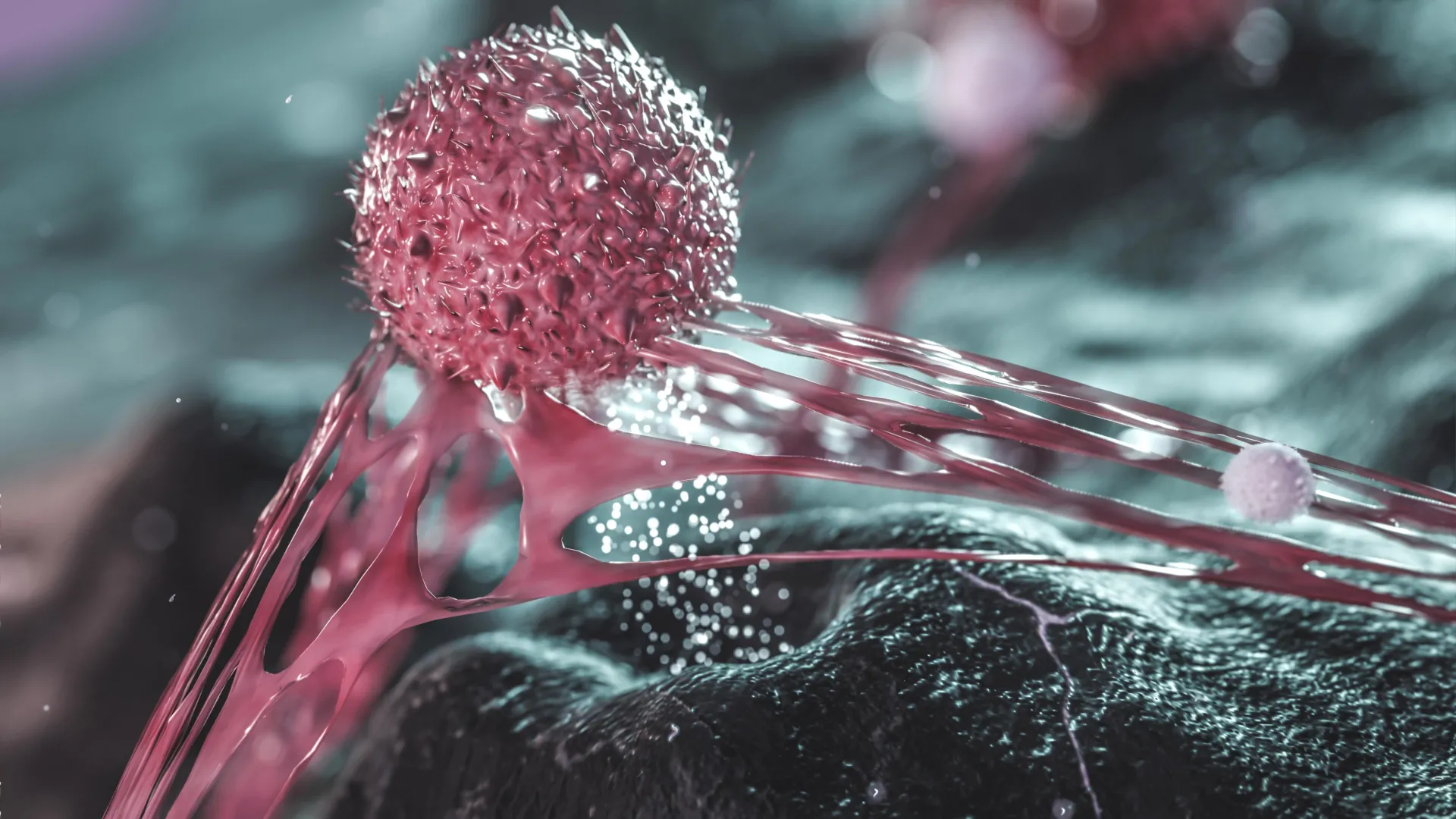
A groundbreaking study emanating from The Wistar Institute has illuminated a previously unrecognized and concerning connection between fructose, a ubiquitous sugar found in numerous dietary staples, and the aggressive spread of ovarian cancer. Published in the esteemed journal Nature Aging, these findings reveal a novel mechanism by which residual cancer cells, those that elude chemotherapy, can actively promote the metastasis of nearby tumor cells. The research suggests that fructose serves as a critical chemical messenger in this process, offering a new perspective on why ovarian cancer often proves so resilient and deadly.
The Silent Signal: Chemotherapy Survivors and Fructose’s Role
The core of the Wistar Institute’s discovery centers on the behavior of cancer cells that manage to survive the rigors of chemotherapy. While these cells may no longer be actively dividing, they remain metabolically and functionally "awake," releasing molecules that influence their microenvironment. Dr. Aidan Cole, a postdoctoral fellow in the lab of Dr. Katherine Aird at The Wistar Institute and the study’s first author, explained this phenomenon: "Some cancer cells that survive chemotherapy aren’t dividing anymore, but they’re still biologically active. Instead, they continue to release molecules that send signals to nearby cells. Our study is among the first to show that a nutrient—in this case, fructose—can act as one of those signals."
This revelation challenges the long-held assumption that the primary threat from surviving cancer cells lies in their potential to re-initiate division. Instead, the Wistar Institute study posits that these resilient cells can actively orchestrate a more insidious form of cancer progression by recruiting and activating neighboring tumor cells to spread.
The Ovarian Cancer Enigma: Recurrence and Metastasis
Ovarian cancer presents a formidable challenge in oncology. Despite the widespread use of platinum-based chemotherapy, which often achieves impressive initial tumor shrinkage, a significant majority of patients experience a recurrence of the disease. This recurrence is frequently characterized by widespread metastasis, particularly throughout the abdominal cavity. It is this metastatic spread, rather than the primary tumor itself, that accounts for approximately 90% of ovarian cancer-related fatalities, underscoring the critical need to understand and prevent it.
Previous research had hinted that surviving cancer cells might play a role in recurrence by secreting a complex cocktail of signaling molecules. To rigorously investigate this hypothesis, Cole and his team designed a sophisticated experimental setup. They meticulously isolated the substances released by chemotherapy-surviving ovarian cancer cells and then exposed healthy, non-surviving cancer cells to these collected molecules. The results were stark: the mere presence of these released substances, devoid of the surviving cells themselves, was sufficient to significantly enhance the metastatic potential of the recipient cancer cells.
"As far as we know, this is the first time anyone has shown, in a preclinical model rather than just a dish, that it’s the molecules these cells release—not the cells themselves—that drive the cancer’s spread," Dr. Cole emphasized, highlighting the study’s preclinical validation.
Pinpointing the Culprit: Fructose as a Metastatic Signal
With the crucial finding that secreted molecules drive metastasis firmly established, the researchers embarked on the arduous task of identifying the specific components responsible. Their comprehensive analysis led them to a surprising conclusion: fructose was a key signaling molecule produced and utilized by the chemotherapy-surviving cancer cells. This fructose acted as a potent signal, prompting adjacent cancer cells to become more migratory and invasive.
Adding another layer of concern, the study revealed that elevated levels of dietary fructose, mirroring those commonly found in sugary beverages consumed in the United States, could independently promote cancer spread, even in the absence of prior chemotherapy. This suggests a direct link between dietary habits and cancer progression, a factor that offers a potential avenue for intervention.
The prevalence of fructose in the American diet is substantial. High fructose corn syrup, a common sweetener, can constitute a significant portion of daily caloric intake for many individuals, reportedly ranging from 8% to 20% in some cases. Unlike many established cancer risk factors, such as genetic predisposition or environmental exposures, fructose consumption is amenable to modification through conscious dietary choices. This provides a glimmer of hope for developing nutritional strategies to potentially mitigate cancer spread. However, researchers caution that clinical trials are still needed to confirm whether reducing fructose intake directly improves patient outcomes.
The Molecular Mechanism: Fructose and Cholesterol’s Role in Cell Adhesion
The researchers delved deeper to understand how fructose facilitates cancer cell spread. Employing advanced analytical techniques, including a CRISPR screen, they discovered that fructose influences cholesterol production within neighboring cancer cells. Specifically, fructose appears to suppress cholesterol synthesis.
Cholesterol is a vital component of cell membranes, playing a critical role in maintaining the structural integrity and adhesive properties of cells. It acts as a sort of biological "glue," holding cells together within a tissue. When cholesterol levels are diminished, these cellular bonds weaken, making it easier for cancer cells to detach from the primary tumor and embark on their journey of metastasis. This mechanism provides a plausible explanation for how a common dietary nutrient can profoundly alter the physical behavior of tumor cells, thereby enhancing their capacity to escape.
Clinical Implications: Statins and the Cholesterol Connection
The discovery that reduced cholesterol production may be instrumental in promoting cancer cell spread carries significant potential clinical implications. Statins, a class of drugs widely prescribed to lower cholesterol levels, are used by millions of Americans, with approximately 39 million individuals in the United States taking them. The Wistar Institute study found that statins, when administered alone, could indeed weaken the intercellular connections between cancer cells, facilitating their escape.
This finding immediately raises questions about the potential interplay between statins and chemotherapy, particularly in the context of ovarian cancer, which disproportionately affects postmenopausal women, a demographic that frequently uses statins. The research team is actively investigating whether statins could potentially interfere with the efficacy of chemotherapy or, conversely, influence the metastatic process in conjunction with cancer cells.
However, the researchers are quick to emphasize that these findings are preliminary and should not prompt any patient to alter their prescribed medication regimen. "We haven’t tested this effect in patients yet, but it raises questions about combining cholesterol-lowering drugs with chemotherapy, especially since ovarian cancer is most common in postmenopausal women who are often already on statins," stated Dr. Katherine Aird, professor and co-leader of the Molecular and Cellular Oncogenesis Program at The Wistar Institute and the study’s senior author. This measured approach underscores the importance of rigorous clinical validation before translating preclinical findings into patient care guidelines.
Beyond Ovarian Cancer: A Potentially Broader Impact
The Wistar Institute’s investigation is not confined to ovarian cancer alone. The researchers are actively exploring whether the fructose-related pathway they have identified might also be implicated in the spread of other cancer types. "We think other cancers that spread within the torso—pancreatic, colon, liver—could behave similarly. We can’t call it universal yet, but we think the effects are not just limited to ovarian cancer," Dr. Aird commented.
Preliminary planning for follow-up studies is already underway, aiming to replicate these findings in a variety of other malignancies. If the fructose-driven mechanism of metastasis proves to be a common feature across different cancer types, it could revolutionize our understanding of cancer progression and open new avenues for therapeutic intervention.
A Timeline of Discovery: From Observation to Mechanism
The research leading to this significant discovery likely followed a typical scientific progression over several years. The initial observations might have stemmed from earlier studies on ovarian cancer recurrence, prompting the researchers to investigate the role of surviving cells.
- Early Stages (Hypothesis Generation): Based on existing knowledge of chemotherapy resistance and the tendency for ovarian cancer to spread, scientists likely hypothesized that surviving cells played an active role in recurrence.
- Experimental Design (Isolation of Signals): The development of methods to effectively isolate the molecules secreted by surviving cells would have been a critical early step, potentially taking months to years to refine.
- Identification of Fructose (Molecular Analysis): Once the secreted molecules were shown to drive spread, the focus would have shifted to identifying the specific components. This involves sophisticated biochemical and analytical techniques, a process that can be time-consuming.
- Mechanism Elucidation (Cholesterol Pathway): Understanding how fructose exerted its effect would have required further in-depth investigation, utilizing tools like CRISPR screens and molecular biology assays.
- Preclinical Validation (In Vivo Models): Testing the findings in more complex preclinical models, beyond cell cultures, to confirm the effects in a living system is a crucial validation step.
- Publication (Peer Review): The culmination of this research would involve submitting the findings to a peer-reviewed journal like Nature Aging, a process that itself involves rigorous scrutiny and revision.
Broader Implications and Future Directions
The implications of the Wistar Institute’s study are far-reaching. It introduces a novel paradigm for understanding cancer metastasis, moving beyond the traditional focus on cell proliferation to encompass the intricate signaling networks orchestrated by seemingly dormant cells. The identification of fructose as a key mediator highlights the critical, and often overlooked, role of diet in cancer progression.
This research opens several exciting avenues for future investigation:
- Dietary Interventions: Clinical trials are essential to determine if reducing dietary fructose intake can demonstrably improve outcomes for ovarian cancer patients, particularly those undergoing or having completed chemotherapy. This could involve personalized dietary recommendations or the development of therapeutic strategies to block fructose metabolism in cancer cells.
- Drug Repurposing: The potential interplay between statins and chemotherapy warrants urgent and thorough investigation. If statins can indeed mitigate the metastatic effects driven by fructose, their use in conjunction with chemotherapy could represent a significant therapeutic advancement. However, careful consideration of potential side effects and drug interactions is paramount.
- Expanding the Scope: The researchers’ intention to explore this mechanism in other cancers is critical. If this fructose-driven pathway is a common driver of metastasis in a wide range of malignancies, the impact of this discovery could be truly transformative for cancer treatment.
- Biomarker Development: Identifying biomarkers that can predict which patients are most susceptible to fructose-driven metastasis could allow for more targeted and personalized treatment strategies.
The study’s comprehensive list of co-authors from multiple prestigious institutions underscores the collaborative nature of modern scientific research and the extensive expertise brought to bear on this complex problem. The funding acknowledgments highlight the significant investment required for such groundbreaking work, with support from various branches of the National Institutes of Health, the American Cancer Society, and other research foundations.
In conclusion, the Wistar Institute’s discovery regarding fructose and ovarian cancer spread represents a significant leap forward in our understanding of cancer biology. It underscores the need for a holistic approach to cancer treatment that considers not only direct anti-cancer therapies but also the influence of diet and the complex interactions within the tumor microenvironment. While much research remains, this work offers a promising new direction for combating one of the most challenging aspects of cancer: its ability to spread and evade treatment.