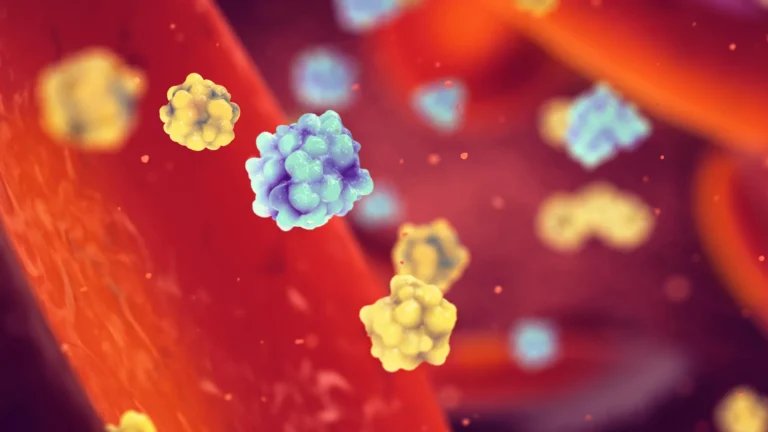



The escalating crisis of antibiotic resistance (AR) has reached a critical juncture, transforming from a serious global health concern into an urgent emergency. Pathogenic bacteria are demonstrating an alarming capacity to adapt, evolving sophisticated mechanisms to circumvent treatments that were once highly effective. This continuous evolution has led to the proliferation of drug-resistant "superbugs," a trend projected to have devastating consequences. Current estimates suggest that by 2050, these formidable microorganisms could be responsible for over 10 million deaths annually worldwide, surpassing fatalities from cancer and diabetes combined. This dire prediction underscores the urgent need for innovative solutions to combat the relentless march of antibiotic resistance.
These resilient and dangerous bacteria are not confined to specific environments; they flourish in a variety of settings, including the complex ecosystems of hospitals, the effluent of wastewater treatment facilities, extensive livestock operations, and the concentrated environments of fish farms. Each of these locations serves as a potential breeding ground and dissemination point for resistant strains. In direct response to this pervasive and expanding threat, the scientific community is increasingly turning to advanced genetic technologies. Researchers at the University of California San Diego (UC San Diego) are at the forefront of this endeavor, employing powerful new gene-editing tools with the explicit aim of directly countering and, potentially, reversing antibiotic resistance within bacterial populations.
A Novel CRISPR Gene Drive Strategy Targets Resistance Mechanisms
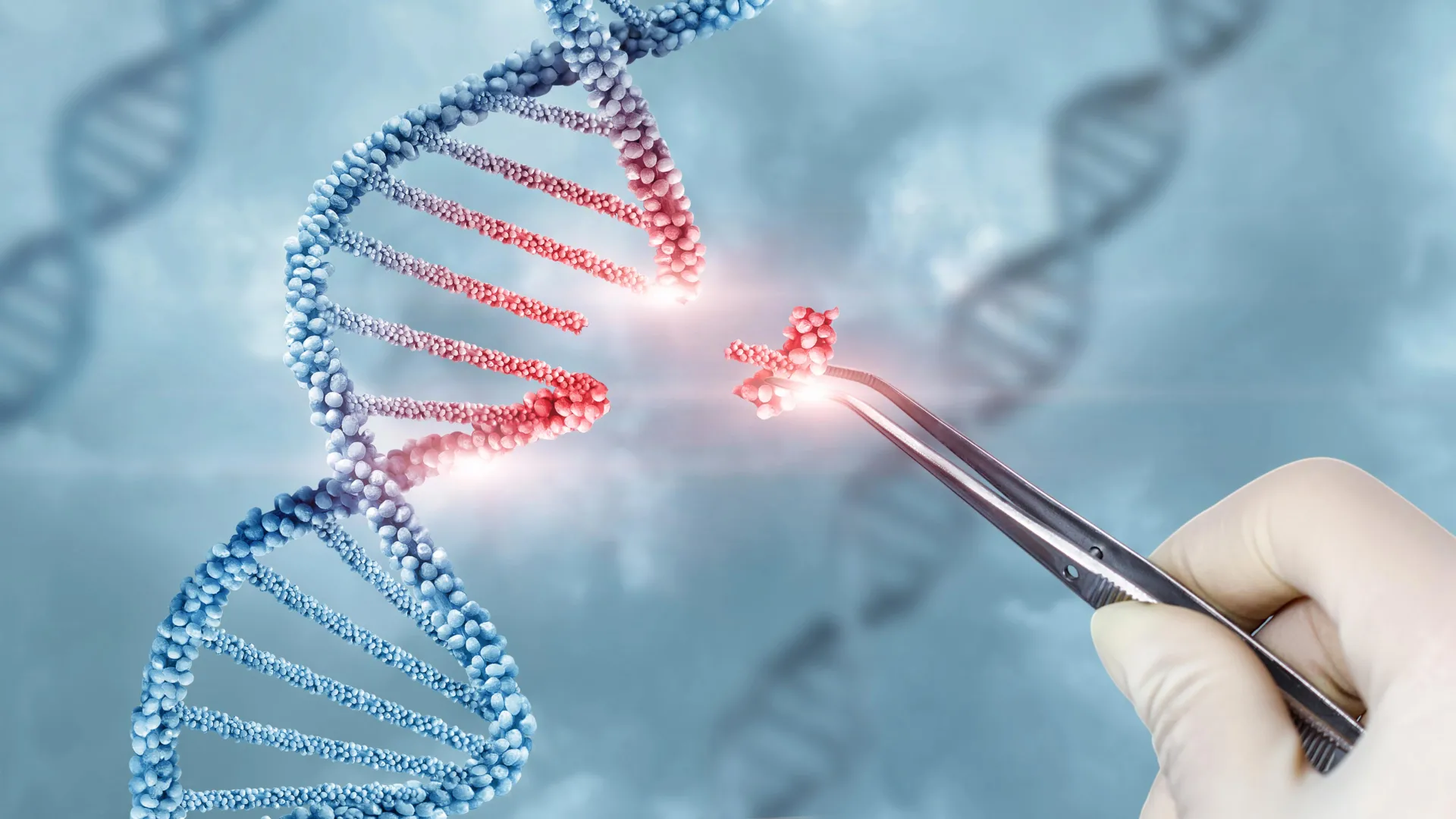
A groundbreaking initiative led by Professors Ethan Bier and Justin Meyer of the UC San Diego School of Biological Sciences is introducing a novel approach designed to systematically remove resistance traits from bacterial communities. Their innovative strategy leverages the precision of CRISPR gene editing technology and integrates concepts borrowed from gene drives, a system previously utilized in insects to inhibit the transmission of detrimental traits, such as those carried by malaria-transmitting parasites.
The research team has developed a sophisticated second-generation Pro-Active Genetics (Pro-AG) system, which they have named pPro-MobV. This advanced technology is engineered to propagate effectively through bacterial communities, acting as a genetic agent to specifically disable the genes responsible for conferring antibiotic resistance. This represents a paradigm shift from merely slowing the spread of resistance to actively reversing it at a population level.
"With pPro-MobV, we have successfully translated gene-drive thinking from insects to bacteria, envisioning it as a potent population engineering tool," stated Professor Bier, a distinguished faculty member in the Department of Cell and Developmental Biology at UC San Diego. "This novel CRISPR-based technology allows us to introduce a small number of engineered cells, which can then proliferate and effectively neutralize antibiotic resistance within a much larger target bacterial population." This capability offers a significant advantage in tackling widespread resistance.
The Genetic Cassette: Restoring Antibiotic Sensitivity
The foundational research for this ambitious project began in 2019, when Professor Bier’s laboratory initiated a collaboration with Professor Victor Nizet’s team at the UC San Diego School of Medicine. Together, they conceptualized and designed the original Pro-AG system. This earlier iteration introduced a specialized genetic cassette into bacteria. This cassette possessed the remarkable ability to self-replicate within bacterial genomes and, crucially, to actively shut down the expression of antibiotic resistance genes.
The genetic cassette is strategically designed to target resistance genes that are frequently located on plasmids. Plasmids are small, circular DNA molecules that exist independently within bacterial cells and can be readily transferred between them, facilitating the rapid spread of resistance. By integrating itself into these resistance-carrying plasmids, the Pro-AG cassette effectively disrupts the genetic machinery of resistance, thereby rendering the bacteria once again susceptible to the effects of antibiotics. This mechanism offers a direct countermeasure to a primary driver of AR.
Propagation Through Biofilms and Bacterial Conjugation
The latest iteration of the system, pPro-MobV, significantly enhances the capabilities of its predecessor by employing conjugal transfer. This biological process, analogous to bacterial mating, facilitates the direct transfer of CRISPR components from one bacterial cell to another. The findings, published in the peer-reviewed journal npj Antimicrobials and Resistance, a Nature portfolio journal, detail how the researchers successfully demonstrated the system’s ability to traverse natural mating channels formed between bacteria. This mechanism allows for the efficient distribution of the resistance-disabling elements throughout bacterial populations.
A critical breakthrough highlighted by the team is the demonstrated efficacy of this method within biofilms. Biofilms are notoriously resilient communities of microorganisms that adhere to surfaces, forming dense, protective layers. These structures are implicated in the vast majority of serious human infections and pose a significant challenge to antibiotic treatments. The protective matrix of a biofilm can impede drug penetration and create microenvironments where bacteria are shielded from conventional antimicrobial agents. The ability of pPro-MobV to operate effectively within biofilms suggests profound implications for clinical settings, environmental remediation efforts, and the strategic manipulation of microbiomes.
"The capacity to combat antibiotic resistance within the biofilm context is particularly vital, as this represents one of the most formidable challenges in controlling bacterial growth in clinical environments and in enclosed ecosystems such as aquafarm ponds and sewage treatment plants," Professor Bier elaborated. "The ability to reduce the spread of resistance from animal agriculture to humans could have a substantial impact on the overall antibiotic resistance problem, given that approximately half of all resistance is estimated to originate from environmental sources." This highlights the interconnectedness of environmental, agricultural, and human health in the context of AR.
Synergistic Potential: Pairing CRISPR with Bacteriophages
Further enhancing the potential of this innovative technology, the researchers have also discovered that elements of their active genetic system can be effectively transported by bacteriophages, commonly known as phages. Phages are viruses that naturally infect bacteria. The scientific community has already been exploring the engineering of phages as a strategy to combat antibiotic resistance, leveraging their ability to bypass bacterial defenses and deliver disruptive genetic material directly into target cells. The UC San Diego team envisions pPro-MobV working in concert with these engineered phages, creating a synergistic approach that amplifies their combined impact against resistant bacteria. This dual-pronged attack could overcome existing resistance mechanisms more effectively.
As an added layer of security and control, the pPro-MobV platform incorporates a mechanism known as homology-based deletion. This process allows scientists the option to remove the inserted genetic cassette if it becomes necessary, providing a crucial safeguard and ensuring responsible deployment of the technology.
"This technology represents one of the few avenues I am aware of that possesses the capability to actively reverse the spread of antibiotic-resistant genes, rather than merely attempting to slow their dissemination or adapt to their presence," commented Professor Meyer, a faculty member in the Department of Ecology, Behavior and Evolution. His research focuses on the intricate evolutionary adaptations of bacteria and viruses, providing him with unique insights into the dynamics of resistance.
Background and Broader Implications of the Antibiotic Resistance Crisis
The emergence and rapid spread of antibiotic-resistant bacteria is a multifaceted problem with deep historical roots and far-reaching consequences. The discovery of penicillin in 1928 and its subsequent widespread use revolutionized medicine, transforming once-lethal infections into treatable conditions. However, the overuse and misuse of antibiotics in human medicine, agriculture, and veterinary practices have created intense selective pressure, favoring the survival and proliferation of bacteria with inherent or acquired resistance mechanisms.
By the mid-20th century, scientists began observing the first signs of antibiotic resistance, a phenomenon that was initially managed with the development of new drugs. However, the rate of new antibiotic discovery has dramatically slowed in recent decades, while bacterial evolution continues unabated. This imbalance has led to a situation where many common infections are becoming increasingly difficult to treat. The World Health Organization (WHO) has repeatedly warned about the growing threat, designating AR as one of the top 10 global public health threats facing humanity.
The economic implications of antibiotic resistance are also substantial. Increased healthcare costs due to longer hospital stays, more complex treatments, and the need for more expensive drugs are a significant burden. Furthermore, the inability to effectively treat infections can hamper surgical procedures, chemotherapy, and organ transplantation, all of which rely heavily on the availability of effective antibiotics to prevent and manage post-operative infections.
Timeline of Key Developments in AR Research at UC San Diego
The research leading to pPro-MobV represents a significant advancement built upon prior foundational work. The timeline of key developments at UC San Diego highlights a progressive and strategic approach to tackling antibiotic resistance:
- 2019: The initial collaboration between Professor Ethan Bier’s lab and Professor Victor Nizet’s team leads to the design of the first-generation Pro-AG system. This system demonstrates the principle of using a genetic cassette to target and disrupt antibiotic resistance genes within bacteria.
- Prior to 2023 (Specific dates not provided in original text): Ongoing research and development refine the Pro-AG system, exploring its potential for propagation and efficacy in various bacterial environments.
- Publication in npj Antimicrobials and Resistance (Date of publication not specified in original text, but implied as recent): The UC San Diego team publishes their findings on the second-generation pPro-MobV system, detailing its enhanced capabilities, including propagation through conjugal transfer and efficacy within biofilms. This publication marks a significant milestone, showcasing a novel gene drive strategy for bacteria.
- Ongoing Research: The team continues to investigate the potential of pairing pPro-MobV with bacteriophages and exploring the application of homology-based deletion for safety and control. Further studies will likely focus on in vivo testing and real-world applications.
Supporting Data and Projections
The scale of the antibiotic resistance crisis is underscored by several alarming statistics:
- Projected Deaths: By 2050, AR is projected to cause more than 10 million deaths annually worldwide. This figure is higher than current annual deaths from cancer and diabetes combined.
- Economic Impact: The global economic cost of AR is estimated to be trillions of dollars by 2050 if the trend continues unabated.
- Prevalence in Healthcare: Antibiotic-resistant infections are a significant cause of morbidity and mortality in healthcare settings. Infections like methicillin-resistant Staphylococcus aureus (MRSA) and carbapenem-resistant Enterobacteriaceae (CRE) pose substantial challenges.
- Agricultural Contribution: Estimates suggest that up to half of all antibiotic resistance originates from environmental sources, including agricultural practices that use antibiotics for growth promotion and disease prevention in livestock.
The development of technologies like pPro-MobV offers a glimmer of hope in a landscape increasingly dominated by grim forecasts. The ability to actively reverse resistance, rather than simply manage its spread, could fundamentally alter the trajectory of this global health emergency.
Official Responses and Scientific Community Reactions (Inferred)
While direct statements from external parties were not provided in the original text, the scientific community’s reaction to such innovative research is generally characterized by cautious optimism and a keen interest in further validation and development. Organizations like the World Health Organization (WHO) and national health bodies (e.g., the Centers for Disease Control and Prevention in the U.S.) consistently emphasize the critical need for new strategies to combat AR. Innovations that offer the potential for active reversal of resistance would undoubtedly be viewed as highly promising.
It is reasonable to infer that researchers in infectious diseases, public health, and microbiology would be closely observing the progress of this UC San Diego-led initiative. Peer review of the published findings in a reputable journal like npj Antimicrobials and Resistance indicates initial scientific validation. Future steps would likely involve independent replication of the results by other research groups and extensive testing in diverse clinical and environmental scenarios.
Broader Impact and Implications: A New Era in Combating Superbugs
The implications of the UC San Diego team’s work extend far beyond the laboratory. If successfully translated into practical applications, this CRISPR-based gene drive technology could revolutionize how we approach infectious disease control.
- Clinical Applications: The ability to eliminate resistance within hospital environments, particularly in hard-to-treat biofilms associated with medical devices and chronic wounds, could significantly reduce healthcare-associated infections and improve patient outcomes.
- Environmental Interventions: Tackling resistance in wastewater treatment plants and aquafarm environments could interrupt the cycle of resistance spread from animal agriculture and the environment back to human populations, addressing a major source of the problem.
- Microbiome Engineering: The technology could potentially be used to selectively remove resistance genes from beneficial bacterial communities, restoring their sensitivity to antibiotics when necessary for therapeutic purposes without harming the host.
- Agricultural Sustainability: By reducing the reliance on antibiotics in livestock and mitigating resistance spread, this technology could contribute to more sustainable agricultural practices.
However, the deployment of gene drive technologies also raises important ethical and ecological considerations. The potential for unintended consequences and the need for robust containment strategies are paramount. The inclusion of homology-based deletion in the pPro-MobV system is a critical step towards responsible innovation, providing a mechanism for control and reversal if needed.
In conclusion, the development of pPro-MobV by Professors Bier and Meyer at UC San Diego represents a significant scientific leap forward in the urgent global battle against antibiotic resistance. By harnessing the power of CRISPR gene editing and gene drive principles, researchers have devised a strategy that moves beyond containment to active reversal, offering a potent new weapon against the ever-evolving threat of superbugs. The successful translation of this technology from the lab to real-world applications could mark a turning point in safeguarding public health for generations to come.