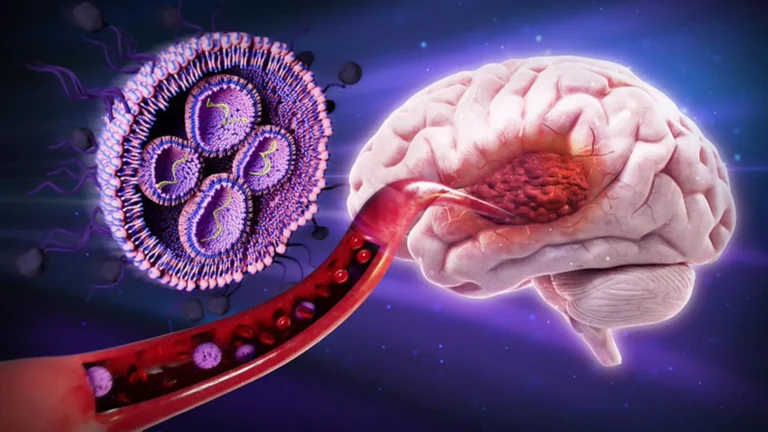




Scientists have unlocked a critical piece of the puzzle in the fight against obesity, revealing how a naturally occurring hormone can effectively reverse the condition in mice by acting on a previously underestimated area of the brain. Researchers at the University of Oklahoma have pinpointed that fibroblast growth factor 21 (FGF21) achieves its metabolic and appetite-regulating effects by sending signals to the hindbrain, a discovery that draws intriguing parallels to the mechanisms of widely used GLP-1 weight loss drugs. This groundbreaking research, published in the esteemed journal Cell Reports, offers a promising new avenue for developing more targeted and effective treatments for both obesity and metabolic liver disease.
Unveiling the Brain’s Role in FGF21’s Metabolic Power
For years, FGF21 has been recognized for its potential as a therapeutic target due to its observed effects on metabolism. However, the precise neural pathways through which it exerted these benefits remained largely elusive. Lead researcher Matthew Potthoff, Ph.D., a professor of biochemistry and physiology at the OU College of Medicine and deputy director of the OU Health Harold Hamm Diabetes Center, and his dedicated team embarked on a mission to elucidate this mechanism. Their meticulous investigation has now confirmed that FGF21’s influence on metabolism and weight reduction is not mediated through the liver, as initially hypothesized by some, but rather through specific neural circuits within the hindbrain.
"In our previous studies, we found that FGF21 signals to the brain instead of the liver, but we didn’t know where in the brain," stated Dr. Potthoff. "We thought we would find that it signaled to the hypothalamus, which is widely implicated in body weight regulation, so we were very surprised to discover that the signal was to the hindbrain, which is where the GLP-1 analogs are believed to act." This unexpected finding highlights the intricate and often surprising ways in which hormones communicate with the central nervous system to orchestrate complex physiological processes.
The OU team’s research delved deeper, identifying that FGF21 specifically interacts with two crucial regions within the hindbrain: the nucleus of the solitary tract (NTS) and the area postrema (AP). These areas, located at the base of the brain, serve as critical integration centers for sensory information and play vital roles in regulating autonomic functions, including appetite and metabolism. The research further revealed a crucial communication cascade: the NTS and AP then relay signals to another brain structure known as the parabrachial nucleus. This intricate neural circuitry, orchestrated by FGF21, is fundamental to its capacity to influence metabolic rate and promote weight loss.
A Different Approach to Weight Management: FGF21 vs. GLP-1
While both FGF21 and GLP-1-based medications target similar general areas of the brain, their mechanisms of action are distinctly different. GLP-1 receptor agonists, such as semaglutide and liraglutide, primarily function by suppressing appetite and reducing food intake, leading to a caloric deficit and subsequent weight loss. In contrast, FGF21 appears to operate by boosting the body’s metabolic activity, effectively increasing the rate at which it burns energy. This dual action – reducing appetite and enhancing energy expenditure – presents a compelling strategy for combating obesity.
This distinction is crucial for understanding the potential therapeutic advantages of FGF21. While GLP-1 drugs have demonstrated remarkable success in weight management, they can be associated with gastrointestinal side effects, including nausea, vomiting, and diarrhea, and in some instances, have been linked to bone density loss. The OU researchers are optimistic that by pinpointing the specific brain circuit targeted by FGF21, they can develop more refined therapies that harness its beneficial effects while mitigating potential adverse outcomes. "This brain circuit seems to be mediating the effects of FGF21," Dr. Potthoff explained. "We hope that by identifying the specific circuit, it can help in the creation of more targeted therapies that are effective without negative side effects."
Timeline of Discovery and Precedent Research
The discovery of FGF21’s role in obesity management is the culmination of years of scientific inquiry into metabolic hormones and their intricate interplay with the brain. FGF21 itself was first identified in 2000 and has since been a subject of intense research due to its pleiotropic effects on glucose and lipid metabolism. Early studies, conducted in the early to mid-2000s, primarily focused on FGF21’s impact on the liver and its potential to improve insulin sensitivity and reduce fat accumulation in this organ.
Over the past decade, a growing body of evidence began to suggest a role for FGF21 signaling in the brain. Pre-clinical studies in the late 2000s and early 2010s hinted at FGF21’s ability to influence feeding behavior and energy expenditure. However, the precise neural targets remained a subject of debate and investigation. The development of GLP-1 receptor agonists in the 2000s and their subsequent widespread adoption for type 2 diabetes and later for obesity provided a critical benchmark and a conceptual framework for understanding how brain-targeted therapies could effectively manage metabolic disorders. The success of these drugs spurred further investigation into other hormonal pathways that might influence similar brain regions.
The current research by Dr. Potthoff’s team represents a significant leap forward, moving beyond general brain signaling to identify specific anatomical locations and neural connections involved in FGF21’s action. This detailed mechanistic understanding, achieved through sophisticated neurobiological techniques and rodent models, is expected to accelerate the development of next-generation FGF21-based therapeutics.
Supporting Data and Clinical Relevance
The implications of this research extend beyond obesity, holding significant promise for the treatment of metabolic dysfunction-associated steatohepatitis (MASH), a progressive form of fatty liver disease that can lead to cirrhosis and liver cancer. Drugs designed to activate the FGF21 pathway are already undergoing clinical trials for MASH, underscoring the therapeutic interest in this hormone.
While the current study primarily focused on the weight-reducing effects of FGF21 in mice, Dr. Potthoff acknowledges the need for further investigation into its role in MASH. "While this study focused on the mechanism of FGF21 to reduce body weight, additional studies are necessary to examine whether this circuit also mediates the ability of FGF21 and FGF21 analogues to reverse MASH," he stated.
The prevalence of obesity and MASH globally is staggering, highlighting the urgent need for effective interventions. In the United States, for instance, over 40% of adults are classified as obese, and MASH affects an estimated 15-30% of the population. These conditions are associated with increased risk of cardiovascular disease, diabetes, and certain cancers, imposing a significant burden on individuals and healthcare systems worldwide. The ability of FGF21 to address both obesity and potentially liver disease through a targeted brain circuit could represent a paradigm shift in metabolic disease management.
Broader Impact and Future Directions
The discovery of FGF21’s precise neural targets opens up exciting possibilities for pharmaceutical innovation. By understanding the specific brain circuitry involved, researchers can design drug molecules that selectively activate FGF21 receptors in the hindbrain, potentially leading to more potent and safer therapies with fewer off-target effects. This targeted approach could also pave the way for combination therapies, where FGF21 agonists are used in conjunction with other metabolic drugs to achieve synergistic effects.
Furthermore, this research contributes to a deeper understanding of the complex neurobiological underpinnings of appetite regulation and energy balance. As scientists continue to unravel the intricate communication networks within the brain, the potential for developing highly personalized and effective treatments for a range of metabolic disorders grows exponentially. The OU team’s work is a testament to the power of fundamental scientific inquiry in driving clinical progress and offers a beacon of hope for millions affected by obesity and liver disease. The journey from laboratory discovery to clinical application is often long and complex, but the insights gained from this study represent a crucial step forward in the ongoing battle against these pervasive health challenges.