

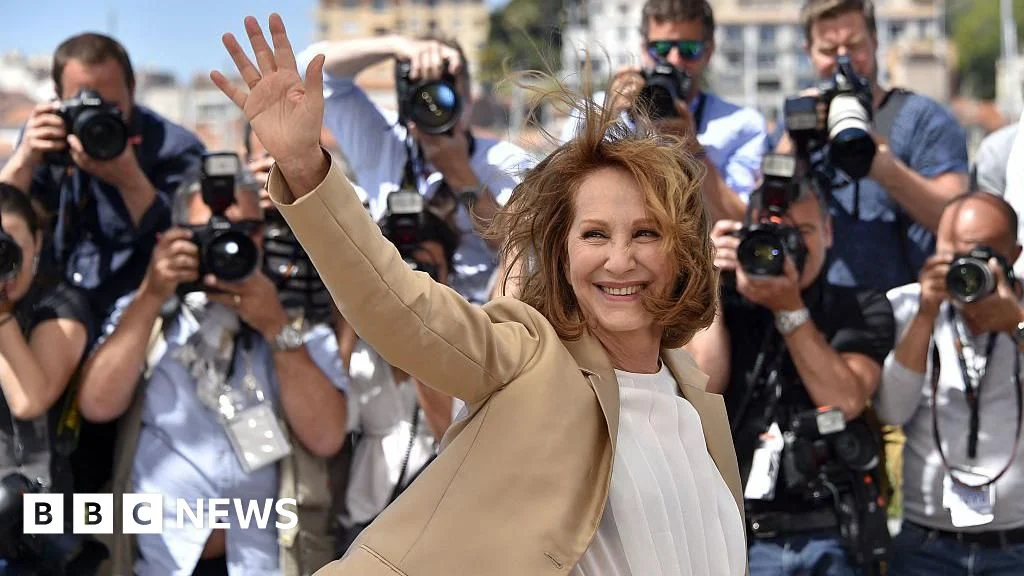
The French cinematic landscape mourns the loss of one of its most revered figures, Nathalie Baye, who passed away on Friday evening at her home in Paris at the age of 77. The news, confirmed by her family to the French news agency AFP, stated the cause of death as Lewy body dementia, a progressive neurodegenerative disease. Baye’s departure marks the end of an illustrious career spanning five decades, during which she captivated audiences and critics alike with her profound versatility, naturalistic performances, and unwavering dedication to her craft, leaving an indelible mark on both French and international cinema.
Her passing has prompted a wave of national mourning and tributes from the highest echelons of French society. President Emmanuel Macron, in a poignant statement shared on X, encapsulated the sentiment of a nation: "We loved Nathalie Baye so much. With her voice, her smile and her grace, she has been a constant presence in French cinema over the past few decades, from François Truffaut to Tonie Marshall. She was an an actress with whom we loved, dreamed and grew up. Our thoughts are with her family and loved ones." This heartfelt message underscored Baye’s profound connection with the French public, who saw in her performances reflections of their own lives, loves, and dreams. Culture Minister Catherine Pégard further amplified this sentiment, telling AFP that Baye had "lit up a long chapter in the history of French cinema with her talent and radiant personality," a testament to her enduring brilliance and charisma.
A Life Dedicated to the Arts: Early Beginnings and Breakthrough
Born in Mainneville, Normandy, in 1948, Nathalie Marie Andrée Baye was destined for a life immersed in the arts. Her upbringing in a bohemian family of artists fostered an early appreciation for creative expression, steering her initially towards dance. She honed her skills, training as a dancer before a natural inclination and undeniable talent led her to pivot towards acting. This transition proved to be a pivotal moment, setting the stage for a career that would redefine French cinema.
Baye’s formal training in drama schools laid the groundwork for her distinctive acting style, characterized by its understated intensity and profound emotional depth. Her significant breakthrough arrived in 1973 with a role in François Truffaut’s acclaimed comedy-drama La Nuit américaine, known in English as Day for Night. This seminal film, a meta-narrative about the complexities of filmmaking itself, was a critical and commercial success, winning the Academy Award for Best Foreign Language Film. For Baye, fresh out of drama school, working with a titan of the French New Wave like Truffaut was an unparalleled opportunity, propelling her into the limelight and establishing her as a talent to watch. Her performance in the film, though not her first, significantly elevated her profile, showcasing her ability to seamlessly integrate into an ensemble cast while making her presence felt.
The Reign of a César Queen: Dominance in French Cinema
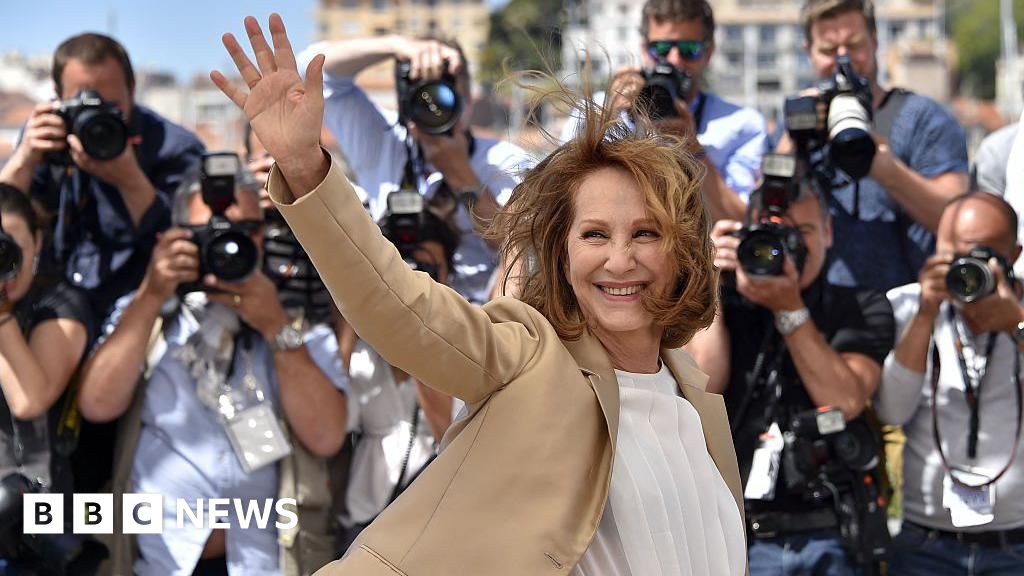
The 1980s marked a period of unparalleled success for Nathalie Baye, solidifying her status as one of France’s most decorated actresses. The César Awards, France’s highest national film awards and equivalent to the American Oscars, became a familiar stage for Baye. She amassed an impressive four César wins throughout her career, a testament to her consistent excellence and wide-ranging appeal across various genres and directorial visions.
Her first César came in 1981, recognizing her powerful supporting role in Jean-Luc Godard’s critically lauded Sauve qui peut (la vie), known internationally as Every Man for Himself. Godard, another luminary of the French New Wave, presented a challenging yet rewarding cinematic experience, and Baye’s performance was singled out for its raw authenticity. This win was swiftly followed by another Best Supporting Actress César in 1982 for Une étrange affaire (A Strange Affair), a psychological drama where she once again delivered a compelling performance that resonated deeply with critics.
The pinnacle of this early success arrived in 1983 when Baye secured the César for Best Actress. This prestigious award was a dual recognition of her work in two distinct films: Une étrange affaire and La Balance (The Cops). The latter, a gritty crime thriller, saw Baye in a more physically demanding and emotionally charged role, further demonstrating her capacity to inhabit diverse characters with conviction and nuance. Her ability to transition between the sensitive portrayal in a drama and the resilient character in a thriller within the same year underscored her extraordinary versatility and cemented her reputation as a leading lady capable of carrying complex narratives. Over her career, Baye was nominated for a total of ten César Awards, highlighting her sustained excellence and critical acclaim over decades.
International Acclaim and Enduring Legacy
While primarily celebrated within France, Nathalie Baye’s talent transcended national borders, garnering international recognition and leading to collaborations on high-profile projects. In 1999, her exceptional performance in Une liaison pornographique (An Affair of Love) earned her the coveted Best Actress award at the Venice Film Festival, one of the world’s oldest and most prestigious film festivals. This international accolade further burnished her reputation, proving her appeal to a global audience and critical establishment. The film itself, a poignant exploration of an unconventional relationship, showcased Baye’s ability to convey complex emotions with subtlety and power.
The early 2000s saw Baye participating in one of Hollywood’s biggest productions: Steven Spielberg’s 2002 biographical crime film Catch Me If You Can. In this star-studded feature, she played Paula Abagnale, the French mother of Leonardo DiCaprio’s character, Frank Abagnale Jr. Her role, though not central, was pivotal to the narrative, providing emotional depth and a European sensibility to the family dynamics. Working alongside Hollywood heavyweights like DiCaprio and Tom Hanks, Baye seamlessly integrated her distinctive style, proving her capability to shine on the global stage without compromising her artistic integrity. This role introduced her to a new generation of international viewers and reaffirmed her status as an actress of global caliber.
In her later career, Baye continued to impress with a blend of nuanced performances and self-aware portrayals. She endeared herself to a wider audience through her appearance in the acclaimed French comedy series Call My Agent! (Dix pour cent), where she played a witty, self-parodying version of herself alongside her daughter, actress Laura Smet. This meta-fictional role showcased her comedic timing and willingness to poke fun at her own celebrity, winning over legions of new fans. Her later film work also included a delightful turn as a French aristocrat in the second Downton Abbey film, Downton Abbey: A New Era (2022), further demonstrating her enduring charm and adaptability across diverse productions. Her final on-screen role was in the 2023 Franco-Lebanese drama La nuit du verre d’eau, bringing her remarkable cinematic journey to a graceful close.
Beyond the Silver Screen: Personal Life and Advocacy
Nathalie Baye’s personal life, particularly her highly publicized relationship with French rock icon Johnny Hallyday, captured the imagination of the French public. Their five-year romance was a union of two national treasures, a rock ‘n’ roll legend and a cinematic darling, creating a celebrity couple of immense cultural significance. From this relationship, their daughter Laura Smet was born, who has since followed in her mother’s footsteps to become a respected actress herself. Hallyday’s death in 2017 sparked an unprecedented outpouring of national grief, underscoring the deep affection the French held for their rock star. Baye, while maintaining a degree of privacy, navigated this public mourning with dignity, a testament to her strength and character. The enduring legacy of their shared history and their daughter’s career further cemented Baye’s place within the pantheon of French cultural figures.
Beyond her artistic endeavors, Baye was also known for her public advocacy on significant social issues. French media frequently reported on her vocal support for initiatives aimed at tackling climate change, reflecting a deep concern for environmental preservation. She also publicly advocated for the reform of French assisted dying legislation, a complex and ethically charged issue that speaks to her compassionate nature and willingness to engage with challenging societal debates. These public stances revealed a woman of conviction, whose influence extended beyond the roles she played on screen, demonstrating a commitment to causes she believed in.
A Legacy Etched in Light: Tributes and Future Remembrance
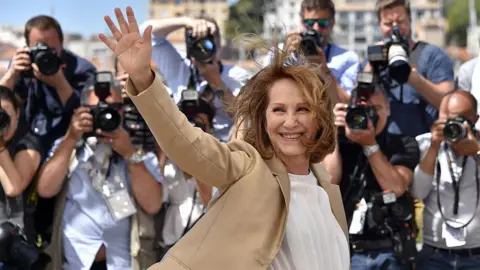
The news of Nathalie Baye’s passing reverberated throughout the French film industry and across the nation, eliciting heartfelt tributes from colleagues, admirers, and institutions. The French film academy, countless directors, actors, and millions of fans are expected to join in mourning a figure who was not just an actress but a symbol of French cinematic excellence and elegance. Her peers remembered her not only for her immense talent but also for her professionalism, her collaborative spirit, and her genuine warmth. She was often described as an actress who brought an authentic humanity to every character, whether a vulnerable woman or a formidable matriarch.
Baye’s contribution to French cinema is multifaceted. She was a muse for some of its greatest auteurs, a consistent presence in its most celebrated works, and an inspiration for aspiring actors. Her acting style, characterized by its naturalism and psychological depth, set a benchmark for authenticity, influencing generations of performers. She embodied a certain French elegance and intellectual rigor, yet remained accessible and relatable to a broad audience. Her ability to move effortlessly between commercial successes and critically acclaimed art-house films showcased a rare artistic integrity and a fearless approach to her craft.
As France bids farewell to one of its brightest stars, Nathalie Baye will be remembered as more than just an award-winning actress; she will be cherished as a national treasure whose performances enriched the cultural tapestry of her country and captivated audiences worldwide. Her legacy will live on through the eighty films she graced with her presence, each a testament to her extraordinary talent, her unwavering passion, and her indelible mark on the art of cinema. The quiet grace with which she lived her life and faced her final illness, Lewy body dementia, mirrors the dignified intensity she brought to so many of her iconic roles. Her passing leaves a void, but her luminous body of work will continue to inspire, entertain, and allow new generations to "love, dream and grow up" with Nathalie Baye.