


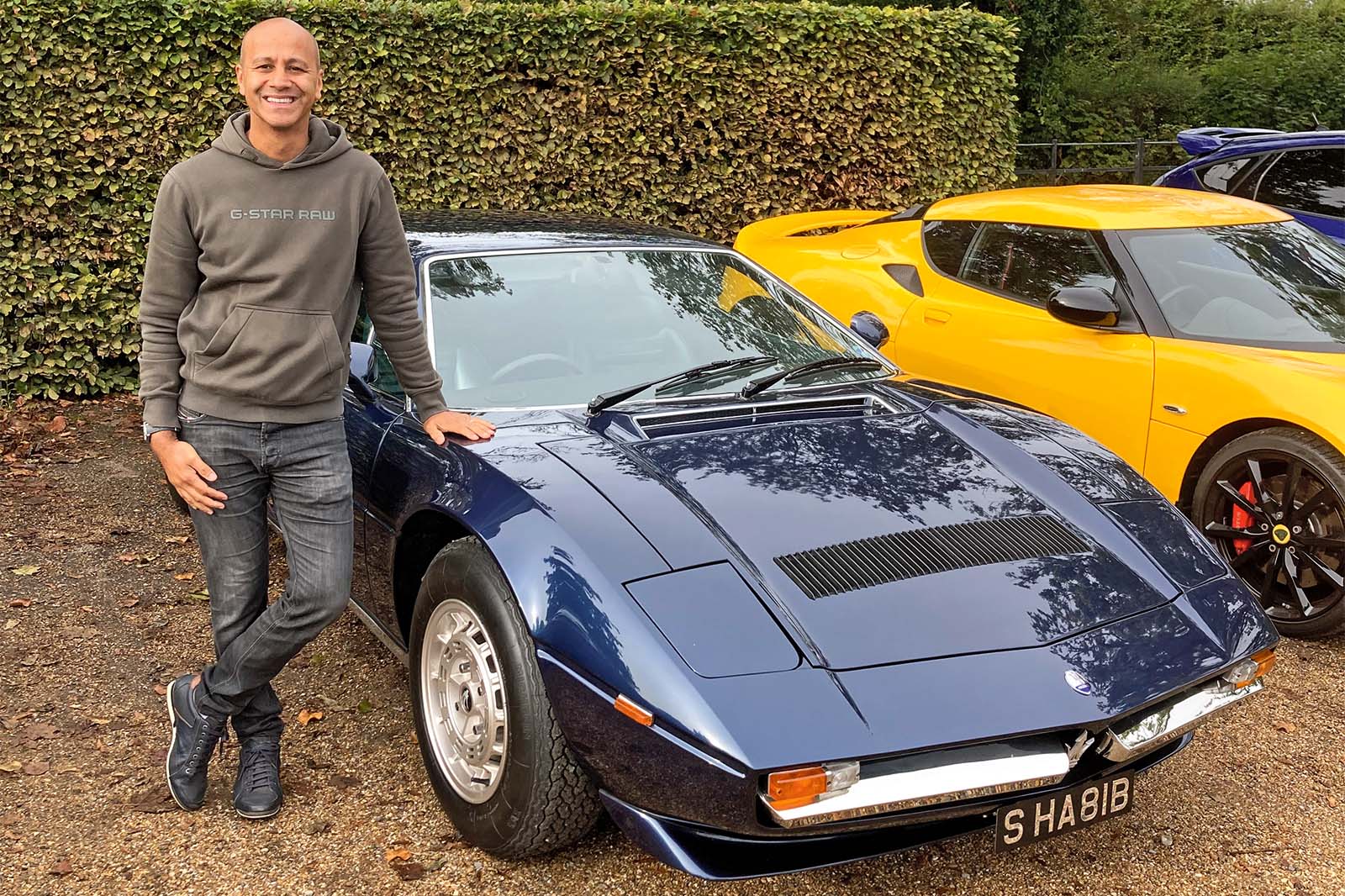
The acquisition of a classic vehicle often represents the culmination of a dedicated search, driven by a combination of brand loyalty and an appreciation for automotive history. For enthusiast Shan Habib, the transition from owning a Maserati Gransport to acquiring a 1977 Maserati Merak SS was the fulfillment of a long-standing ambition. This specific vehicle, recently highlighted within the community of the Maserati owners’ club, represents a significant era for the Trident brand, showcasing a blend of mid-engine performance and Italian design that remains highly sought after by collectors globally.
The Maserati Merak, introduced in the early 1970s, was conceived during a period of significant transition for the Italian manufacturer. While it shares a striking visual resemblance to its more powerful sibling, the Maserati Bora, the Merak was designed to be a more accessible and practical alternative. By utilizing a 3.0-liter V6 engine rather than the Bora’s 4.7-liter V8, Maserati was able to reclaim interior space, transforming the car into a 2+2 grand tourer. The "SS" (Spinto Sportivo) designation on Habib’s vehicle denotes the highest-performance variant of the model, featuring a suite of mechanical enhancements that distinguished it from the standard production units.
Historical Context and the Citroën Influence
To understand the significance of the 1977 Merak SS, one must examine the corporate landscape of Maserati during its development. In 1968, Maserati was acquired by Citroën, a partnership that led to the integration of French hydraulic technology into Italian sports cars. The Merak was a direct beneficiary of this collaboration. Its engine, a 90-degree V6 designed by Giulio Alfieri, was originally developed for the Citroën SM.
The 1970s were marked by the global oil crisis, which necessitated a shift toward more fuel-efficient engines without sacrificing the prestige associated with the Maserati name. The Merak arrived in 1972 as a response to this market shift, competing directly with the Dino 246 GT and the Lamborghini Urraco. By 1975, the SS version was introduced at the Geneva Motor Show, aimed at enthusiasts who desired more power and a lighter chassis. Habib’s 1977 model falls into this refined era of production, benefiting from the iterative improvements made during the car’s early years.
Technical Specifications and Engineering Refinements
The Merak SS is defined by its mechanical superiority over the base model. The primary objective for Maserati engineers was to reduce weight and increase output. The SS is approximately 50 kilograms lighter than the standard Merak, a reduction achieved through various refinements in components and construction.
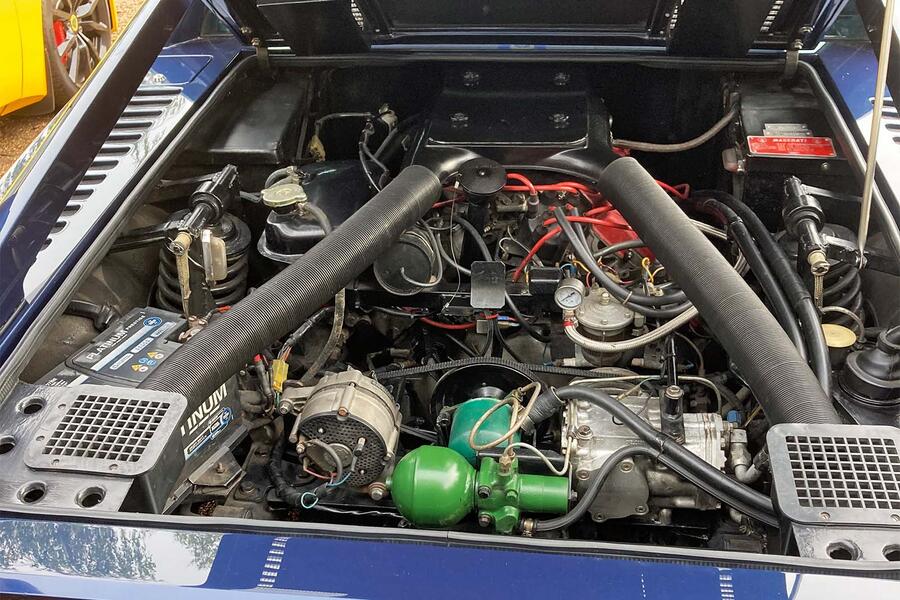
Under the rear engine deck lies the 3.0-liter V6, which in the SS variant received three larger 44 DCNF Weber carburetors and an increased compression ratio. These modifications boosted the power output from the standard 185 brake horsepower (bhp) to a more formidable 215 bhp. This increase in power, coupled with the weight reduction, significantly enhanced the car’s power-to-weight ratio, offering a more spirited driving experience.
Habib’s vehicle has also undergone modern mechanical updates to ensure longevity. The engine was overhauled several years ago, receiving sodium-filled valves—a common upgrade for high-performance engines of that era to improve heat dissipation. Furthermore, the braking system and suspension were meticulously refurbished to maintain the car’s handling characteristics while ensuring safety in modern traffic conditions.
Design Philosophy and Aesthetic Distinction
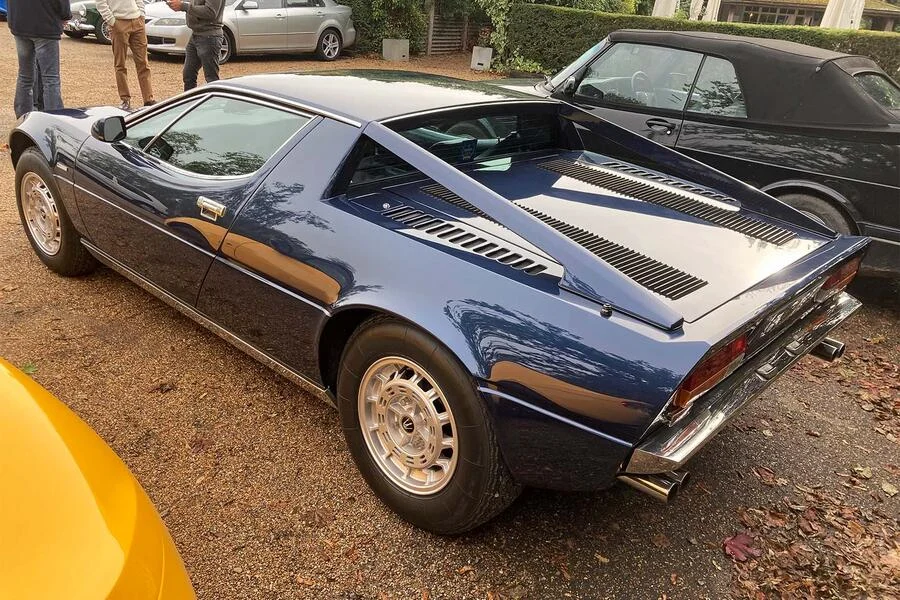
The aesthetic of the Merak is the work of Giorgetto Giugiaro at Italdesign. While the front half of the car is nearly identical to the Bora, the rear section features one of the most distinctive design elements in automotive history. Unlike the Bora’s glass-covered engine bay, the Merak utilizes a flat horizontal engine cover and a pair of "flying buttresses." These open-air pillars extend from the rear of the cabin to the tail of the car, preserving the Bora’s silhouette while allowing for better engine cooling and a lighter visual profile.
The interior of Habib’s 1977 Merak SS remains largely original, a rarity in the world of classic car restoration. This preservation maintains the "authentic smell" of 1970s Italian leather and materials, providing a sensory link to the vehicle’s heritage. The 2+2 seating configuration, made possible by the compact V6 engine, offers a level of practicality rarely seen in mid-engine supercars of the period, though the rear seats are best suited for luggage or small children.
The Restoration Chronology: 1000 Hours of Precision
The most remarkable aspect of this specific Merak SS is the intensive restoration it underwent prior to Habib’s ownership. The bodywork was subjected to a 1000-hour restoration process conducted by Blackline Classic Cars. In the realm of classic car maintenance, 1000 hours represents an extraordinary commitment to detail, often involving the complete stripping of the chassis to bare metal.
Classic Maseratis of this era were notorious for their susceptibility to corrosion. The restoration of Habib’s car focused on an "all-metal" approach, eschewing the use of body filler to hide imperfections. This ensures the structural integrity and long-term value of the vehicle. Habib noted that the quality of the bodywork was the primary selling point, suggesting that the cost of the restoration likely equaled the £50,000 purchase price of the car itself. This investment by the previous owner highlights a growing trend among collectors to prioritize structural perfection over cosmetic "quick fixes."
Rarity and Market Analysis
The Maserati Merak is a rare sight on modern roads, but the right-hand-drive (RHD) SS variants are exceptionally scarce. Total production for the Merak across all variants was approximately 1,830 units between 1972 and 1983. Of these, roughly 1,000 were the standard Merak and SS models combined, with the remainder being the 2.0-liter "Merak 2000 GT" produced for the Italian market.
The distribution between left-hand-drive (LHD) and RHD models was nearly even, but survival rates have varied. According to current estimates, there are only about 30 RHD Meraks remaining in the United Kingdom. This rarity places Habib’s car in an elite category of surviving Italian classics.
From a market perspective, the Merak has historically been undervalued compared to contemporary Ferraris. However, as collectors begin to appreciate the engineering nuances and the Giugiaro design, prices have seen a steady climb. A well-documented, rust-free SS model with a documented restoration history is increasingly viewed as a blue-chip investment within the classic car community.
Driving Dynamics in the 21st Century
Despite its age, the 1977 Merak SS remains a functional and capable machine on modern roads. Habib emphasizes that the car is "very nice to drive," a testament to the balance of the chassis and the flexibility of the V6 engine. While it may not compete with modern supercars in terms of raw acceleration, its ability to keep pace with contemporary motorway traffic and its responsiveness in urban environments make it a "usable classic."
A critical component of this drivability is the choice of tires. Habib’s car is fitted with Michelin tires manufactured in the original style but using modern rubber compounds. These tall-profile tires are essential for maintaining the car’s intended ride quality, providing a "cushion" that low-profile modern tires cannot replicate. This blend of period-correct aesthetics and modern safety technology is a hallmark of high-end classic car ownership.
Broader Implications and Official Perspectives
The preservation of vehicles like the Merak SS serves a broader purpose within the automotive industry. It acts as a living record of engineering solutions from a time before computer-aided design and electronic driver aids. Organizations such as the Maserati Club International and various heritage divisions emphasize the importance of maintaining these vehicles to original specifications.
Industry analysts suggest that the "restomod" or high-level restoration market is growing as enthusiasts seek vehicles that offer a visceral driving experience without the fragility typically associated with vintage machinery. The 1000-hour restoration of Habib’s Merak is a prime example of this philosophy. By addressing the inherent weaknesses of the original manufacturing—specifically the rust issues—the car is prepared for another 50 years of operation.
The reaction from the enthusiast community has been overwhelmingly positive. Restoration experts often point to the Merak as a "sleeper" in the classic market—a car that offers the prestige of the Maserati brand and the beauty of Giugiaro’s design at a fraction of the cost of a Bora or a Ferrari 308.
Conclusion: A Legacy Preserved
The 1977 Maserati Merak SS owned by Shan Habib is more than just a vintage sports car; it is a meticulously preserved artifact of a unique period in Italian automotive history. Through a combination of fortunate discovery and rigorous professional restoration, this vehicle stands as one of the finest examples of its kind in the United Kingdom.
As the automotive world moves toward electrification and autonomous systems, the value of mechanical, driver-centric machines like the Merak SS continues to rise. For Habib, the car represents the pinnacle of his enthusiast journey—a rare, beautiful, and functional piece of history that continues to turn heads and perform reliably on the open road. The story of this Merak serves as a blueprint for the successful preservation of classic automobiles: a commitment to structural integrity, a respect for original design, and a passion for the heritage of the Trident.