

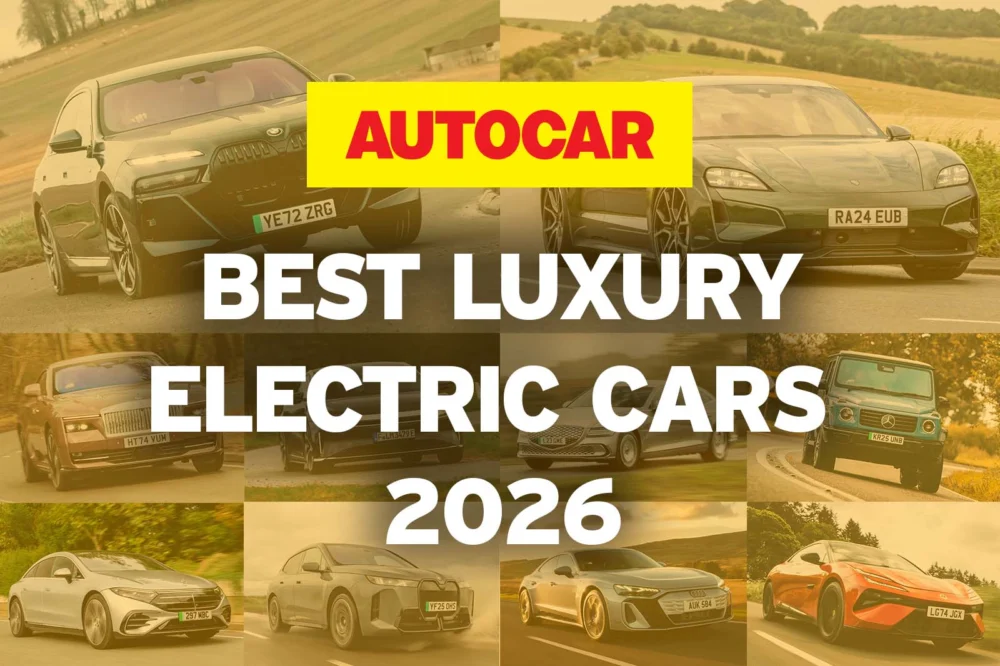
The global automotive landscape has undergone a seismic shift over the past decade, moving from a period where electric propulsion was a niche novelty to an era where it defines the pinnacle of automotive luxury. As of 2026, the luxury electric vehicle (EV) sector is no longer a speculative frontier but a crowded arena where heritage manufacturers and ambitious newcomers vie for dominance. This transformation is driven by a convergence of stringent emissions regulations, rapid advancements in battery chemistry, and a fundamental shift in consumer expectations. Today’s luxury EV buyer demands more than just zero-tailpipe emissions; they require a seamless blend of silent performance, digital sophistication, and the traditional craftsmanship long associated with the world’s most prestigious marques.
The Evolution of the Luxury EV Segment
The journey to the current market saturation began in earnest in 2012 with the launch of the Tesla Model S. Before this milestone, the concept of an opulent electric car was largely non-existent. Early adopters were often met with skepticism by traditional dealerships, where the infrastructure and product knowledge to support high-end electrification were lacking. The Model S proved that an electric powertrain could offer not only environmental benefits but also superior performance and a modern approach to interior "material richness."
Following Tesla’s disruption, established European powerhouses—including BMW, Mercedes-Benz, Audi, and Porsche—embarked on multi-billion-euro research and development programs. By the early 2020s, these efforts bore fruit in the form of dedicated EV platforms, moving away from "converted" internal combustion engine (ICE) architectures to "bespoke" electric foundations. This chronological progression has led to a 2026 market where the variety of body styles—from low-slung grand tourers like the Audi E-tron GT to high-riding icons like the Mercedes-Benz G580 with EQ Technology—offers a solution for every subset of the luxury demographic.
Market Protagonists: The Current Leaders
The contemporary luxury EV market is defined by several key "protagonists" that set the benchmark for different attributes, from ride quality to raw technological prowess.
The BMW i7: The New Standard for the Limousine
The BMW i7 currently sits at the apex of the luxury saloon category. While its exterior design has sparked debate for its bold, monumental proportions, its interior execution is widely regarded as industry-leading. The i7’s cabin utilizes high-quality materials and integrates technology such as the 31-inch "Theatre Screen" for rear passengers, creating a mobile cinema experience. Mechanically, the i7 balances a potent powertrain with a ride quality that mimics the "waftability" of traditional luxury cars while maintaining the precision expected of a BMW.
The Porsche Taycan: Dynamics and Driver Engagement
For those prioritizing the "driving" aspect of a luxury vehicle, the Porsche Taycan remains the gold standard. Following a significant mid-life facelift, the Taycan has addressed early criticisms regarding real-world range, with newer models capable of exceeding 300 miles in most conditions. Its 800-volt architecture allows for industry-leading charging speeds, while its chassis tuning ensures that it handles with an agility that masks its considerable battery weight.
The Mercedes-Benz EQS: The Digital Flagship
The Mercedes-Benz EQS represents the brand’s commitment to aerodynamic efficiency and digital immersion. While it initially struggled to match the sheer "lounge-like" feel of its sibling, the S-Class, recent updates to its interior trim and suspension software have narrowed the gap. It remains a preferred choice for chauffeured transport, offering exceptional cruising refinement and a claimed WLTP range that remains among the highest in the industry.
Technical Supporting Data and Performance Metrics
The distinction between a premium EV and a true luxury EV often lies in the underlying electrical architecture. Data suggests that the transition from 400-volt to 800-volt systems is a critical factor in consumer satisfaction within this segment.
| Feature | 400V Architecture (Standard) | 800V Architecture (High-End) |
|---|---|---|
| Typical Charging Peak | 150kW – 200kW | 270kW – 350kW |
| 10-80% Charge Time | 30–45 Minutes | 18–22 Minutes |
| Weight Efficiency | Heavier wiring required | Thinner, lighter cabling |
| Examples | BMW i7, Mercedes EQS | Porsche Taycan, Audi E-tron GT, Lucid Air |
Performance data also highlights the staggering power outputs now available. The Lucid Air Sapphire, for instance, produces over 1,200bhp, enabling a 0-60mph sprint in under two seconds. However, industry analysts note that in the luxury segment, "usable" performance—such as mid-range overtaking power and the refinement of regenerative braking—is more valued by the average owner than headline acceleration figures.
Industry Responses and Strategic Shifts
The rapid pivot to luxury EVs has elicited varied responses from industry leaders. Ola Källenius, CEO of Mercedes-Benz, has frequently emphasized an "Electric First" strategy, though the company has recently adjusted its timelines to account for varying rates of adoption across global markets. Similarly, BMW Group’s leadership has maintained a "Power of Choice" philosophy, developing platforms that can accommodate various powertrains, though the success of the i7 and iX has accelerated their dedicated "Neue Klasse" EV architecture.
In the ultra-luxury tier, the arrival of the Rolls-Royce Spectre marked a pivotal moment. Rolls-Royce officials stated during the car’s launch that the move to electric was not merely a response to legislation but a natural evolution for the brand, as electric motors provide the silent, high-torque delivery that the company spent a century trying to achieve with V12 engines. The Spectre’s success—evidenced by a multi-year waiting list—indicates that the ultra-wealthy demographic has fully embraced electrification.
Challenges and Infrastructure Implications
Despite the advancements, the luxury EV market faces several structural challenges.
- Weight Management: Most vehicles in this class exceed 2.5 tonnes. This puts immense pressure on suspension components and tire technology. Manufacturers are increasingly relying on active air suspension and rear-wheel steering to manage this mass and ensure low-speed maneuverability.
- Efficiency vs. Opulence: High-end features like massaging seats, multiple high-definition screens, and advanced climate control systems draw significant power from the main battery. Balancing these "energy-hungry" luxuries with the need for a 300+ mile range is a constant engineering hurdle.
- Charging Infrastructure: While luxury owners often have access to home charging, the "grand touring" capability of these cars is still dependent on public high-power charging networks. The disparity between the car’s 350kW charging capability and the actual availability of such chargers remains a pain point.
Analysis of Broader Impact
The proliferation of luxury EVs has broader implications for the entire automotive sector. Technology pioneered in flagship models like the BMW i7 or the Lucid Air—such as silicon carbide inverters, high-density battery cells, and advanced heat pumps—is already beginning to trickle down to more affordable mass-market vehicles.
Furthermore, the luxury segment is leading the way in sustainable manufacturing. Brands are increasingly replacing traditional leather with high-end vegan alternatives and utilizing recycled ocean plastics for interior carpets. This shift is redefining "luxury" from a concept of pure excess to one of "conscious indulgence."

The residual value of these vehicles also remains a point of intense scrutiny. Early luxury EVs suffered from steeper depreciation than their ICE counterparts due to concerns over battery longevity and rapid technological obsolescence. However, as battery health monitoring improves and over-the-air (OTA) software updates allow cars to gain new features post-purchase, the gap in residual values is expected to stabilize.
Future Outlook: Beyond 2026
Looking toward the end of the decade, the luxury EV market is expected to integrate solid-state battery technology, which promises even higher energy densities and faster charging times with reduced fire risks. Additionally, the integration of Level 3 autonomous driving features is likely to become a standard requirement for any vehicle claiming "luxury" status, as the act of driving itself becomes an optional luxury.
The current ranking of luxury EVs reflects a market at its peak of innovation. Whether it is the off-road dominance of the electric G-Wagen, the supercar-shaming pace of the Lucid Air, or the unparalleled serenity of the Rolls-Royce Spectre, the electric era has not diminished the luxury car; it has refined it. The "protagonists" identified today are not merely cars; they are sophisticated technological platforms that represent the future of mobility for the world’s most discerning drivers.