



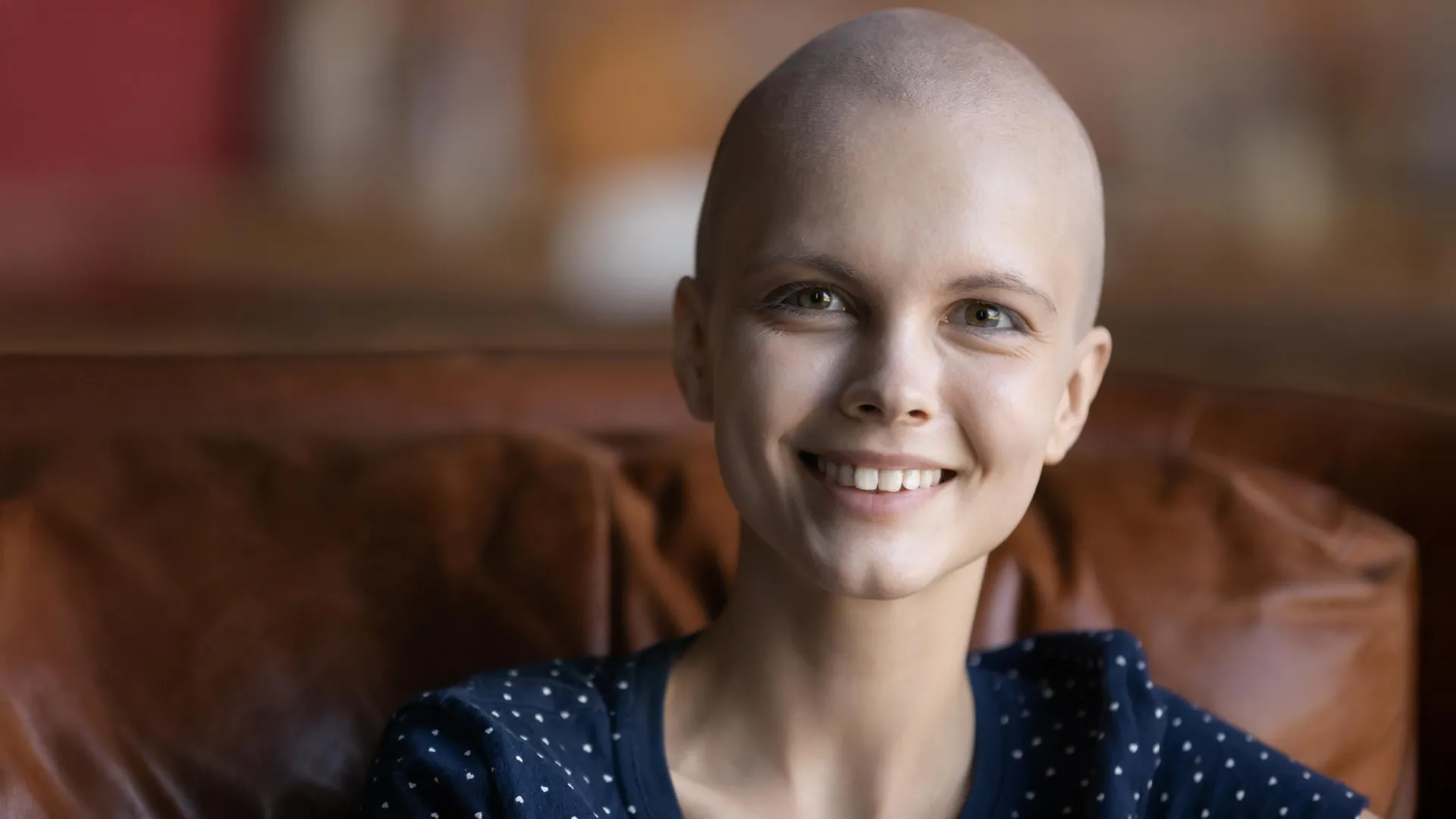
Teens and young adults who survive cancer appear to age more quickly than people their same age who have never had the disease, according to new research. Scientists found signs of faster aging not only inside cells but also in brain performance, including memory, attention, and the ability to process information. This groundbreaking study, published in the esteemed journal Nature Communications, sheds critical light on the long-term consequences of cancer treatment for a vulnerable population and opens avenues for future interventions.
Unveiling the Biological Toll of Cancer Survival
The research, spearheaded by AnnaLynn Williams, PhD, from the University of Rochester Wilmot Cancer Institute, alongside co-corresponding author Kevin Krull, PhD, of St. Jude Children’s Research Hospital, meticulously analyzed data from a substantial cohort of young cancer survivors. Their findings indicate that the biological clock of these individuals ticks at a more rapid pace compared to their cancer-free peers. This accelerated aging manifests not only at a cellular level, evidenced by biomarkers indicative of premature senescence, but also impacts crucial cognitive functions essential for navigating adulthood.
A Deep Dive into the Study’s Methodology and Findings
The study encompassed approximately 1,400 participants, all of whom had undergone cancer therapy at St. Jude Children’s Research Hospital. These individuals were at least five years removed from their cancer treatment, with some having survived for several decades. The majority of participants had been treated for acute lymphoblastic leukemia (ALL) or Hodgkin lymphoma, two of the most common childhood cancers.
Researchers employed a multi-faceted approach to assess biological aging. This included analyzing epigenetic markers, telomere length, and other cellular indicators of aging. Furthermore, comprehensive neuropsychological assessments were conducted to evaluate cognitive abilities such as memory recall, sustained attention, processing speed, and executive functions.
The study’s results were striking. A significant proportion of young cancer survivors exhibited biological ages that were considerably higher than their chronological ages. This disparity was not merely an abstract number; it correlated directly with observable deficits in cognitive performance. Survivors with a higher biological age demonstrated greater difficulties with tasks requiring memory retention, the ability to focus and maintain attention, and the speed at which they could process new information.
Treatment Modalities and Their Impact on Aging
A key aspect of the research focused on identifying which treatment modalities might contribute most significantly to this accelerated aging. The findings revealed that while signs of faster biological aging were present regardless of the specific treatment received during childhood, chemotherapy emerged as a primary driver. Chemotherapy, by its very nature, is designed to target rapidly dividing cells, which unfortunately includes healthy cells alongside cancerous ones. This widespread cellular damage and alteration of DNA structure appear to have a profound and lasting effect on the aging process.
While radiation therapy, particularly when directed to the brain, was also noted as a potential contributor to cognitive challenges, the study points to chemotherapy as having the most potent and pervasive impact on accelerating biological aging across the board. This understanding is crucial for oncologists and researchers in developing strategies to mitigate these long-term side effects.
The "Perfect Storm" of Post-Cancer Challenges
The implications of this accelerated aging and cognitive decline for young cancer survivors are far-reaching, impacting their ability to achieve critical life milestones. AnnaLynn Williams eloquently described this situation as a "perfect storm." Many survivors treated in childhood or young adulthood are striving to complete their education, build careers, establish financial independence, and form families. Cognitive impairments, even subtle ones, can present significant hurdles in these endeavors.
"Young cancer survivors have many more decades of life to live," Williams stated. "So, if these accelerated aging changes are occurring early on and setting them on a different trajectory, the goal is to intervene to not only increase their lifespan but improve their quality of life."
The study highlights how these cognitive challenges can translate into tangible disparities. Williams noted, "This is why we see many survivors having worse educational and employment outcomes than their siblings." This underscores the need for comprehensive survivorship care that extends beyond immediate medical needs to address the long-term functional consequences of cancer and its treatment.
Williams, herself a cancer survivor, brings a unique perspective to this research. As an assistant professor in the Department of Surgery and a member of Wilmot’s Cancer Prevention and Control research program, her work is dedicated to reducing long-term symptoms in survivors, a mission directly informed by her personal experience and scientific expertise.
Hope on the Horizon: Lifestyle Interventions for Reversal
While the findings present a concerning picture, there is a beacon of hope. Ongoing research at the Wilmot Cancer Institute suggests that some of the accelerated aging observed in young survivors may be amenable to intervention. Williams indicated that healthy lifestyle choices could play a significant role in slowing or even reversing these detrimental changes.
"There may be encouraging news ahead," Williams remarked. "Ongoing work at Wilmot suggests that some of the accelerated aging seen in young survivors could potentially be slowed or even reversed through healthy habits such as quitting smoking, exercising regularly, and improving diet."
This optimism is rooted in emerging evidence that demonstrates the power of lifestyle modifications in combating the biological effects of cancer treatment. Preliminary studies have already shown that regular physical activity can help counteract aging processes linked to cancer therapy. This points towards a future where survivorship care integrates robust lifestyle counseling and support programs, empowering survivors to actively participate in their long-term health and well-being.
The Role of Genomics in Understanding Aging
To further elucidate the mechanisms behind accelerated aging, scientists are actively investigating its precise onset. Research is underway at Wilmot to pinpoint when these changes begin. In a recent pilot study, Williams examined tissue and cell samples from 50 individuals with Hodgkin lymphoma before and after treatment, comparing them with samples from 50 healthy individuals. Collaborating with John Ashton, PhD, MBA, director of the Genomics Shared Resource at Wilmot, she analyzed the data to determine whether the aging process is initiated during treatment or develops years later. This genomic approach offers the potential to identify specific molecular pathways involved in treatment-related aging, paving the way for targeted interventions.
Other researchers at Wilmot are pursuing parallel studies, focusing on women with breast cancer and older adults with leukemia. The overarching goal of this multifaceted research program is to discover and implement strategies that can effectively reverse treatment-related aging.
Broader Implications and Future Directions
The implications of this research extend beyond the immediate cohort of young cancer survivors. The insights gained could inform strategies for managing age-related diseases in the general population, as cancer treatments often mimic or accelerate the natural aging process.
The National Cancer Institute’s funding of Williams’ study underscores the significance of this research and its potential to impact public health. As scientists continue to unravel the complexities of cancer survivorship, the focus is increasingly shifting towards improving the quality of life for those who have overcome the disease.
Addressing Radiation-Induced Cognitive Deficits
For individuals who received radiation directly to the brain, a common treatment for certain brain tumors and head and neck cancers, the concern for cognitive decline is particularly acute. Williams emphasized that for this subgroup, the immediate priority is preventing further deterioration. This may involve specialized cognitive rehabilitation programs, pharmacological interventions, and ongoing neuroimaging to monitor brain health.
The long-term consequences of cancer treatment are a growing area of concern in oncology. As survival rates continue to improve, understanding and mitigating the late effects of therapy becomes paramount. This study provides a critical piece of the puzzle, highlighting the accelerated aging and cognitive challenges faced by young survivors and offering a hopeful path forward through lifestyle interventions and continued scientific inquiry. The research serves as a powerful reminder that the fight against cancer extends far beyond the initial diagnosis and treatment, encompassing the lifelong well-being of survivors.