

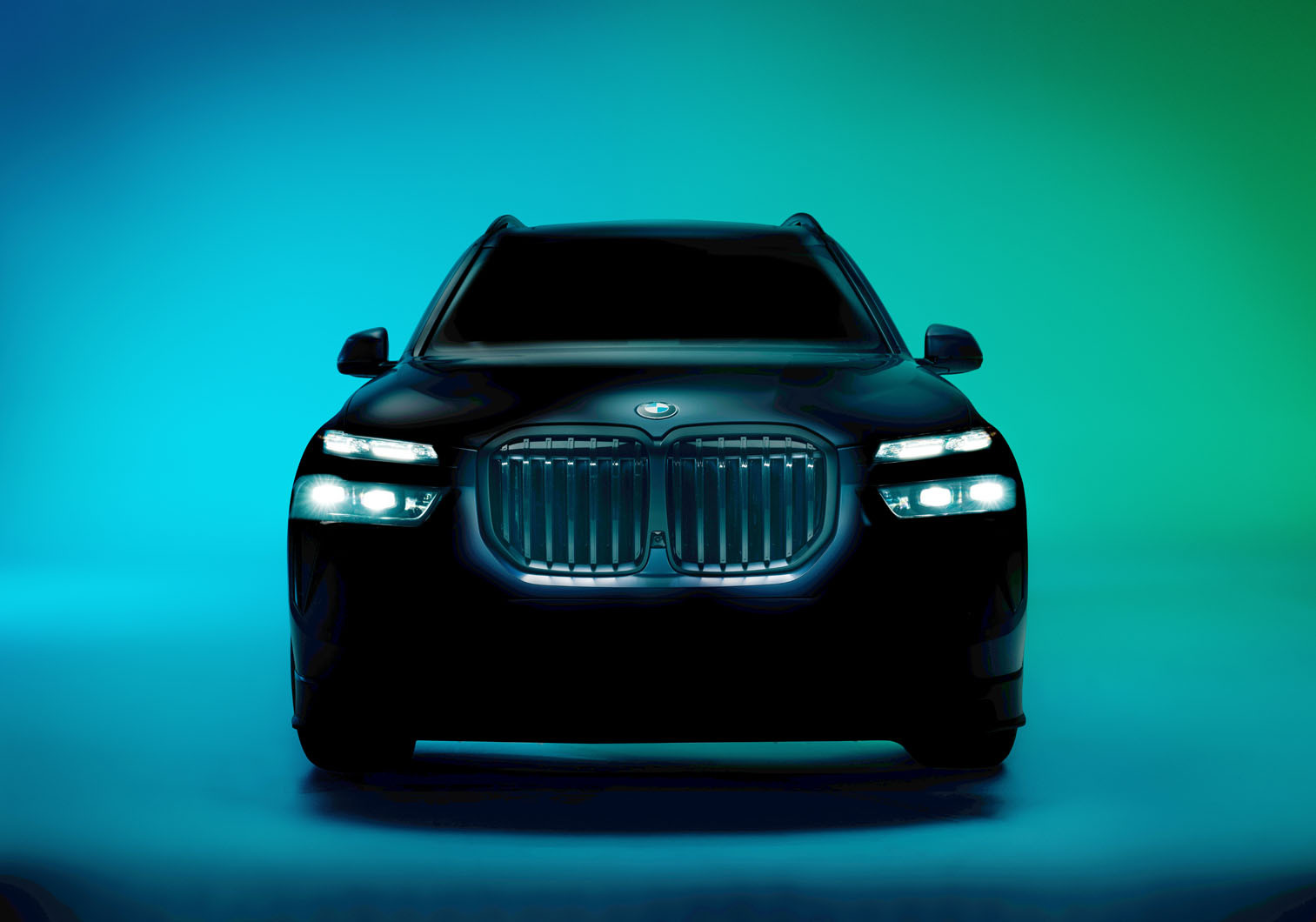
The automotive landscape is witnessing the conclusion of one of its most storied chapters as Alpina, the Buchloe-based manufacturer synonymous with refined BMW performance, prepares to unveil the final vehicle developed under the oversight of its founding family. Scheduled for a global debut this Friday, a highly exclusive, limited-production version of the XB7 luxury SUV will serve as the swan song for the Bovensiepen era. This specific model, confirmed by the BMW Group—the brand’s new owner—is destined specifically for the United States and Canadian markets, highlighting the strategic importance of North America in the brand’s final independent phase.
While Alpina officially transitioned into the ownership of the Munich-based BMW Group on January 1, 2025, this upcoming XB7 is not a product of the new corporate structure. Instead, the vehicle represents the final "legacy" project, having been conceptualized and developed under the leadership of the Bovensiepen family before the acquisition was finalized. Industry insiders and internal sources at Autocar indicate that the agreement to produce this limited-run special was signed and sealed well before the brand’s intellectual property and naming rights were transferred to BMW. Consequently, the vehicle acts as a bridge between the independent past and the corporate future of the marque.
A Landmark Moment in Automotive History
The unveiling of the special edition XB7 is more than a simple product launch; it is a landmark event that terminates a 60-year lineage of independent engineering. Since 1965, the name Alpina has represented a unique philosophy of "understated power," focusing on high-torque engines, bespoke suspension tuning, and a level of interior craftsmanship that often surpassed BMW’s own factory offerings.
The final standalone model produced by the Buchloe facility was the B8 GT, based on the BMW 8 Series Gran Coupe, which was revealed in January 2025. As the most powerful vehicle in the company’s history at that time, the B8 GT was intended to be the ultimate expression of the Bovensiepen family’s vision. However, this new XB7 special edition provides a final, high-riding punctuation mark to that history, catering to the modern demand for ultra-luxury SUVs while maintaining the traditional Alpina virtues of long-distance comfort and effortless speed.
The Genesis of Alpina: From Tuning to Manufacturing
To understand the weight of this transition, one must look back to 1965, when Burkard Bovensiepen established Alpina Burkard Bovensiepen KG. Initially focusing on multi-carburetor setups for the BMW 1500, the company quickly gained a reputation for engineering excellence. Unlike typical aftermarket tuners, Bovensiepen sought a collaborative relationship with BMW from the outset.
By the 1970s, Alpina had become a dominant force in touring car racing, but its most significant milestone came in 1983. In that year, the German Federal Ministry of Transport recognized Alpina as an independent automobile manufacturer. This status was unique: Alpina vehicles were built on BMW production lines, but they featured unique VINs (Vehicle Identification Numbers) and were supported by full BMW factory warranties.
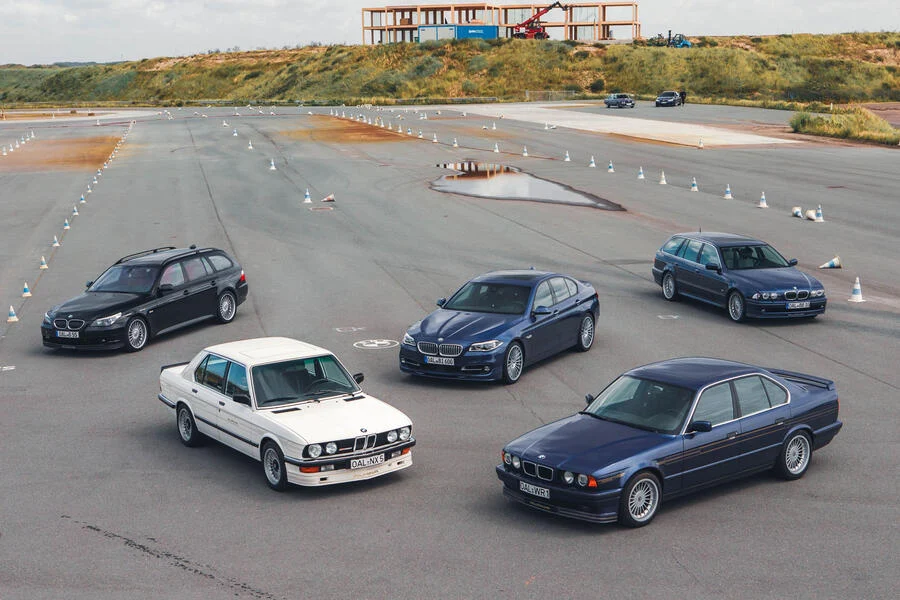
Over the decades, the firm became revered for its ability to take BMW’s most capable chassis and refine them into "gentleman’s expresses." Models like the E30-based B6 2.8 and the E39-based B10 V8 established a template: discrete aerodynamic enhancements, the iconic "Lavalina" leather interiors, and the signature multi-spoke alloy wheels that remain a brand hallmark today.
The Strategic Shift: Why the Bovensiepens Sold
The decision to sell Alpina to BMW, first announced in 2022, was born out of cold industrial logic rather than a lack of passion. Andreas Bovensiepen, the son of the founder and long-time managing director, has been transparent about the challenges facing small-scale manufacturers in the 21st century.
The primary catalyst for the sale was the rapid onset of the electric vehicle (EV) era and the increasing complexity of software-defined vehicles. The Bovensiepen family’s ethos has always been "no compromise." In the era of internal combustion, this was achievable through mechanical engineering—rebuilding engines with custom pistons, larger turbochargers, and bespoke cooling systems.
However, in the electric age, differentiation is achieved through software. To make an Alpina-branded EV feel distinct from a standard BMW i7 or iX, a manufacturer must develop unique battery management systems, motor control software, and sophisticated torque-vectoring algorithms. Andreas Bovensiepen noted that hiring the necessary cadre of software engineers to compete at this level would have been "ruinous" for a boutique company. The cost of compliance with increasingly stringent global emissions and cybersecurity regulations further squeezed the independent business model, making the stability of the BMW Group’s umbrella the only viable path forward for the brand’s survival.
Chronology of the Transition
The transition of the Alpina brand has followed a deliberate timeline to ensure the heritage is preserved while the future is secured:
- March 2022: BMW Group and Alpina announce a deal where BMW will acquire the rights to the Alpina brand. The existing cooperation agreement is extended until the end of 2025.
- 2022–2024: The Buchloe facility continues to operate at full capacity, producing the B3, B4, B5, and XB7 models to meet record demand.
- January 1, 2025: Official ownership of the Alpina brand transfers to BMW. The Bovensiepen family shifts their focus to "Bovensiepen Automotive" and their classic car restoration and wine businesses.
- January 2025: Reveal of the B8 GT, the final model fully developed and marketed under the independent Buchloe structure.
- May 2025: Announcement of the new Alpina visual identity and logo, signaling a shift toward a more modern, luxury-focused sub-brand.
- Present: Reveal of the North American-exclusive XB7 "Final Edition," the last Bovensiepen-developed project.
- Late 2025/Early 2026: Expected reveal of the first BMW-developed Alpina, likely based on the upcoming "Neue Klasse" or the next-generation 7 Series.
BMW’s Vision: Alpina as a Maybach Competitor
With the acquisition complete, BMW’s strategy for Alpina is becoming clear. The company intends to position Alpina as a high-end luxury sub-brand, sitting comfortably above the BMW M division and just below Rolls-Royce. This move is designed to provide a direct competitor to Mercedes-Benz’s Maybach division.
While BMW M focuses on "track-capable" performance and aggressive styling, the new Alpina will prioritize "bespoke luxury" and "exclusive comfort." To lead this creative direction, BMW has appointed Max Missoni, the former head of design at Polestar. Missoni is tasked with evolving the Alpina aesthetic for a new generation, likely moving away from some of the more traditional 1980s-inspired cues toward a more minimalist, avant-garde luxury language.
BMW has promised that future Alpinas will offer an "extraordinary range of bespoke options." This suggests a move toward a "coachbuilding" approach, where customers can customize their vehicles to a degree previously reserved for Rolls-Royce clients. This shift is essential for BMW to capture a larger share of the ultra-high-net-worth market, particularly in China and the Middle East, where the demand for individualized luxury is at an all-time high.
Technical Specifications and Expectations for the XB7 Special Edition
While full details of the Friday reveal remain under wraps, the "exclusive, limited-production" XB7 is expected to build upon the already formidable platform of the standard Alpina XB7. The current model utilizes a 4.4-liter V8 with twin-scroll turbochargers, producing 630 horsepower and 590 lb-ft of torque.
The special edition is rumored to feature:
- Enhanced Performance: A slight bump in power output to align it with the B8 GT’s performance metrics.
- Unique Aesthetics: Exclusive paint finishes from the BMW Individual palette, likely including heritage colors like Alpina Blue and Alpina Green, paired with unique "Final Edition" badging.
- Interior Refinement: Extensive use of Lavalina leather—a hallmark of Buchloe craftsmanship—across the entire cabin, including the dashboard and headliner.
- Limited Production Run: Sources suggest production will be capped at a very low number, likely fewer than 100 units, making it an instant collector’s item.
The Impact on the Bovensiepen Family
The end of the Alpina-BMW partnership in its historical form does not mean the Bovensiepen family is exiting the automotive world. Under the new "Bovensiepen" company name, the family has already demonstrated their continued engineering prowess. Recently, they revealed a highly modified BMW M4 Coupe featuring bespoke coachwork by the legendary Italian design house Zagato.
This new venture allows the family to return to their roots: small-scale, highly artistic automotive projects that are not bound by the mass-production requirements of a major OEM. It also ensures that the "Buchloe spirit" remains active, even as the Alpina name moves into the corporate halls of Munich.
Industry Implications and Conclusion
The transition of Alpina marks the end of an era for independent "tuner-manufacturers." As the industry consolidates and moves toward electrification, the room for small, specialized engineering firms to operate independently is shrinking. The high costs of R&D, coupled with global regulatory hurdles, are forcing iconic names to seek shelter within larger conglomerates.
For BMW, the acquisition is a masterstroke. They have secured a brand with immense heritage and a loyal customer base, providing them with a ready-made platform to challenge Maybach. For enthusiasts, the upcoming XB7 special edition represents a final chance to own a piece of history—a vehicle that carries the DNA of Burkard Bovensiepen and the uncompromising engineering standards that defined a 60-year legacy.
As the final units of this special edition roll off the line, the focus will shift to Max Missoni and the BMW team. Their challenge will be to maintain the "soul" of Alpina—that specific blend of effortless torque and understated elegance—in a future that is increasingly defined by silent motors and digital interfaces. For now, the automotive world waits for Friday, to catch a final glimpse of Alpina as it has existed for six decades: independent, refined, and peerless.