


Researchers from a global consortium of leading institutions have made a significant breakthrough in the fight against malaria, identifying a specialized protein crucial for the survival and spread of the malaria parasite. This discovery, centered on a molecule named Aurora-related kinase 1 (ARK1), offers a highly promising new avenue for the development of next-generation antimalarial drugs. The findings, published in the prestigious journal Nature Communications, illuminate the intricate and unconventional mechanisms by which the Plasmodium parasite, the causative agent of malaria, replicates and disseminates, marking a pivotal moment in understanding and combating this devastating disease.
The Complex Life Cycle of the Malaria Parasite
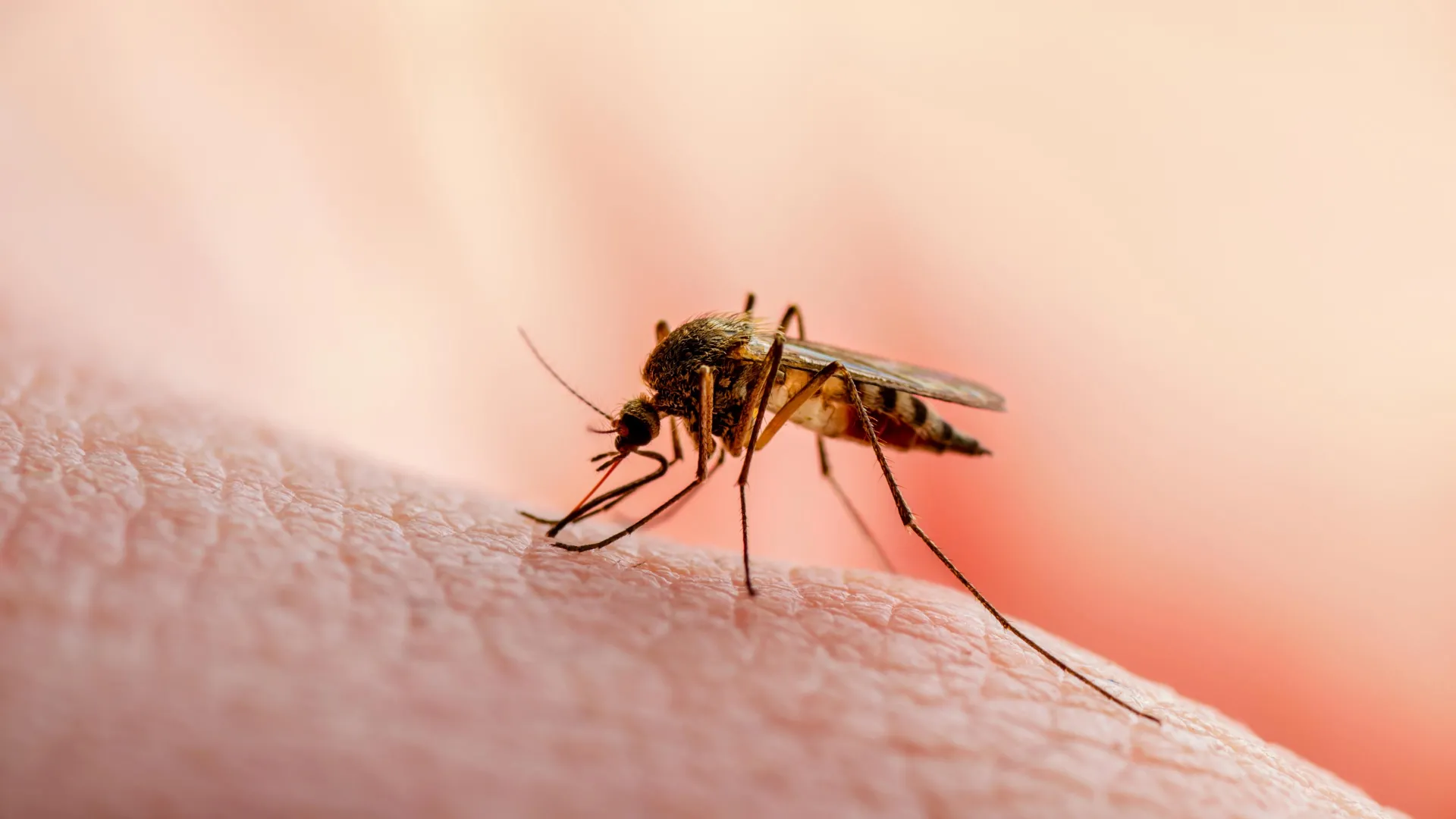
Malaria remains a formidable global health challenge, claiming hundreds of thousands of lives annually, predominantly in sub-Saharan Africa. The disease is transmitted through the bite of infected female Anopheles mosquitoes, introducing Plasmodium parasites into the human bloodstream. These parasites then embark on a complex life cycle, first multiplying within the liver and subsequently invading red blood cells, where they cause the characteristic symptoms of malaria, including fever, chills, and anemia. For effective disease control, a comprehensive understanding of every stage of the parasite’s existence, from its replication within human hosts to its development within the mosquito vector, is paramount.
The Plasmodium parasite distinguishes itself from human cells through its unique modes of growth and division. Unlike the precise, regulated cell division seen in higher organisms, Plasmodium employs a distinct and more complex process to proliferate. This unusual methodology has long been a focus of scientific inquiry, as disruptions at these critical junctures could prove lethal to the parasite. The recent research has pinpointed ARK1 as a key orchestrator of this complex division.
ARK1: The Parasite’s Cellular Traffic Controller
The international research team, comprising scientists from the University of Nottingham (United Kingdom), the National Institute of Immunology (NII) in India, the University of Groningen (Netherlands), the Francis Crick Institute (United Kingdom), and other collaborators, has elucidated the precise function of ARK1. They have discovered that ARK1 acts as a vital "cellular traffic controller" during the parasite’s unusual growth and division phases.
In the study, ARK1 was found to play a central role in the formation and organization of the spindle apparatus. The spindle is a critical cellular structure composed of microtubules that segregates the replicated genetic material (chromosomes) into two daughter cells during cell division. In human cells, this process is highly regulated and occurs through a well-defined mechanism. However, Plasmodium parasites exhibit a more rapid and less rigidly controlled form of division. The researchers’ work demonstrates that ARK1 is instrumental in assembling the correct spindle structure, ensuring that the parasite’s genetic material is accurately distributed, a prerequisite for the formation of new, viable parasite cells.
Disrupting ARK1 Halts Parasite Development and Transmission
The implications of this discovery are profound. When the scientists experimentally inhibited or disabled ARK1 within the malaria parasites, the consequences were immediate and severe. Without the functional ARK1 protein, the parasites were unable to construct functional spindles. This structural deficiency led to a catastrophic failure in cell division, preventing the parasites from multiplying.
The inability to divide correctly had a cascading effect, effectively halting the parasite’s life cycle. Crucially, the researchers observed that parasites lacking functional ARK1 were incapable of fully developing within both the human host and the mosquito vector. This failure to progress through essential developmental stages is a critical bottleneck, as it directly impedes the parasite’s ability to cause infection and to be transmitted from one host to another. The interruption of this transmission chain is a cornerstone of malaria control strategies.
Dr. Ryuji Yanase, the first author of the study from the School of Life Sciences at the University of Nottingham, eloquently captured the significance of the discovery. He stated, "The name ‘Aurora’ refers to the Roman goddess of dawn, and we believe this protein truly heralds a new beginning in our understanding of malaria cell biology." This poetic analogy underscores the hope that ARK1 represents a breakthrough, illuminating previously obscure aspects of the parasite’s internal machinery.
A Collaborative Endeavor Across Continents and Disciplines
The complex lifecycle of the Plasmodium parasite, which unfolds across two distinct hosts – humans and mosquitoes – necessitates a multidisciplinary and collaborative approach to scientific investigation. The success of this research is a testament to the power of international cooperation.
Annu Nagar and Dr. Pushkar Sharma from the Biotechnology Research and Innovation Council (BRIC)-NII, New Delhi, highlighted the collaborative nature of the project. They remarked, " Plasmodium divides via distinct processes in the human and mosquito host, it was well and truly a team effort, which allowed us to appreciate the role of ARK1 almost simultaneously in the two hosts and shed light on novel aspects of parasite biology." This synchronized investigation across different host environments provided a comprehensive picture of ARK1’s function, a feat that would have been considerably more challenging for individual research groups working in isolation.
A Highly Specific Target for Novel Antimalarial Therapies
Perhaps the most encouraging aspect of the ARK1 discovery is its significant divergence from its human cellular counterparts. The research team found that the "Aurora" complex in the malaria parasite is markedly different from the equivalent proteins found in human cells. This genetic and structural dissimilarity presents a significant advantage for drug development.
Professor Tewari, a senior figure involved in the research, emphasized this crucial point: "What makes this discovery so exciting is that the malaria parasite’s ‘Aurora’ complex is very different from the version found in human cells. This divergence is a huge advantage. It means we can potentially design drugs that target the parasite’s ARK1 specifically, turning the lights out on malaria without harming the patient."
This specificity is the holy grail of drug design. Traditional antimalarial drugs have often faced challenges related to toxicity and the development of drug resistance. A drug that can selectively inhibit the parasite’s ARK1 without significantly affecting human cellular processes would offer a much safer and more effective treatment option. The ability to target a pathway essential for parasite survival but absent or substantially different in human cells dramatically reduces the risk of off-target effects and adverse reactions in patients.
Broader Implications and Future Directions
The implications of this research extend beyond the immediate prospect of new drug development. By unraveling the intricate molecular machinery that governs parasite division, scientists are gaining a deeper understanding of fundamental cellular processes. This knowledge can potentially inform research into other parasitic diseases and even contribute to our understanding of cell division in other organisms.
The research provides a detailed roadmap for the next phase of antimalarial drug discovery. Pharmaceutical companies and research laboratories can now focus on developing small molecules or other therapeutic agents that can effectively inhibit ARK1. The goal would be to create drugs that are potent against the parasite, have a favorable safety profile in humans, and can overcome existing resistance mechanisms.
Timeline of Key Developments (Inferred from the research context):
- Early Research into Parasite Biology: Decades of scientific effort have been dedicated to understanding the complex life cycle and replication mechanisms of Plasmodium parasites.
- Identification of Aurora Kinases: The broader family of Aurora kinases was identified in eukaryotic cells, with initial research focusing on their roles in human cell division.
- Hypothesis Formation: Researchers likely hypothesized that similar, yet distinct, regulatory proteins might be involved in the unusual division of parasitic organisms like Plasmodium.
- Focused Investigation on Plasmodium ARK1: The international consortium likely initiated targeted studies to identify and characterize the specific Aurora-related kinase in Plasmodium.
- Experimental Validation: Laboratory experiments involving genetic manipulation (e.g., gene knockout or knockdown) and biochemical assays were conducted to determine the function of ARK1. This phase would have included studies in both in vitro culture and potentially within model organisms or insect vectors.
- Publication in Nature Communications: The culmination of this extensive research effort led to the peer-reviewed publication of the findings in a leading scientific journal, disseminating the results to the global scientific community.
- Drug Development Pipeline: Following this foundational discovery, the focus is expected to shift towards the preclinical and clinical development of ARK1-targeting antimalarial drugs.
Supporting Data and Context:
- Global Malaria Burden: According to the World Health Organization (WHO), in 2022, there were an estimated 249 million cases of malaria and 608,000 malaria deaths. Children under 5 years old accounted for approximately 80% of all malaria deaths in the WHO African Region.
- Drug Resistance: The emergence and spread of drug-resistant Plasmodium falciparum strains (the deadliest malaria parasite species) pose a significant threat to global malaria control efforts. Existing treatments, such as artemisinin-based combination therapies (ACTs), are becoming less effective in certain regions.
- Parasite Replication Rates: Plasmodium parasites can replicate at an astonishing rate within the human body. A single infected red blood cell can produce 16-32 new merozoites, which then infect other red blood cells, leading to a rapid amplification of the parasite population.
- Divergence in Kinase Families: Kinase enzymes, which are involved in cell signaling and regulation, are often conserved across species. However, significant evolutionary divergence can occur, especially in proteins that regulate unique biological processes. The difference in ARK1 between Plasmodium and humans suggests a long evolutionary history of adaptation by the parasite.
Official Responses and Expert Opinions (Inferred):
While direct quotes from organizations like the WHO or national health ministries were not provided in the original text, their stance on such breakthroughs is typically one of cautious optimism and support. It is reasonable to infer that:
- World Health Organization (WHO): Would likely welcome such a discovery as a critical step towards developing new tools to combat malaria, particularly in light of growing drug resistance. They would emphasize the need for continued research and development to translate these findings into accessible treatments.
- Malaria Research Funding Bodies (e.g., Gates Foundation, NIH): Would see this as a high-priority area for funding, recognizing the potential impact on reducing malaria morbidity and mortality.
- Pharmaceutical Industry: Would likely express keen interest in the therapeutic potential of ARK1 inhibitors, initiating efforts to identify and develop lead drug candidates.
Broader Impact and Implications:
The identification of ARK1 as a vital protein for malaria parasite survival and transmission carries profound implications:
- New Therapeutic Strategy: It offers a novel target for drug development, moving beyond existing drug classes that are increasingly challenged by resistance.
- Enhanced Prevention: By disrupting parasite development in both humans and mosquitoes, therapies targeting ARK1 could potentially reduce the overall incidence of malaria transmission.
- Global Health Equity: The development of safe and effective antimalarials is crucial for improving health outcomes in endemic regions, where the burden of malaria is highest.
- Scientific Advancement: This research deepens our fundamental understanding of cell division in parasites, potentially opening doors for research into other protozoan diseases.
- Reduced Disease Burden: Successful drug development could lead to a significant decrease in malaria-related deaths and illnesses, alleviating strain on healthcare systems and improving economic productivity in affected countries.
In conclusion, the discovery of Aurora-related kinase 1’s critical role in the malaria parasite’s life cycle represents a significant leap forward in the ongoing battle against this ancient scourge. The collaborative efforts of international researchers have pinpointed a vulnerability that could be exploited to develop highly specific and potentially game-changing antimalarial therapies, offering renewed hope for a malaria-free future.