
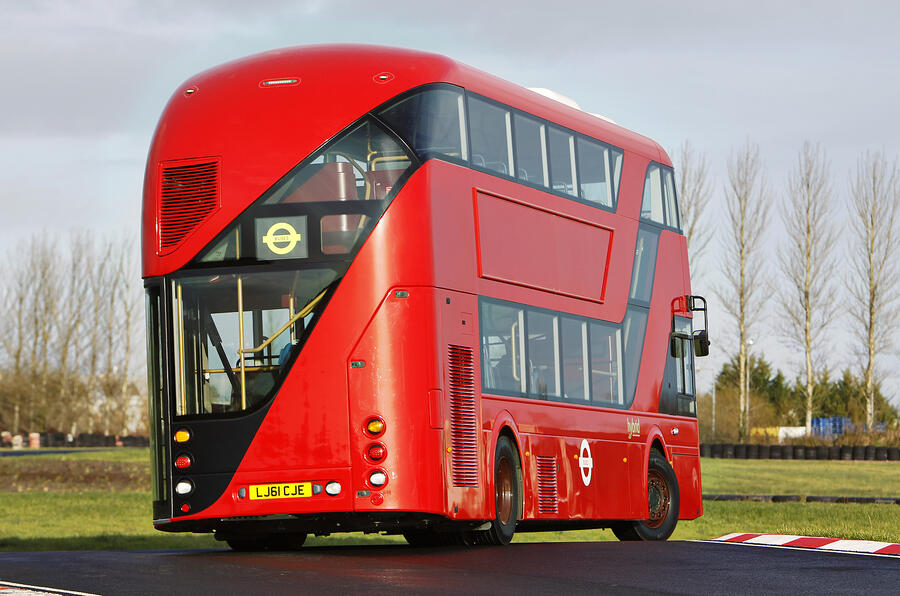
The phase-out, which is already underway, involves the removal of the Wrightbus-manufactured vehicles from several high-profile routes across the capital. This transition is part of a broader strategy to achieve a zero-emission bus fleet, a goal championed by the current Mayor of London, Sadiq Khan. While the New Routemaster was once hailed as a triumph of British design and engineering—a project in which Autocar played a foundational role—its legacy has become a subject of intense political and practical debate.
The Genesis of a Modern Icon
To understand the significance of the New Routemaster’s retirement, one must look back to the mid-2000s. The original AEC Routemaster, which had served London since 1954, was officially withdrawn from general service in 2005. Its removal left a void in the city’s cultural fabric, replaced largely by articulated "bendy buses" and standard double-deckers that many felt lacked the character of the original.
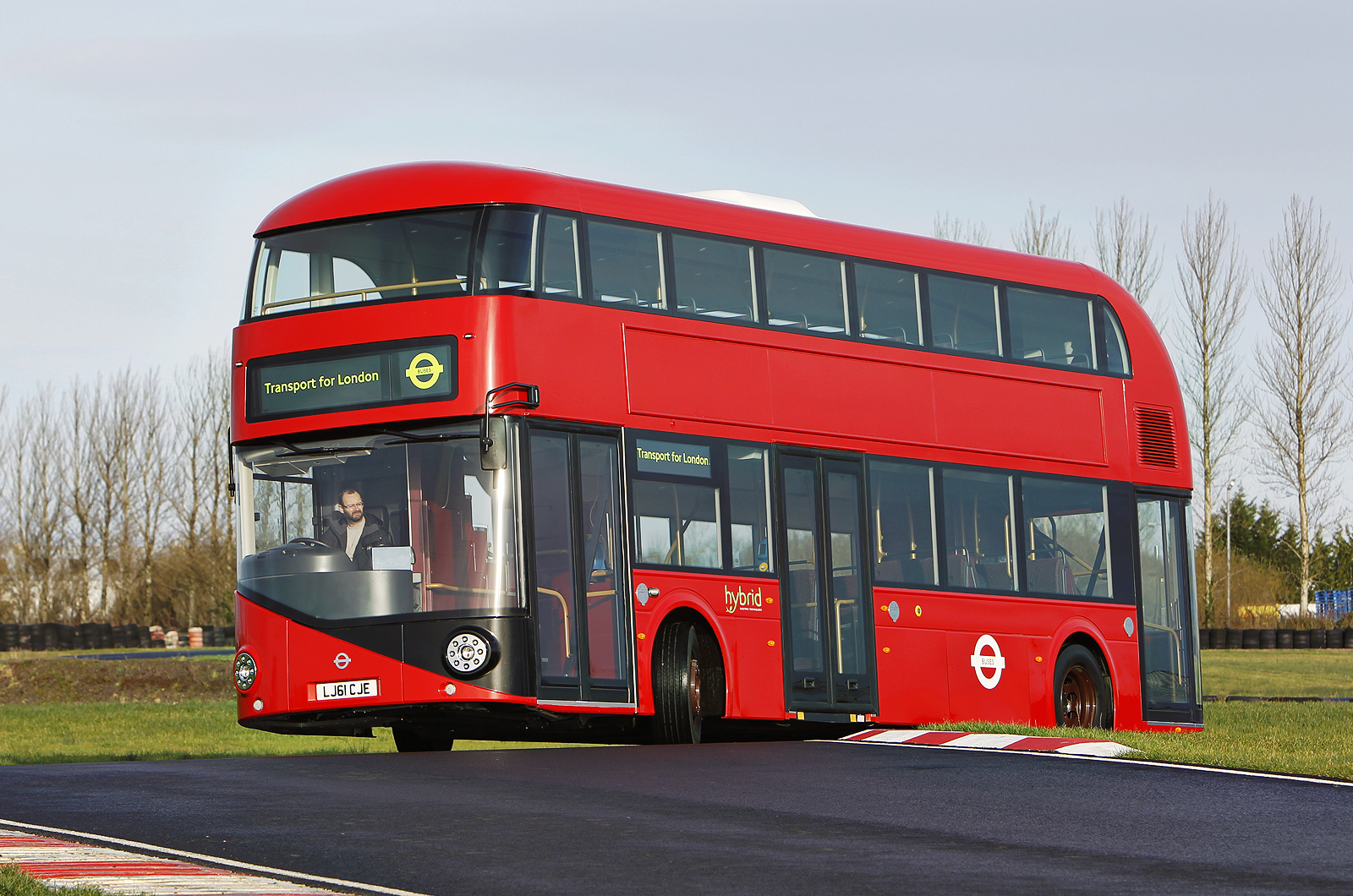
In 2007, Autocar took the initiative to fill this conceptual gap by commissioning the bus designer Capoco to envision a spiritual successor. The resulting design, known as the RMXL, proposed an innovative aluminum-spaceframed, hydrogen-fuelled hybrid. It sought to replicate the most loved features of the original—specifically the open rear platform and the twin staircases—while introducing modern efficiency and increased capacity.
The RMXL caught the attention of Boris Johnson during his 2008 mayoral campaign. Upon his election, Johnson launched the "New Bus for London" competition, inviting designers and manufacturers to create a vehicle that would restore the iconic silhouette of the Routemaster to London’s streets. The winning bid was a collaboration between Northern Ireland’s Wrightbus and the renowned Heatherwick Studio. Production began in 2012, just in time for the London Olympics, signaling a new era for the city’s red-bus fleet.
A Chronology of the New Routemaster
The timeline of the New Routemaster is one of rapid ascent followed by a complex operational reality:
- 2007: Autocar and Capoco unveil the RMXL concept, sparking public and political interest in a new bespoke bus.
- 2008: Boris Johnson wins the London mayoral election and pledges to introduce a modern Routemaster.
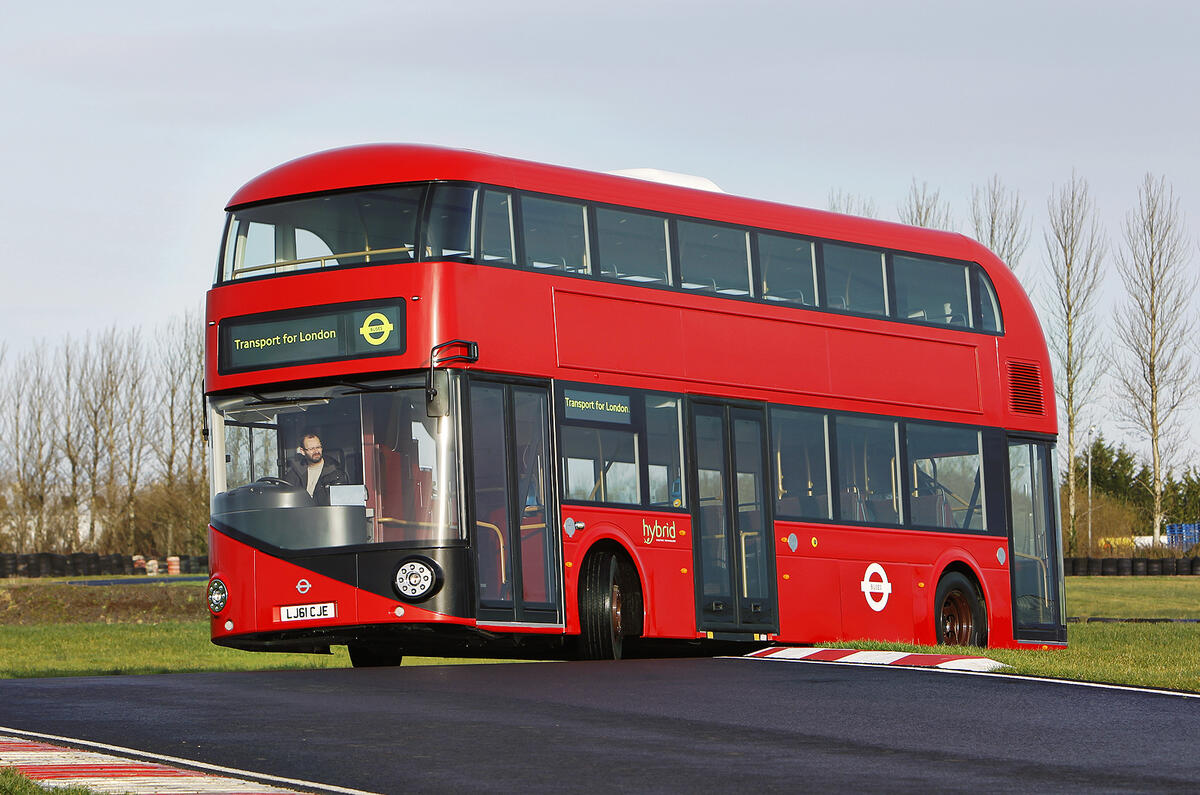
- 2010: The final design by Heatherwick Studio and Wrightbus is unveiled.
- 2012: The first New Routemasters enter service on Route 38.
- 2014: Mass production hits full stride, with hundreds of units ordered to replace aging diesel fleets.
- 2016: Sadiq Khan is elected Mayor and almost immediately announces the cancellation of further orders, citing high costs and design flaws.
- 2017-2023: The fleet undergoes various retrofits to address issues with battery life and ventilation.
- 2024: The formal phase-out begins on key routes as TfL shifts focus to pure electric vehicles (EVs).
- 2034: The projected date for the final removal of all diesel-hybrid buses from London service.
Technical Specifications and Engineering Innovations
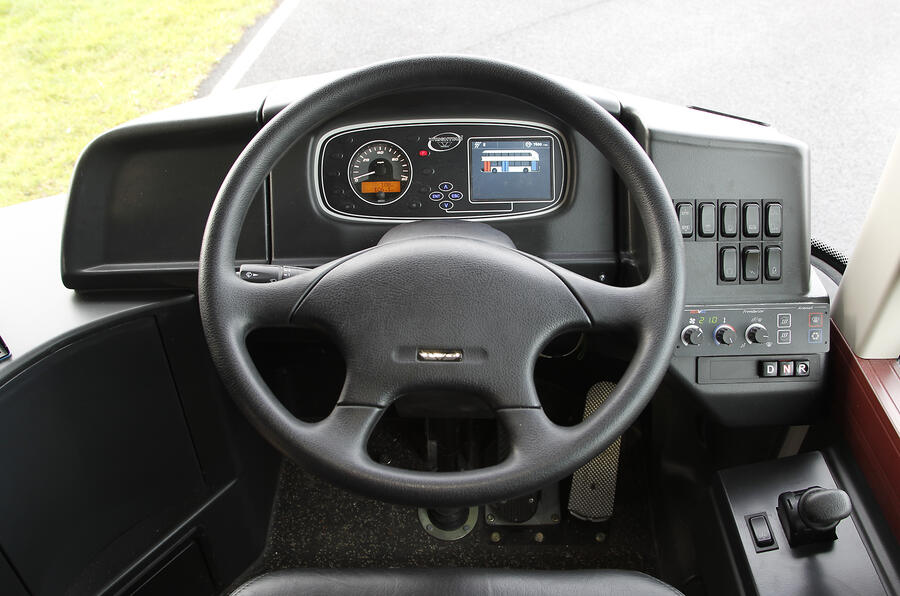
The New Routemaster was not merely a stylistic exercise; it was a sophisticated piece of engineering for its time. Unlike traditional buses, it utilized a series hybrid system.
Powertrain and Performance Data:
- Engine: 4.5-litre four-cylinder Cummins turbodiesel, acting solely as a generator.
- Electric Motor: A Siemens AC motor driving the rear axle.
- Battery: Initially a 75kWh lithium-ion pack.
- Torque: A massive 1844 lb-ft available from zero RPM.
- Weight: Approximately 17,900 kg (kerb weight).
- Efficiency: Recorded at approximately 11.6 mpg, compared to the 5.8 mpg of standard diesel double-deckers of the era.
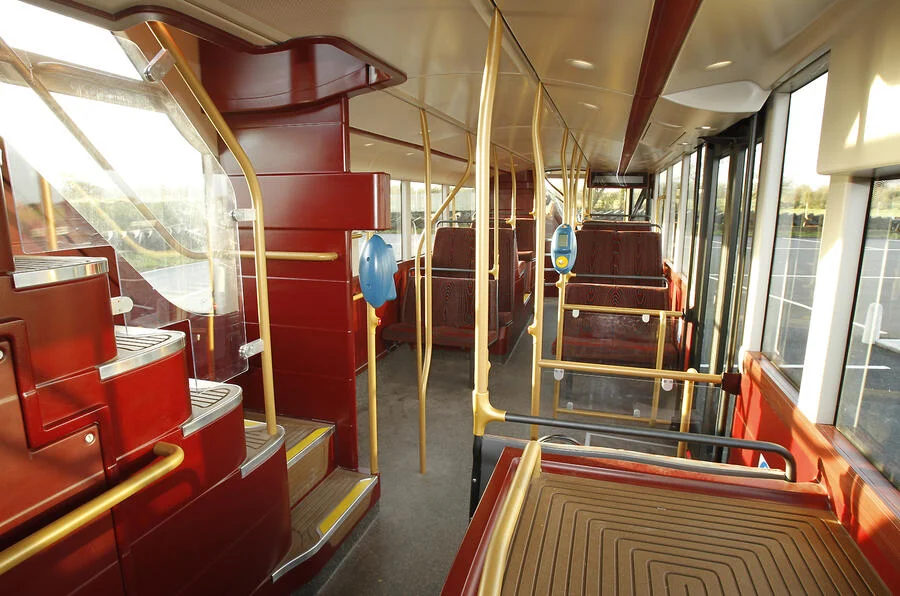
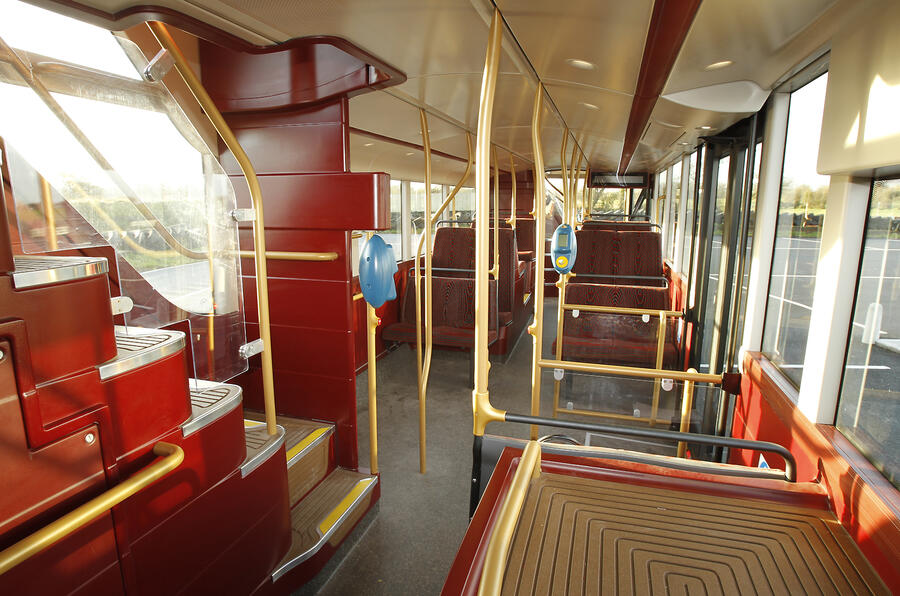
The bus featured three sets of doors and two staircases to facilitate rapid passenger loading and unloading. Its "hop-on, hop-off" rear platform was initially staffed by conductors, though this was later phased out due to the high operational costs, leading to the platform being closed while the bus was in motion for safety reasons.

Operational Challenges and Political Friction
Despite its innovative design, the New Routemaster faced significant criticism almost from its inception. One of the most notorious issues was the "sauna-like" conditions on the upper deck during summer months. The original design lacked opening windows to maintain the sleek aesthetic and optimize the air conditioning system. However, the air conditioning frequently proved inadequate for London’s humid summer days, leading to widespread passenger discomfort.
Mayor Sadiq Khan has been a vocal critic of the vehicle’s procurement and performance. He has frequently characterized the bus as an expensive "vanity project" of his predecessor. "I know there were huge challenges that the New Routemaster had in relation to windows that don’t open and air conditioning that doesn’t work," Khan told The Standard. He further emphasized the need for "value for money" and a shift away from "inefficient diesel buses" toward zero-emission alternatives.
The cost was another major point of contention. At approximately £350,000 per unit, the New Routemaster was significantly more expensive than a standard off-the-shelf double-decker. While TfL holds the intellectual property rights to the design—theoretically allowing them to earn royalties if sold to other cities—the bespoke nature of the bus meant that external demand never materialized as expected.
The Shift to a Zero-Emission Future
The retirement of the New Routemaster is inextricably linked to London’s environmental targets. The city aims to have a 100% zero-emission bus fleet by 2034, with a potential acceleration to 2030 if government funding permits.
Currently, around 30% of London’s 8,500-strong bus fleet is comprised of electric vehicles. Operators are now turning to newer, more efficient models such as the Wrightbus Electroliner and the BYD BD11. These vehicles offer simpler maintenance, lower operating costs, and, crucially, zero tailpipe emissions, aligning with the city’s Ultra Low Emission Zone (ULEZ) objectives.
While four major routes are seeing the New Routemaster removed this year, the transition will not be instantaneous. The youngest vehicles in the fleet have an expected lifespan of 14 years, meaning some Routemasters will likely remain in service until the early 2030s. However, their presence will diminish as contracts for specific routes are renewed and awarded to operators using pure-EV technology.
Impact and Legacy of the "Boris Bus"
The New Routemaster’s departure marks the end of an ambitious experiment in bespoke public transport design. It was a vehicle that attempted to marry the nostalgia of London’s past with the technology of the future. While it succeeded in restoring an iconic silhouette to the capital, its practical failings highlighted the difficulties of custom-building mass transit solutions in a rapidly evolving technological landscape.
From a design perspective, the bus was a triumph of aesthetics. The interior, with its warm LED lighting and curved ceilings reminiscent of classic aircraft cabins, offered a level of "surprise and delight" rarely found in public infrastructure. Autocar’s involvement in the early conceptual stages helped push the boundaries of what a public bus could look like, moving away from the purely utilitarian boxes that dominated the 1990s and early 2000s.
However, the legacy of the New Routemaster will also be defined by its role as a cautionary tale regarding public procurement. The high cost of maintenance, coupled with the specialized parts required for its unique chassis and hybrid system, has made it a difficult asset to manage as it ages.
Conclusion: A New Chapter for London Transport
As the first wave of New Routemasters heads toward retirement, London enters a new chapter of transit history. The focus has shifted from "iconic design" to "environmental integration." The sleek, silent electric buses now replacing the Routemaster may lack the nostalgic rear platform or the bespoke Heatherwick curves, but they represent a necessary evolution for a city grappling with air quality and climate change.
The Routemaster name remains a trademark of Transport for London, and while this specific iteration is being phased out, the spirit of the bus—as a symbol of London’s movement—will undoubtedly persist. For now, the "Boris Bus" remains a familiar sight on the streets of Westminster and the West End, but its time as the flagship of the fleet is rapidly drawing to a close. The transition to a greener, more efficient network is the new priority, ensuring that while the vehicles change, the city keeps moving toward a more sustainable future.