
Researchers from the Salk Institute for Biological Studies, in collaboration with the UNC Lineberger Comprehensive Cancer Center and UC San Diego, have unveiled groundbreaking discoveries concerning the decision-making processes of crucial immune cells, specifically CD8 "killer" T cells. This seminal research, published in the prestigious journal Nature, identifies novel genetic mechanisms that dictate whether these potent defenders develop into long-lasting immune memory cells or succumb to a state of debilitating "exhaustion." The study’s most striking revelation is that deactivating just two specific genes can remarkably restore the anti-tumor capabilities of these exhausted T cells, while simultaneously preserving their capacity for enduring immune protection.
This scientific breakthrough offers a powerful new framework for scientists to potentially engineer T cells with tailored functionalities, enabling them to maintain both robust long-term immune memory and potent cancer-fighting activity. The implications of these findings are far-reaching, promising significant advancements in the field of cancer immunotherapy and offering new avenues for combating persistent infectious diseases.
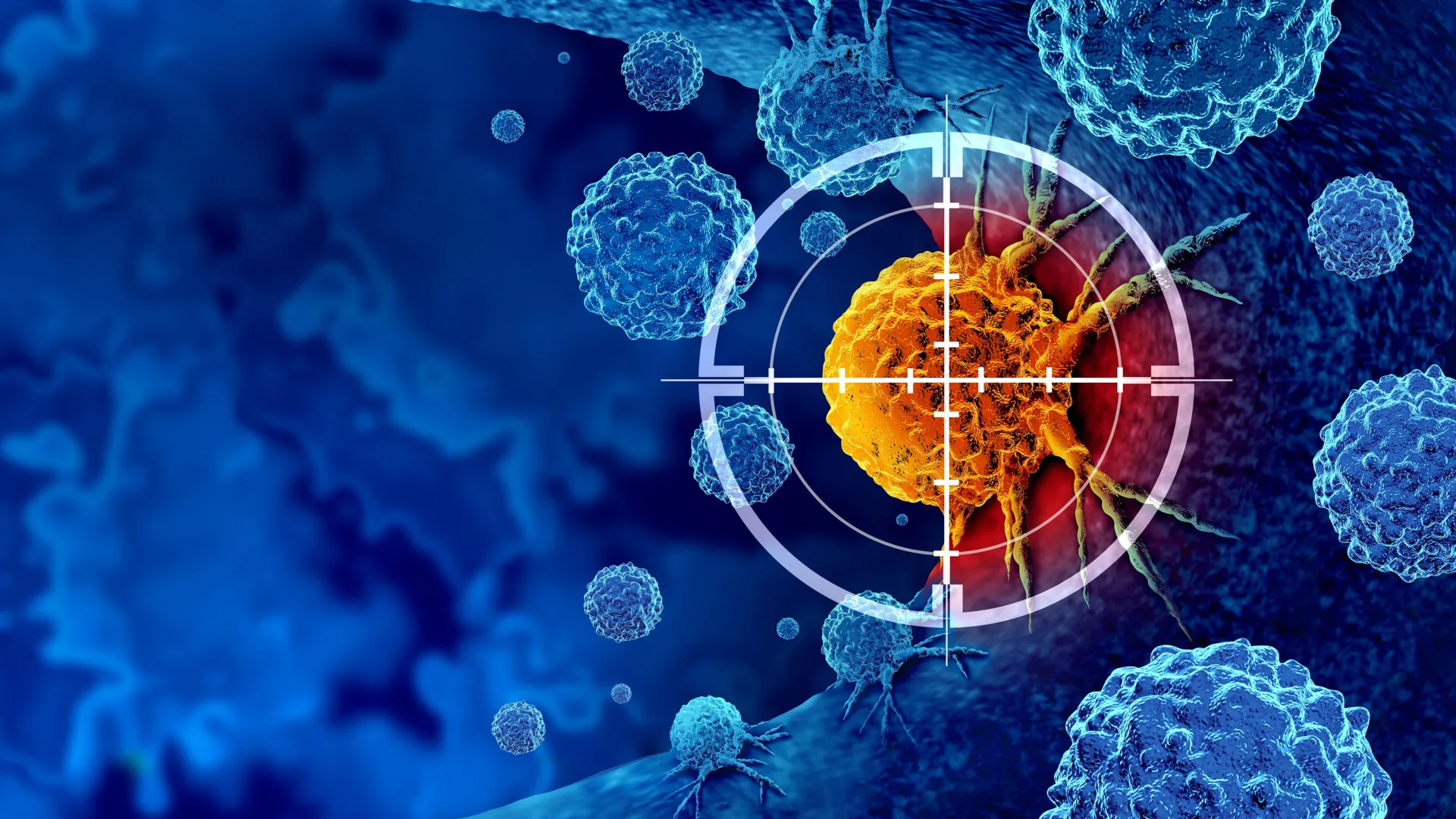
CD8 killer T cells are indispensable components of the immune system, playing a critical role in identifying and eliminating cells compromised by viral infections or cancerous mutations. However, in the face of chronic infections or persistent tumors, these vital cells can gradually diminish in effectiveness. This gradual decline leads to a state of "T cell exhaustion," a dysfunctional condition characterized by a significant reduction in their ability to clear threats.
Building a Comprehensive Genetic Atlas of T Cell States
Distinguishing between effectively protective T cells and their exhausted counterparts has historically been a significant challenge, as they often appear morphologically similar and evade detection through conventional methods. To overcome this obstacle, the research team embarked on an ambitious project to investigate whether these distinct functional states could be differentiated based on their underlying genetic activity.
A pivotal advancement in this research was the successful construction of a highly detailed genetic atlas. This atlas meticulously maps a diverse spectrum of CD8 T cell states, illustrating the intricate transitions these immune cells undergo as they move from a highly protective status to a severely impaired, exhausted condition.
"Our overarching ambition is to enhance the efficacy of immune therapies by developing precise ‘recipes’ for designing T cells," stated Dr. Susan Kaech, a professor at the Salk Institute and a co-corresponding author of the study. "To achieve this, our initial step was to identify the specific molecular components that are uniquely active in one T cell state but absent in others. By meticulously building this comprehensive atlas of CD8 T cell states, we were able to pinpoint the critical factors that define protective versus dysfunctional programs. This information is absolutely essential for the precise engineering of effective immune responses."
Reversing T Cell Exhaustion: A Paradigm Shift
To unravel the intricate control mechanisms governing these distinct immune states, the researchers meticulously examined nine different CD8 T cell conditions. This comprehensive analysis employed a sophisticated suite of advanced laboratory techniques, cutting-edge genetic tools, meticulously designed mouse models, and rigorous computational analysis. Their investigation yielded crucial insights, identifying several transcription factors – proteins that regulate gene activity – which act as molecular switches, directing T cells toward either sustained functionality or eventual exhaustion.
Among these critical regulators, the scientists identified two transcription factors, ZSCAN20 and JDP2, that had not previously been linked to the phenomenon of T cell exhaustion. The impact of these genes was profound: when they were deactivated, exhausted T cells demonstrated a remarkable recovery of their tumor-killing capabilities. Crucially, this restoration of effector function did not compromise their ability to establish and maintain long-term immune memory.
"We intentionally manipulated specific genetic switches within the T cells to ascertain whether we could reinstate their tumor-killing prowess without compromising their capacity for enduring immune protection," explained Dr. H. Kay Chung, an assistant professor at UNC Lineberger and a co-corresponding author who initiated this research at the Salk Institute before transitioning to UNC. "Our findings unequivocally demonstrated that it is indeed possible to disentangle these two critical outcomes – effector function and long-term memory."
These findings directly challenge a long-held assumption within the immunology community that T cell exhaustion is an inevitable and irreversible consequence of prolonged immune activation. This discovery opens up exciting new possibilities for therapeutic intervention.
Engineering Enhanced Immune Cells for Cancer Therapy
The meticulously crafted genetic atlas developed by the research team is poised to serve as an invaluable guide for designing more potent immune cells for a variety of therapeutic applications, including adoptive cell transfer (ACT) and CAR T cell therapy. These therapies involve collecting a patient’s T cells, genetically modifying them to target cancer cells, and then reinfusing them into the patient.
"With this comprehensive map in hand, we can now provide T cells with much clearer instructions, enabling them to retain the traits essential for long-term cancer or infection fighting, while simultaneously avoiding the pathways that lead to their burnout," Dr. Kaech elaborated. "By effectively separating these two distinct programs, we are now in a position to design immune cells that are both durable and highly effective against cancer and chronic infections."
This discovery holds particular significance for the treatment of solid tumors, a challenging area in oncology where immune exhaustion frequently impedes the success of therapeutic interventions. The ability to overcome exhaustion could dramatically improve treatment outcomes for patients with these complex cancers.
The Role of Artificial Intelligence and Future Strategies in Precision Immune Engineering
Looking ahead, the research team plans to integrate advanced experimental techniques with artificial intelligence-guided computational modeling. Their ambitious goal is to develop an even more extensive library of precise genetic "recipes" capable of programming T cells into specific, desired functional states, thereby significantly enhancing the precision and effectiveness of cellular therapies.
"The intricate nature of gene regulation, involving complex networks that are often difficult to decipher, necessitates the use of powerful computational tools to pinpoint the specific regulators that drive distinct cell states," commented Dr. Wei Wang, a professor at UC San Diego and a co-corresponding author. "This study unequivocally demonstrates our growing ability to precisely manipulate immune cell fates, unlocking novel possibilities for advancing and refining immune therapies."
By illuminating the fundamental mechanisms by which killer T cells navigate the critical choice between resilience and exhaustion, this research represents a significant leap forward. It moves scientists closer to the ultimate goal of deliberately guiding immune responses, rather than passively observing their weakening during the course of prolonged diseases.
The collaborative effort involved a multidisciplinary team of scientists from various leading institutions. Other notable authors contributing to this groundbreaking research include Eduardo Casillas, Ming Sun, Shixin Ma, Shirong Tan, Brent Chick, Victoria Tripple, Bryan McDonald, Qiyuan Yang, Timothy Chen, Siva Karthik Varanasi, Michael LaPorte, Thomas H. Mann, Dan Chen, Filipe Hoffmann, Josephine Ho, April Williams, and Diana C. Hargreaves from the Salk Institute; Cong Liu, Alexander N. Jambor, Z. Audrey Wang, Jun Wang, Zhen Wang, Jieyuan Liu, and Zhiting Hu from UC San Diego; Anamika Battu, Brandon M. Pratt, Fucong Xie, Brian P. Riesenberg, Elisa Landoni, Yanpei Li, Qidang Ye, Daniel Joo, Jarred Green, Zaid Syed, Nolan J. Brown, Matthew Smith, Jennifer Modliszewski, Yusha Liu, Ukrae H. Cho, Gianpietro Dotti, Barbara Savoldo, Jessica E. Thaxton, and J. Justin Milner from UNC; Peixiang He, Longwei Liu, and Yingxiao Wang from the University of Southern California; and Yiming Gao from Texas A&M University.
This extensive research was generously supported by grants from the National Institutes of Health (NIH) under grant numbers R37AI066232, R01AI123864, R21AI151986, R01CA240909, R01AI150282, R01HG009626, K01EB034321, R01AI177864, R01CA248359, R01CA244361, AI151123, EB029122, and GM140929, as well as support from the Damon Runyon Cancer Research Foundation. This multifaceted funding underscores the significant scientific interest and potential impact of this vital research.