


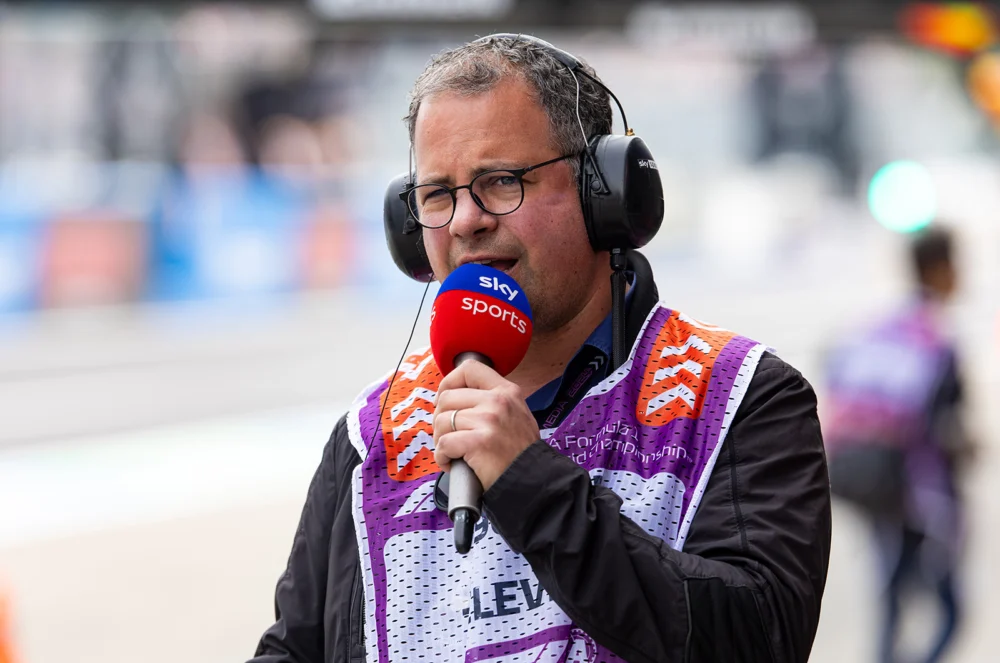
The role of the pit lane reporter in Formula 1 has undergone a significant transformation over the last decade, evolving from a purely technical support role into a central pillar of the sport’s entertainment and journalistic ecosystem. At the heart of this evolution is Ted Kravitz, a seasoned broadcaster whose presence on Sky Sports F1 has become synonymous with the intricate, high-pressure environment of the paddock. While his primary responsibility remains the delivery of real-time technical updates and strategic insights to lead commentators during live sessions, his influence now extends far beyond the duration of a Grand Prix. Through his signature "Ted’s Notebook" segment and his willingness to address the sport’s most polarizing moments, Kravitz has become a figure who not only reports on the news but occasionally finds himself at the center of it.
The Professional Framework of Modern Pit Lane Reporting
To understand the impact of Kravitz’s work, one must first look at the fundamental requirements of a modern Formula 1 broadcaster. The priority for any pit lane reporter is the dissemination of "live and useful" information. In a sport where races can be won or lost in the milliseconds of a pit stop or through a subtle change in wind direction, the reporter acts as the eyes and ears of the commentary booth. Kravitz’s role involves monitoring team radio transmissions, observing tire wear from the edge of the pit box, and interpreting the body language of engineers and team principals.
Kravitz acknowledges that this technical proficiency is the baseline by which the audience judges his performance. However, the rise of digital media and the expansion of pre- and post-race coverage have necessitated a more personality-driven approach. This is most evident in "Ted’s Notebook," a program that has become a staple for hardcore F1 fans. The show’s format—informal, handheld camera work following Kravitz as he wanders through a bustling paddock—offers a raw look at the sport as teams pack up their equipment. It provides a level of intimacy that traditional studio broadcasts cannot replicate, turning the logistical chaos of a post-race environment into a narrative backdrop.
The 2021 Abu Dhabi Controversy and the 2022 Red Bull Boycott
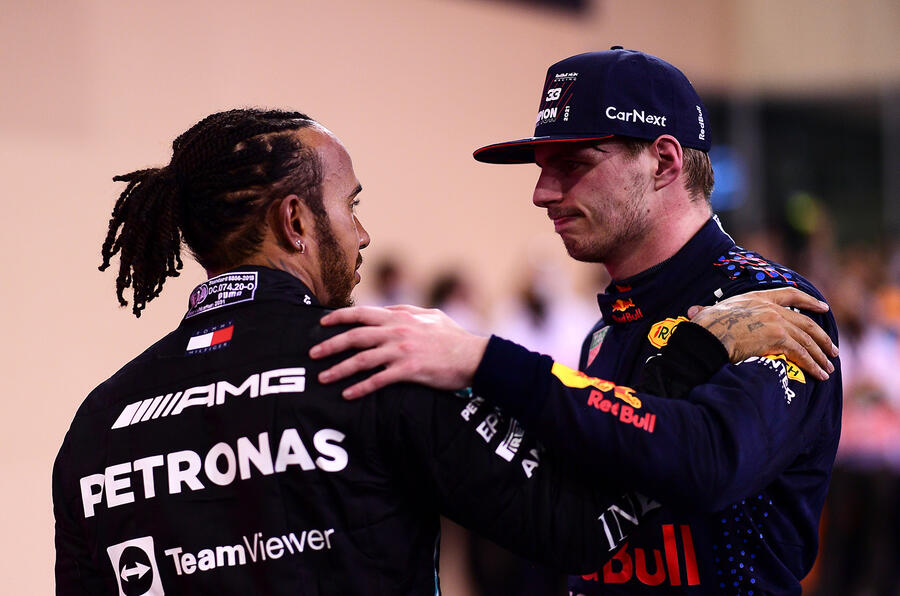
The most significant test of Kravitz’s career, and perhaps a defining moment for modern F1 journalism, occurred in the wake of the 2021 Abu Dhabi Grand Prix. The race, which saw Max Verstappen overtake Lewis Hamilton on the final lap following a controversial Safety Car restart by then-Race Director Michael Masi, remains the most debated finish in the history of the sport. Kravitz’s commentary on the event, specifically his suggestion that Hamilton had been "robbed" of a record-breaking eighth world title, eventually triggered a major confrontation between the broadcaster and one of the sport’s leading teams.
The timeline of this controversy is notable for its delayed escalation. While the comments were made in the context of summarizing the 2021 season, the repercussions did not fully manifest until the 2022 Mexican Grand Prix weekend. During this period, social media clips of Kravitz’s remarks began to circulate widely, reaching the upper echelons of the Red Bull Racing team. In response, Red Bull enacted a brief boycott of Sky Sports F1, with team principal Christian Horner and drivers Max Verstappen and Sergio Perez refusing to participate in interviews with the network.
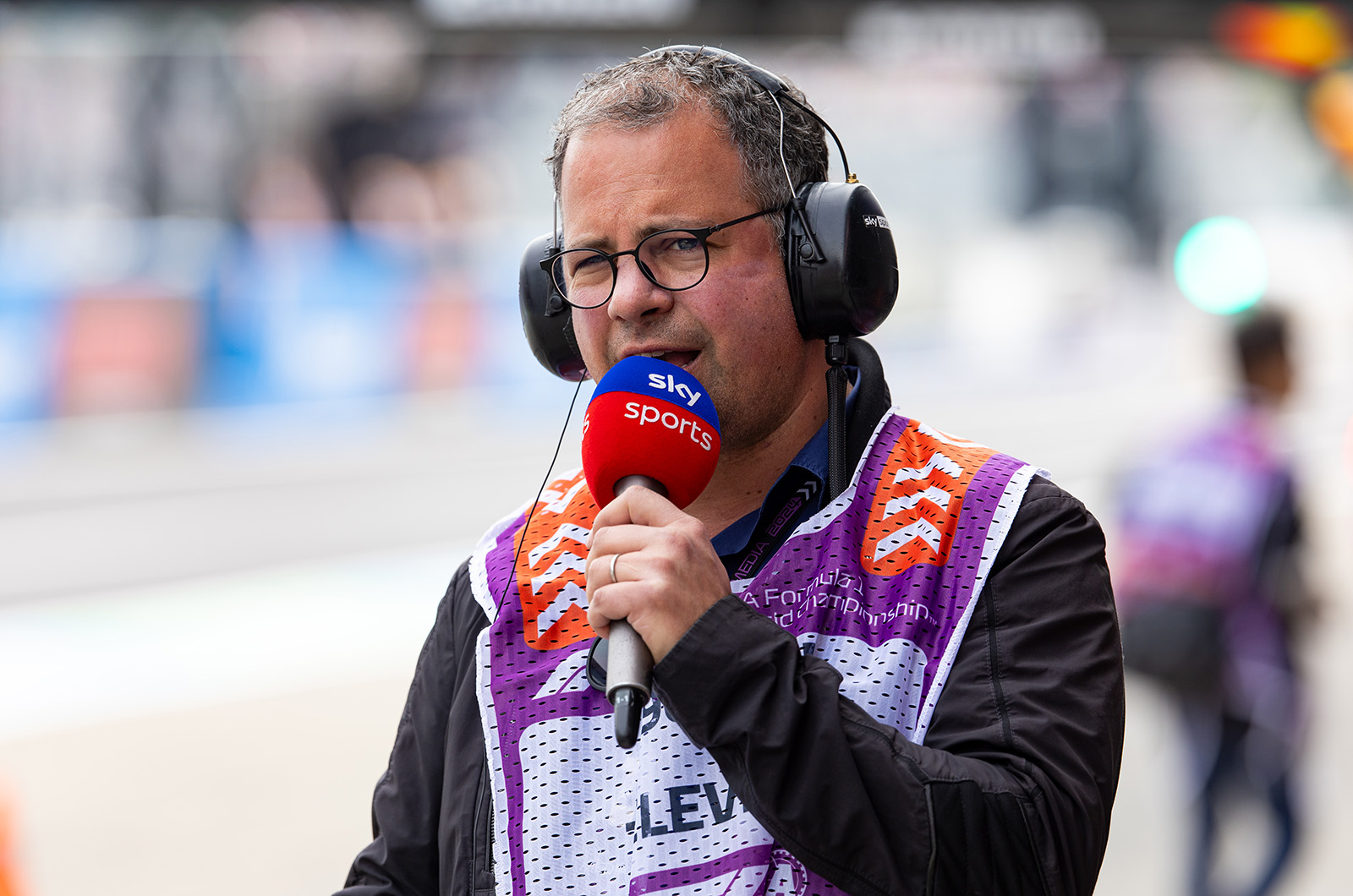
Kravitz reflects on this period as being "much less dramatic than everybody imagines" from an internal perspective, noting that Sky Sports F1 provided full backing for his reporting. He maintains that his views were not "rogue" but were reflective of a sentiment shared by a significant portion of the paddock and the global audience.
Strategic Media Manoeuvres: The Cost Cap Context
An essential layer to the 2022 boycott, which Kravitz and other analysts have noted, was the timing of the dispute. The Mexican Grand Prix coincided with the conclusion of the FIA’s investigation into the 2021 budget cap. It was confirmed that Red Bull had committed a "minor" breach of the $145 million spending limit, eventually resulting in a $7 million fine and a 10% reduction in aerodynamic testing time.
Kravitz suggests that the boycott served as a "useful distraction" for the team. By shifting the media’s focus toward a perceived grievance with a broadcaster, the team was able to pivot away from uncomfortable questioning regarding their financial breach. On the Sunday of the Mexican Grand Prix, the primary narrative surrounding Red Bull was their refusal to speak to Sky Sports, rather than the specifics of their Accepted Breach Agreement (ABA) with the FIA. This incident highlights the complex relationship between teams and the media, where access is often used as a tool for narrative control.
The Influence of the "Old Guard" and the Need for Thick Skin
The ability to navigate such controversies requires a level of professional resilience that Kravitz attributes to his predecessors. He cites legendary broadcasters Murray Walker and James Allen as his primary role models. Walker, in particular, was known for his infectious enthusiasm but also faced significant scrutiny and pressure during eras of intense sporting rivalry.
Kravitz posits that the only way to function effectively in the modern media landscape is to remain honest with the audience and "clear your mind of any kind of influence." This is increasingly difficult in an era of hyper-partisan fandom, where viewers often align themselves strictly with specific drivers or teams. The rise of social media has amplified this polarization, meaning any objective analysis that highlights a team’s failure or a driver’s error is often met with accusations of bias. Kravitz’s philosophy is that once a reporter begins to worry about "satisfying everybody," their ability to provide candid, useful information is compromised.
Data and Growth: The Expanding F1 Audience
The backdrop to Kravitz’s career is the unprecedented growth of Formula 1. Since Liberty Media acquired the sport in 2017, viewership has surged, particularly in the United States. According to Nielsen and ESPN data, the 2023 season averaged 1.11 million viewers per race in the U.S., a massive increase from the pre-2017 averages. In the United Kingdom, Sky Sports F1 continues to see robust figures, with major races often drawing over 2 million viewers.
This expanded audience includes a younger demographic that consumes content differently. Short, "clipped" segments from shows like "Ted’s Notebook" are highly shareable on platforms like X (formerly Twitter) and TikTok. While this increases a reporter’s profile, it also increases the risk of comments being taken out of context—a factor that Kravitz identified as a catalyst for the Red Bull friction. The data suggests that while traditional broadcasting remains the core, the "secondary life" of a broadcast on social media is now where the most significant reputational impacts occur.
Looking Ahead: The 2026 Technical Revolution
As Formula 1 approaches its next major technical shift in 2026, the role of the technical reporter will become even more vital. The 2026 regulations will introduce completely redesigned power units, featuring a 50/50 split between internal combustion and electric power, alongside active aerodynamics designed to improve overtaking.
Kravitz expresses excitement for this transition, viewing it as another opportunity for the sport to "reinvent itself." For a reporter, new regulations mean a level playing field in terms of knowledge; everyone must learn the intricacies of the new hardware simultaneously. This period of change often provides the most fertile ground for pit lane journalism, as teams struggle to optimize their new packages and technical failures become more frequent.
Broader Implications for F1 Journalism
The trajectory of Ted Kravitz’s career reflects the broader tensions within sports journalism today. The line between being a rights-holding broadcaster (which requires maintaining good relationships with the sport’s participants) and being an objective journalist (which requires asking difficult questions) is increasingly thin.
The Red Bull boycott of 2022 served as a reminder that teams hold significant power through the control of access. However, the eventual reconciliation between the team and Sky Sports suggests a mutual dependency. Teams need the massive reach of major broadcasters to satisfy sponsors and grow their brands, while broadcasters need the stars of the show to maintain viewership.
Kravitz’s tenure in the pit lane demonstrates that while the technology and the stakes of Formula 1 continue to escalate, the fundamental value of the "man on the ground" remains unchanged. By blending technical expertise with a willingness to address the sport’s controversies, he has carved out a space that honors the legacy of broadcasters like Murray Walker while adapting to the aggressive, fast-paced demands of the digital age. As the sport moves toward 2026, the importance of independent, clear-eyed reporting in the pit lane will only continue to grow, ensuring that the audience receives a perspective that is as unfiltered as the sport allows.