
Renault has officially unveiled the next phase of its corporate transformation, announcing a comprehensive product offensive that will see the introduction of 12 new models in Europe over the next four years. This strategic pivot, dubbed the "Futuready" strategy, represents a significant escalation of the brand’s efforts to capture the more profitable medium and large vehicle segments while maintaining its leadership in the transition to electric mobility. Central to this roadmap is a shift toward the C- and D-segments, which Renault identifies as the primary drivers for achieving its ambitious global sales target of two million units annually, with half of that volume projected to come from the European market.
The French automaker’s latest announcement builds upon the foundations laid by the "Renaulution" plan introduced in 2021 by CEO Luca de Meo. While the initial stages of that plan focused on revitalizing the brand’s heritage through compact A- and B-segment icons like the electric Renault 5, Renault 4, and the upcoming Twingo, the Futuready strategy signals a "second wave" of product development. This new wave is designed to balance the brand’s portfolio with larger, high-margin vehicles that leverage cutting-edge software and hardware architectures.
The Three Levers of Growth
To achieve its mid-term objectives, Renault has outlined three specific "growth levers" that will guide its operations through the end of the decade. The first lever focuses on strengthening the brand’s position within its home market of Europe. By moving upmarket into the C-segment (mid-sized) and D-segment (large), Renault aims to improve its price-per-unit realization and compete more effectively against premium and semi-premium rivals.
The second lever involves a massive expansion of electrification efforts. This includes a dual-track approach featuring both high-efficiency hybrid powertrains and a new generation of battery electric vehicles (BEVs). Renault is also prioritizing the commercial sector with a new range of electric vans built on a sophisticated software-defined architecture (SDV). This software-first approach is intended to allow for over-the-air updates, improved fleet management, and reduced total cost of ownership for commercial operators.
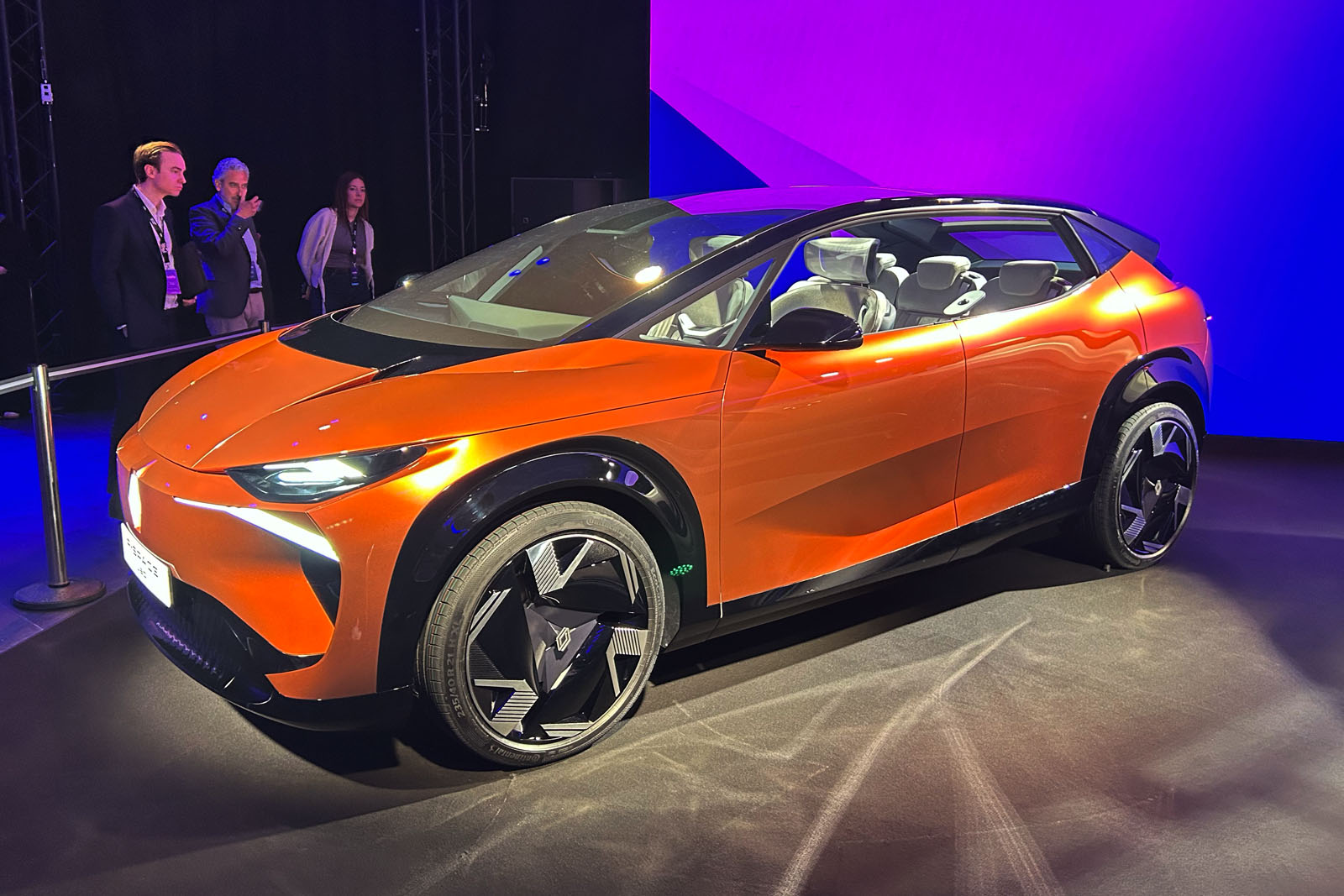
The third lever addresses Renault’s presence outside of Europe. The company plans to launch 14 new models in international markets, including a production version of the recently showcased B-segment Bridger SUV concept. This global expansion is aimed at reducing the brand’s reliance on the European economy and tapping into high-growth regions such as Latin America, Turkey, India, and South Korea.
A Strategic Shift to C and D Segments
Historically, Renault has been a dominant force in the compact car market, with models like the Clio and Megane defining its success. However, the modern automotive landscape demands a greater presence in the larger segments to offset the high costs associated with electrification and R&D. The 12 new European models planned for the coming years will be core to this transition.
By targeting the C- and D-segments, Renault is entering a space traditionally dominated by German manufacturers and increasingly aggressive Chinese newcomers. The brand’s leadership believes that by offering "value-creating innovations"—such as advanced infotainment and superior efficiency—while simultaneously "improving affordability," they can carve out a unique niche. This strategy is particularly relevant as European consumers seek larger, family-oriented vehicles that do not compromise on environmental sustainability.
The RGEV Medium 2.0 Platform: A Technical Deep Dive
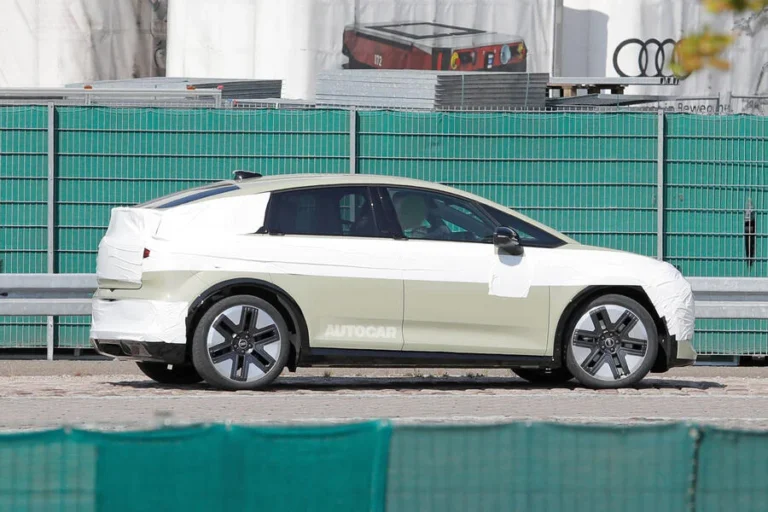
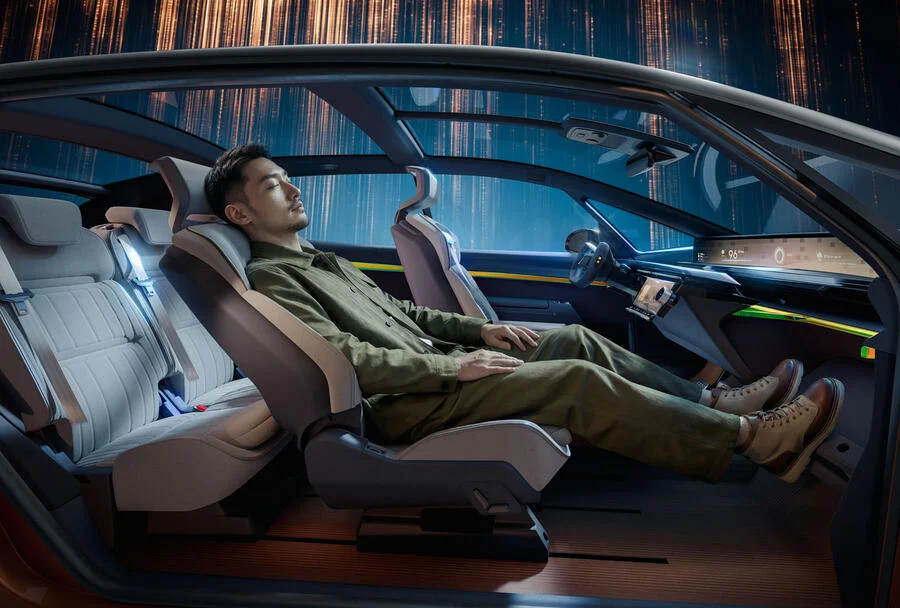
The cornerstone of Renault’s future electric lineup is the new RGEV Medium 2.0 platform. Developed with a specific focus on the requirements of European drivers, this architecture is designed to be highly versatile, accommodating everything from "B+" segment crossovers to large D-segment executive cars and SUVs.
One of the most significant technical advancements of the RGEV Medium 2.0 platform is the integration of an 800V electrical architecture. This high-voltage system is currently found primarily in high-end luxury EVs and allows for ultra-fast charging speeds, significantly reducing the downtime required during long-distance travel. Renault claims that this platform will support three distinct powertrain configurations to meet diverse consumer needs:
- Full Electric (BEV): A 100% electric configuration capable of delivering a range of up to 466 miles (750 km) on a single charge. This puts Renault’s future offerings at the top of their class for range, addressing one of the primary concerns of potential EV buyers.
- All-Wheel Drive (AWD): An electric variant designed for performance and utility, offering all-wheel-drive capabilities and a towing capacity of up to two tonnes. This configuration is specifically aimed at the SUV and crossover market, where utility is a key selling point.
- Range Extender: Perhaps the most versatile option is a configuration that pairs a battery-electric drive system with a small internal combustion engine acting as a generator. This setup provides a total combined range of up to 870 miles (1,400 km), offering a solution for drivers in regions with less developed charging infrastructures or those who frequently travel extreme distances.
Safety and Artificial Intelligence
In addition to hardware innovations, Renault is leveraging artificial intelligence to enhance vehicle safety and the user experience. The Futuready strategy includes the introduction of a "safety coach," an AI-powered onboard assistant designed to monitor driving habits and provide real-time feedback to prevent accidents. This system goes beyond traditional driver-assistance features by using predictive analytics to identify potentially dangerous situations before they occur.
Furthermore, Renault is pioneering new hardware-based safety solutions, such as a touch-based alcohol detector integrated into the vehicle’s interface. This technology is intended to prevent the vehicle from starting if the driver is over the legal limit, reflecting a broader industry trend toward "Vision Zero"—the goal of eliminating all traffic fatalities.
Chronology of the Renault Transformation
The transition to the Futuready strategy is the result of a multi-year restructuring process. To understand the current trajectory, it is essential to look at the timeline of Renault’s recent evolution:
- January 2021: CEO Luca de Meo announces the "Renaulution" plan, shifting the company’s focus from volume (number of cars sold) to value (profitability per unit).
- 2022-2023: Launch of the Megane E-Tech and Austral, marking the brand’s first serious foray into modern C-segment electrification.
- Early 2024: Introduction of the Renault 5 E-Tech, signaling the revival of iconic nameplates to drive consumer interest in the B-segment.
- Late 2024: Announcement of the "Futuready" strategy, shifting the focus toward the "second wave" of larger vehicles and the RGEV Medium 2.0 platform.
- 2025-2028: Planned rollout of the 12 new European models and the 14 international models, including the production Bridger SUV.
Industry Implications and Market Analysis
Renault’s decision to double down on the C- and D-segments is a calculated risk. While these segments offer higher profit margins, they are also the most competitive. The success of this strategy will depend heavily on Renault’s ability to deliver the RGEV platform’s promised range and charging speeds at a price point that remains accessible to the middle class.
Market analysts suggest that the inclusion of a range-extender option is a pragmatic move. As the initial "early adopter" surge for pure EVs begins to stabilize, many mainstream consumers remain hesitant due to "range anxiety." By offering a vehicle capable of 870 miles of total range, Renault is positioning itself as a bridge for consumers who are not yet ready to go fully electric but want the benefits of an electric drivetrain.
The emphasis on software-defined vehicles (SDVs) also places Renault in direct competition with tech-focused manufacturers. By developing its own architecture, Renault aims to retain control over the lucrative after-sales software market, including feature-on-demand subscriptions and data-driven services.
Official Stance and Environmental Commitments
While official statements from Renault leadership emphasize growth and profitability, the company remains steadfast in its commitment to the European Green Deal. The brand insists that full-electric vehicles will "remain at the very heart" of its future, even as it continues to offer hybrid and range-extender options to facilitate the transition.
The Futuready strategy is also seen as a defensive measure against the influx of Chinese electric vehicles into Europe. By focusing on "European-developed" platforms and localized production, Renault is leaning into its heritage and regional expertise to maintain its market share. The company’s goal of reaching carbon neutrality in Europe by 2040 and globally by 2050 remains the overarching objective behind every new model launch.
As the automotive industry continues to face volatility—ranging from supply chain disruptions to shifting regulatory landscapes—Renault’s Futuready strategy represents a comprehensive attempt to future-proof one of Europe’s most storied automotive brands. With a clear focus on larger vehicles, advanced charging technology, and AI-driven safety, the French firm is positioning itself not just to survive the electric transition, but to lead it.