

Prime Minister Keir Starmer has confirmed that the government will review its planned increase in fuel duty following a sharp rise in global oil prices and domestic pump costs. The surge, largely attributed to the escalating geopolitical conflict involving Iran, has prompted urgent calls from motoring groups, businesses, and opposition lawmakers to abandon the scheduled removal of the 5p fuel duty freeze. Speaking during a session of Prime Minister’s Questions, Starmer acknowledged the growing pressure on households and businesses, stating that the Treasury is now assessing the feasibility of the planned September hike in light of the volatile energy market.
The controversy centers on a decision announced by Chancellor Rachel Reeves in her November budget last year, which outlined a phased removal of the temporary 5p-per-litre reduction in fuel duty. This reduction was originally implemented in 2022 as an emergency measure to mitigate the impact of the war in Ukraine. However, as crude oil exports from Iran face significant disruptions due to the ongoing regional conflict, the cost of a barrel of oil has climbed from $55 at the start of the year to approximately $90, forcing a rapid correction in the government’s fiscal roadmap.
Geopolitical Instability and the Global Oil Market
The primary driver behind the sudden spike in fuel prices is the heightened tension in the Middle East, specifically the conflict involving Iran. Iran is one of the world’s major oil producers and sits adjacent to the Strait of Hormuz, a critical chokepoint through which approximately one-fifth of the world’s total oil consumption passes. The limitation of crude exports from the region has created a "war premium" on global oil prices, leading to a swift increase in the cost of Brent Crude.
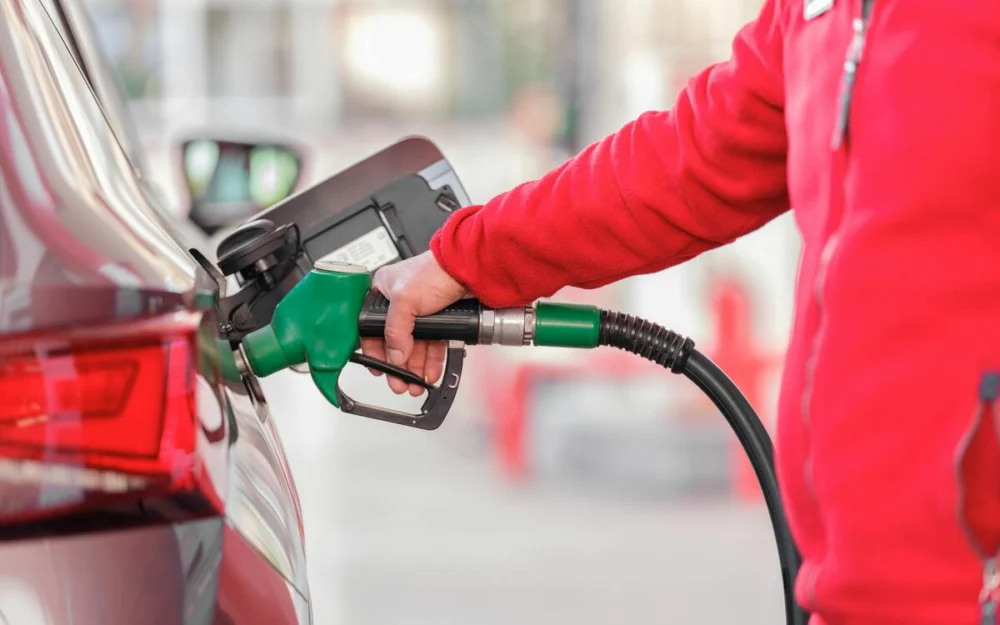
At the beginning of the year, oil was trading at a relatively stable $55 per barrel, providing a buffer for the UK government’s planned tax adjustments. However, the current trading price of $90 per barrel represents a nearly 64% increase in just a few months. This volatility has directly translated to the UK’s forecourts, where the average price of petrol rose by 6p per litre in the last week alone, while diesel saw a 12p increase. According to data from the RAC, diesel prices have reached their highest point in nearly two years, placing an immediate strain on the logistics and transport sectors.
Prime Minister Starmer noted that the government is working with international allies to address the root causes of the supply disruption. "We are working across all departments and with allies to deal with the impact of the conflict in Iran," Starmer told the House of Commons. He emphasized that while a review is underway, the most effective long-term solution to rising pump prices is the "de-escalation" of the conflict, suggesting that a total U-turn on the duty hike is not yet a certainty.
A Chronology of the Fuel Duty Freeze
To understand the current dilemma, it is necessary to examine the history of fuel duty in the United Kingdom. For over a decade, the levy has been a point of significant political sensitivity.
- 2011–2022: The Long Freeze. Under successive Conservative governments, fuel duty was frozen at 57.95p per litre to support motorists during a period of sluggish economic growth. This freeze became a staple of annual budgets, despite criticism from environmental groups.
- March 2022: The Emergency Cut. Following the Russian invasion of Ukraine, global energy prices skyrocketed. In response, then-Chancellor Rishi Sunak introduced a temporary 5p-per-litre cut, bringing the rate down to 52.95p. This was intended to be a 12-month measure but was subsequently extended.
- November 2024: The Reeves Budget. Chancellor Rachel Reeves announced that the 5p freeze would be removed starting in September 2025. The plan involved a three-stage uprating of the levy in line with the Retail Price Index (RPI), eventually returning the duty to at least 57.95p per litre.
- Early 2025: Market Volatility. The outbreak of conflict in Iran and the subsequent rise in oil prices to $90 per barrel created a "perfect storm," making the planned September hike politically and economically difficult to justify.
Economic Implications and the OBR Forecast
The Treasury’s hesitation to abandon the hike stems from the significant revenue the duty generates. The Office for Budget Responsibility (OBR) has highlighted that fuel duty is a vital component of the UK’s fiscal framework. According to OBR forecasts, the removal of the freeze and the subsequent uprating would raise an additional £0.2 billion (a 1% increase) in the 2026-27 financial year, with revenues peaking at a projected £26 billion by 2028-29.
However, the OBR also warns of a looming "fiscal risk" associated with the transition to electric vehicles (EVs). Currently, fuel duty contributes approximately 0.7% of the UK’s Gross Domestic Product (GDP). As the nation moves toward its Net Zero targets, the OBR predicts this share will collapse to just 0.1% of GDP by 2050-51. At that point, more than 90% of vehicles on British roads are expected to be fully electric, effectively zeroing out traditional fuel duty revenue.
This creates a structural deficit that the government is eager to address. Without the planned increases, the Treasury faces a widening gap in its budget, which may eventually necessitate the introduction of alternative taxation models, such as pay-per-mile road pricing. The current government is caught between the immediate need to provide cost-of-living relief and the long-term necessity of stabilizing the national finances.
Stakeholder Reactions and Industry Pressure
The prospect of a fuel duty hike during a period of record-high pump prices has drawn sharp criticism from various sectors. Motoring organizations such as the RAC and the AA have been vocal in their opposition, arguing that the government must prioritize the financial stability of households.
The RAC’s head of policy stated, "The sudden jump in diesel prices is a hammer blow to businesses that rely on transport. Adding a 5p tax hike on top of a 12p market increase would be unsustainable for many small firms and would inevitably drive up inflation as transport costs are passed on to consumers."
The Road Haulage Association (RHA) has also weighed in, noting that the logistics industry operates on razor-thin margins. A spokesperson for the RHA remarked, "Fuel represents roughly a third of the operating costs for a heavy goods vehicle. If the government proceeds with the September hike while global prices are at $90 a barrel, we risk a wave of insolvencies in the haulage sector, which would further disrupt supply chains already strained by international conflict."
Politically, the opposition has seized on the issue, accusing the Starmer administration of being out of touch with the realities of the "squeezed middle." Shadow ministers have called for a definitive guarantee that the 5p cut will remain in place until global markets stabilize.
Broader Impact and the Path Forward
The decision facing Keir Starmer and Rachel Reeves is emblematic of the broader challenges facing the UK economy: balancing geopolitical shocks with domestic fiscal policy. If the government decides to maintain the freeze, it will need to find billions of pounds in savings elsewhere to cover the shortfall identified by the OBR. Conversely, if it proceeds with the hike, it risks stifling economic recovery and fueling inflation.
The "three-stage" plan for uprating the levy was designed to be a gradual transition, but the speed of the current price surge has bypassed the government’s ability to move slowly. The Retail Price Index (RPI) uprating, which would see the duty rise beyond 57.95p, is particularly contentious given that RPI remains higher than the government’s inflation targets.
Furthermore, the government’s focus on de-escalation in Iran highlights the interconnectedness of UK domestic policy and global diplomacy. As long as the conflict continues to threaten oil production and maritime security in the Middle East, the UK government will remain in a defensive posture regarding energy costs.
In the coming weeks, the Treasury is expected to present the findings of its review. Analysts suggest that a compromise may be reached, such as delaying the September hike by six months or introducing a "trigger" mechanism where the duty is automatically reduced if crude oil prices exceed a certain threshold. However, with the OBR’s warnings about the long-term decline of fuel duty revenue looming, any short-term relief for motorists will likely be weighed against the need to fund the public services of the future.
As the nation watches the forecourt displays with anxiety, the Starmer administration faces one of its most significant tests of economic pragmatism. The outcome of the fuel duty review will not only affect the wallets of millions of drivers but will also signal the government’s broader strategy for navigating a world defined by increasing geopolitical and economic volatility.