


In a decision that has ignited fierce debate and drawn immediate condemnation from human rights organizations, Israel’s most senior military lawyer has announced the dropping of all charges against five soldiers previously accused of sexually abusing a Palestinian detainee from Gaza. The incident, alleged to have occurred at the Sde Teiman military base, a detention facility established in the wake of the October 7, 2023, Hamas attacks, had become a focal point for international scrutiny regarding the treatment of Palestinian prisoners. The Israeli military cited "exceptional circumstances" and challenges to ensuring a fair trial as primary reasons for the unexpected withdrawal of indictments, a move that has been praised by Prime Minister Benjamin Netanyahu but decried as a "whitewash" by critics.
The Allegations: A Grim Account from Sde Teiman
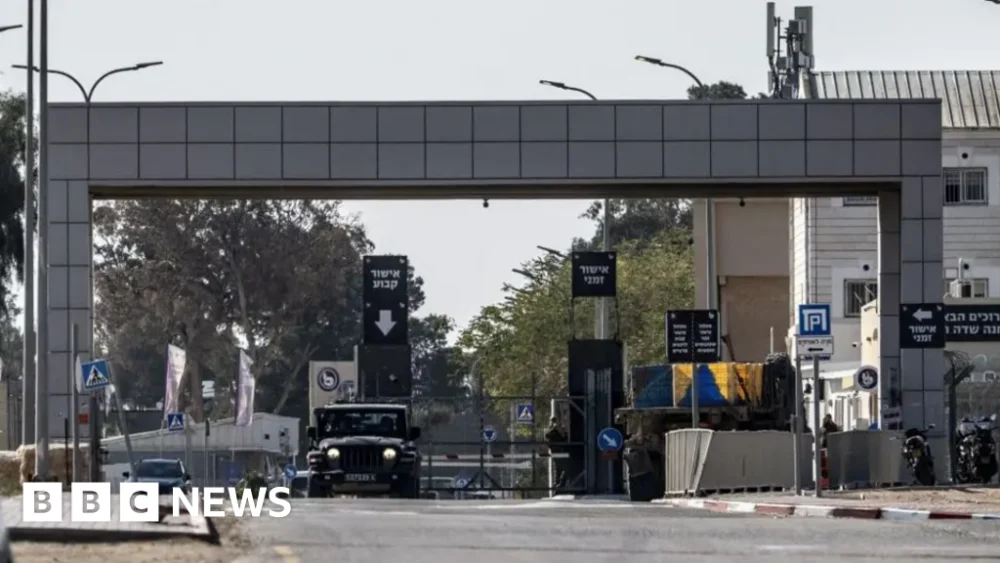
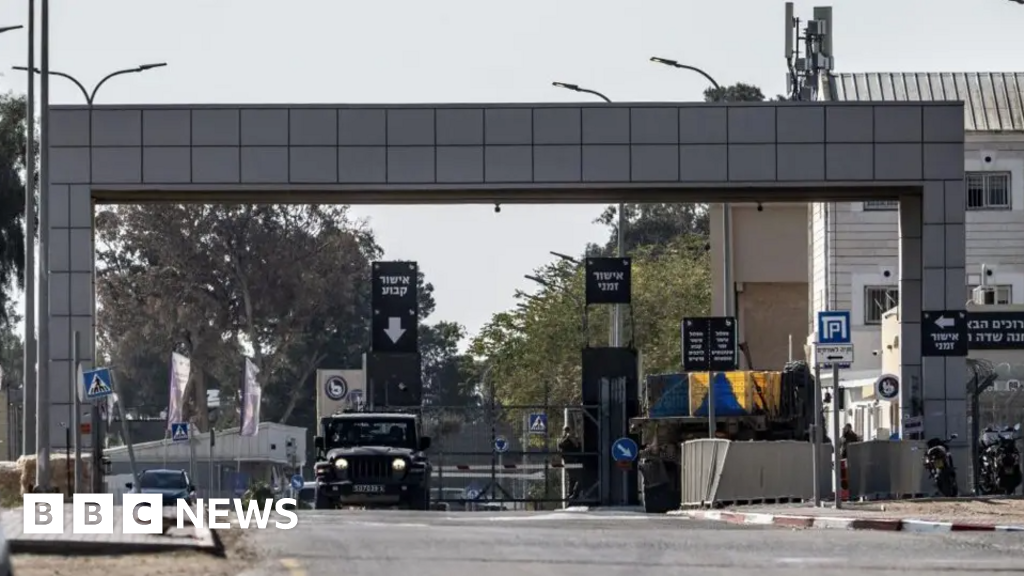
The initial accusations, which emerged in the Israeli media in August 2024, painted a disturbing picture of events at the Sde Teiman detention facility in southern Israel. This base, rapidly repurposed into a holding center for Palestinians detained during the ongoing conflict in Gaza, has been the subject of numerous reports detailing harsh conditions and alleged abuses. According to the military’s own statement at the time of the initial charges, five guards were accused of "acting against the detainee with severe violence." The detailed allegations included the soldiers "stabbing the detainee’s bottom with a sharp object, which had penetrated near the detainee’s rectum." The victim reportedly suffered severe injuries, including "cracked ribs, a punctured lung, and an inner rectal tear," indicating a brutal and systematic assault rather than an isolated act of aggression.
The gravity of these charges, which pointed towards sexual violence and severe physical abuse, sent shockwaves through both Israeli society and the international human rights community. Such allegations, particularly involving sexual abuse, are considered among the most egregious violations of international humanitarian law and human rights conventions, including the Fourth Geneva Convention and the Convention Against Torture. The case immediately highlighted concerns about oversight and accountability within military detention facilities operating under wartime conditions, where external scrutiny can be limited, and the potential for abuse heightened.
Chronology of a Controversial Case
The timeline of this case is marked by several significant and often contentious developments, underscoring the political and legal complexities inherent in prosecuting such allegations within a highly charged environment.
- October 7, 2023: Hamas-led attacks on southern Israel trigger a large-scale Israeli military operation in Gaza. Concurrently, a significant number of Palestinians are detained, leading to the establishment and expansion of temporary detention facilities, including the Sde Teiman military base. Reports from human rights groups indicate a dramatic increase in detentions and a deterioration of conditions in Israeli prisons and detention centers post-October 7.
- Early 2024 (Approximate): The alleged abuse incident involving the Palestinian detainee occurs at Sde Teiman. The exact date remains undisclosed, but the subsequent investigation and leaks suggest it took place within the initial months of the facility’s operation.
- August 2024: An Israeli television channel broadcasts leaked CCTV video footage that purportedly shows guards at Sde Teiman abusing a detainee. The footage, described as showing a group of guards pushing the detainee against a wall before shielding him from view with riot shields, becomes a critical piece of evidence and fuels public outrage.
- Shortly after August 2024: Following the leak and an internal investigation, five guards are formally accused and indicted on charges related to the severe violence, including sexual abuse, against the Palestinian detainee. The charges detail the specific injuries sustained by the victim.
- Post-Indictment Period: It is revealed that the CCTV video was leaked by the then-Israeli Military Advocate General (MAG), Maj Gen Yifat Tomer-Yerushalmi. This unprecedented act leads to her resignation and subsequent arrest. In her resignation letter, Tomer-Yerushalmi explains her motive as an attempt to "counter false propaganda against the army’s law enforcement authorities," referring to claims from some right-wing politicians who dismissed the allegations as fabricated or exaggerated. Her actions, while perhaps driven by a desire for transparency, created significant legal and ethical complications for the prosecution.
- Appointment of New MAG: Maj Gen Itai Ofir is appointed as the new Military Advocate General, stepping into a role fraught with the controversy generated by his predecessor’s actions.
- October [2024, implied]: The Palestinian detainee who was the alleged victim in the case is released and allowed to return to Gaza. This development is later cited as a contributing factor to the prosecution’s difficulties.
- Thursday [Late 2024/Early 2025, implied]: Maj Gen Itai Ofir announces the dropping of all charges against the five guards, citing "significant developments" and "exceptional circumstances."
The Role of Leaked Evidence and Internal Strife
The decision to drop the charges is inextricably linked to the extraordinary circumstances surrounding the leakage of the CCTV footage. Maj Gen Yifat Tomer-Yerushalmi’s act of leaking the video, a move she claimed was to combat "false propaganda" from right-wing elements who sought to dismiss the abuse allegations, introduced a profound challenge to the legal process. While her intent may have been to ensure accountability and transparency, her actions, as a senior legal officer, were deemed to have compromised the integrity of the prosecution.
The military’s statement explicitly mentioned "extremely exceptional and unprecedented circumstances due to conduct by certain senior officials in the Military Advocate General’s Corps" as a reason for dropping the charges. This refers directly to Tomer-Yerushalmi’s actions. Leaking evidence, even with noble intentions, can be seen as an obstruction of justice, a breach of protocol, and can potentially taint the evidence in court, making it inadmissible or undermining its credibility. Defense lawyers could argue that the leak prejudiced the public and the court against their clients, thus denying them a fair trial. The legal system, even military courts, places a high premium on due process and the proper handling of evidence. Tomer-Yerushalmi’s resignation and arrest underscore the severity with which her actions were viewed internally.
Furthermore, the "difficulty in transferring investigative material from the police" and the "complexity of the evidence" were also cited. These issues, combined with the detainee’s release and return to Gaza in October, likely compounded the challenges for the prosecution. The absence of the primary witness, coupled with potential issues around chain of custody for evidence and the legality of how it was obtained and disseminated, created a formidable hurdle for the military prosecution to overcome, ultimately leading to the decision that a successful conviction was unlikely while adhering to fair trial standards for the defendants.
Official Justification and Political Endorsement
In announcing the withdrawal of indictments, the Israel Defense Forces (IDF) provided a multi-faceted justification. Beyond the "exceptional circumstances" relating to the former MAG’s conduct, the IDF cited:
- Complexity of the evidence: Suggesting inherent difficulties in presenting a clear and undeniable case.
- Preserving the right to a fair trial: Acknowledging that the circumstances might have prejudiced the defendants.
- Difficulty in transferring investigative material from the police: Implying coordination or procedural issues between military and civilian investigative bodies.
- Release of the detainee: The alleged victim’s return to Gaza potentially complicated his testimony or participation in further legal proceedings.
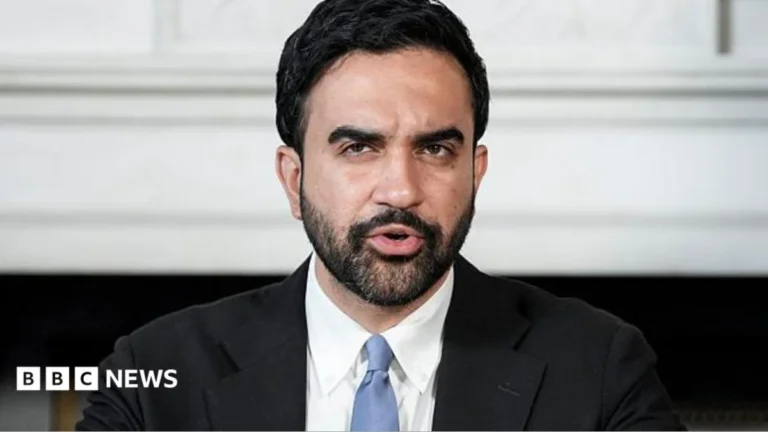
The new Military Advocate General, Maj Gen Itai Ofir, framed the decision as a necessary step to uphold the principles of justice and fair trial, even in the face of serious allegations. He emphasized that the Chief of the General Staff, Lt Gen Eyal Zamir, had instructed IDF personnel to "draw lessons and to take all the requested steps to prevent similar cases," implying that while the prosecution was dropped, the underlying issues regarding detainee treatment were not being ignored.
Prime Minister Benjamin Netanyahu swiftly endorsed the decision, hailing it as the end of what he controversially termed a "blood libel." His statement, "The State of Israel must hunt down its enemies – not its heroic fighters," reflects a strong political stance aimed at bolstering military morale and defending soldiers, particularly in the context of an ongoing and intensely scrutinized conflict. This perspective resonates with a segment of the Israeli public that views soldiers as defenders of the nation and often resists any perception of them being unfairly targeted or prosecuted. Netanyahu’s use of the term "blood libel," historically associated with antisemitic accusations, underscores the highly charged political climate surrounding the case and his determination to frame the soldiers as victims of unjust accusations rather than perpetrators of abuse.
Widespread Condemnation from Human Rights Advocates
The decision to drop the charges was met with immediate and unequivocal condemnation from human rights organizations, both within Israel and internationally. Sari Bashi, executive director of the Public Committee Against Torture in Israel (PCATI), a leading non-governmental organization dedicated to combating torture, issued a scathing critique. She stated that "Israel’s military advocate general just gave his soldiers license to rape – so long as the victim is Palestinian." This powerful accusation highlights the fear that the decision sends a dangerous message of impunity, particularly concerning alleged abuses against Palestinians. Bashi further elaborated that the decision was "the latest in a long line of actions that whitewash abuses against detainees whose frequency and severity have worsened" since October 7, 2023. Her remarks echo long-standing concerns voiced by PCATI and other groups about systemic issues in Israel’s detention system.
The United Nations Committee against Torture had already expressed deep concern in November 2023 about reports indicating "a de facto state policy of organised and widespread torture and ill treatment" of Palestinian detainees in Israeli jails. The committee specifically noted that these allegations had "gravely intensified" after October 7, 2023, coinciding with the massive increase in detentions. These international bodies view the dropping of charges in such a high-profile case as a significant setback for accountability and a potential green light for continued abuses. Organizations like Amnesty International and Human Rights Watch have also consistently documented alleged ill-treatment and torture of Palestinian detainees, often pointing to a lack of effective investigations and prosecutions. The perceived failure to hold soldiers accountable for serious charges like sexual abuse further erodes trust in Israel’s military justice system and its commitment to international legal obligations.
Broader Context: Detentions in Wartime
The context of mass detentions following the October 7 attacks is crucial to understanding the broader implications of this case. Since the start of the war in Gaza, thousands of Palestinians have been detained, many under administrative detention orders which allow for detention without charge or trial. Human rights groups report that many of these detainees are held in overcrowded facilities, often without proper legal representation or access to family visits. Testimonies from released detainees and reports from legal aid organizations frequently detail allegations of physical violence, psychological abuse, and humiliating treatment during arrest, interrogation, and detention.
Sde Teiman, along with other temporary detention centers, was established to cope with the influx of detainees. Reports from various sources, including leaked internal documents and testimonies, have described conditions at Sde Teiman as extremely harsh, with detainees reportedly blindfolded, shackled, and subjected to various forms of ill-treatment. Medical care has also been a significant concern, with allegations of inadequate provision for serious injuries or chronic conditions. These reports create a backdrop against which the current case of alleged sexual abuse gains further significance, suggesting it might not be an isolated incident but rather indicative of broader systemic issues in managing wartime detentions.
International Legal Framework and Israeli Obligations
Under international humanitarian law, particularly the Fourth Geneva Convention, individuals detained in an armed conflict, including protected persons, must be treated humanely. This explicitly prohibits torture, cruel, inhuman, or degrading treatment, and outrages upon personal dignity, including humiliating and degrading treatment. The Convention Against Torture, to which Israel is a signatory, obliges states to prevent torture, investigate allegations of torture, and prosecute those responsible.
Israel’s government has consistently rejected accusations of widespread ill-treatment and torture of detainees, insisting that it is fully committed to international legal standards and that any individual complaints are investigated. However, the consistent flow of allegations from human rights organizations, coupled with the UN Committee against Torture’s concerns and the outcome of the Sde Teiman case, raises serious questions about the effectiveness of these internal mechanisms and the actual enforcement of international norms. The gap between official statements of commitment and the reality experienced by detainees, as reported by NGOs, remains a significant point of contention.
Implications for Accountability and International Standing
The decision to drop charges against the five soldiers carries substantial implications for accountability, both domestically and on the international stage. Domestically, it risks undermining public trust in the military justice system, particularly among those who advocate for human rights and adherence to the rule of law. It may reinforce the perception that soldiers, especially during wartime, operate with a degree of impunity, making it difficult to hold them responsible for severe misconduct. This could have a corrosive effect on internal discipline and the IDF’s ethical code.
Internationally, the decision will undoubtedly fuel criticism from human rights groups, international organizations, and some foreign governments. It could lead to increased scrutiny of Israel’s human rights record, particularly concerning its treatment of Palestinian detainees. This could manifest in diplomatic pressure, condemnations from international bodies, and potentially impact Israel’s alliances and standing in the global community. The optics of dropping sexual abuse charges against soldiers, even for procedural reasons, are highly damaging, especially when set against the backdrop of broader allegations of torture and ill-treatment. It makes it harder for Israel to defend its conduct on the international stage and could be used by its detractors to bolster arguments of systemic abuses.
The Path Forward: Calls for Transparency and Independent Review
In the wake of this controversial decision, calls for greater transparency and independent review of Israel’s military justice system and detention practices are expected to intensify. Human rights organizations will likely continue to push for impartial investigations into all allegations of abuse, advocating for external oversight mechanisms to ensure accountability. They may also call for clearer guidelines and training for military personnel regarding the treatment of detainees, strict enforcement of international humanitarian law, and robust protections for whistleblowers within the military.
The Sde Teiman case, despite its abrupt legal conclusion, highlights the profound challenges of upholding justice and accountability in the highly charged environment of armed conflict. The interplay of legal complexities, political pressures, and deeply emotional narratives underscores the urgent need for robust, independent, and transparent mechanisms to ensure that all individuals, regardless of their status, are treated with dignity and that perpetrators of serious crimes are brought to justice. Without such mechanisms, the cycle of alleged abuse and perceived impunity risks perpetuating distrust and undermining the very foundations of international law and human rights.