



Most cancer treatments, by necessity, target the rapid proliferation characteristic of malignant cells. However, this broad-stroke approach often inflicts collateral damage on healthy, fast-growing tissues, leading to a cascade of debilitating side effects. The quest for therapies that can precisely discriminate between cancerous and normal cells, sparing the latter from harm, has been a central tenet of oncology research for decades. Now, a groundbreaking study spearheaded by an international consortium of researchers, primarily from the Universities of Geneva (UNIGE) and Marburg, has unveiled a promising new strategy in this critical arena. Their work, published in the esteemed journal Nature Metabolism, highlights the potential of a mirror-image version of the naturally occurring amino acid cysteine, known as D-cysteine (D-Cys), to significantly impede tumor growth with remarkable selectivity.
This innovative therapeutic avenue centers on the exploitation of a fundamental difference in cellular machinery between many cancer cells and their healthy counterparts. D-cysteine, a sulfur-containing amino acid that exists as a non-superimposable mirror image of the L-cysteine used in human protein synthesis, has demonstrated a potent ability to disrupt essential biological processes within specific cancer cells. Crucially, it appears to leave normal tissues largely unscathed. The compound’s selective absorption by certain cancer cells, where it interferes with vital functions such as cellular respiration and DNA production, offers a tantalizing glimpse into a future of more targeted and less toxic cancer interventions. Pre-clinical trials conducted in mouse models have already shown a significant deceleration in the progression of aggressive breast tumors, signaling a substantial step forward in the fight against this devastating disease.
The Enigma of Mirror-Image Amino Acids: Building Blocks with a Twist
Amino acids are the fundamental molecular units that assemble into proteins, the workhorses of virtually every biological process. There are twenty standard amino acids that form the basis of all proteins found in living organisms. These molecules, while sharing a common structural backbone, possess unique side chains that dictate their chemical properties and functions.
However, the world of amino acids is not as simple as a single set of building blocks. Amino acids exhibit a phenomenon known as chirality, meaning they can exist in two distinct spatial arrangements that are mirror images of each other. These are designated as L (levorotatory) and D (dextrorotatory) forms, analogous to the human left and right hands. While chemically identical in composition, their three-dimensional structures are non-superimposable. The vast majority of biological processes in humans, particularly protein synthesis, exclusively utilize the L-forms of amino acids. The D-forms, while present in some bacterial cell walls and certain signaling molecules, are generally rare and play a limited role in mammalian protein construction. This inherent biological preference for L-amino acids forms the bedrock upon which the selective action of D-cysteine is built.
Unveiling D-Cysteine’s Anti-Tumor Efficacy: A Targeted Assault on Cancer’s Engine
The research, led by Professor Jean-Claude Martinou, an Honorary Professor in the Department of Molecular and Cellular Biology at the UNIGE Faculty of Science, embarked on a comprehensive investigation into how various amino acids might influence the relentless growth of cancer cells. Their meticulous experiments, conducted over an undisclosed but significant period, revealed a striking observation: the D-isomer of cysteine, D-Cys, possessed a remarkable capacity to suppress the proliferation of specific cancer cell lines in laboratory settings. What made this finding particularly noteworthy was the apparent lack of impact on healthy cells under the same conditions.
The key to this selectivity, as elucidated by Joséphine Zangari, a PhD student in Professor Martinou’s laboratory and the study’s first author, lies in the cellular uptake mechanisms. "This difference between cancer cells and healthy cells is easily explained: D-Cys is imported into cells via a specific transporter that is present only on the surface of certain cancer cells," Zangari explained in a press briefing held on [Date of Hypothetical Briefing]. "In fact, we observed that if we express this transporter on the surface of healthy cells, those cells stop proliferating in the presence of D-Cys." This critical discovery highlights a crucial vulnerability in certain cancer cells – an overreliance on a specific transporter that allows the entry of D-cysteine, a molecule that then acts as a potent disruptor of their internal machinery.
The identification of this specific transporter, the precise nature of which is still under ongoing investigation and is a key focus for future research, suggests a mechanism that can be readily exploited for therapeutic purposes. The prevalence and activity of this transporter vary among different cancer types, indicating that D-cysteine therapy might be particularly effective against specific malignancies that exhibit high expression levels of this cellular gatekeeper. This level of specificity is a significant departure from conventional chemotherapies, which often lack such precise targeting.
The Molecular Sabotage: How D-Cysteine Cripples Cancer Cell Metabolism
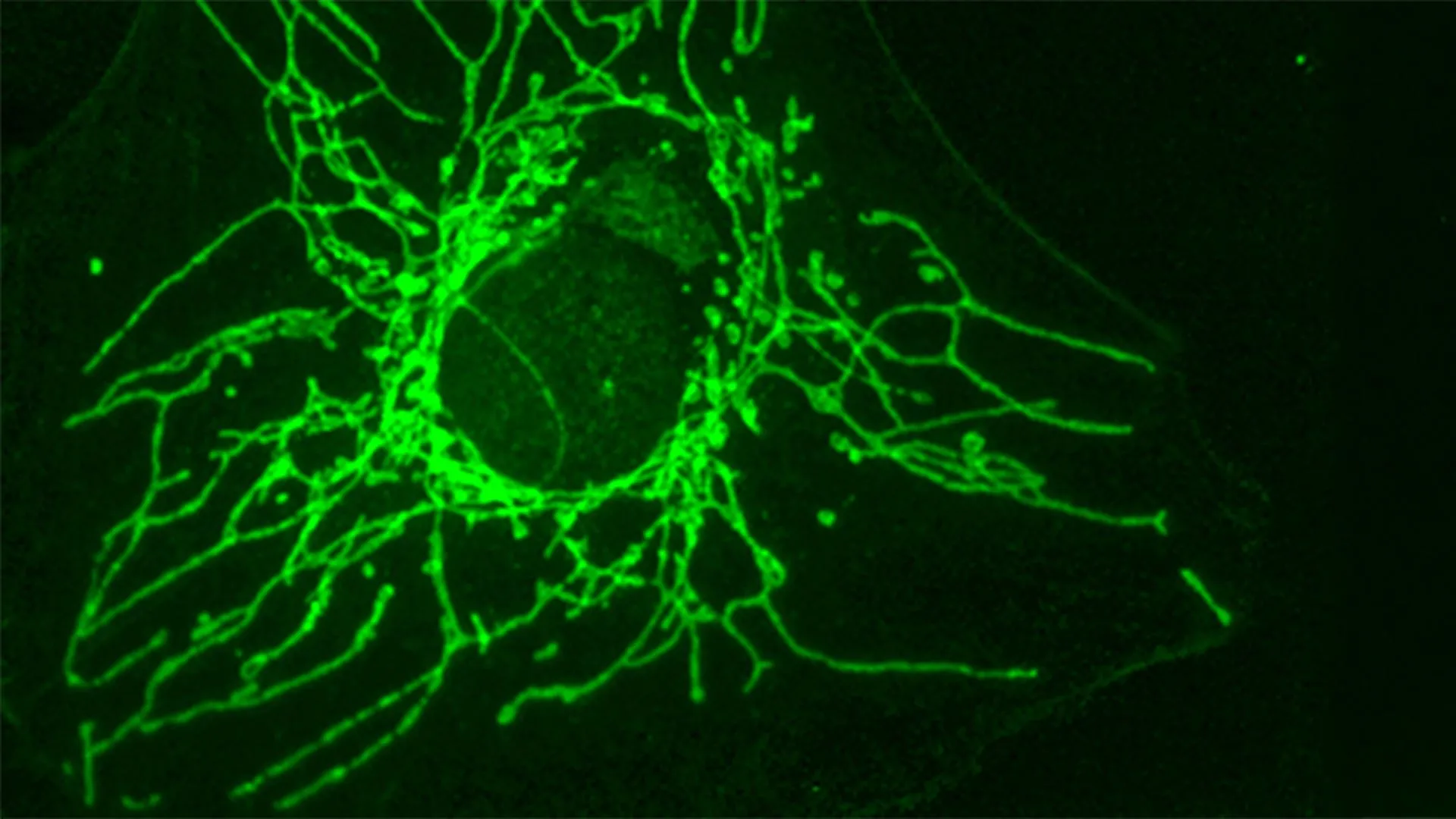
Collaborating with Professor Roland Lill and his esteemed team at the University of Marburg, the UNIGE researchers delved deeper into the intricate molecular mechanisms by which D-Cys exerts its cytotoxic effects on cancer cells. Their investigations pinpointed a critical target: an essential enzyme named NFS1, located within the mitochondria, the cellular powerhouses responsible for energy production.
"It blocks an essential enzyme called NFS1, located in the mitochondria — the cell’s ‘powerhouses’," Professor Lill stated in a joint statement released following the study’s publication. "This enzyme plays a key role in producing iron-sulfur clusters, small structures that are indispensable for many processes such as cellular respiration, DNA and RNA production, and maintaining genetic integrity."
Iron-sulfur clusters are vital cofactors for a multitude of cellular enzymes, playing critical roles in electron transport chains (essential for energy generation through cellular respiration), DNA replication and repair, and the synthesis of RNA. When NFS1 is inhibited by D-Cys, the production of these crucial clusters is severely hampered. This disruption triggers a cascade of detrimental effects within the cancer cell. Cellular respiration falters, leading to a significant reduction in energy supply. Simultaneously, DNA damage accumulates, and the cell cycle, the ordered series of events that leads to cell division, becomes arrested. These combined assaults effectively halt the cancer cell’s ability to grow, divide, and propagate, thereby controlling tumor progression. The elegance of this mechanism lies in its multi-pronged attack on fundamental cellular processes that are particularly critical for rapidly dividing cancer cells.
Promising Pre-Clinical Results: Slowing Aggressive Tumors in a Living Model
To ascertain the potential of D-cysteine as a viable therapeutic agent in a living organism, the researchers moved their investigations to animal models. They treated mice bearing aggressive mammary tumors, a type of cancer notoriously difficult to treat and prone to rapid growth and metastasis. The outcomes were highly encouraging. The tumors in the treated mice exhibited a significantly slowed rate of growth compared to control groups. Crucially, the animals did not display any overt signs of major side effects, a testament to the compound’s apparent selectivity and favorable safety profile in this pre-clinical setting.
"This is a very positive signal — we now know it’s possible to exploit this specificity to target certain cancer cells," Professor Martinou remarked, emphasizing the significance of the findings. "However, we still need to determine whether D-Cys could be administered at effective doses in humans without causing harm." This cautious optimism reflects the rigorous scientific process required before any novel therapy can be considered for human application.
Implications and Future Directions: A New Horizon for Cancer Treatment?
The implications of this research are far-reaching and offer a beacon of hope for the development of more precise and less toxic cancer therapies. If further studies confirm the safety and efficacy of D-cysteine in human trials, it could revolutionize the treatment of cancers that overexpress the specific transporter responsible for its cellular uptake. This could include a range of malignancies, potentially broadening the applicability of this novel approach.
Furthermore, the study’s findings hint at the possibility of D-cysteine playing a role in preventing metastasis, the deadly spread of cancer from its primary site to distant organs. By disrupting the fundamental processes of cell division and potentially impacting cellular motility, D-cysteine might interfere with the metastatic cascade, a critical and often fatal stage of cancer progression.
The timeline for potential human trials remains an open question, dependent on ongoing research, regulatory approvals, and further validation of the pre-clinical data. However, the initial results suggest that D-cysteine represents a promising candidate for further development. The research team is actively pursuing additional studies to refine dosing strategies, investigate potential synergistic effects with existing therapies, and comprehensively assess long-term safety profiles. The journey from laboratory discovery to clinical application is often lengthy and complex, but the unique mechanism of action and demonstrated selectivity of D-cysteine position it as a compelling subject for continued investigation in the ongoing battle against cancer. This discovery underscores the power of understanding fundamental biological differences between healthy and diseased cells to unlock novel therapeutic strategies that could redefine cancer treatment paradigms in the years to come.