


The BMW Z4 remains a cornerstone of the German manufacturer’s commitment to the open-top sports car market, positioning itself as a refined alternative to more track-focused competitors. As the automotive industry moves aggressively toward electrification and automated driving systems, the 2024 iteration of the Z4 has taken a contrarian step by introducing a six-speed manual gearbox to its flagship M40i variant. This move, designed to appeal to purists and driving enthusiasts, highlights a broader trend where legacy automakers are utilizing mechanical engagement as a primary selling point in a dwindling market for internal combustion engine (ICE) sports cars.
The BMW Z4, exclusively available as a soft-top convertible, serves as a bridge between the daily-driver comfort of a luxury sedan and the visceral engagement of a dedicated performance machine. It is currently offered in two primary configurations: the entry-level sDrive20i, powered by a 2.0-litre turbocharged four-cylinder engine, and the high-performance M40i, which utilizes the celebrated "B58" 3.0-litre turbocharged straight-six engine. In its most potent form, the Z4 produces 335bhp and 369lb ft of torque, enabling a 0-62mph sprint in just 4.6 seconds. While the eight-speed Steptronic automatic transmission remains the standard offering, the introduction of the manual gearbox in 2024 marks a significant chronological milestone in the model’s lifecycle.
Technical Specifications and Performance Metrics
The heart of the Z4 M40i is the B58 straight-six engine, a powerplant that has garnered international acclaim for its smooth power delivery and robust torque curve. The engine employs a twin-scroll turbocharger, direct injection, and BMW’s Valvetronic and Double-VANOS variable valve timing technologies. This combination ensures that maximum torque is available from as low as 1,600 rpm, providing the vehicle with significant "in-gear" flexibility.
While the performance figures of the Z4 are impressive, the vehicle’s chassis tuning focuses on a balance of stability and comfort. Unlike the Porsche 718 Boxster, which utilizes a mid-engine layout for maximum cornering agility, the Z4 maintains a traditional front-engine, rear-wheel-drive configuration. This setup provides a predictable handling profile that is often preferred for long-distance touring. The 2024 manual edition, however, is not merely a gearbox swap; it includes bespoke chassis adjustments, including retuned auxiliary springs at the front and rear, and a reinforced anti-roll bar clamp. These modifications are intended to sharpen the vehicle’s responses to match the more involved nature of manual shifting.
The Evolution of the Z4: A Brief Chronology
The current G29 generation of the BMW Z4 was first unveiled in 2018 at the Pebble Beach Concours d’Elegance. It represented a significant departure from its predecessor, the E89, by returning to a fabric soft-top. This transition was driven by the need to reduce the vehicle’s center of gravity and overall weight, as well as to increase boot capacity.
A defining aspect of the Z4’s development history is its technical partnership with Toyota. The Z4 was developed alongside the Toyota GR Supra, with both vehicles sharing the same platform, engines, and transmissions. However, the two companies diverged significantly in terms of suspension tuning and interior design. For several years, the Supra was the only one of the pair offered with a manual transmission, leading to significant market pressure for BMW to follow suit. The 2024 introduction of the manual "Handschalter" (manual shift) package for the Z4 M40i is the culmination of this demand, aligning the BMW more closely with its Toyota sibling and its Porsche rivals.
Market Positioning and Comparative Analysis
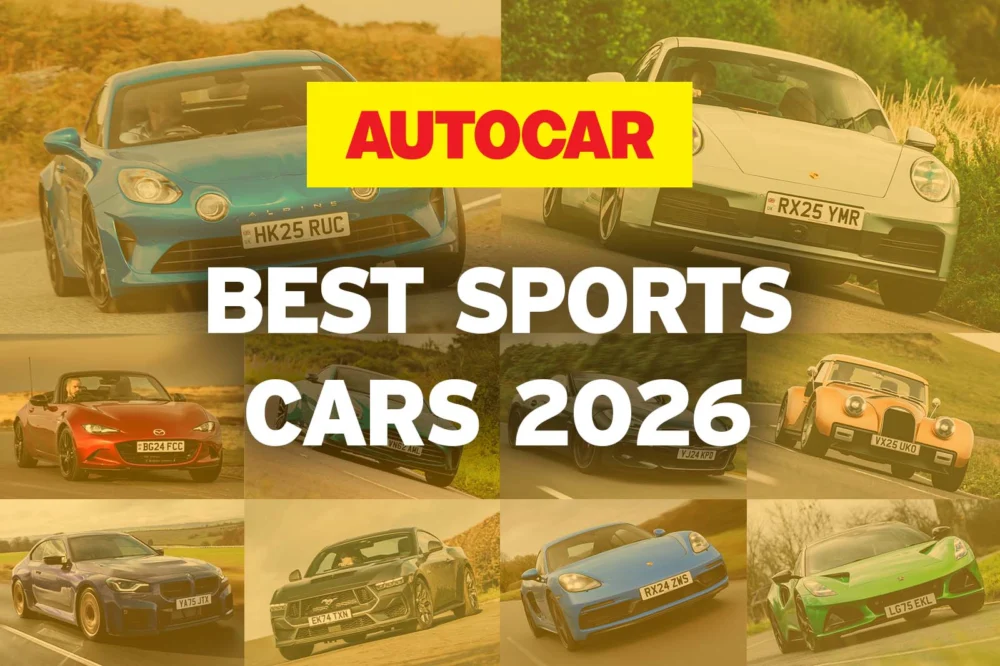
In the competitive landscape of UK sports cars, the BMW Z4 occupies a unique niche. It is frequently compared to the Porsche 718 Boxster, the Alpine A110, and the Jaguar F-Type. Industry data suggests that while the Porsche remains the benchmark for dynamic precision, the BMW Z4 excels in ergonomics and daily usability. The Z4’s interior is widely regarded as having outstanding ergonomics, featuring the latest iteration of BMW’s iDrive system, which combines physical controls with a high-resolution touchscreen—a configuration that many drivers find less distracting than the touch-only interfaces found in newer competitors.
However, the Z4 faces challenges in the enthusiast market. Critics have noted that the manual shift action can feel "rubbery" compared to the mechanical precision of a Porsche or a Mazda MX-5. Furthermore, the manual option on the M40i is often restricted in terms of exterior color palettes and interior trims, which may limit its appeal to buyers seeking high levels of personalization.
Engine Placement and Driving Dynamics
The choice of a sports car often hinges on engine placement, which dictates the vehicle’s inherent balance:
- Front-Engine (BMW Z4, Ford Mustang): Offers a traditional feel with predictable handling at the limit. It is generally more practical for packaging but can result in a heavier front end.
- Mid-Engine (Porsche 718 Boxster, Alpine A110): Provides superior balance and agility by centralizing the vehicle’s mass. This layout is ideal for track performance but often sacrifices storage space.
- Rear-Engine (Porsche 911): A unique layout that offers immense traction out of corners but requires a specific driving technique to master.
The Economic Reality of Sports Car Ownership
Purchasing a sports car is rarely a purely rational decision, but potential owners must consider the financial implications beyond the initial sticker price. In the UK market, the Mazda MX-5 remains the most accessible entry point, with prices starting below £30,000. The Ford Mustang offers a high-performance V8 alternative for under £56,000, providing significant "horsepower per pound."
The BMW Z4 sits in the premium bracket, where maintenance costs are higher due to the use of bespoke, high-performance components. Specialized tires, high-performance braking systems, and complex electronic damping systems mean that routine servicing and repairs are more expensive than those for a standard hatchback or SUV. Furthermore, the 3.0-litre engine in the M40i, while efficient for its size, incurs higher fuel costs and VED (Vehicle Excise Duty) rates compared to smaller-capacity four-cylinder engines.
Methodology of Evaluation
To determine the standing of the Z4 within the current market, automotive experts employ a rigorous testing regimen. This includes measuring headroom, legroom, and cabin width to assess "grand touring" capability. Performance is evaluated through acceleration and throttle response tests across various driver modes, while ride quality is assessed on mixed road surfaces to ensure the vehicle can handle the UK’s often-compromised tarmac.
Technology also plays a crucial role in modern evaluations. Testers scrutinize the responsiveness of infotainment systems, the accuracy of navigation with live traffic data, and the efficacy of Advanced Driver Assistance Systems (ADAS) such as adaptive cruise control and lane-keeping assistance. For a sports car, the ability to "decouple" these systems—allowing the driver full control during spirited driving—is considered a vital feature.
Broader Impact and the Future of the Segment
The introduction of a manual gearbox in 2024 is likely one of the final major updates for the internal combustion-powered Z4. As BMW shifts its focus toward the "Neue Klasse" of electric vehicles, the future of the Z4 remains uncertain. There is speculation that the model may eventually be replaced by an all-electric roadster, or it may be retired as the market for two-seater convertibles continues to shrink in favor of high-performance SUVs.
The current Z4 M40i represents the zenith of BMW’s traditional roadster philosophy. By offering a manual gearbox, BMW is acknowledging that for a specific subset of the market, the joy of driving is not measured in lap times or 0-60 figures, but in the tactile connection between the driver and the machine. This "analog" appeal is becoming a rare commodity, potentially making the 2024 manual Z4 a future classic.
Conclusion and Consumer Advice
For those considering a sports car in the current market, the BMW Z4 offers a compelling blend of performance and luxury. It is best suited for individuals who prioritize a comfortable cabin and a smooth, powerful engine over the raw, uncompromising nature of a track car. While it may not possess the ultimate surgical precision of a Porsche 718 Boxster, its stable chassis and superior ergonomics make it an excellent choice for a primary vehicle that can also provide weekend excitement.
As the industry moves toward a digital and electrified future, the Z4 stands as a reminder of the mechanical era. Prospective buyers are encouraged to join automotive communities and follow expert reviews to stay informed about the latest developments in this rapidly changing segment. Engaging with these communities provides direct access to the latest news and unique content, helping enthusiasts make informed decisions in a market where the "traditional" sports car is becoming increasingly rare.