


The automotive industry is currently witnessing the sunset of the diesel engine, a power unit that once stood as the cornerstone of European motoring. For decades, diesel engines were championed by policymakers and engineers alike for their superior thermal efficiency and lower carbon dioxide (CO2) emissions compared to their gasoline counterparts. However, a combination of regulatory shifts, high-profile corporate scandals, and the rapid ascent of electrification has relegated diesel technology to a marginal position. In the United Kingdom, diesel’s market share for new car registrations has plummeted to less than 5%, a stark contrast to the mid-2010s when it commanded over 50% of the market. This transition marks a significant chapter in industrial history, representing a move away from a technology that had reached its engineering zenith just as it was being phased out by legislative pressure.
The Historical Context: The Rise of the "Dash for Diesel"
The trajectory of the diesel engine began to shift dramatically approximately 30 years ago. During the 1990s, diesel engines were largely characterized by their utilitarian nature. They were frequently criticized for being noisy, unrefined, and significantly slower than petrol alternatives. Despite these drawbacks, they possessed an inherent advantage in fuel economy and torque, making them ideal for commercial applications and heavy-duty towing.
The true catalyst for the mainstream adoption of diesel was the 1997 Kyoto Protocol. European governments, tasked with meeting stringent CO2 reduction targets, identified diesel as a primary solution. Because diesel engines operate at higher compression ratios and lean-burn cycles, they typically emit 15% to 20% less CO2 than equivalent petrol engines. To incentivize adoption, many nations, including the UK, restructured Vehicle Excise Duty (VED) and company car tax regimes to favor lower CO2 emitters. This created an artificial market boom, as manufacturers poured billions into refining the technology.
By the mid-2000s, the "black pump" had been transformed. Innovations such as common-rail direct injection, variable geometry turbochargers (VGT), and sophisticated soundproofing addressed the previous issues of refinement and performance. Diesel cars became not only efficient but also desirable, offering effortless overtaking power and a range that often exceeded 600 miles on a single tank.
A Chronology of Diesel Development and Decline
The lifecycle of the modern diesel engine can be categorized into four distinct eras:
1. The Era of Utilitarianism (Pre-1990): Diesel engines are restricted primarily to taxis, delivery vans, and agricultural machinery. They are reliable but lack the refinement necessary for the private passenger car market.
2. The Regulatory Push (1990–2005): The introduction of the Euro 1 through Euro 4 emissions standards forces manufacturers to clean up exhaust gases. The 2001 change in UK road tax based on CO2 emissions triggers a massive shift in consumer behavior toward diesel.
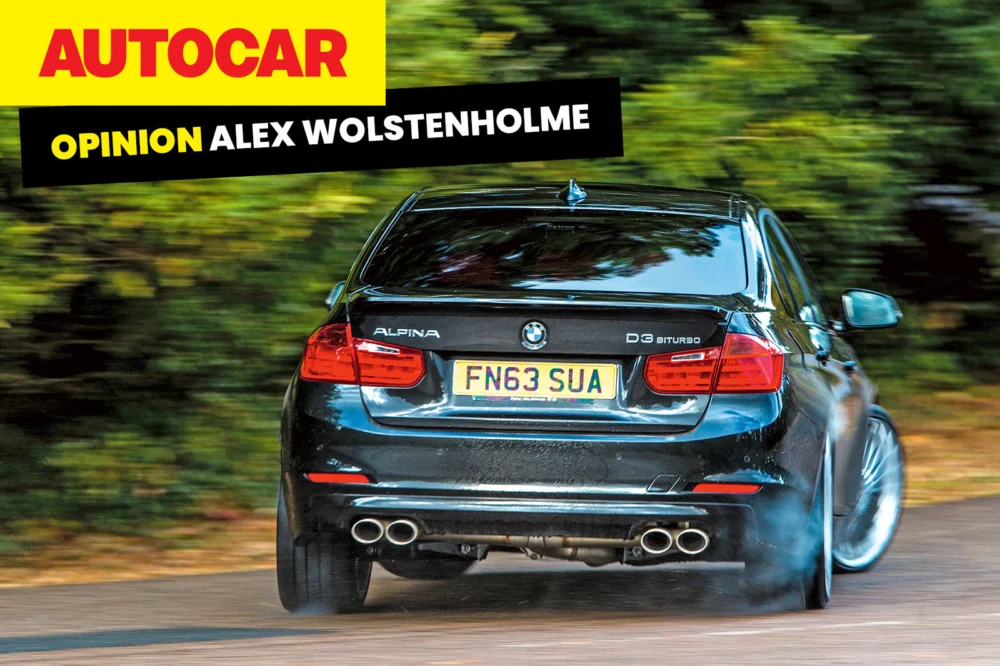
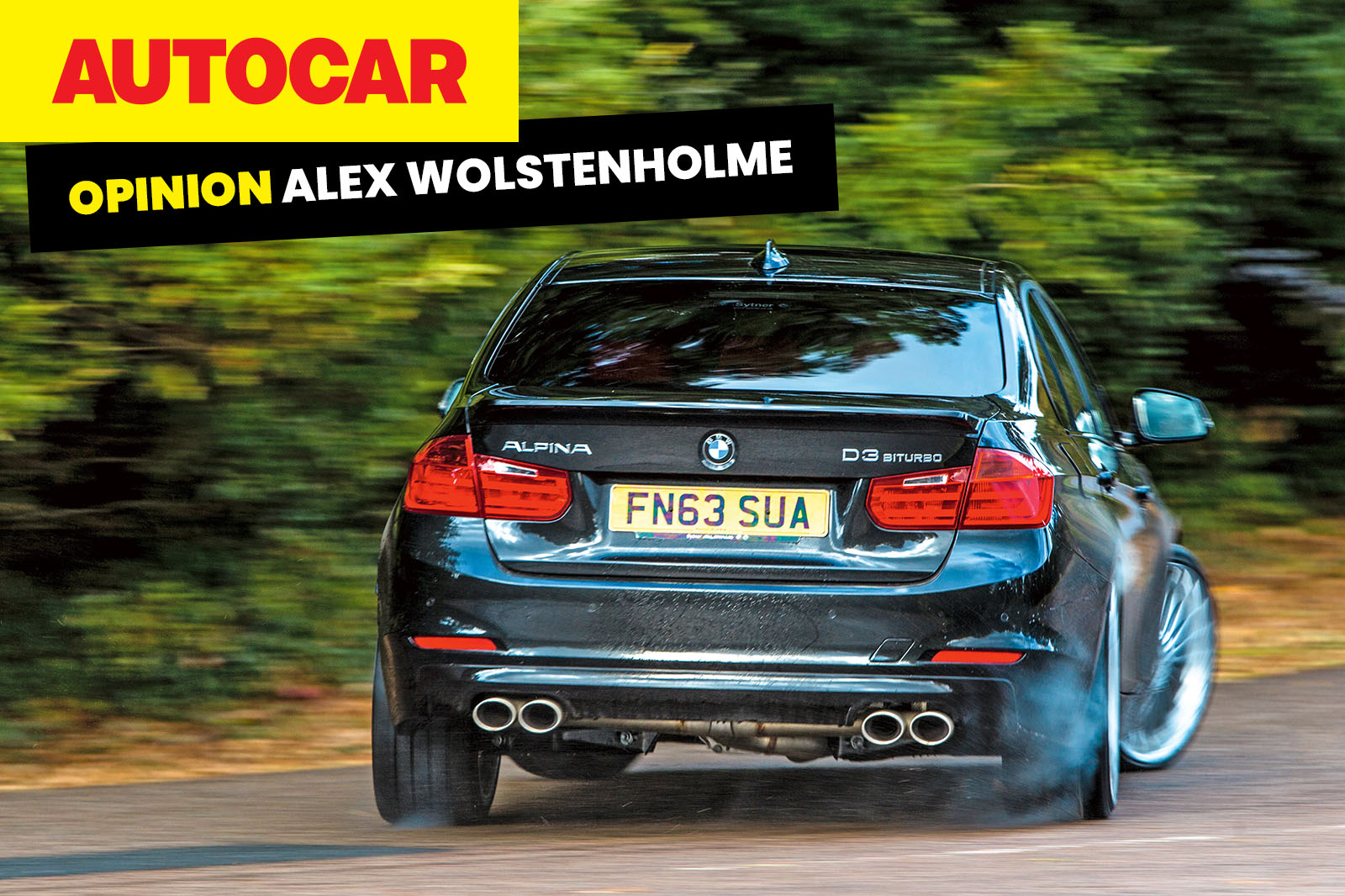
3. The Golden Age (2006–2014): Engineering breakthroughs allow diesel engines to match petrol engines for smoothness while offering vastly superior real-world fuel economy. Performance-oriented diesels, such as the Alpina D3 and Audi’s V12 TDI, demonstrate that diesel can be a premium choice.
4. The Post-Dieselgate Era (2015–Present): The revelation that Volkswagen used "defeat devices" to bypass emissions testing triggers a global backlash. Public trust collapses, and cities begin implementing Low Emission Zones (LEZ) and Ultra Low Emission Zones (ULEZ), specifically targeting older diesel vehicles.
The Dieselgate Scandal and the Erosion of Public Trust
The defining moment in the decline of diesel occurred in September 2015, when the United States Environmental Protection Agency (EPA) issued a notice of violation of the Clean Air Act to the Volkswagen Group. It was discovered that millions of turbocharged direct injection (TDI) diesel engines were equipped with software designed to detect when the vehicle was undergoing laboratory emissions testing. During these tests, the vehicles would activate full emissions controls; however, in real-world driving conditions, the cars emitted nitrogen oxides (NOx) at levels up to 40 times the legal limit.
The fallout was catastrophic for the industry. While the scandal began with Volkswagen, subsequent investigations by various global regulators suggested that "thermal windows" and other optimization strategies were common across many manufacturers. This led to a wholesale re-evaluation of diesel’s environmental credentials. While diesel remained superior for CO2 emissions, its contribution to local air quality—specifically NOx and particulate matter (PM)—became a focal point for public health advocates.
Supporting Data: The Paradox of Modern Diesel Cleanliness
Despite the negative stigma, modern diesel technology (Euro 6d and Euro 7 standards) has reached a level of cleanliness that was previously thought impossible. Data from the German motoring body ADAC (Allgemeiner Deutscher Automobil-Club) highlights a significant irony: at the very moment diesel is being phased out, it has become one of the cleanest internal combustion technologies available.
In 2019, ADAC conducted real-world driving emissions (RDE) tests on a variety of new vehicles. The Mercedes-Benz C220d recorded NOx emissions that were so low they were effectively unmeasurable by standard equipment. Unlike many petrol engines, which can emit higher levels of carbon monoxide and particulates under heavy load, the latest diesel engines utilize Selective Catalytic Reduction (SCR) and AdBlue (a urea-based solution) to convert NOx into harmless nitrogen and water vapor.
Further data from the Society of Motor Manufacturers and Traders (SMMT) indicates that while diesel sales are down, the efficiency of the remaining fleet remains vital for certain sectors. For high-mileage drivers (those covering 20,000+ miles per year), a modern diesel engine remains more resource-efficient than a plug-in hybrid (PHEV) or a battery electric vehicle (BEV), particularly when considering the environmental cost of battery production and the inefficiencies of hauling heavy battery packs at motorway speeds.
Manufacturer and Government Reactions
The response from global manufacturers has been a strategic pivot toward electrification. Volvo was among the first to announce a complete exit from diesel production, delivering its final diesel-powered car in early 2024. Other manufacturers, including Renault, Hyundai, and Fiat, have significantly pared back their diesel offerings, focusing instead on mild-hybrid and full-electric powertrains.
Governmental policy has followed suit. In the UK, the introduction of the 2035 ban on the sale of new pure internal combustion engine vehicles has effectively signaled the end of diesel development. Furthermore, the tax incentives that once fueled the diesel boom have been reversed. Benefit-in-Kind (BiK) tax rates now heavily favor electric vehicles, often leaving diesel company cars as the most expensive option for employees.
City-level interventions have also played a crucial role. The expansion of the London ULEZ and similar schemes in Birmingham, Bristol, and Glasgow has created a "geographical penalty" for diesel owners. Even though Euro 6-compliant diesels (manufactured after September 2015) are currently exempt from these charges, the uncertainty regarding future restrictions has decimated resale values and consumer confidence.
Broader Impact and Market Implications
The decline of diesel has several far-reaching implications for the automotive market and the environment:
1. The CO2 Challenge: As consumers move away from diesel and toward heavier SUVs and petrol-powered cars, average fleet CO2 emissions have, in some years, actually increased. While electric vehicles mitigate this, the transitional period has seen a plateau in the reduction of greenhouse gases from the transport sector.
2. The Used Car Market: The rapid depreciation of diesel vehicles has created a complex secondary market. While urban buyers are shunning diesel, rural buyers—who often lack charging infrastructure and drive longer distances—continue to seek out used diesel vehicles for their utility and range.
3. Logistics and Freight: While passenger cars are moving away from diesel, the heavy haulage and shipping industries remain almost entirely dependent on it. The lack of a viable high-density energy alternative for long-haul trucking means that diesel technology will persist in the commercial sector for decades to come.
4. Engineering Brain Drain: The cessation of diesel research and development means that a generation of specialized engineering knowledge is being lost. The "perfect" diesel engine—one that balances near-zero NOx with 60+ mpg efficiency—has been achieved just as the industry has decided to stop building it.
Conclusion: The Engineering Tragedy of the Diesel Engine
The story of the diesel engine is one of engineering triumph overshadowed by regulatory failure and corporate malpractice. In its current form, the modern diesel engine is a marvel of efficiency, capable of powering a luxury sedan for hundreds of miles on a fraction of the energy required by other fossil fuel systems. It offers a combination of torque, range, and thermal efficiency that remains unmatched by current battery technology for specific use cases.
However, the automotive industry operates on the pillars of public trust and legislative compliance. The legacy of Dieselgate, combined with a necessary global shift toward net-zero emissions, has rendered the diesel engine an "endangered species." While it remains the most logical choice for high-mileage motorway travel—as evidenced by the 55mpg real-world performance of older, well-engineered units—the tide of history and policy has turned. The diesel engine is not being phased out because it failed to work; it is being phased out because the world has moved on to a different set of priorities, leaving behind one of the most capable mechanical technologies of the 20th century.